Flickr CC user Marko Erman

BROWSE ALL FROM THIS PHOTOGRAPHER HERE
↓
Subscriber Access

Designing for the Performing Arts: Architecture as a Stage for Experience

Theaters, concert halls, and opera houses are more than just venues — they are meticulously orchestrated environments where architecture, technology, and human emotion converge. Unlike conventional buildings, these spaces must accommodate a dynamic interplay between acoustics, sightlines, stage mechanics, and audience engagement, all while maintaining an architectural identity that resonates with performers and spectators alike. Whether it is the immersive embrace of a vineyard-style concert hall or the grandeur of a proscenium theater, every design decision shapes how performances are experienced and remembered.

The recently published SET PIECES: Architecture for the Performing Arts in Fifteen Fragments by Diamond Schmitt Architects explores these complexities through case studies and reflections. Inspired by its insights, this article examines essential design considerations for performance spaces, from acoustic engineering to the evolving role of theaters in urban life.

Designing for the Performing Arts: Architecture as a Stage for Experience - More Images+ 60

Subscriber Access

Jean Nouvel on Architectural Eroticism and His Battles to Complete Buildings Correctly

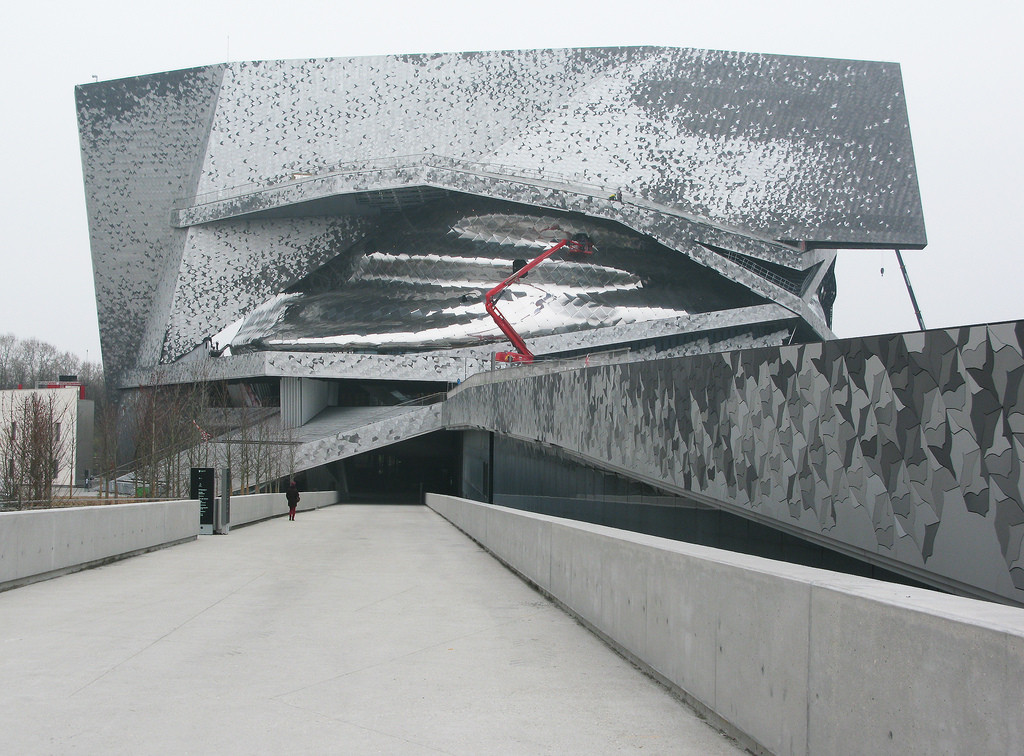
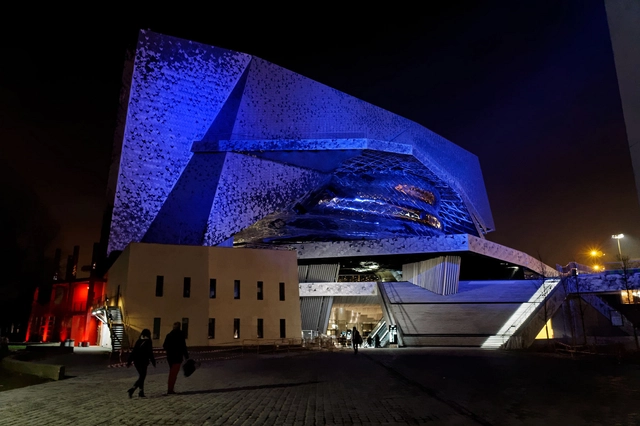
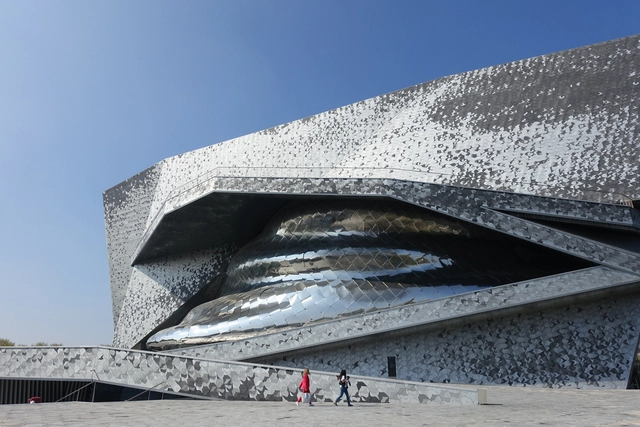
Recently, Pritzker Prize winner Jean Nouvel has been in the news for all the wrong reasons; after his Philharmonie de Paris opened ahead of schedule in January this year, he has been involved in a very public battle to have his name removed from the project to distance himself from the "aberrational decisions" of the client. In this interview, originally published by the Huffington Post as "Interview With Jean Nouvel," Elena Cué sits down with Nouvel in his Paris Studio to talk about his inspirations, the phenomenon of architectural eroticism, and why he is often disappointed with his completed works.

Elena Cué: The anti-Le Corbusier architect Claude Parent was your mentor when you were starting out at the age of 21. Please tell me about what meeting him meant for your career. You were actively involved in May 68 with a radical stance against the educational model of the École des Beaux-Arts in Paris. What were the things you demanded?

Jean Nouvel: I felt that his studio was one of the most creative at that time. He and his partner, Paul Virilio, created a space where a new approach to architecture could evolve. Paul became a very well-known philosopher and thinker of the time. I joined the intellectual rebellion of "May 68" and it certainly impacted my architectural style in terms of its criticism of the way in which French cities have traditionally been constructed. Later on, I joined with them to create the "March 1976 Movement," which demanded that the design of French cities no longer follow the same traditional model. Soon after, the architecture trade union was formed. It was a time of intellectual excitement.

Jean Nouvel on Architectural Eroticism and His Battles to Complete Buildings Correctly - More Images+ 3

Jean Nouvel Seeks Legal Action to Distance Himself from Philharmonie de Paris

After boycotting the premature opening of the infamous Philharmonie de Paris, Jean Nouvel has taken his frustrations to court demanding that his name and image be removed from all references to the publicly funded €390 million concert hall. The French architect, who has claimed to be wrongly vilified as a “spoilt-star artist” and unfairly blamed for the project’s spiraling costs, does not “wish to express himself any further on the project.”

He has asked the court "to order amending work" to 26 "non-compliance" areas that do not comply with his original design. This areas include parapets, fireplaces, facades, the promenade and 2,400-seat concert hall itself.