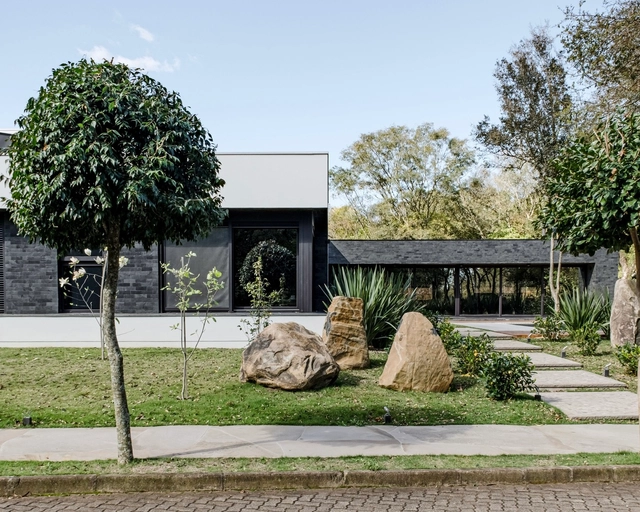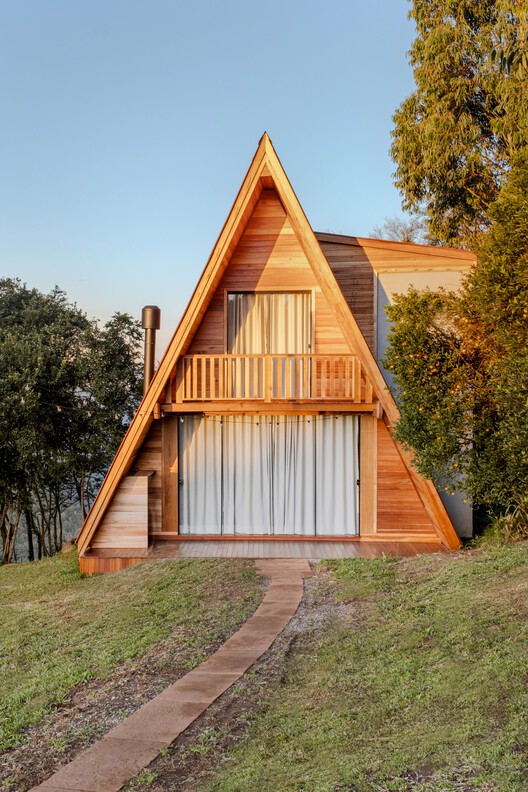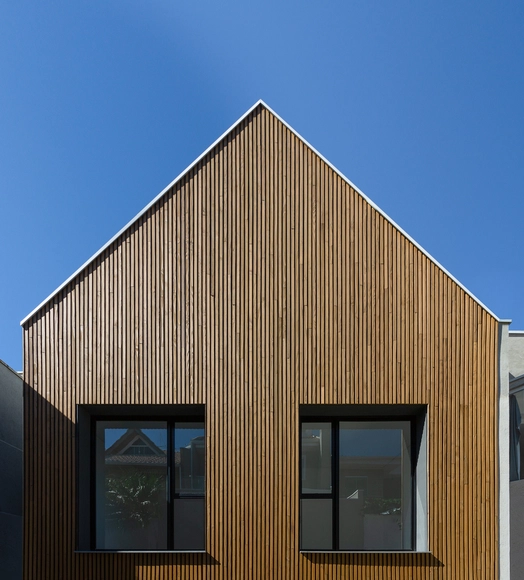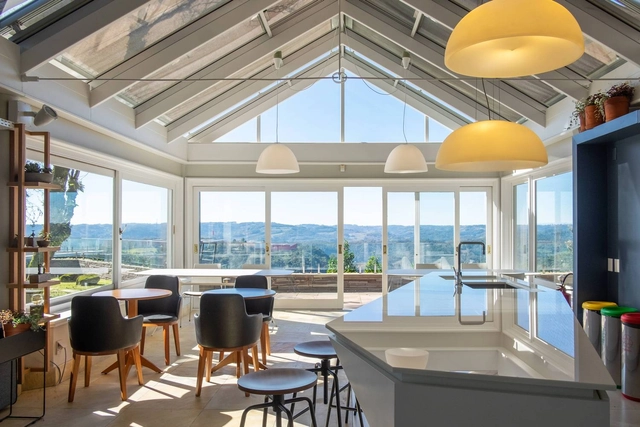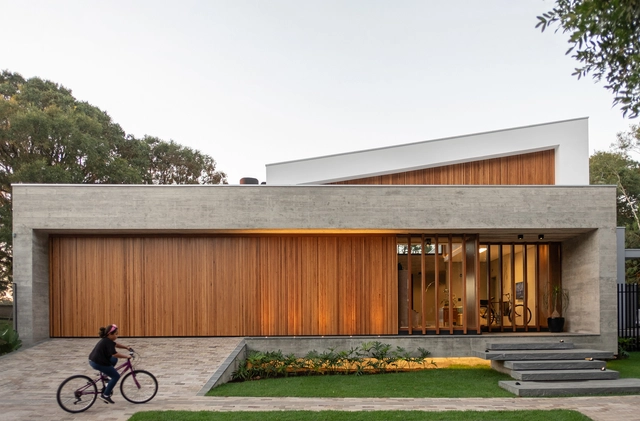
Wood is an incredibly common material in the construction industry, utilized across various stages and for multiple purposes. Below, we explore its potential to shape residential facades through 17 examples of Brazilian houses.

Wood is an incredibly common material in the construction industry, utilized across various stages and for multiple purposes. Below, we explore its potential to shape residential facades through 17 examples of Brazilian houses.

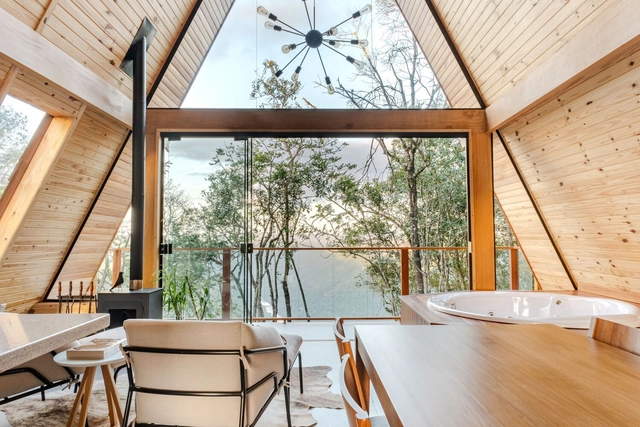
Acquiring diverse expressive possibilities within interior design, the use of wood in regions with a wide range of climates and temperatures such as Mexico, Brazil, Argentina, Uruguay, Chile, Colombia, or Ecuador enables the creation of attractive and captivating spaces that capture the attention of their users by contrasting, blending, or integrating with their surrounding environment. Being a natural element and presenting a negative carbon footprint at the end of its life cycle, wood offers multiple finishes, textures, and tones that can be associated with being outdoors and providing, on some occasions, spaciousness, warmth, and relaxation at the same time.
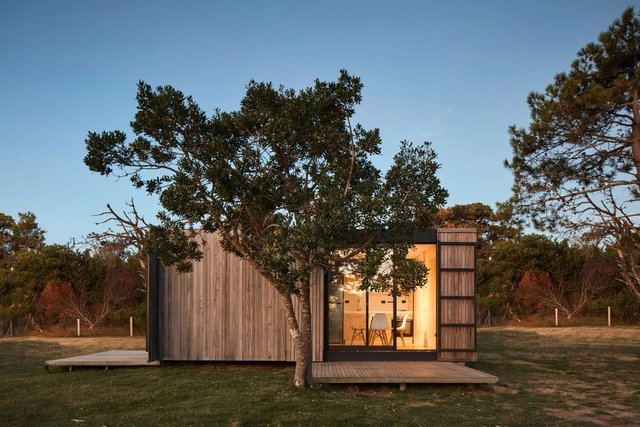
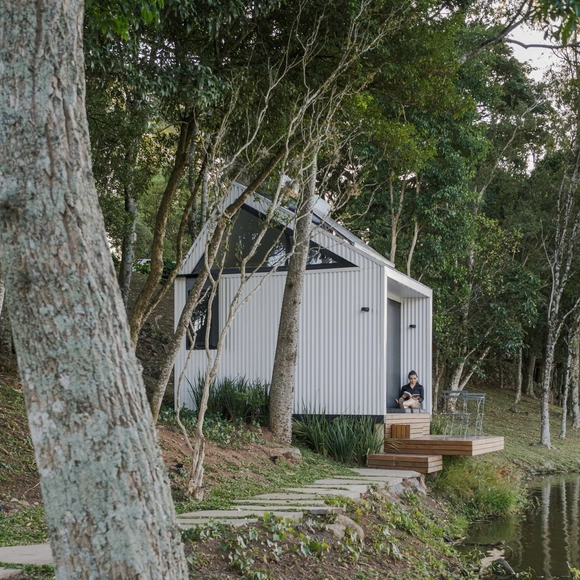
In a constant search to find new ways to reduce costs and construction times, modular architecture emerges as an opportunity to implement various methods, technologies, and techniques to design livable spaces using separate repetitive elements such as modules. As Tom Hardiman, executive director of the Modular Building Institute (MBI), maintains, "Modular" is not about a construction product but rather a construction process.