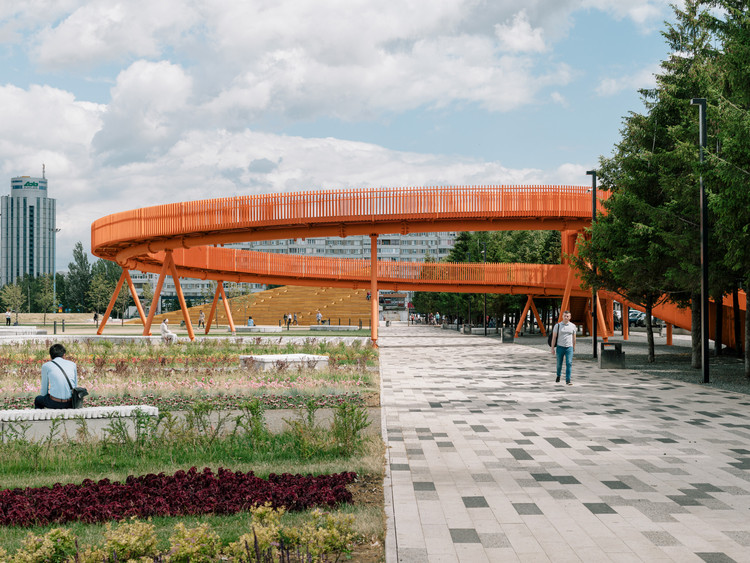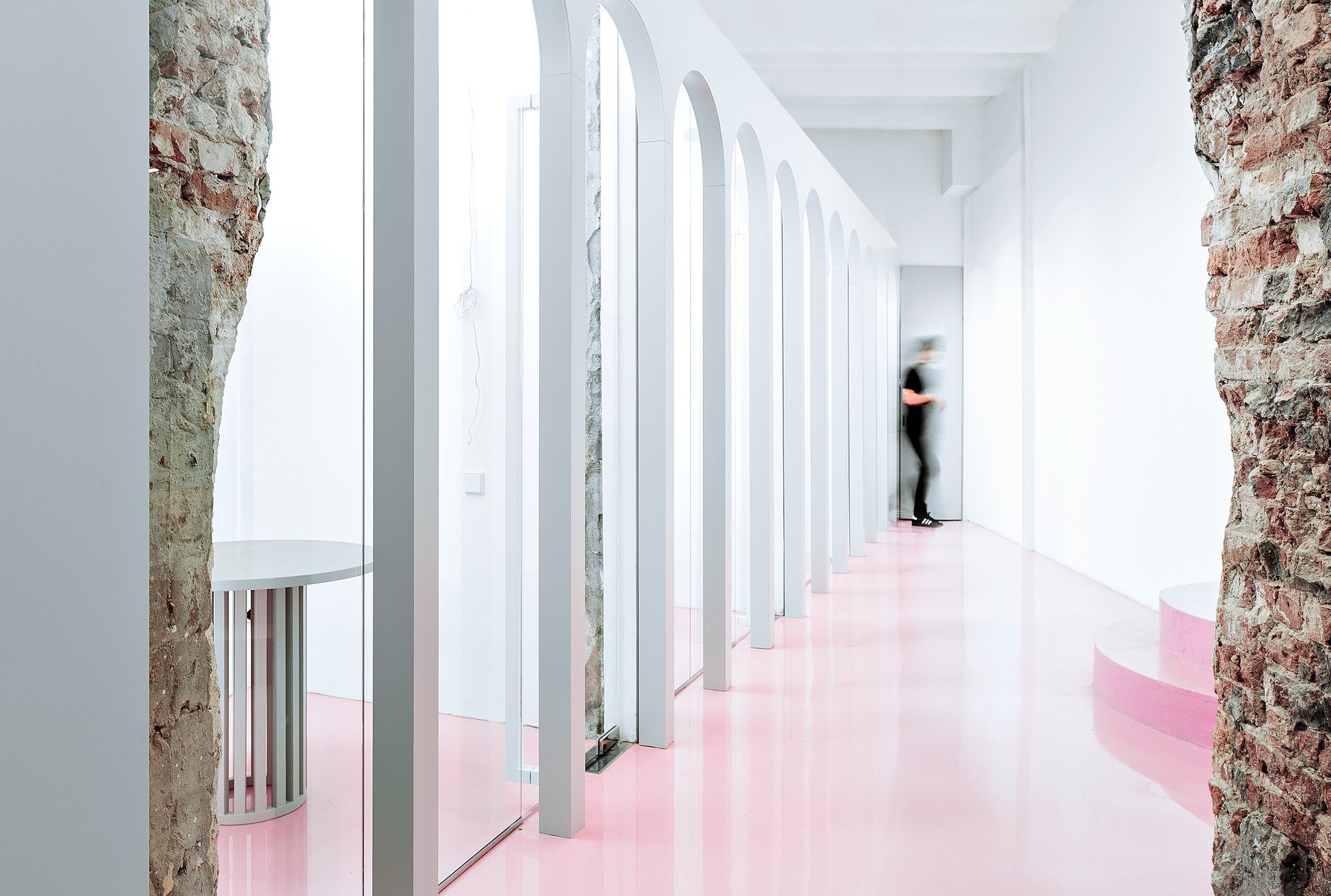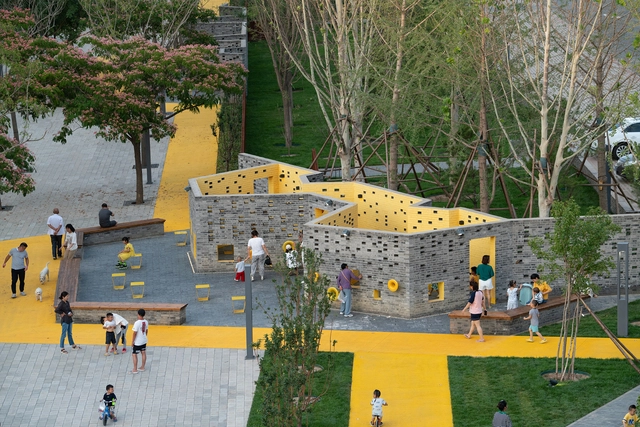
Violent cities result from social and economic inequality, which also affects the urban landscape and the way we live. In honor of International Cities Day, we have selected a series of projects to reflect on non-violent ways of using public space.
Violent cities result from social and economic inequality, which also affects the urban landscape and the way we live. In honor of International Cities Day, we have selected a series of projects to reflect on non-violent ways of using public space.
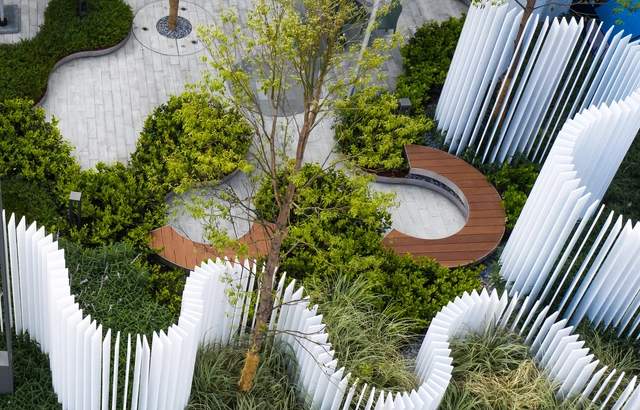
Far beyond its decorative features, landscaping brings with it biological and cultural issues that need to be addressed in projects. However, what can be seen in most public, residential, condominium, commercial and business gardens is a series of approaches that distance landscaping from all its attributes, reducing it to a decorative layer in the construction. Next, we have put together strategies to avoid the main problems of landscape design, joining aesthetics with its environmental and cultural possibilities.
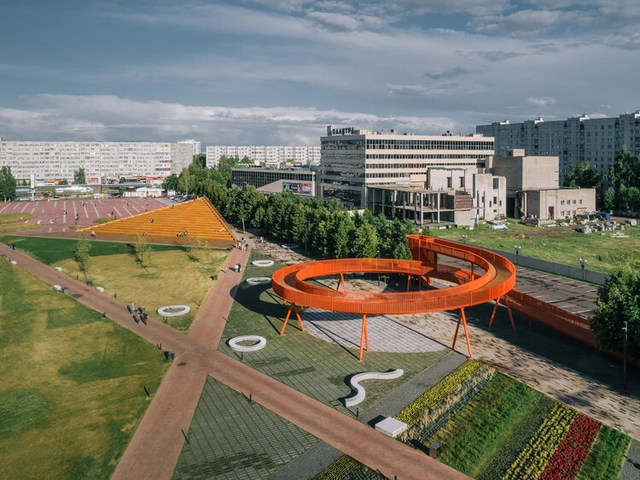
In the architectural world, unestablished practices are often overlooked, yet, by challenging the traditional dogmas of the industry, they can have a significant impact on the built environment. The Young European Architecture Festival (YEAH!) explores the work of these upcoming architectural offices, looking at how they share ideas visions and experiences at the European level. The event is divided in two sections: Habitats, exploring ideas of domesticity and the residential typology, and Hybrids, initiatives that are rethinking the traditional systems of city planning.
The following represents a selection of projects by emerging architectural practices selected by YEAH! For the Hybrids category. Many of these initiatives are challenging the ideas of public space, but in doing so, they are also shedding light on the larger social structures at play in these spaces. The selection includes community spaces, schools, transportation hubs, and even projects initiated by the architects themselves, who have noticed deficiencies in their environment and are working to not only correct them but to enhance their presence and empower the local community through them.

With the rise of social media, we have entered an era of a multimedia "society of the spectacle," where the influence of images on the public grows year by year. Visually-driven media platforms are increasingly dominating the market, serving as an alternative form of travel that allows people to experience breathtaking scenes from around the world without leaving home. Dedicated to bringing design inspiration to the public, ArchDaily established its presence on Instagram years ago. In 2022, we expanded onto China’s Xiaohongshu (RED), hoping to share exceptional projects with a broader audience. As expected, the influence of star architects remains strong, while playfulness, aesthetics, and relevance emerge as key terms guiding reader interest. Here, we present the top 20 most-liked architectural projects of 2022 on ArchDaily’s official Xiaohongshu and Instagram accounts. Read on to discover the public's architectural preferences.
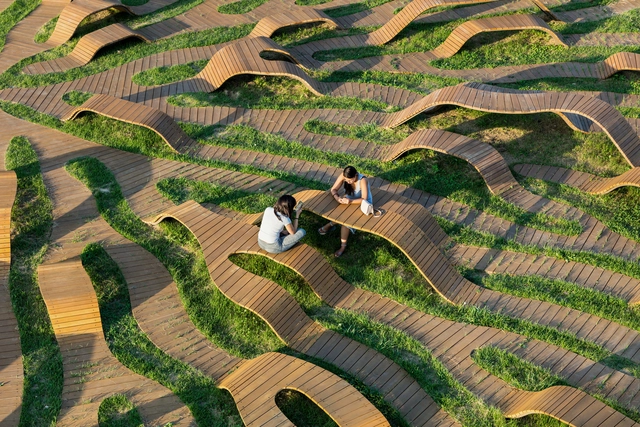
The design and functionality of public spaces in cities are always under scrutiny. Whether its accessibility to public parks and green spaces, the distance people live from public transportation, or the ways that spaces can be designed to make city life more safe and equitable. But now a new issue and one that lives at a smaller scale is starting to arise- where did all of the public seats go?
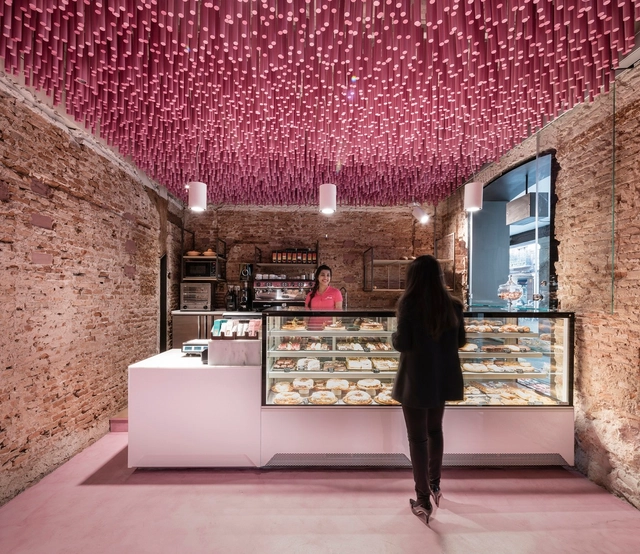
Few architectural typologies are as timeless as bakeries. A practice spanning thousands of years, the art of baking has diverse roots. Today, bakeries combine areas to gather, socialize, shop, and work. While industrialization and commercialization transformed the art of baking and baked goods, bakeries remain important community spaces for gathering and defining neighborhood identity.
_Daria_Scagliola.jpg?1596665845&format=webp&width=640&height=580)
Public space has always been a top priority in every city’s urban planning agenda and given today’s world context, these urban spaces have emerged as fundamental elements of cities and neighborhoods. Plazas, squares, and parks, undeniable necessities in the urban fabric, have become, today, more vital than ever.





_Evgeny_Evgrafov_02.jpg?1655225292&format=webp&width=230&height=230&crop=true)


_Del_Rio_Bani.jpg?1596667310&format=webp&width=230&height=230&crop=true)
_Evgeny_Evgrafov_02.jpg?1596665789&format=webp&width=230&height=230&crop=true)
_Norbert_Tukaj.jpg?1596666158&format=webp&width=230&height=230&crop=true)
_Chao_Zhang.jpg?1596666402&format=webp&width=230&height=230&crop=true)
_Daria_Scagliola.jpg?1596665845)