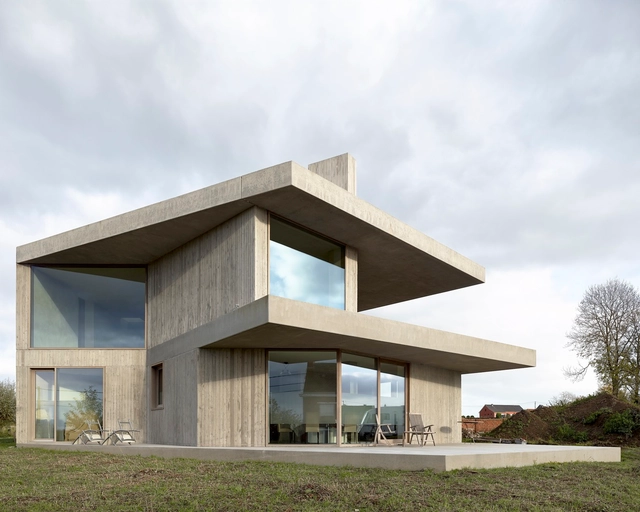


-
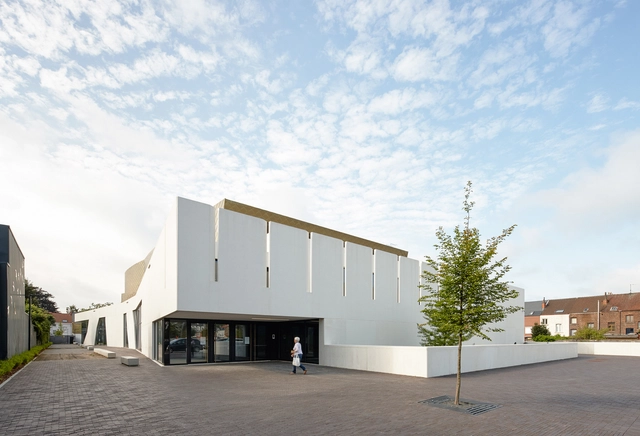
Architects: GRAUX & BAEYENS architecten
- Area: 3300 m²
- Year: 2022
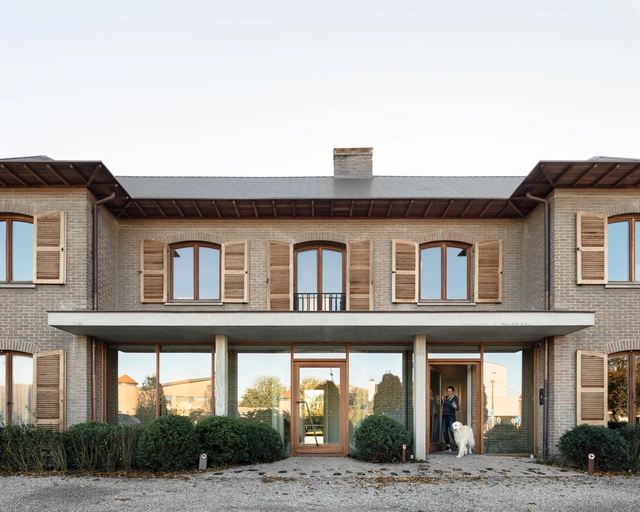
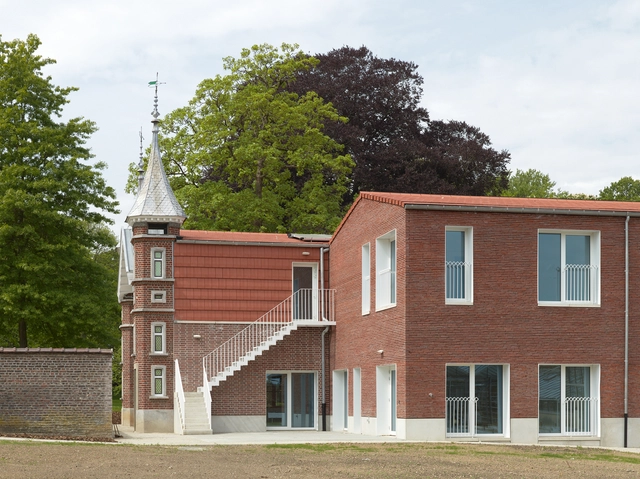
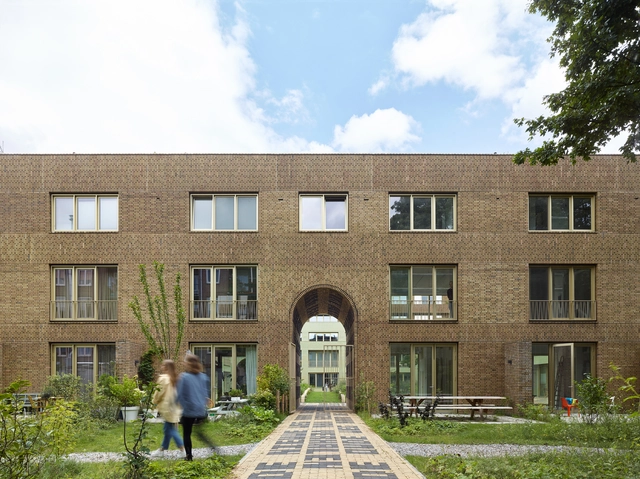
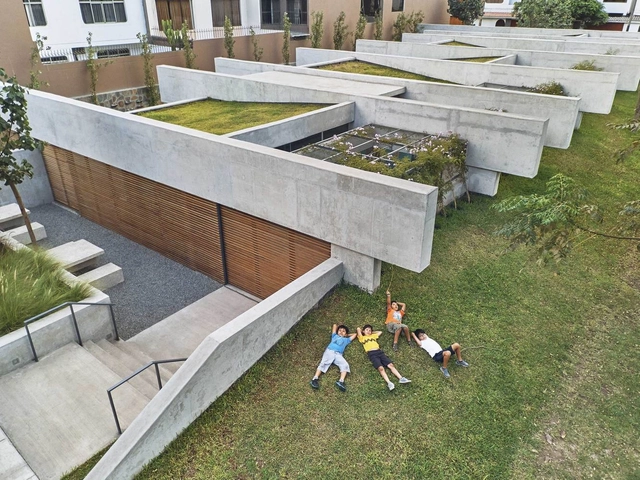
How many times have you been faced with the challenge of designing a cultural center? While this may seem like quite a feat, many architects have had to design a program that blends a community center with culture.
Among the projects published on our site, we have found numerous examples that highlight different responses, from flexible configurations to sites that prioritize central gathering areas for citizens and activities. See our series of 50 community centers and their plans and sections below.

During the first half of the 2nd century AD, one of the most important buildings in the history of Western architecture was erected in Rome: the Pantheon. Its main and most impressive feature is its coffered concrete dome, which ends in a perfectly round central opening. This oculus kicked off a series of later projects that noted the value of circular openings, which were replicated as glazed skylights and as compositional elements on facades. This eventually evolved, for example, into the detailed and colorful rose windows of the Gothic basilicas. In all its configurations, the oculus (meaning "eye" in Latin) holds symbolism that goes beyond that of a traditional window: its luminous projection gracefully marks the passage of time, solemnly highlighting an architectural space.

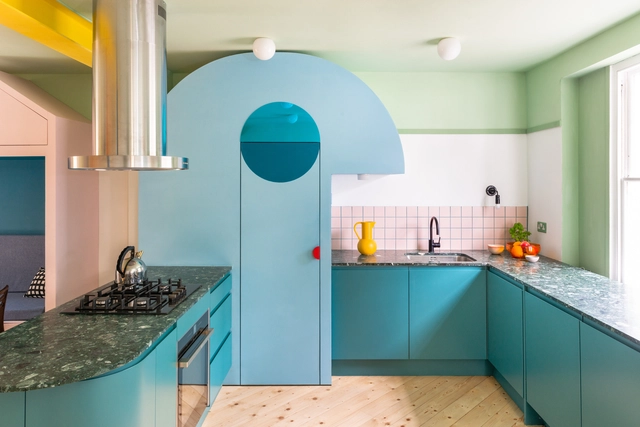
As transitory as trends may be, they always have a way of coming back. We see it all the time in fashion, with clothing pieces we thought were long gone coming back in style and reconquering the market. Interior design is no exception. Although this century has set the ideal on subtle sophistication and simplicity – with white surfaces, clean lines and slick gloss finishes –, bold retro enhancements are reviving in residential and commercial interiors. Whether in the form of vibrant colored walls, floors with intricate geometric patterns or vintage-looking furniture pieces, there seems to be a renewed appreciation for design elements inspired by trends from the second half of the 1900s, particularly from the 50s to the 80s.
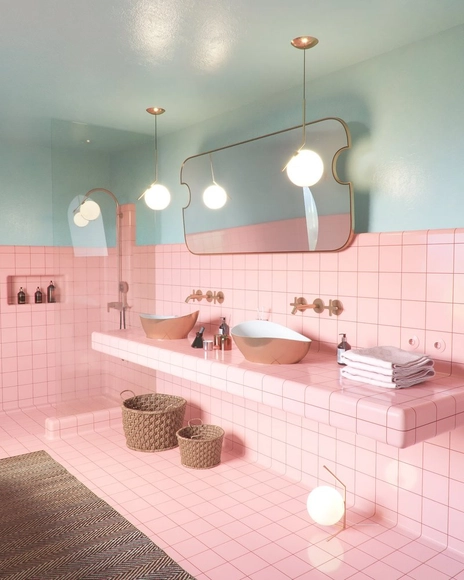
Even though white minimalism remains the norm, retro trends are making a serious comeback in modern bathroom designs, with homeowners incorporating pops of color, classic fixtures, and patterned surfaces. Despite often being static and traditional spaces in homes, bathrooms have certainly undergone significant transformations throughout the years. While those of the outspoken 1970s brought vibrant colors like avocado green and mustard yellow, the ‘80s introduced ceramic tiles in more muted, pastel shades. On the other hand, this century has set the ideal on white and marbled surfaces, slick gloss finishes, and silver fixtures. However, even as this all-white look continues to be the protagonist, bold retro enhancements are reviving and blending in with contemporary elements to create elegant, yet lively atmospheres with a strong character.



.jpg?1520297278&format=webp&width=640&height=580)






.jpg?1520297228&format=webp&width=230&height=230&crop=true)
.jpg?1520297213&format=webp&width=230&height=230&crop=true)
.jpg?1520297338&format=webp&width=230&height=230&crop=true)
.jpg?1520297380&format=webp&width=230&height=230&crop=true)
.jpg?1520297278)


