Founded in 2017, Studio 10 is an architectural-focused, multi-disciplinary design studio based in Shenzhen and Hong Kong.

Founded in 2017, Studio 10 is an architectural-focused, multi-disciplinary design studio based in Shenzhen and Hong Kong.

Before the digital turn, architecture's memory was largely tangible. It lived in the weight of drawings, the patina of models, and the thickness of books. To preserve architecture meant to preserve its traces, the documents, sketches, and photographs through which buildings could be remembered long after their material form had changed or disappeared. The modern architectural archive, as it developed in the 20th century, was both a refuge and a device of legitimacy. Institutions such as the Canadian Centre for Architecture, Casa da Arquitectura, or the Deutsches Architekturmuseum were built upon the conviction that to preserve architecture was to preserve its documents.
However, these archives didn't merely store knowledge. They determined what counted as architecture, who belonged to its canon, and how history would be told. To archive is to edit the past — to decide what enters, what is omitted, and how it will be interpreted. The archive, as theorised by Michel Foucault and later by Jacques Derrida, is never neutral; it is an instrument of power, a space that selects and excludes. In architecture, these dynamics are especially evident as they record the visible while silencing what falls outside their categories. The act of collecting has always been, implicitly, an act of judgment.

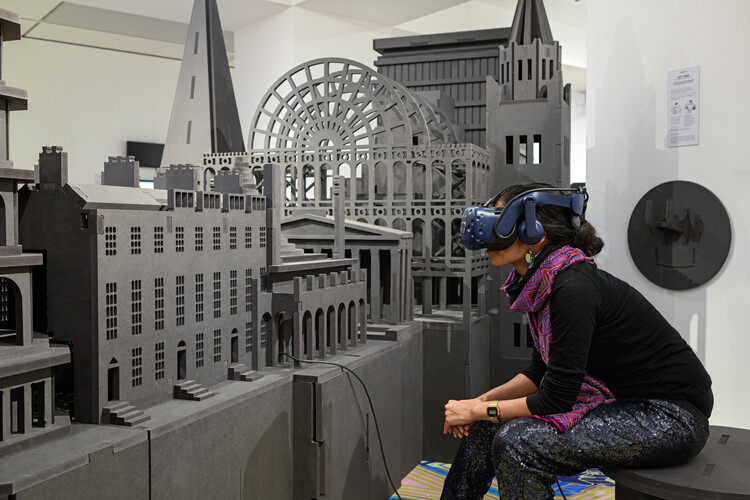
The importance of the use of advanced technologies, such as the likes of virtual reality in the scene of architecture, is becoming increasingly necessary. No matter how beautiful a rendered image may be, it will always lack the capacity to fully convey the scope and feel of a project as a whole, further perpetuating the necessity to incorporate the use of these technologies at a professional practice level.
Architects who choose not to adopt the use of virtual reality technologies into their design process fall victim to being at a significant disadvantage, and the problem no longer even lies within accessibility, as VR is very much a possibility for architects of all backgrounds in the present age.

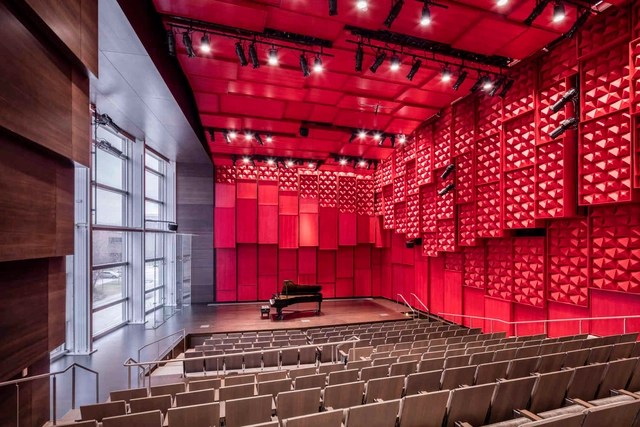
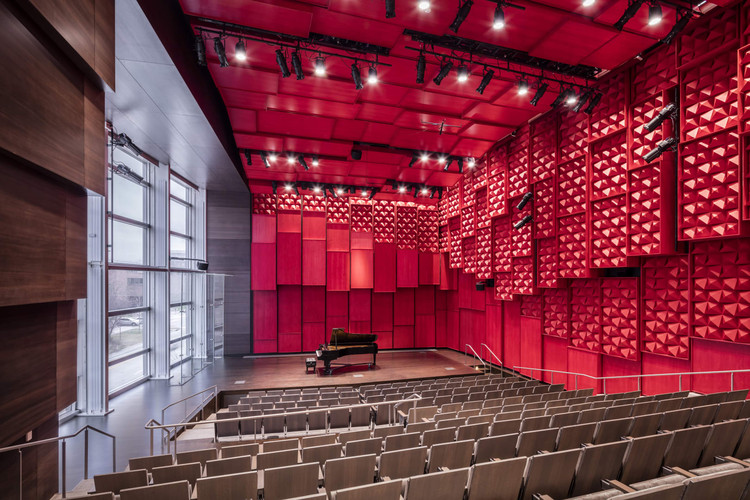
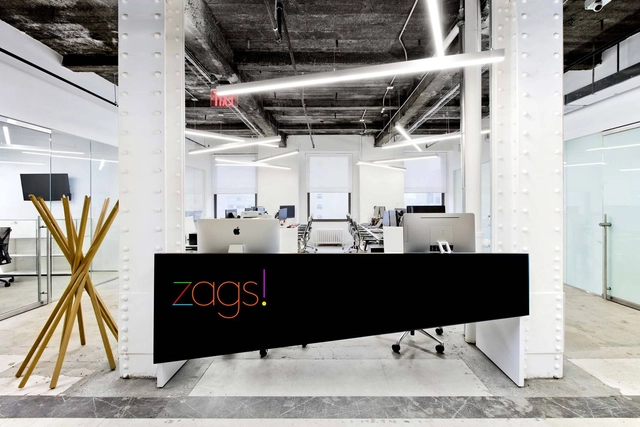
The American Institute of Architects (AIA) is recognizing seven projects with its 2020 Interior Architecture Awards. The Interior Architecture program celebrates the most innovative interior spaces. As the AIA states, these building interiors make their mark on the cities, places, and spaces where we live and work.

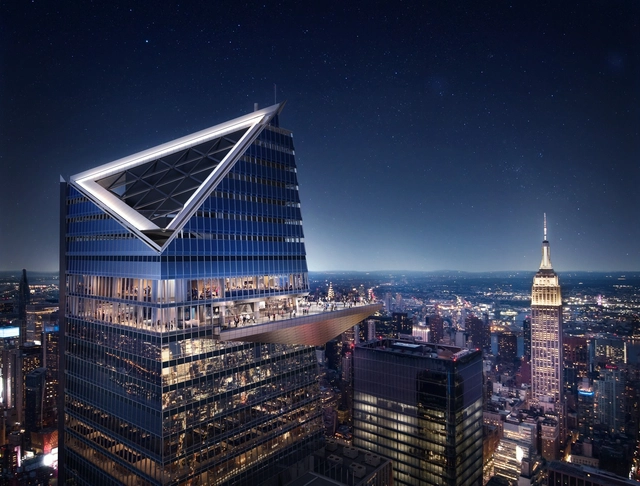
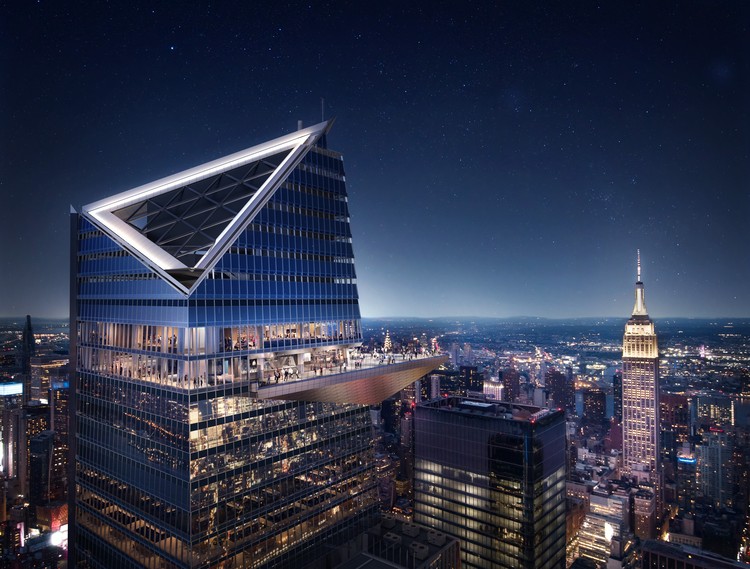
The highest outdoor observation deck in the western hemisphere is set to open in March of 2020 in New York City. Designed by Kohn Pedersen Fox (KPF), the Edge cantilevers 80 feet from the 100th floor of 30 Hudson Yards. At a record-setting height of 1,131 feet, Edge will reveal never-before-seen views of The City, Western New Jersey and New York State spanning up to 80 miles.

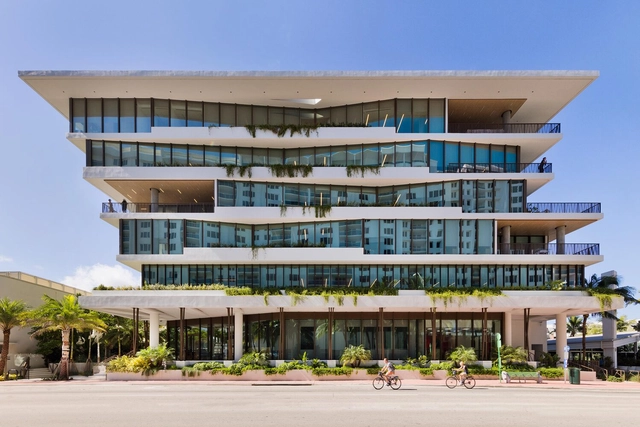
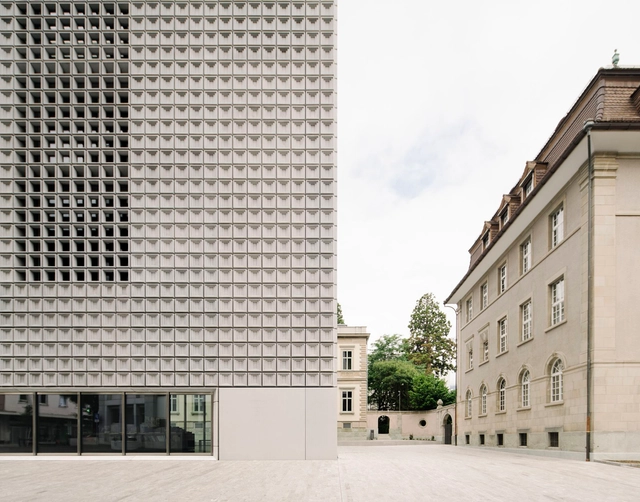
Over 120 projects have been recognized during the 2019 International Architecture Awards. The oldest, largest global awards in the industry, the awards are organized by the Chicago Athenaeum: Museum of Architecture and Design and The European Centre for Architecture Art Design and Urban Studies.