

-
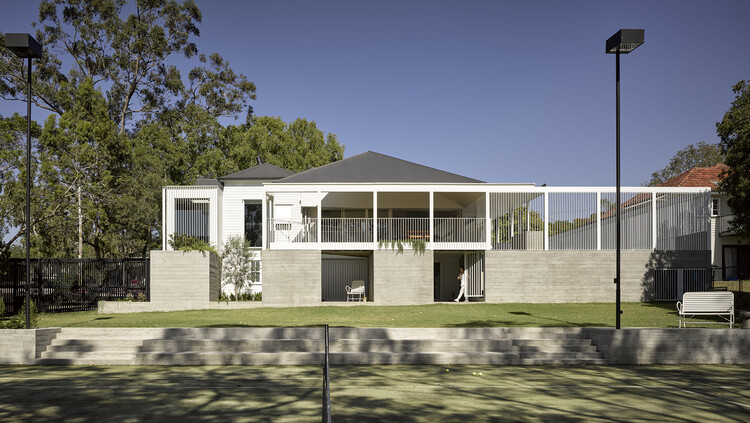
Architects: Lyons, m3architecture
- Area: 1258 m²
- Year: 2022
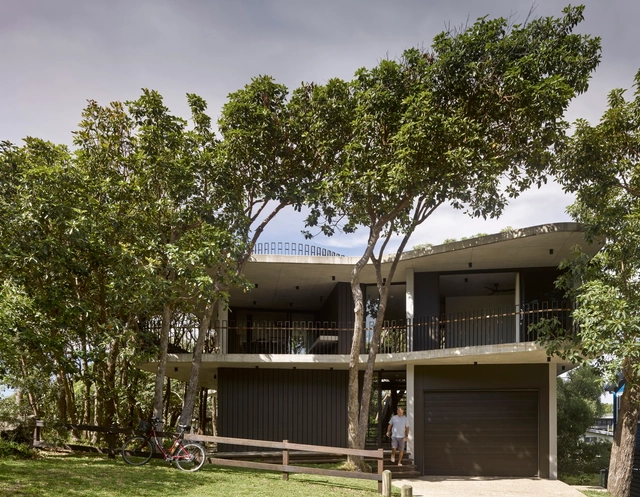
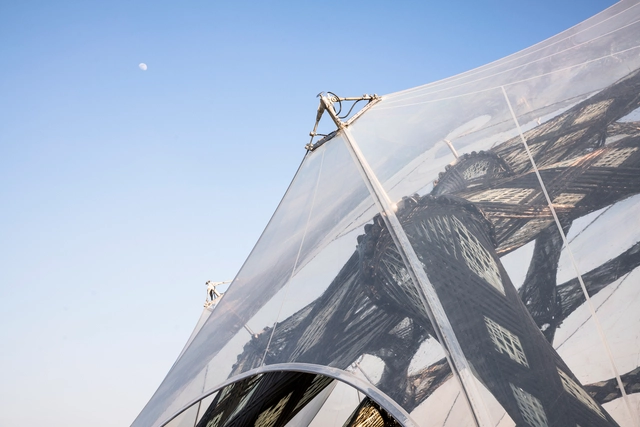
Let us return to the first architecture class on structures and the classification of structural efforts. In most structures, whether natural or man-made, compression forces are the primary actors. These are efforts undertaken with equal and opposing loads, applied in the interior of the structure, which tend towards the shortening of the piece in one direction - or compressing it, as the name indicates. It is not difficult to find examples of this: for example, a stone wall or a wooden log can resist the weight of a covering through internal compression efforts that are inherent to each material. Tension efforts, on the other hand, tend to lengthen components in the direction of the applied force of action. Steel, for example, is a material with good tensile strength. It is used in reinforced concrete precisely in the parts where the piece is in traction. But it is also possible for a structure to only have tensile parts, as is the case of membrane, tensioned, or tension structures, which consist of surfaces pulled by the action of cables or ropes in which the masts absorb compression efforts.



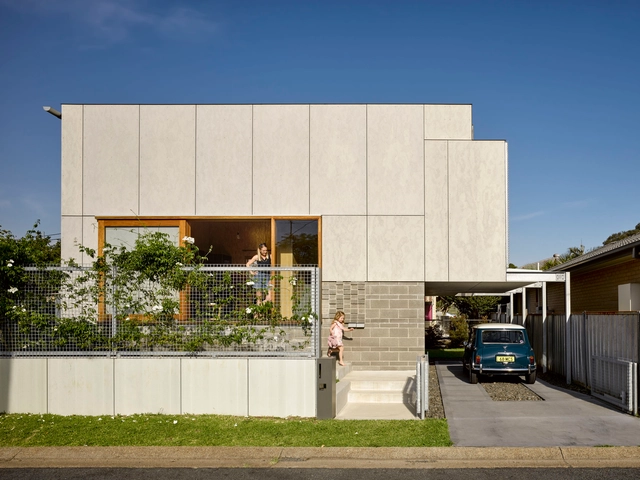
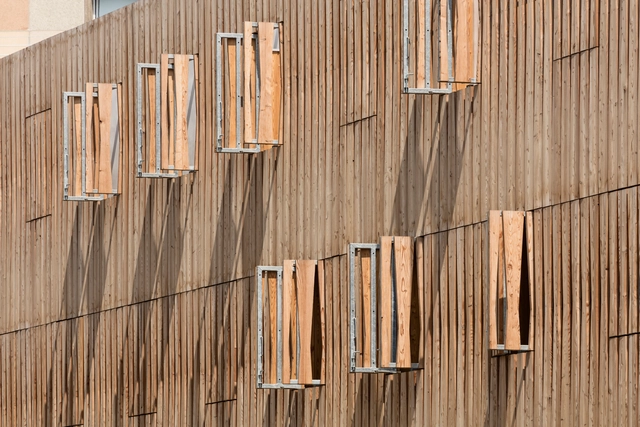
In recent years, we have published many articles about wood. Addressing trends of use, possibilities for log wood, panels, curves, and finishes, innovations in tall building structures, and wood's behavior towards fire, these articles have explicated a wide variety of the material's applications and characteristics. A specific type of wood, Cross Laminated Timber (CLT), has emerged as highly structurally efficient with thermal, seismic, and even sensory benefits, described by specialists as the concrete of the future. But when we post these articles on social media, we frequently encounter comments from our readers concerned about the impact of deforestation. Although we may see wood as a great building material of the future, we must ask ourselves: is it possible to continue cutting down trees and using their wood while still calling it sustainable?
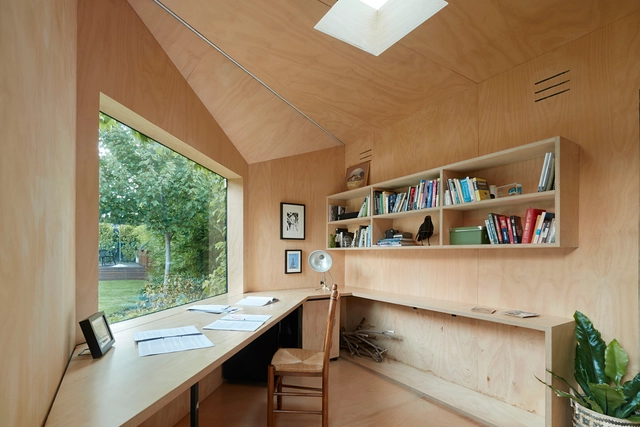
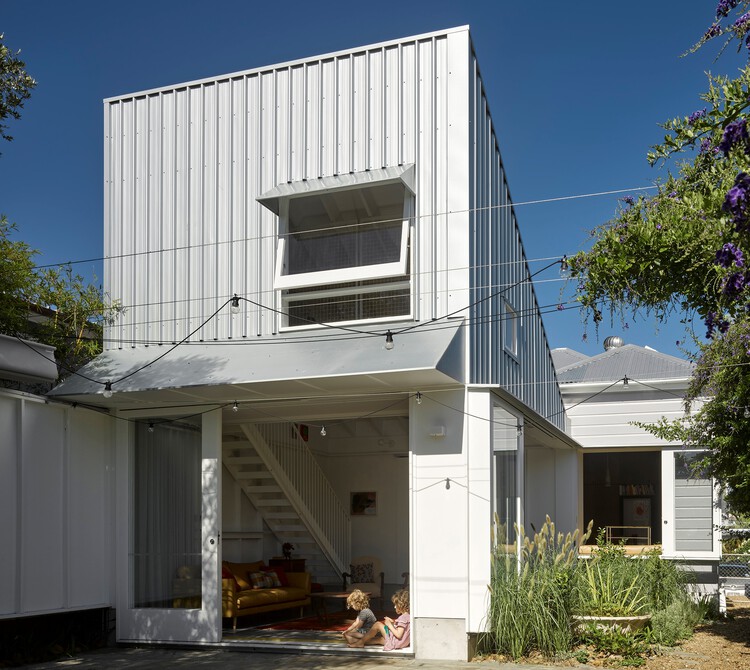
Working from home comes with a flexible schedule, not to mention savings on travel costs, and you can be closer to family. But distractions can make working from home inefficient. It becomes critical to separate the spaces used for living from the ones used for working. Building an addition is, in most cases, the perfect solution.
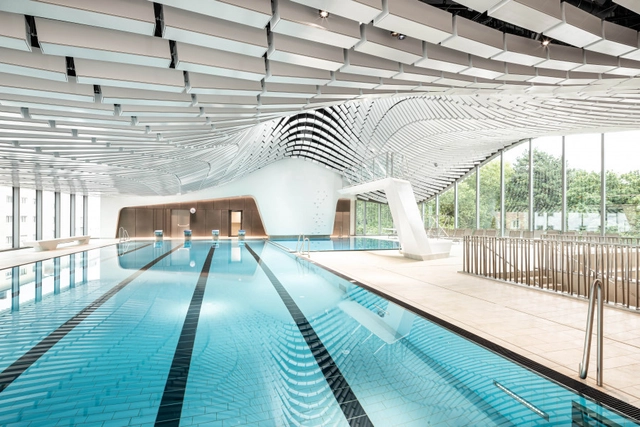
Aquatic centers are defined by activity. Making space for focused exercise and leisure alike, they are designed to support different scales of movement. At their core, they center on swimming pools. These structures explore ideas of light and space spanning millennia, from Pakistan's "Great Bath" at the site of Mohenjo-Daro and Ancient Greek palaestras to contemporary swimming complexes.