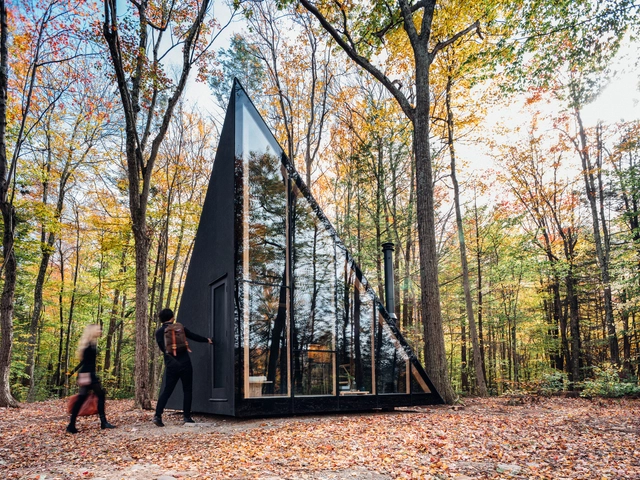
Cities around the world are facing new questions of urban flight. As the COVID-19 pandemic spread, it exacerbated a range of living conditions and housing crises, from telecommuting and construction to global economies. As Fast Company reports, almost 40% of those living in cities have considered moving out since the pandemic started. With the possibility of the pandemic stretching on for years, more urbanites are considering the move to rural areas and small towns.
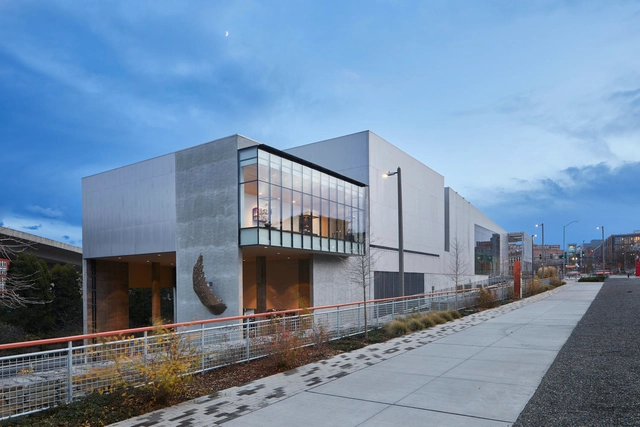
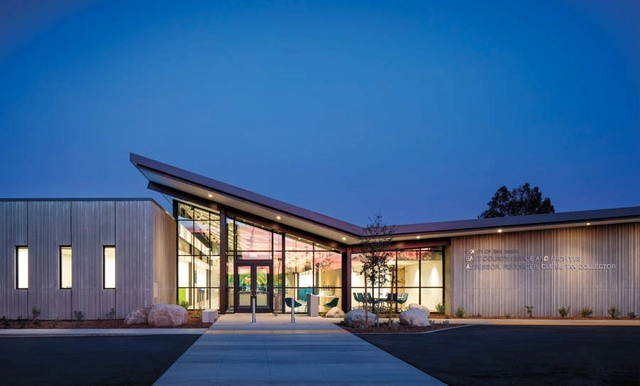
Back in February this year, the American architectural community was scandalised by a draft executive order from the White House threatening to make neoclassical or traditional regional styles compulsory for all new federal buildings. The initiative fails to recognise the specificity of the architectural expression and the innovation that stems from understanding the local context. Metropolis Magazine has gathered together several examples of civic architecture that succeed in expressing the needs and aspirations of their communities, thus building a compelling argument against a mandated, unified architectural expression.
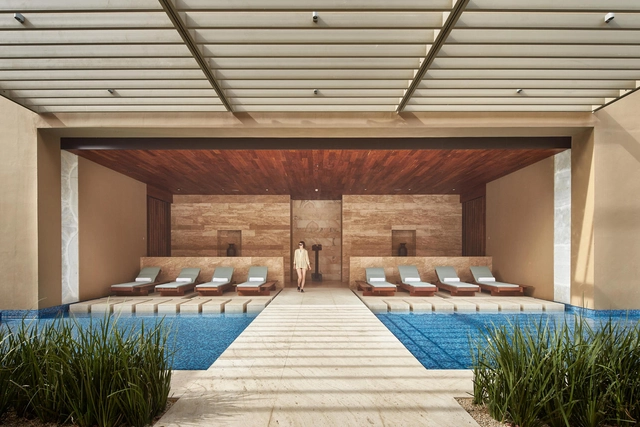
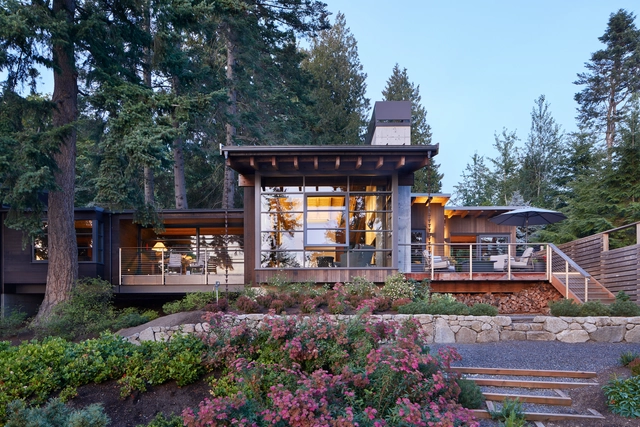
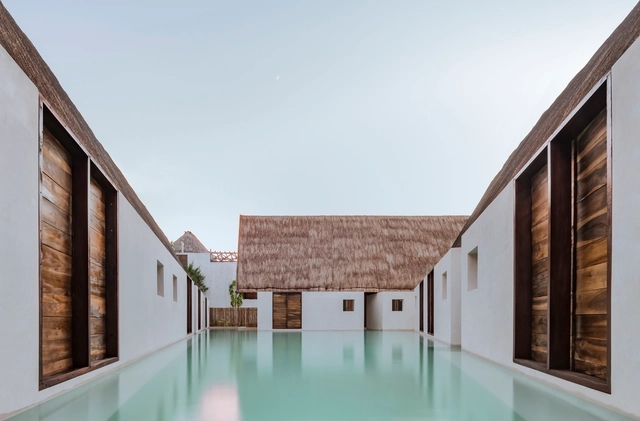
One of the most important factors in design is the site's specific climate. This can pose a challenge in extreme weather, where insulating materials are required to adapt to changing conditions. However, in the case of Mexico and its privileged climate, this factor works to the architects' advantage, allowing them to create microclimates and spaces that blur the transition between indoors and outdoors.
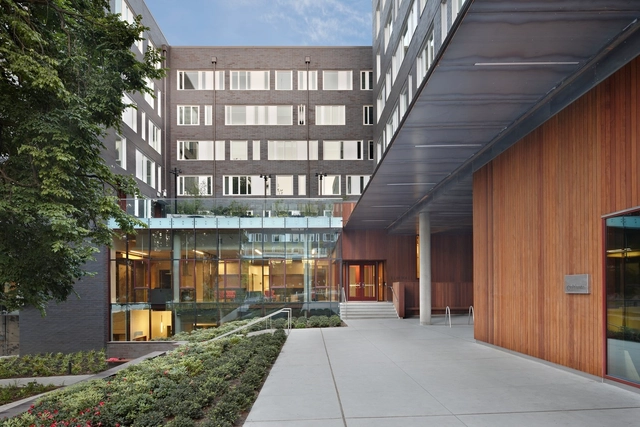
Podium construction – alternately known as platform or pedestal construction – is a building typology characterized by a horizontal division between a lower ‘podium’ and an upper tower. The podium, which is typically made of concrete or steel, is crowned by multiple light wood-frame stories. Often, the lighter upper structure contains four to five stories of residential units, while the podium houses retail, commercial, or office spaces and above- or below-grade parking. An alternative configuration sports six to seven residential stories (including the podium) and subterranean parking. Some visible examples of this podium construction style include the amenity-rich Stella residences designed by DesignArc; an attractive yet cost-effective student housing project for the University of Washington by Mahlum Architects; and the warm, modern University House Arena District also designed by Mahlum Architects in Eugene, Oregon.
https://www.archdaily.com/927592/putting-wood-on-a-pedestal-the-rise-of-mid-rise-podium-designLilly Cao
The purpose of architectural photography is to show a design in the best possible way, with the artform often characterized by perspective correction and atmospheric lighting. However, few architectural photographers have experimented with other artistic disciplines. Miguel de Guzmán, Paul Vu and Jules Couartou are among those who have challenged the limits of this form of photography, generating an interesting crossover between architecture photography, fashion and performances. In their images, the relationship between space and the user is shown through a scene designed to register an effect on the viewer. The results are images which are full of creativity.
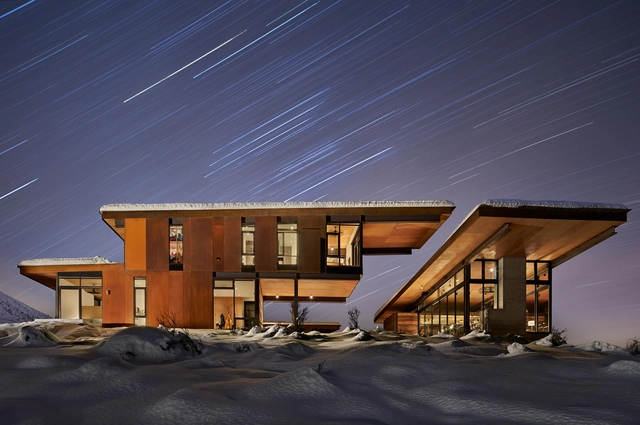
The American Institute of Architects has selected nine projects for its 2019 Institute Honor Awards for Architecture. The award program celebrates the best contemporary architecture and highlights the many ways buildings and spaces can improve lives. AIA’s five-member jury selects submissions that demonstrate design achievement, including a sense of place and purpose, ecology, environmental sustainability and history.











_Benjamin_Benschneider_04_10031_00_N100_high.jpg?1579813423&format=webp&width=230&height=230&crop=true)