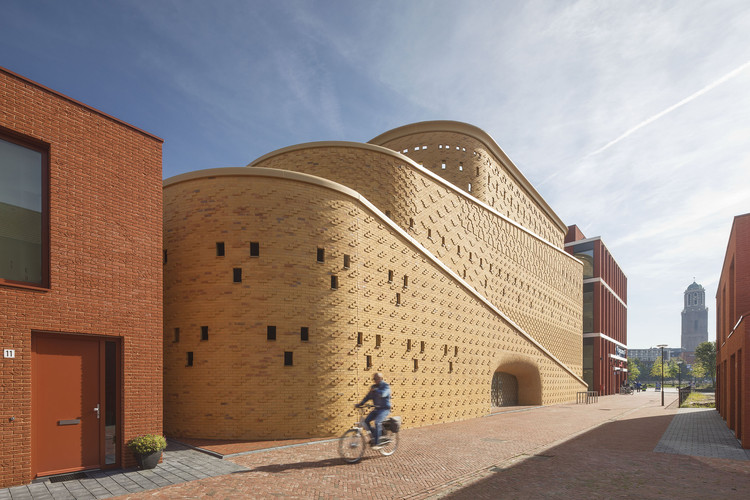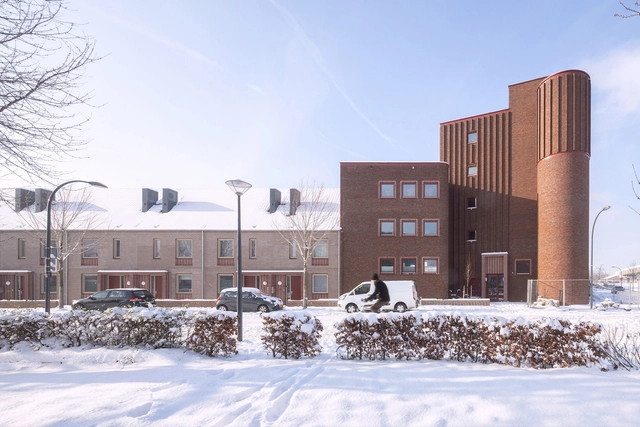


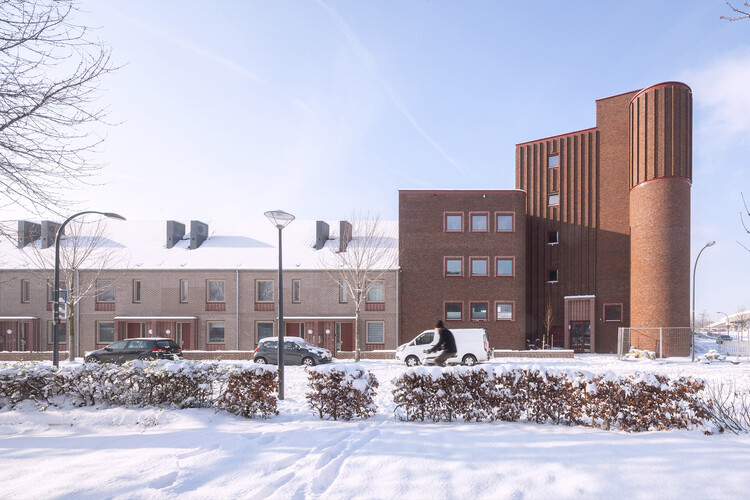
-
Architects: Martens Willems Architecten
- Area: 3425 m²
- Year: 2024
-
Manufacturers: FSB Franz Schneider Brakel, Forbo, Kegro, Mosa, Sikkens, +4
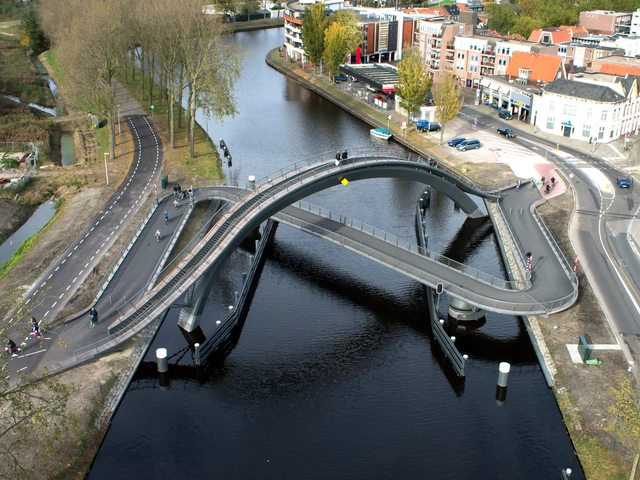
What does the future of cities and transportation look like? It looks like the future will run on two wheels and a handle bar. Many explain the rise of cyclists as a shift towards a healthier and more economical lifestyle. But while that may be true, why would individuals feel inclined to ride bicycles if the roads don't support it, or if there weren't adequate spaces to park?
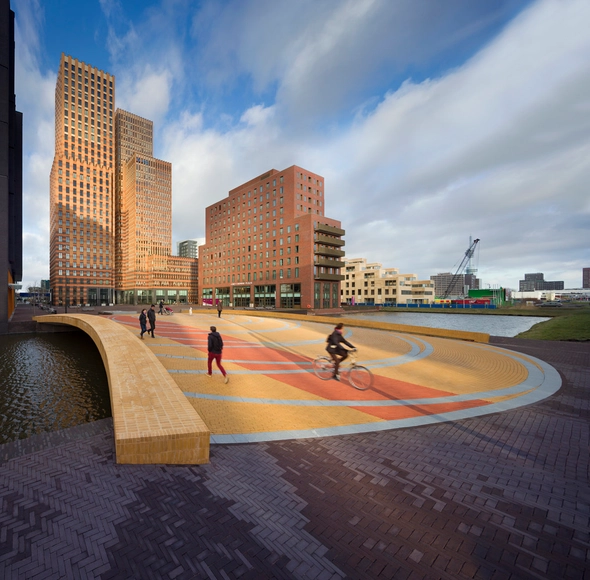
Architecture plays an important role in promoting the use of bicycles. Cities equipped with safe bicycle lanes, parking lots, and public bike facilities encourage citizens to refrain from using their cars, and opt for a much more sustainable means of transportation. Many have already began reshaping their urban infrastructure in a way that caters to bicycles, whether it is through bicycle bridges, widened cycling lanes, or permanent parking lots.


In December, the European Commission adopted several proposals that put the transport sector on track for a 90% reduction in carbon emissions, moving a step further in implementing the European Green Deal. The initiatives seek to increase rail transport, encouraging long-distance and cross-border rail travel, support the roll-out of charging points for electric vehicles and alternative refuelling infrastructure and further develop multimodality.