Andreas Widi

BROWSE ALL FROM THIS PHOTOGRAPHER HERE
↓

Architectural Heterotopias: Temporary Installations as Alternative Worlds

Audio available

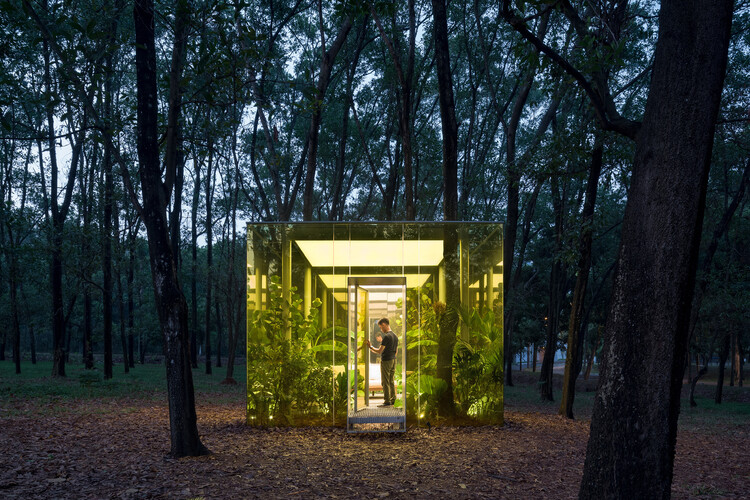
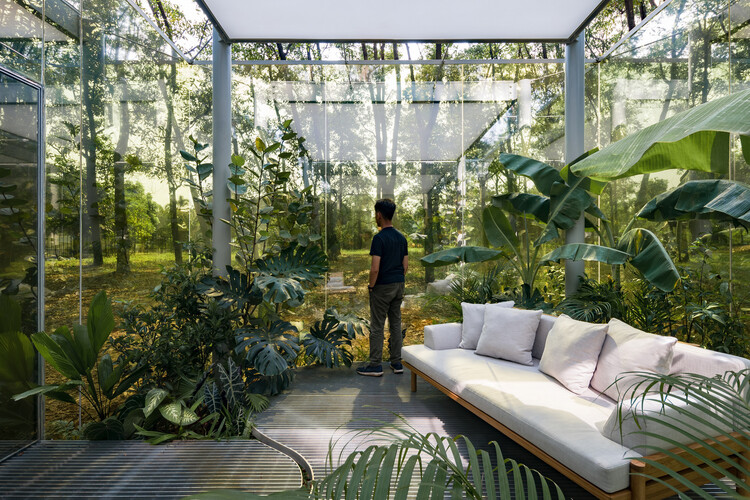
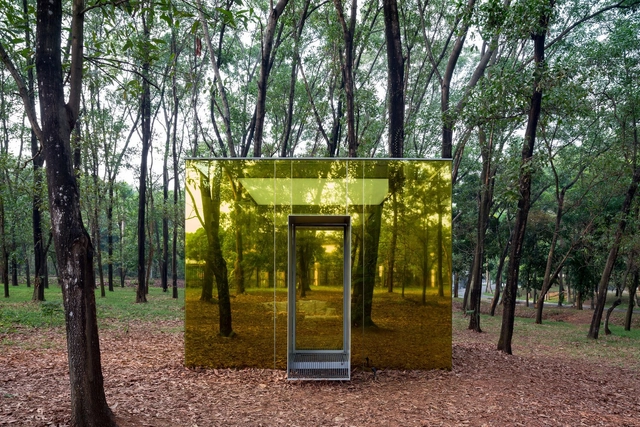
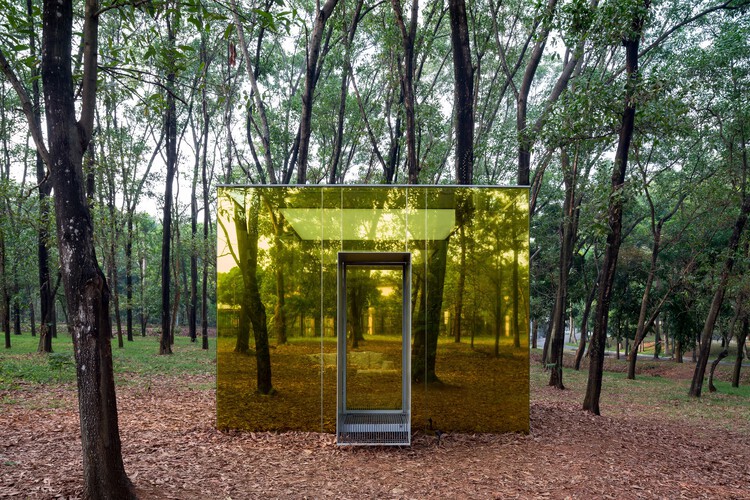
While complex, layered with meaning, and categorized into various forms, heterotopia, a concept developed by the philosopher Michel Foucault, can broadly be understood as the manifestation of alternative realities. Unlike utopias – idealized, unreachable non-places – heterotopias are tangible, real-world spaces that operate according to their own internal logic, offering a lived alternative to dominant spatial and cultural paradigms.

Escapism, in an architectural sense, is not merely about fleeing standard realities; it is a critical tool for reimagining them under different cultural, social, and environmental conditions. Temporary installations serve as fertile testing grounds for these spatial possibilities. Often framed as sanctuaries or refuges, these works intentionally detach from pre-conceived norms – whether by seeking a return to a primal way of living or by provoking radical perceptual shifts.

Architectural Heterotopias: Temporary Installations as Alternative Worlds - More Images+ 6

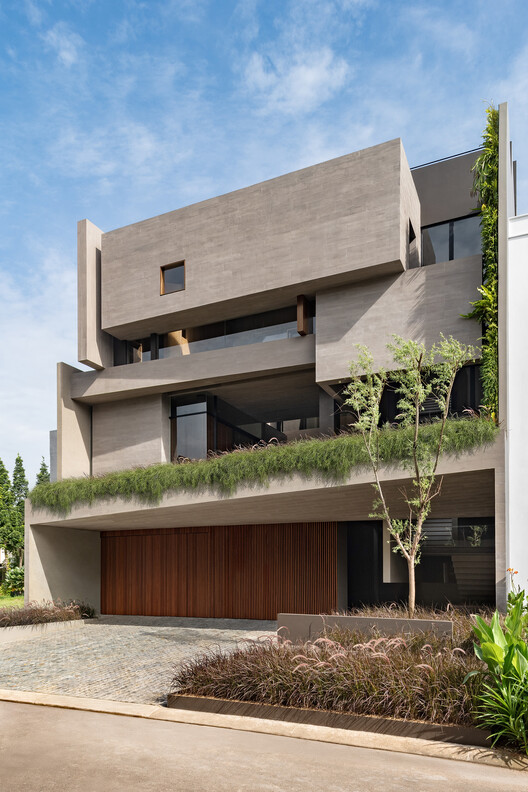
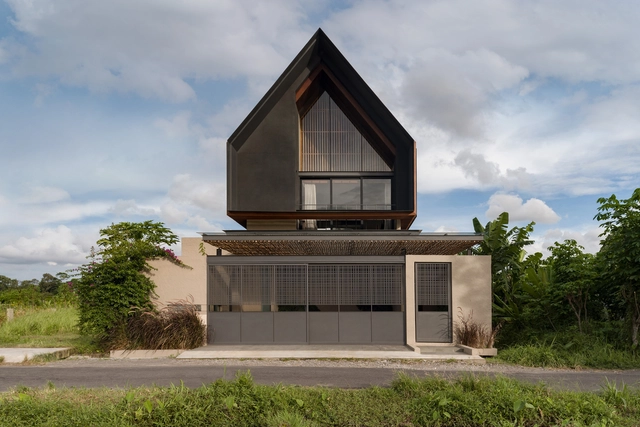
O4 House / studiokian

O4 House / studiokian - More Images+ 19

•
Kecamatan Serpong Utara, Indonesia
  • Architects: studiokian
  • Area Area of this architecture project Area:  500 m²
  • Year Completion year of this architecture project Year:  2026

Designing for Presence: When Architecture Invites Us to Stay

Audio available

Architecture is increasingly asked to do less, not more. In environments shaped by constant movement, noise, and expectation, spaces that allow people to stay, pause, and be present have become both rarer and more necessary. Many public and semi-public places are designed to keep people moving, consuming, or reacting, leaving little room for lingering, observation, or simply being without a reason.

In response, a growing body of work is shifting attention away from activation and toward presence. Rather than asking users to interact or participate, these spaces create conditions that support staying. Comfort, continuity, and openness allow people to remain without pressure or obligation, making presence a spatial quality rather than an activity.

Designing for Presence: When Architecture Invites Us to Stay - More Images+ 25

Room Installation / Tamara Wibowo Architects

Room Installation / Tamara Wibowo Architects - More Images+ 26

Soil and Sand Villa / axialstudio

Soil and Sand Villa / axialstudio - More Images+ 19

  • Architects: axialstudio
  • Area Area of this architecture project Area:  380 m²
  • Year Completion year of this architecture project Year:  2024