
Al Borde

BROWSE ALL FROM THIS PHOTOGRAPHER HERE

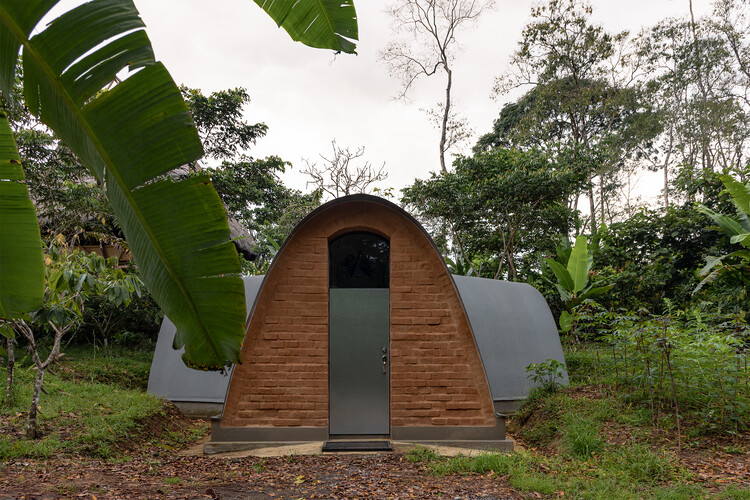
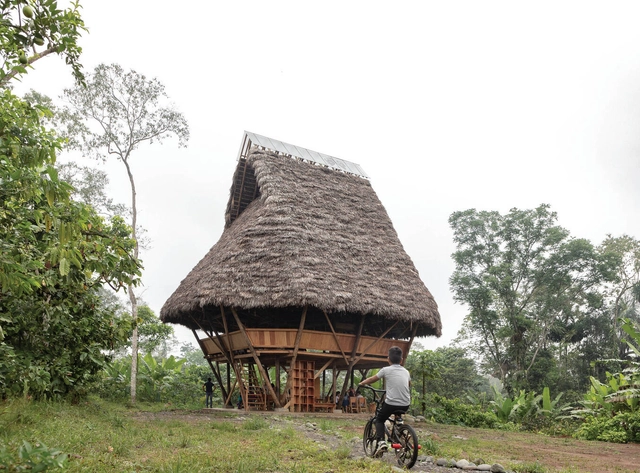
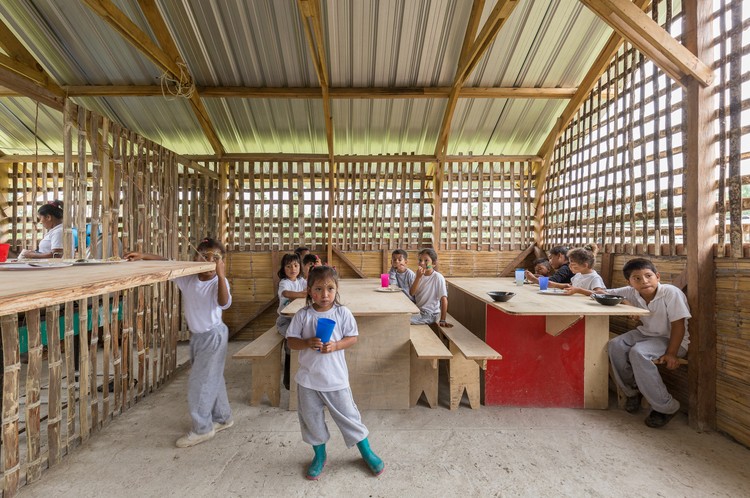
Witoca Laboratory / Al Borde

Witoca Laboratory / Al Borde - More Images+ 56

San Vicente de Huaticocha, Ecuador
  • Architects: Al Borde
  • Area Area of this architecture project Area:  46
  • Year Completion year of this architecture project Year:  2025

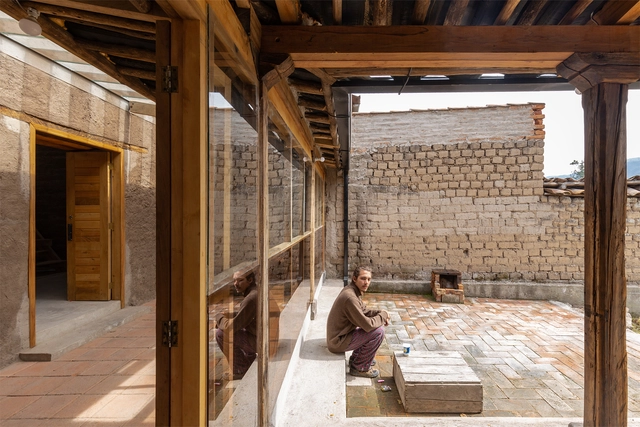
Building with Earth: Traditional Knowledge in Contemporary Architecture 

Subscriber Access | 

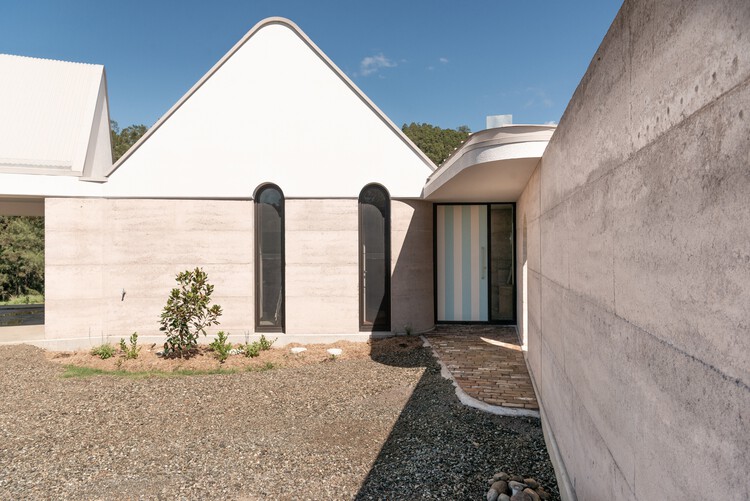
In recent years, earthen construction has gained renewed attention in architecture. Materials such as adobe, rammed earth, and compressed earth blocks, once mainly associated with vernacular traditions, are increasingly being explored by contemporary architects. Rather than representing a simple return to the past, this renewed interest reflects a broader reconsideration of how architecture engages with materials, local resources, and environmental conditions.

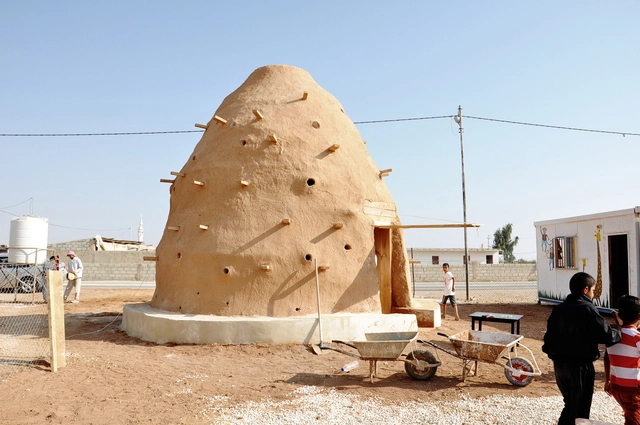
For centuries, building with earth was part of everyday construction across many regions of the world. Techniques such as adobe, rammed earth, cob, and other soil-based systems developed gradually through adaptation to climate, available resources, and local construction practices. These methods responded directly to environmental conditions while shaping cultural ways of building. This knowledge circulated through collective practices rather than formal architectural education, allowing techniques to evolve through continuous experimentation.

Building with Earth: Traditional Knowledge in Contemporary Architecture  - Image 1 of 4Building with Earth: Traditional Knowledge in Contemporary Architecture  - Image 2 of 4Building with Earth: Traditional Knowledge in Contemporary Architecture  - Image 3 of 4Building with Earth: Traditional Knowledge in Contemporary Architecture  - Image 4 of 4Building with Earth: Traditional Knowledge in Contemporary Architecture  - More Images+ 13

Vernacular Building and AI: Can Data Alone Bridge the Gap?

As artificial intelligence (AI) becomes increasingly embedded in society, it's essential to pause and reflect on the foundations that sustain it—and the dimensions to which it extends. At the heart of AI's learning are datasets, whose structure and content shape how these systems interpret and respond to the world. This reliance creates a deep interdependence—one that not only informs AI's capabilities but also defines its potential blind spots. In light of this, we must ask: What forms of understanding might this process exclude, especially those not easily captured in digital form?

Vernacular Building and AI: Can Data Alone Bridge the Gap? - More Images+ 15

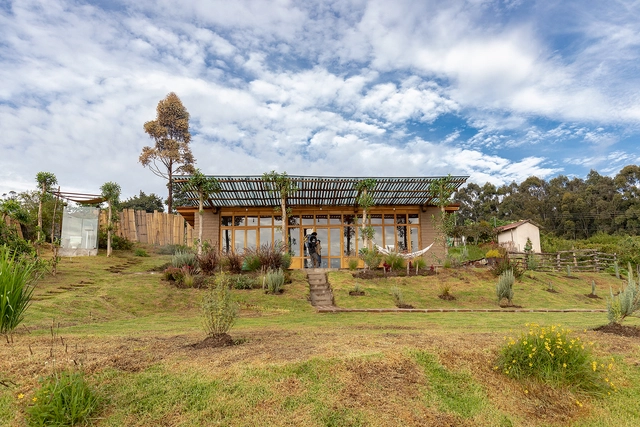
Garden House / Al Borde

Garden House / Al Borde - More Images+ 31

  • Architects: Al Borde
  • Year Completion year of this architecture project Year:  2020

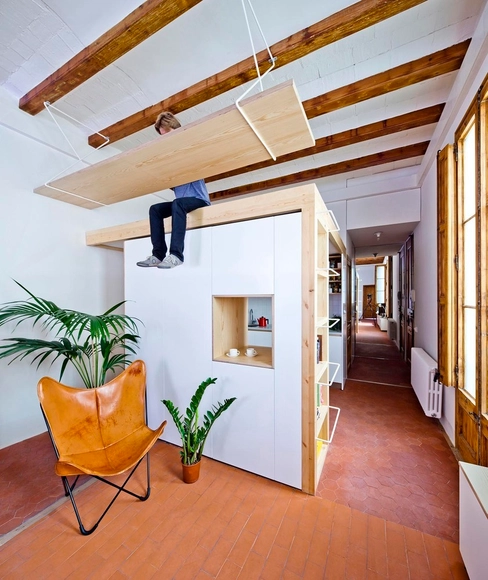
How To Take Advantage of High Ceilings in Renovations

The height of the ceiling of a space heavily influences our perception of it. Generally, local building codes regulate the minimum dimensions for ceiling height, which are calculated to ensure adequate quality of life in the environment. But the exact height of the ceilings is often defined by the dimensions of other materials that make up the building, the height of the constitutive slabs, or even by rounding the dimensions of the stair steps. It is common, with the densification of cities aimed at increasing profitability, for entrepreneurs to design with minimum ceiling heights in houses and offices, reducing construction costs. On the other hand, in older structures, more generous ceilings can be observed, which generally enable a greater degree of design freedom. But how can architects make the most of these spaces?