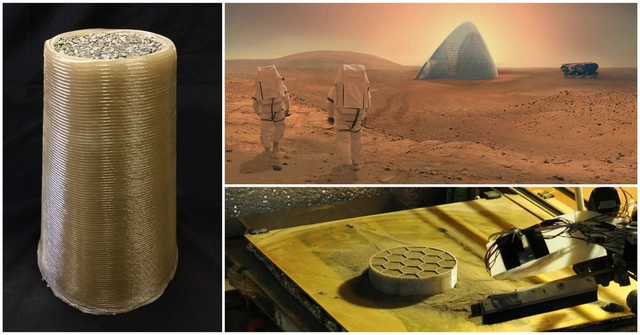
NASA has announced the completion of the initial printing stage of NASA’s 3D-Printed Habitat Challenge, awarding Foster + Partners | Branch Technology and the University of Alaska, Fairbanks as the two top-scoring teams from this round.
After Phase 1 of the competition (won by Clouds AO and SEArch) tasked architects and engineers from around the globe to imagine hypothetical concepts for the habitation of Mars, Phase 2 is challenging designers to manufacture actual, 3D-printed objects using techniques that could be employed to create shelters on a future mission to the red planet or beyond.
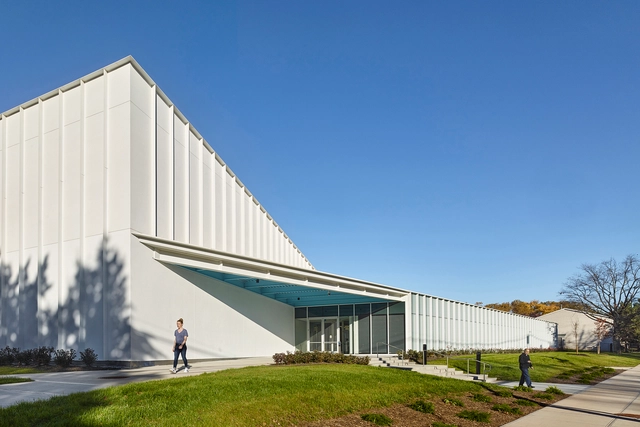
Foster + Partners has announced the groundbreaking of a new $1.5 billion hospital for the University of Pennsylvania’s West Philadelphia Penn Medicine campus. Working in a multi-firm collaboration called PennFirst (with healthcare design firm HDR, engineers BR+A and construction management teams from L.F. Driscoll and Balfour Beatty), the architects have designed a 16-story facility known as “The Pavilion” to house 500 private patient rooms, 47 operating rooms and a total of 1.5 million square feet of healthcare space.
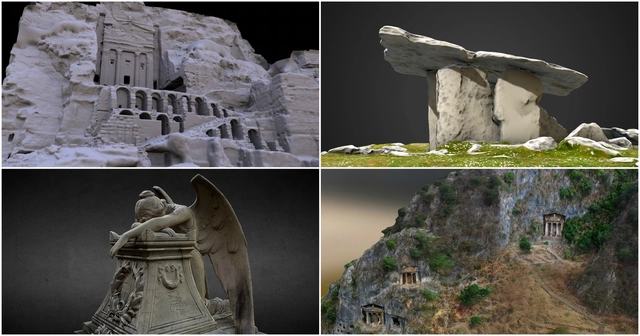
In most architecture projects, the input of the end user of the space is an important consideration; but what if those users are no longer living? Memorial architecture for the dead is a uniquely emotional type of design and often reveals much about a certain culture or group of people. Especially in the case of ancient tombs, archaeologists can learn about past societies’ customs and beliefs by examining their burial spaces. The personal nature of funerary spaces and monuments conveys a sense of importance and gravity to viewers and visitors, even centuries after the memorials were created.
The list of 3D models that follow, supplied by our friends at Sketchfab, explores memorial spaces and artifacts that span both space and time, representing a variety of cultures and civilizations.
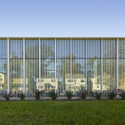
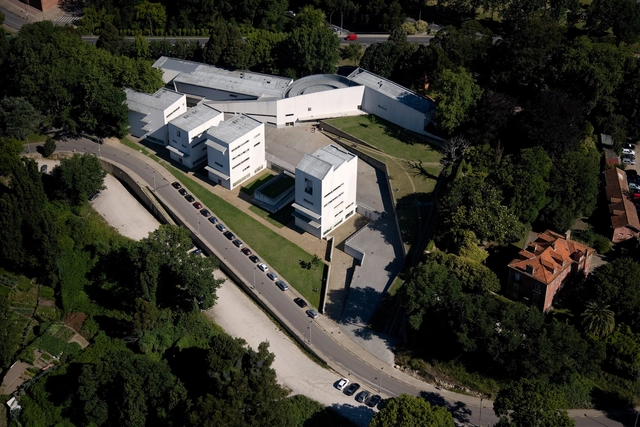
This week we present the Faculty of Architecture of the University of Porto through the lenses of Fernando Guerra. Here we share a complete series from the photographer of this iconic work, along with a brief text on the subject. The University of Porto plays a major role in the world's architectural landscape, always among the highest in rankings and boasting great architects like Eduardo Souto de Moura (Pritzker 2011), Fernando Távora and Álvaro Siza Vieira (Pritzker 1992).
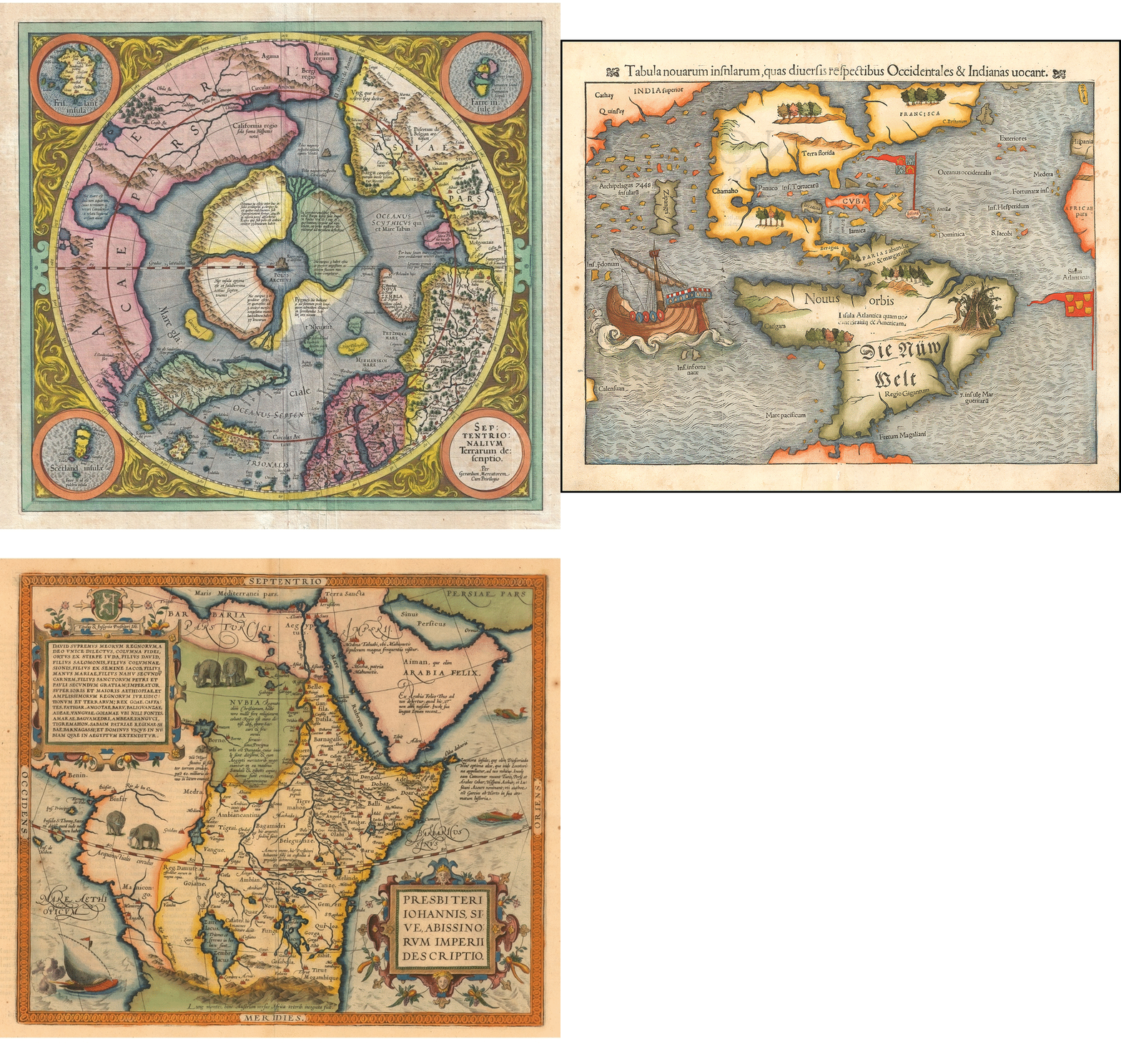
It's difficult to imagine an uncharted world. Today, GPS and satellite maps guide us around cities both familiar and new, while scanning and mapping techniques are gradually drawing the last air of mystery away our planet's remaining unexplored territories. At one time, however, cartography was based on little more than anecdotal evidence and a series of educated guesses. But map-making in the 16th and 17th Centuries was an art nonetheless, even if these examples testify to the fact that just because you're missing important facts, total fabrication may not be the best way forward.
https://www.archdaily.com/870609/these-maps-show-why-its-a-bad-idea-to-make-things-up-munster-ortelius-mercatorAD Editorial Team
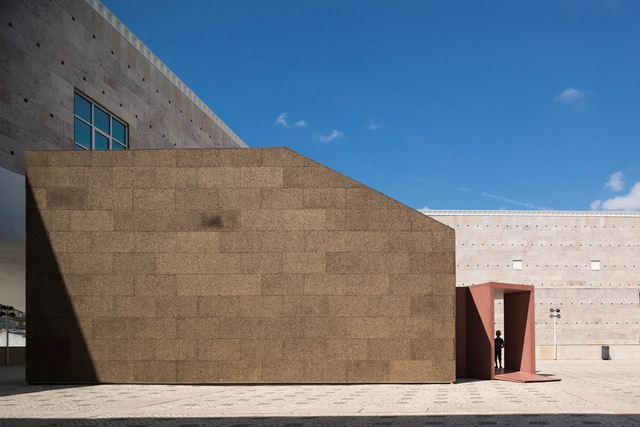
inShelter SB-Lab + Students 2017 Award Poster (credits: Green Lines Institute)
Green Lines Institute and the Corpo Nacional de Escutas (CNE), the major Scouts association in Portugal launched an International Competition open to Architecture students from all over the world.
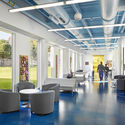
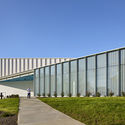
Steven Holl Architects' new Visual Arts Building at the University of Iowa, completed last fall, has already begun to make its impact on the school's social environment, pairing Art Building West (also designed by SHA, in 2006) to create a revitalized Arts Quad with public spaces the whole campus can enjoy.
These two videos give an in-depth look at the new building. In the video above, Steven Holl and Senior Partner Chris McVoy tour the school while providing commentary about their design process, as well as the history of the site and the building's construction. Also check out the video below to see all the spaces in action.