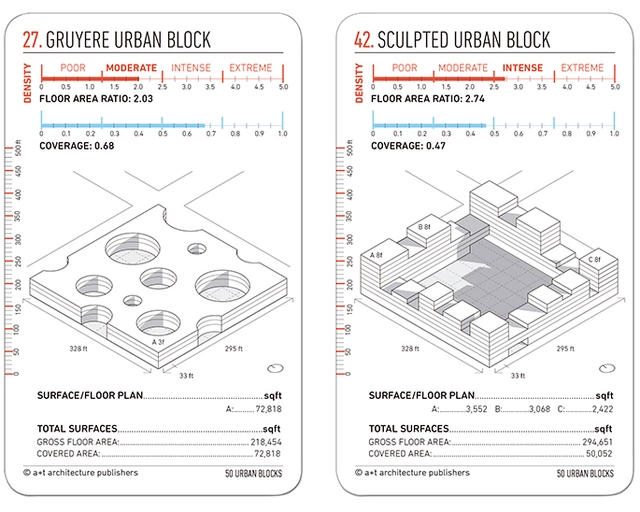
We know perfectly well that learning in architecture and urbanism can take on multiple forms. Just think of all the modeling, drawing, plans, theoretical classes, workshops, 3D models and even virtual reality exercises. In this same line, the team at a+t architecture publishers have put together a collection of cards that seek to facilitate the designing of an urban block with 50 design styles.
Each card measures 13 x 8 cm and is printed on both sides, with a version in English and Spanish. Also, each design includes its axonometric profile, general layout, shade patterns, use coefficient and total built space in both meters and feet.
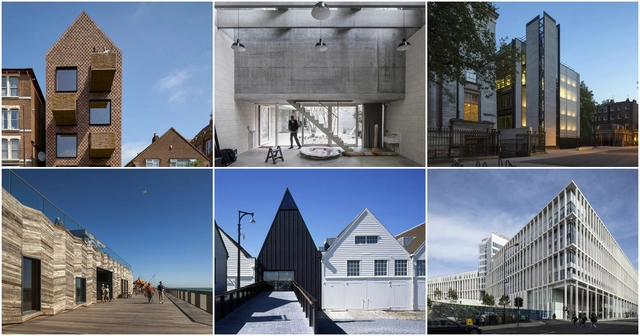
The 2017 winner of the UK’s most prestigious architecture award, the Stirling Prize, will be announced on October 31. Leading up to the main event, The Royal Institute of British Architects (RIBA) has released its list of the six shortlisted buildings, a collection that has left many critics scratching their heads. What the list left out seems to be as noteworthy as what was included, and while critics’ opinions on individual buildings differ, they seem mostly united in finding the overall list uninspiring and underwhelming. Read on to find out what they had to say.
Zaha Hadid Architects, collaborating with digital artists and computer science researchers Andy Lomas and Mubbasir Kapadia, have been selected to create a projection mapping light show at the 2017 Schlosslichtspiele Festival in Karlsruhe, Germany. Titled ‘Behaviour Morphe,’ the dynamic light display will be projected onto the city’s 18th century baroque palace, simulating how users move throughout and interact with the building’s interior spaces.
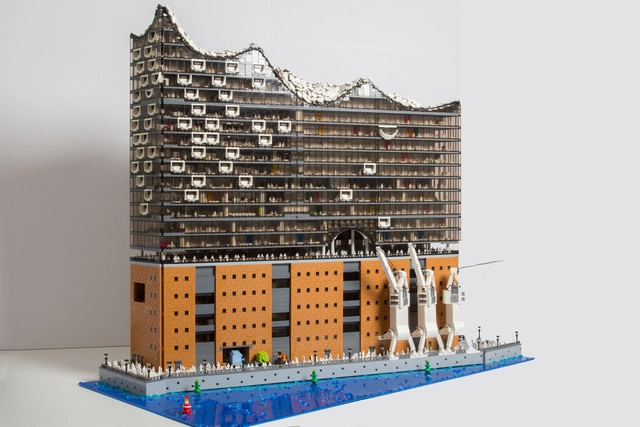
One of last year’s most long-awaited buildings may have just met its match in terms of complexity – and it comes in the form of its own LEGO replica.
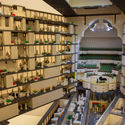
Created by LEGO sculptor Brick Monkey, the LEGO version of Herzog & de Meuron’s spectacular Elbphilharmonie was constructed from more than 20,000 individual LEGO pieces, featuring point perfect scaled versions of the concert hall’s signature features, including the building’s elevated public terrace, glass facade and sail like roof, made up of hundreds of precise umbrella shaped elements. But most impressively, the model can be opened in half to reveal a detailed recreation of the structure’s main concert hall.
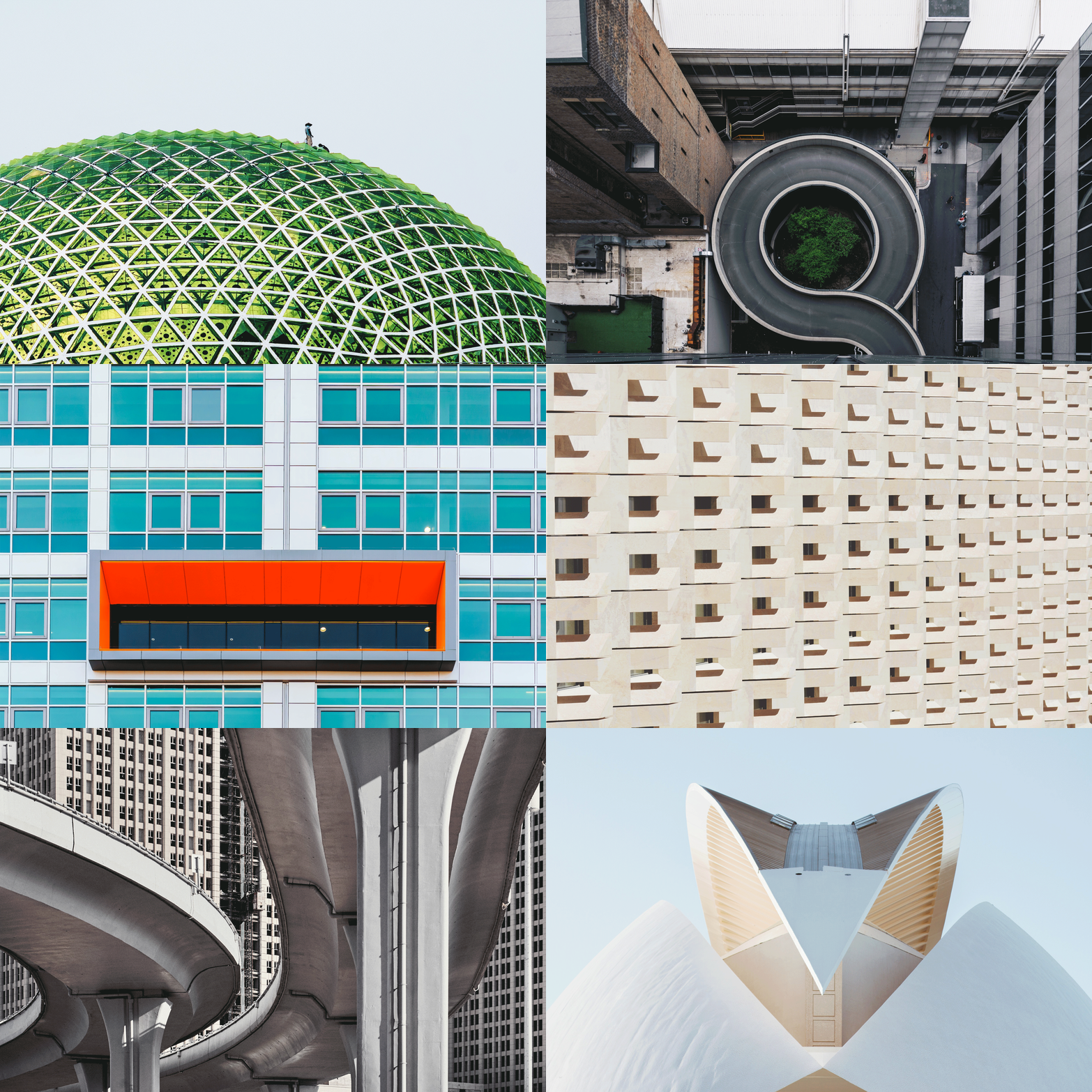
Global photography community EyeEm has announced the finalists of their 2017 Photography Awards. Free and open to photographers of all skill levels and backgrounds to submit through the EyeEm web platform and app, this year’s awards received more than 590,000 submissions from users around the world across five categories: The Architect, The Great Outdoors, The Photojournalist, The Portraitist, and The Street Photographer.
The architecture category alone received over 95,000 submissions, from which 20 images were selected by a jury of photographers and editors from institutions including National Geographic and the BBC. All of the finalist images will be displayed at the 2017 EyeEm Photography Festival & Awards in Berlin from September 15-17, where each of the category winners and Photographer of the Year will be announced.
Continue on to see the 20 finalists in the architecture category.
It’s always fascinating when architecture breaks the bounds of the profession and becomes a topic of debate in the wider profession. Fortunately, thanks to the internet, there is no shortage of such occasions: whether it’s the click-seeking cluster of articles that found a client for an improbable cliff-hanging design or the forums that suddenly decided that most modern architecture looks “evil,” the viral trend treadmill ensures that there are plenty of opportunities for the layperson to offer their two cents on the output of our profession.
The flavor of the summer of 2017 is Attika Architekten’s Emoticon Facade. This thoroughly sensible and polite building has caught the public’s attention thanks to its inclusion of emoji-shaped decorative additions. While most of the internet has responded with heart-eyes, there’s no shortage of people for whom these carved emojis are a clear indication that architecture, and by extension society, and by extension all of life as we know it, is doomed, never to recover. Such an opinion is legitimized by articles like this one in Wired by Sam Lubell, who in reporting on the building found two experts willing to take a big old smiley poop on Attika Architekten’s work. Given the role that these experts play in directing the conversation among the public, their arguments bear analysis.























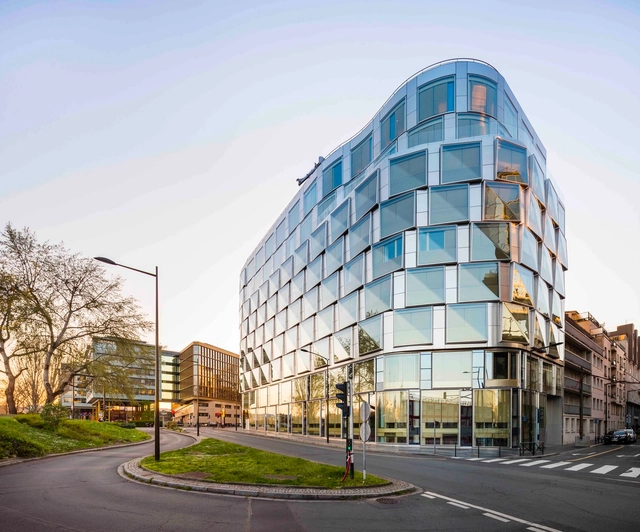
Stefan_Tuchila_12_K3_2010.jpg?1501073609 "© Stefan Tuchila")
Stefan_Tuchila_19_K3_1760.jpg?1501073772 "© Stefan Tuchila")



.jpg?1501130282&format=webp&width=640&height=580)