When development firm Blue Heron set out to create their one-of-kind residential showpiece, Vegas Modern 001, or VM001 for short, the goal was to stretch the boundaries of design and create an immersive experience that embraced both the natural and human-made worlds.
“We like to think about the home as being appropriate to our time and place, our culture and the technology that's available,” says Founder and CEO Tyler Jones. “And so there's an energy and spirit that comes from the city … so we're talking about digital media and this playful kind of vibe that we have in some big dramatic moments.”
Ma Yansong, principal partner of MAD Architects, have revealed his latest artwork "Flow" at the recently opened 8thEchigo-Tsumari Art Triennale. Taking place this summer in Japan, the installation reinvents part of the “Tunnel of Light” artwork that was completed back in 2018. Through a series of immersive platforms, the architects abstracted and captured the spirit of the Kiyotsu River, providing visitors with an immersive and dynamic spatial experience. The Triennale hopes to improve the local economy through art, and promote a more harmonious relationship between human and nature.
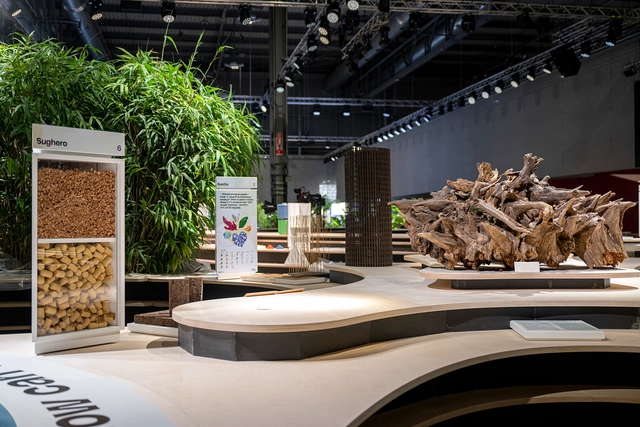
The 60th edition of the Salone del Mobile.Milano is taking place from 7th to 12th June 2022 at Rho Fiera Milano. This edition has been built collectively around fundamental trains of thought and work: the opportunities and responsibility of design, inclusion and environmental responsibility, demand for and the culture of design. It will serve as a showcase for the progress made by creatives, designers, brands, and companies.
"Indigenous technologies are not lost or forgotten, only hidden by the shadow of progress in the most remote places on Earth". In her book Lo-TEK: design by radical indigenism, Julia Watson proposes to revalue the techniques of construction, production, cultivation and extraction carried out by diverse remote populations who, generation after generation, have managed to keep alive ancestral cultural practices integrated with nature, with a low environmental cost and simple execution. While modern societies tried to conquer nature in the name of progress, these indigenous cultures worked in collaboration with nature, understanding ecosystems and species cycles to articulate their architecture into an integrated and symbiotically interconnected whole.
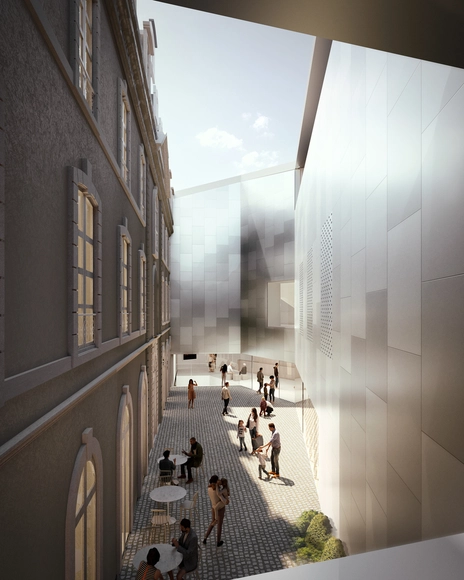
The jury's verdict for the competition for the new Museum of Fine Arts in the city of Vannes, Brittany, France, was recently revealed, and the winner of the first prize was the renowned Nieto Sobejano studio (based in Madrid and Berlin), with French architect Richard Faure as associate.
Upon becoming a sovereign country, free from British Rule, the people of India found themselves faced with questions they had never needed to answer before. Coming from different cultures and origins, the citizens began to wonder what post-independence India would stand for. The nation-builders now had the choice to carve out their own future, along with the responsibility to reclaim its identity - but what was India's identity? Was it the temples and huts of the indigenous folk, the lofty palaces of the Mughal era, or the debris of British rule? There began a search for a contemporary Indian sensibility that would carry the collective histories of citizens towards a future of hope.
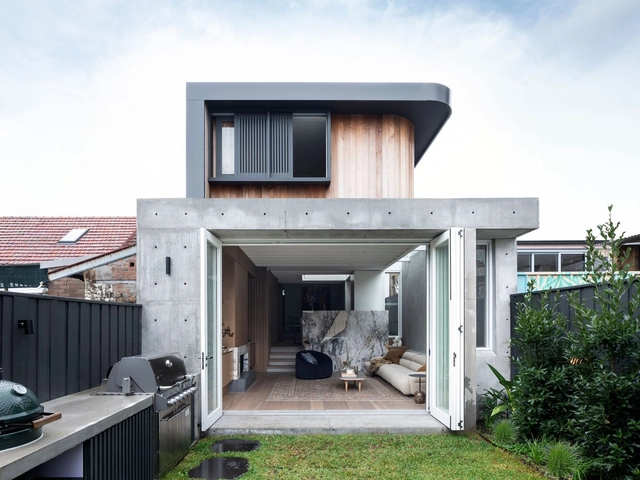
Charles Darwin's theory of natural selection sought to explain the origin and survival of species on the planet. In short, it points out that the fittest organism survives and can reproduce itself, perpetuating useful variations for each species in a given place. Adaptation is, therefore, a characteristic that favors the survival of individuals in a context. In the construction world, we could draw some parallels. Could adaptation be an important quality to increase the useful life and efficiency of a building over time, considering the changes and demands of society, as well as technologies and lifestyles?



.jpg?1654270304&format=webp&width=640&height=580)
.jpg?1654267729 "© Nacasa & Partner Inc.")
.jpg?1654267902 "© Osamu Nakamura")
.jpg?1654268521 "© MAD Architects")
.jpg?1654267426 "© Nacasa & Partner Inc.")
.jpg?1654270304)