The 27th World Congress of Architects UIA2021RIO will be a hybrid event, featuring virtual sessions starting in March, and in-person activities from July 18 to 22 in Rio de Janeiro, broadcast live online to congress participants worldwide.
The first UIA2021RIO World Architects Week, featuring digital content, will take place from March 22 to 25. During this week, the content will be free to access; afterward, it will only be available to registered Congress participants. The theme chosen to open UIA2021RIO in March is one of the most pressing global concerns today: social vulnerabilities and inequalities.
As previously explained in an earlier article, the concept of modulation in architecture refers to adapting a design to a defined module, whether based on a specific baseline measurement or the dimensions of a given building material.
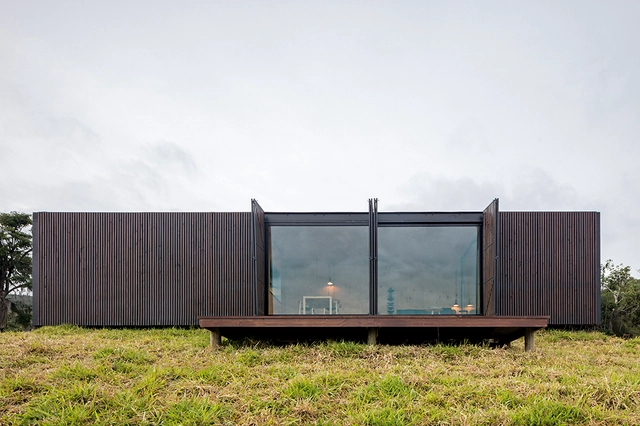
Closely linked to this concept, yet grounded in other definitions, modular construction relies on the study and planning of transportable prefabricated modules assembled on-site. Consequently, these structures are typically completed faster and more efficiently than traditional ones.
Currently, one of the most promising fields for design professionals is the planning of open, natural, and urbanized areas that shape the city’s landscape. The fragile balance of urban water systems and the social consequences of the global climate crisis are large-scale examples of how the lack of awareness regarding the importance of natural ecosystems impacts quality of life in cities. It is with this in mind that we must closely examine the role of landscape design and landscape architecture.
Urban resilience was put to the test as the pandemic swept quickly and drastically through cities. Limiting movement, contact, and access to public spaces was the most effective strategy for containing the virus. However, the city's infrastructure, compounded by a lack of emergency public policies, proved far from resilient. This vulnerability was exposed as a large portion of the population was forced to continue commuting long distances on public transit to work in essential services, and as the physical and mental health of residents suffered from a lack of access to safe spaces for physical activity—underscoring the city's precarious supply of public spaces.
In 1979, Rosalind Krauss published her classic article Sculpture in the Expanded Field in the journal October, in which she identifies a certain fraying of boundaries in the field of sculpture, “showing how the meaning of a cultural term can be extended to include almost anything” [1]. The critique, specifically directed at artistic work produced between the 1960s and 1970s, was used 26 years later, in 2005, as the foundation for the publication of Architecture’s Expanded Field by Anthony Vidler.
Considered an intangible cultural heritage by the State Council of Culture (CEC) of Alagoas, the sururu is a mollusk whose harvesting is the main source of income for several communities in the state. Around the Mundaú lagoon alone, in Maceió, five communities living below the poverty line produce approximately 300 tons of sururu shells annually—a massive amount of waste that previously had no use and ended up in the Alagoas capital's landfills.
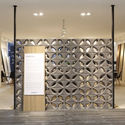
Recognizing its significant economic and social engagement potential, designers Marcelo Rosenbaum, Adriana Benguela, and Rodrigo Ambrósio developed the Cobogó da Mundaú project, which incorporates sururu harvesting waste into the manufacturing of architectural screen blocks.
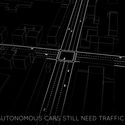
Anyone working as an urban planner or interested in urban issues has undoubtedly heard—extensively—about the "Smart Cities" movement. The premise is that there is nothing in cities that the use of data (especially "big data") or technology cannot solve. This has led to a series of claims about how we can address challenges as complex as housing, traffic, and inequality simply by creating more elaborate models based on big data or deploying new forms of technology.
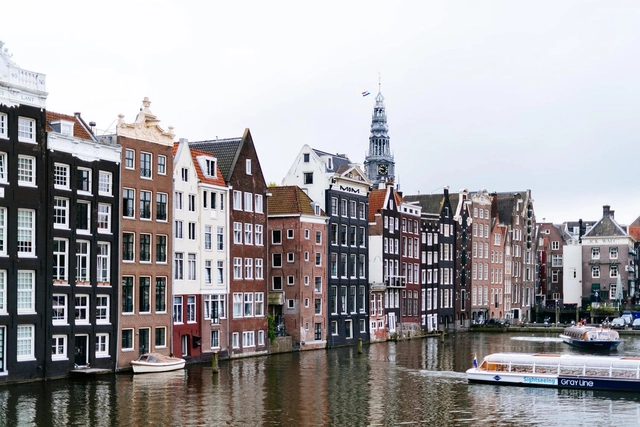
Amsterdam, Netherlands. Photo by Roman Kraft via Unsplash
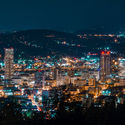
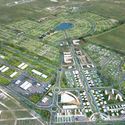
Anyone interested in urban policy will likely, at some point, come across the term “compact city.” This expression has become a staple of urban planning. Proposals associated with the concept favor denser development, with commerce and services close to residential areas, encouraging pedestrian, bicycle, and public transit mobility. Some European capitals, such as Copenhagen and Amsterdam, are often pointed to as examples of this model. Its counterpart is the sprawling city, where neighborhoods are predominantly residential, far from downtown, and require long commutes from home to work.
Two months and eleven days after the start of 2020, the World Health Organization (WHO) declared Covid-19 a pandemic. To contain the spreading threat, citizens and authorities had to devise collective strategies and alter their behavior. This battle between virus and humanity also called into question the very existence and preservation of one of humanity's most important creations: cities.
As the symbol of an environment defined by casual encounters among different people and diverse experiences, those governing urban areas were challenged to convince—and, in some cases, force—their populations to stay home as the primary measure to contain transmission.
https://www.archdaily.com/1128408/can-the-pandemic-scenario-lead-to-walkable-citiesLeticia Sabino e Louise Uchôa
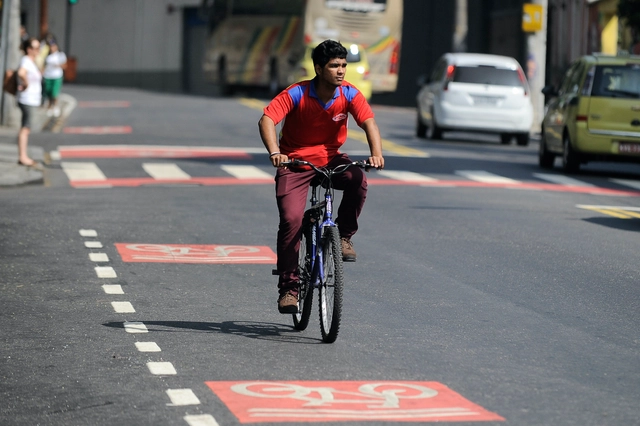
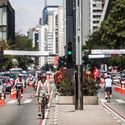
New section of the Cosme Velho-Laranjeiras bike lane, Rio de Janeiro. Photo: Tânia Rêgo/Agência Brasil
Sprawling urban footprints, high temperatures, rugged terrain, and a lack of safety. What are the pathways to promoting cycling as a mobility alternative in Brazilian cities? To explore this topic further, Caos Planejado hosts Glaucia Pereira, founder of Multiplicidade Mobilidade Urbana and a director and member of Cidadeapé, and Rosa Félix, a bicycle mobility researcher at the U-Shift laboratory.
The winners of the 3rd Tomie Ohtake Institute Leroy Merlin Design Award have been announced. The award ceremony, which was originally scheduled to take place in person at the Tomie Ohtake Institute alongside the exhibition of the projects, was held virtually for invited guests due to the novel coronavirus pandemic.
A total of 15 projects were selected from 213 entries representing 20 Brazilian states and the Federal District.
For the fifth time, we are giving our readers the responsibility of recognizing and awarding the projects that have made the greatest impact on the profession through the ArchDaily Brasil Building of the Year 2021 Award. By voting, you become part of an unbiased network of jurors recognizing the most relevant projects of the past year.
Over the next three weeks, the collective intelligence of our readers will filter through hundreds of projects from Portuguese-speaking countries – Brazil, Portugal, Mozambique, Angola, Guinea-Bissau, East Timor, Equatorial Guinea, Macau, Cape Verde, and São Tomé and Príncipe – published in 2020, selecting the best built works in the Portuguese-speaking world.
From hundreds of works published in 2020, readers will choose their favorites, with the 15 most-voted projects moving on to the second stage of the Award.
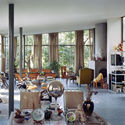
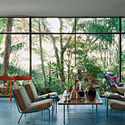
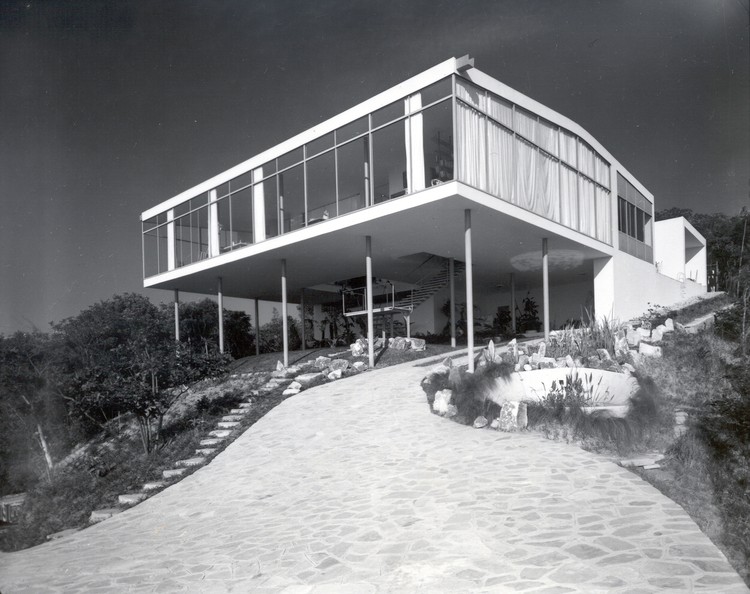
When we think of the residential designs of Italian architect Lina Bo Bardi, the immediate image that comes to mind is her private residence in São Paulo (1951)—more precisely, the image of its glazed social pavilion, captured from a low angle. This perspective further dramatizes the contrasting relationship between that light, suspended orthogonal volume and the steep natural slope of the terrain.
I would venture to say that no other work of Brazilian architecture is as well-known from a single photograph. This image, which has illustrated nearly every publication on the architect since the building's completion nearly 70 years ago, and which indeed justifies its famous moniker, the “Glass House,” exposes the unequivocal modern condition of this project—or, at least, the portion revealed by the angle of this celebrated photograph: a transparent, prismatic volume suspended on slender pillars set back from the edge of the floor slab and, consequently, free-standing within the elevated space.
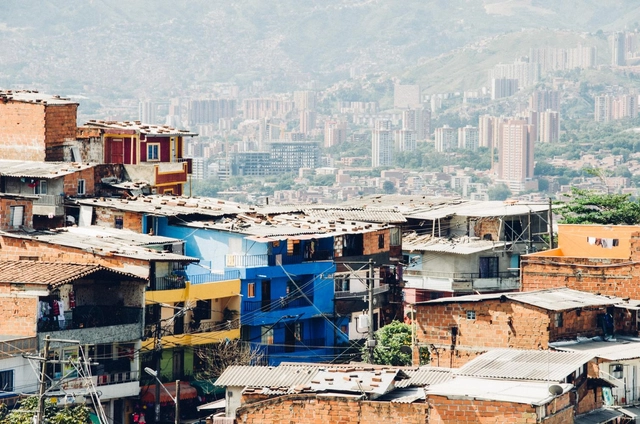
Medellín, Colombia. Photo by Milo Miloezger via Unsplash
According to architect Alejandro Echeverri, Medellín has successfully promoted the idea that it has undergone a process of profound inclusion and urban transformation. Every year, the city receives countless visitors who, according to the Colombian architect, seem more convinced than the residents themselves that the city has found answers to its socio-spatial challenges. Working with the National University of Colombia and families affected by the armed conflict between late 2014 and early 2016, I observed the nuances between the progress the city achieved through direct intervention in vulnerable territories and the challenges that persist alongside rising socioeconomic inequality.
How do you explain the importance of hiring an architect to the general public? In the thirteenth episode of Betoneira, the guest is Stephanie Ribeiro, who shares how she tackled this challenge when given the opportunity to host the show Decore-seon GNT. The conversation revolves around the hits and misses of communication between architects and clients.
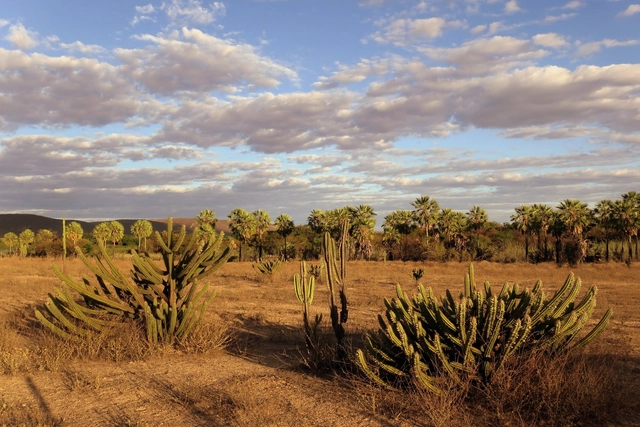
Photo by A. Duarte, via VisualHunt.com / CC BY-SA. ImageCerrado, the third most biodiverse flora biome in the country
With nearly fifty thousand plant species—over half of which are endemic, meaning they only occur naturally here—Brazilian flora is among the most diverse and richest in the world. This data is featured in the country's largest and most comprehensive virtual botanical library, Flora do Brasil 2020, developed by the Rio de Janeiro Botanical Garden.
The word heritage (or patrimônio in Portuguese) comes from the Latin “patrimonium”, a combination of the words pater (father) and monium (a suffix indicating condition, state, or action). This etymology reveals the term's connection to the concept of inheritance—that which is passed down from generation to generation.
Once understood as an individual and private concept, over time – more precisely during the interwar period –, the concept of heritage acquired a broader scope, eventually being applied to various fields.
Kubuswoningen, designed by Piet Blom in Rotterdam, Netherlands (1984). Photo by Nicole Baster, via Unsplash
With one of the best higher education systems in the world, the Netherlands offers annual scholarships for Brazilians through the Orange Tulip Scholarships program. Applications for the 2021/2022 academic year are now open for undergraduate, postgraduate, or MBA students.
More than 20 Dutch universities participate in the program, offering scholarship options for courses in the fields of Arts, Biological Sciences, Health, Exact Sciences, Technology, and Humanities, including some focused on architecture and urban planning – all taught in English.
The technical assistance law is a planning and legal transformation tool that could bring the practice of architecture and urbanism closer to the people and places where its absence is most felt: in neighborhoods within vulnerable territories. In doing so, it would help provide access to decent housing and guide best practices to ensure resources are used effectively and precisely. To discuss the subject, Arquicast speaks with Coletivo Arquitetos da Favela and ATOS Colaborativos.
The Indigenous Peoples Memorial was conceived as an integral part of the revitalization project for Parque das Hortênsias, a former zoo in Taboão da Serra. The timber-structured pavilion pays homage to the indigenous architectures and cultures of Brazil through their organic ways of settling, caring, being, and existing.
In 2016, by mayoral decree, the park ceased to function as a zoo, and its animals were carefully relocated. The Municipal Government then designated that in 2019 this 48,000-square-meter public facility—featuring lush forest, natural springs, and water bodies—would undergo a meticulous revitalization process.
https://www.archdaily.com/1128016/indigenous-peoples-memorial-in-hortensias-park-a-space-of-reclamation-connection-and-learningTalitha Nogueira e Andréa Muscat
The University Council of the São Paulo State University (Unesp) has decided to award the title of Doctor Honoris Causa to Adélia Borges, a curator, journalist, and critic active in the field of design. The initiative for awarding the degree came from the Department of Design at the Faculty of Architecture, Arts and Communication (FAAC) on the Bauru campus. In its justification, the Council stated that the title was awarded “for her work as a critic and curator with a significant contribution to the research, dissemination, and promotion of Brazilian Design on both the national and international stages, demonstrating deep knowledge of the field and a broad socio-political and cultural vision.” The official ceremony will take place on March 8, 2021, International Women's Day, at 2:30 PM, and will be broadcast on the TV Unesp YouTube channel.
In the words of Eduardo Costa and Sonia Milani, this architect “has established himself as an architectural photographer and is today, without a doubt, one of the few who can translate the words, drawings, and concepts of architects into images, particularly those with whom he shares the same ideas.” This time, Arquicast brings us the extensive experience of architect and photographer Nelson Kon in a conversation of rare honesty and deep insight into the personal experiences of this great Brazilian artist. An architect who is also dedicated to photography, as well as an admirer of Nelson's work, Manuel Sá joins the conversation, helping us understand what makes Nelson Kon a point of reference for different generations of architects and photographers worldwide.
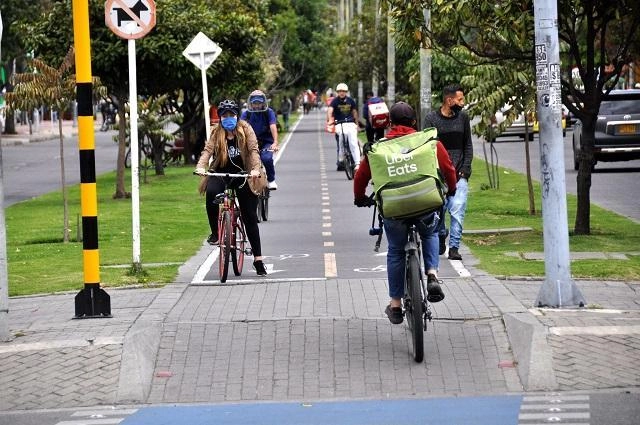
Not all pandemic-response bike lanes are built equal. Photo: Carlos Felipe Pardo/Flickr
When the Covid-19 pandemic broke out, concerns over virus transmission on public transit prompted many to opt for alternative mobility options—chiefly, cycling. Bicycles gained popularity for both recreation and transport, a trend especially evident in the United States, Mexico, Colombia, Germany, and France. In France, Germany, and the United States, the weekly average of bicycle use increased by 4%, 7%, and 20% respectively compared to 2019 figures.
https://www.archdaily.com/1127898/from-emergency-to-permanent-transforming-cycling-infrastructure-beyond-the-pandemicCamilla Zanetti, Alejandro Schwedhelm e Claudia Adriazola-Steil
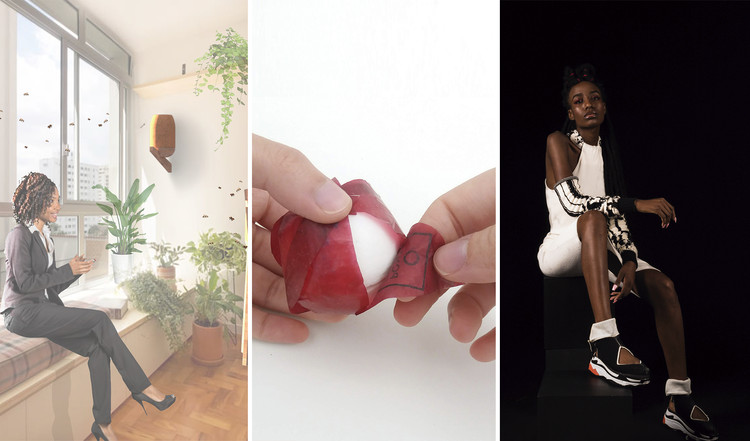
International Women's Day has been celebrated worldwide since it was officially recognized by the UN in the 1970s. Broadly speaking, this date symbolizes our historical struggle as women to achieve equality with men.
In the spirit of these celebrations, as a woman and an architect, I wanted to present an overview of women's professional trajectory in architecture—particularly in Brazil—highlighting the discrepancies that persist in the field to reinforce the struggle that International Women's Day represents. This is both a call to action and a personal reflection, as well as an appeal for collaboration, urging everyone to recognize their own position and, above all, our place as women in shaping our country's architectural landscape.




.jpg?1614091577&format=webp&width=640&height=580)

.jpg?1614091577)