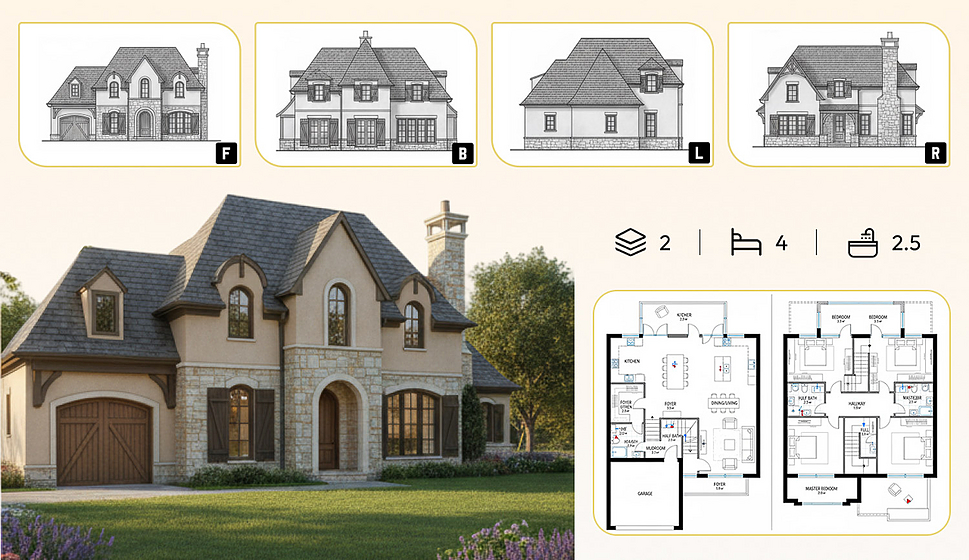
This guide covers a workflow that moves from project parameters to generated floor plans, 3D perspective views, exterior design exploration, and site context visualization, using AI tools in place of preliminary CAD and rendering work.
This guide covers a workflow that moves from project parameters to generated floor plans, 3D perspective views, exterior design exploration, and site context visualization, using AI tools in place of preliminary CAD and rendering work.
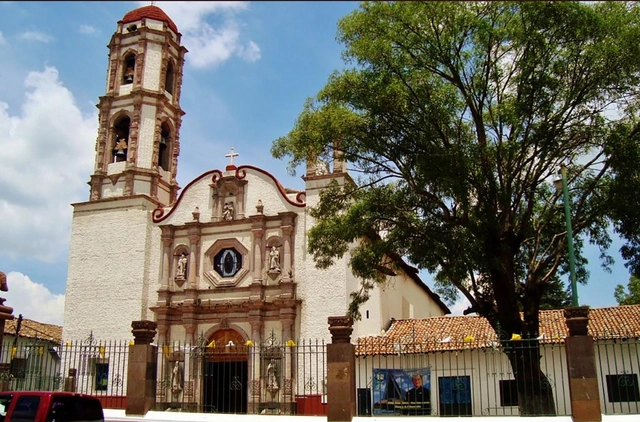
The Latin American Coordinator of Architecture Students (CLEA Latinoamérica) has confirmed on social media that the 2020 edition of the Latin American Social Workshop (TSL) will be held in San Felipe del Progreso, Mexico.
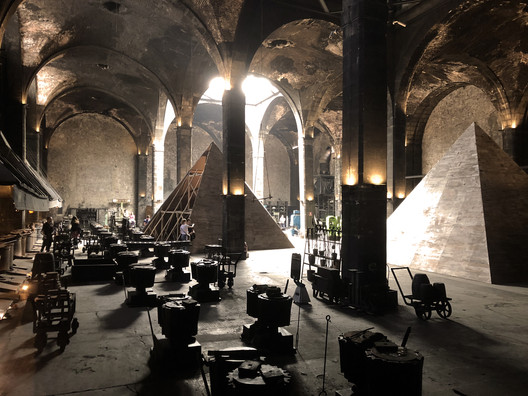
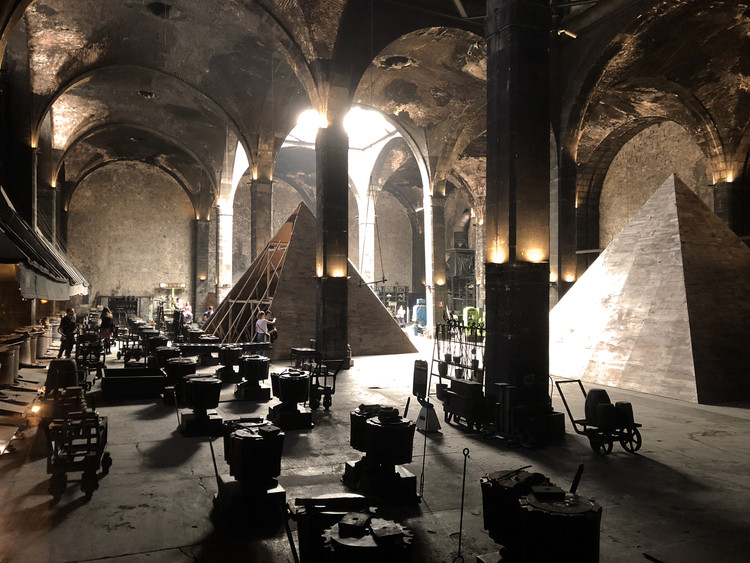
As part of the exhibitions featured in the 2019 Abierto Mexicano de Diseño, the firm Dellekamp / Schleich presented the installation Dicotomías del Poder at the Museo Numismático Nacional in Mexico City. The exhibition runs from October 9 to November 17, Tuesday through Sunday, from 10:00 AM to 4:00 PM.
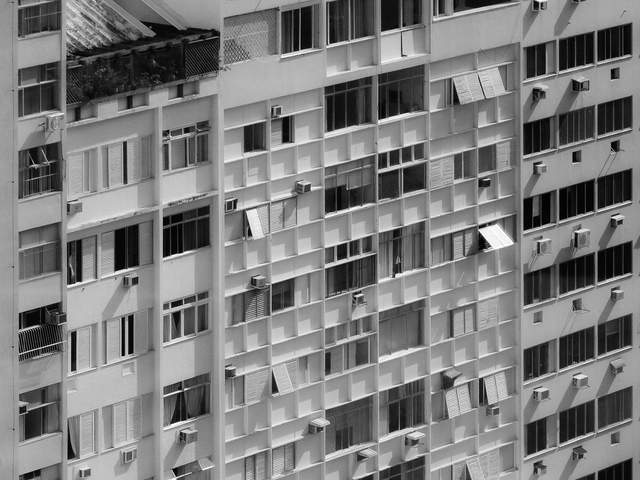
In the new Urban and Building Code of the City of Buenos Aires, approved by the Legislature in late 2018, new strategies are presented for the city's planned growth and densification. One of the code's most notable elements, which this article reflects upon, enables the development of apartments with a new minimum floor area established at 21 square meters. The supposed affordability of these minimum micro-units seeks, under a political agenda, to double the urban population in the near future, betting on a densification that would increase the city's population from 3 million to 6 million inhabitants.

Colombian practices Urbanittá and Lumaa have been awarded first place in the competition to design the Comfamiliar recreation park in Huila, Colombia.
This initiative is part of the organization's mission to expand its recreational services in the southern region of the department. The project entails the construction of a recreation center in Pitalito, strategically located near major cultural and tourist attractions, including the Tatacoa Desert and the San Agustín, Alto de los Ídolos, and Alto de las Piedras archaeological parks.
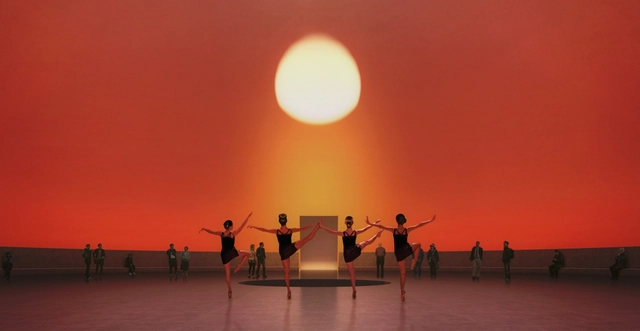
As part of the Museo Jumex’s fall programming in Mexico City, internationally acclaimed artist James Turrell will illuminate two of its galleries with immersive installations from his new body of work—one of the most significant series of his career—which engages viewers with the limits of human perception. These two installations will offer contrasting experiences, transforming the spaces to blur the boundaries of the horizon in both light and darkness.
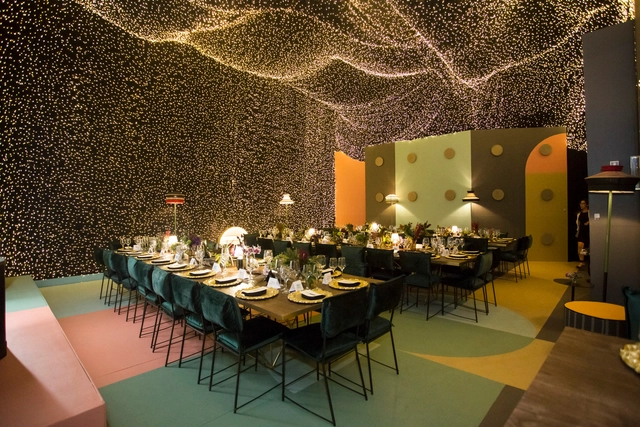
As part of Design Week Mexico 2019, Diez Company opened Maison Diez Company to the public. Led by Rodrigo Fernández, this dedicated design and lighting project brings together various elements to create an environment centered on illumination. This unique project in Mexico returns with a renewed concept, showcasing new proposals in a house in the Juárez neighborhood, aimed at those who enjoy architecture, design, hospitality, and construction.
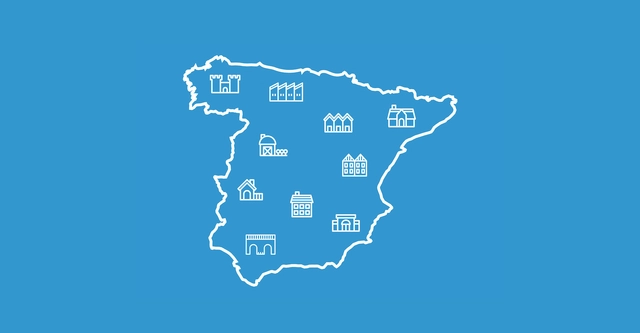
Beyond its vast and diverse geography, the Iberian Peninsula is a map of architectural examples that have successfully adapted by reinterpreting materials, technical methods, and human needs.
In this regard, vernacular architecture in Spain—referring specifically to traditional dwellings—might not be as robust today as in its heyday; nevertheless, numerous examples still stand, some even continuing to serve as viable living spaces.
Below is a selection of the most representative traditional houses across Spain's diverse regions, offering a journey through the territory to inspire new architectural perspectives.
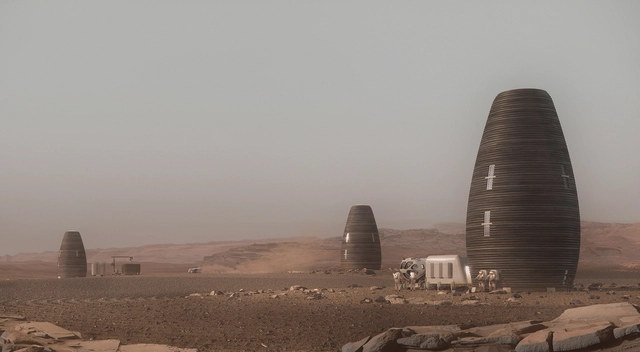
Open House Madrid has announced the winners of the 2019 City Awards, a new accolade highlighting the most innovative, socially engaged, and committed proposals shaping the future of cities. According to its founders, "these awards recognize both innovation and design as essential factors in improving citizens' quality of life, aiming to foster a culture of design and innovation in Spain."
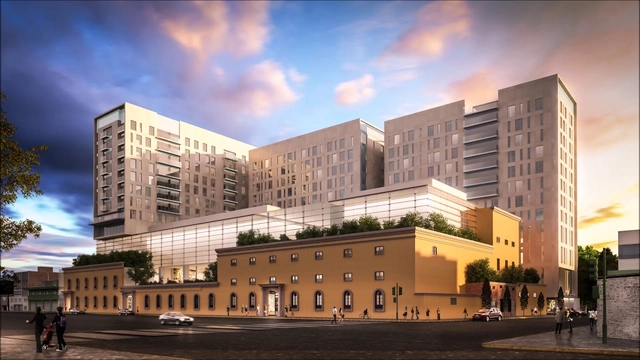
Paseo Molino is a new complex—comprising residential and corporate towers alongside a commercial zone—set to open soon at the Antiguo Molino de La Unión in Toluca, State of Mexico, a site with over 220 years of history. Designed by architect Samuel Chávez, the project involved restoring the historic structure using traditional construction techniques, including adobe, masonry, and reclaimed antique timber.

The Bubble Creation is a collection presented by Herman Miller at the MAIA gallery, located in Mexico City's Roma neighborhood. The exhibition brought together 14 Nelson Bubble Lamps—one of the brand's most recognized products—reimagined by Mexican architects, designers, and interior designers.
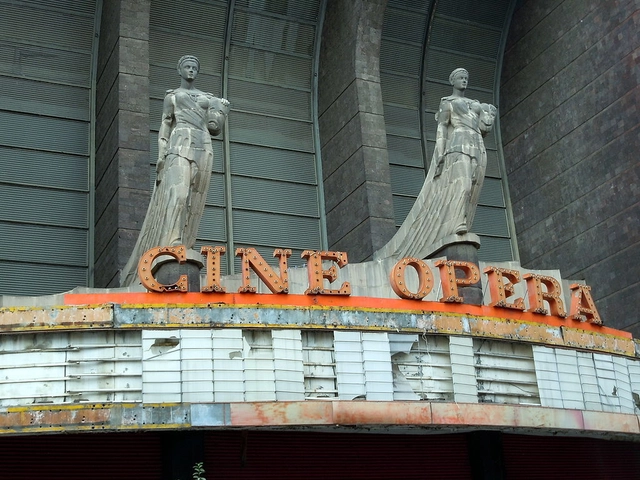
The history of Cine Ópera dates back to 1949, when the iconic venue—designed by architect Félix T. Nuncio with interiors by set designer Manuel Fontanals—held its first screening, quickly becoming one of Mexico City's most popular movie theaters. Located at 9 Serapio Rendón Street in the San Rafael neighborhood, the Art Deco building features a facade framed by a large window with two stone-carved sculptures depicting the comedy and tragedy masks.
_07.jpg?1577130518&format=webp&width=640&height=580)
Antonio Lamela's Torres Colón is "an unprotected Madrid icon set to change completely." The twin buildings by the Spanish architect—who also designed the renovation of the Santiago Bernabéu stadium and Terminal 4 of the Madrid-Barajas Airport alongside Richard Rogers—will undergo a renovation that adds four new floors and a new facade by 2022.

In 2018, Chilean researchers Teodoro Dannemann, Boris Sotomayor-Gómez, and Horacio Samaniego published the results of a study in Royal Society Open Science that, by anonymously tracking the "footprint" of 350,000 mobile phones during working hours, visualized urban segregation in Santiago.
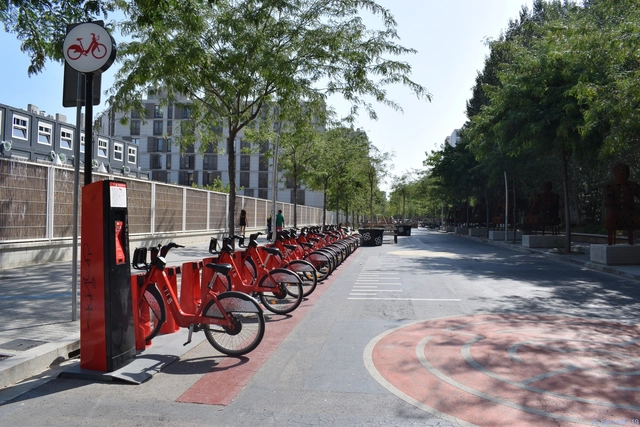
CityMakers is working with ArchDaily to publish a series of articles, conversations, and interviews with the different actors in the co-production of cities behind the Barcelona CityMakers Lab 2019, an event taking place from October 14 to 20.
On this occasion, we feature Salvador Rueda, director of the Urban Ecology Agency of Barcelona, who will give a Masterclass at the Barcelona CityMakers Lab 2019, addressing the challenges of implementing Barcelona's Sustainable Urban Mobility Plan based on "Superblocks".
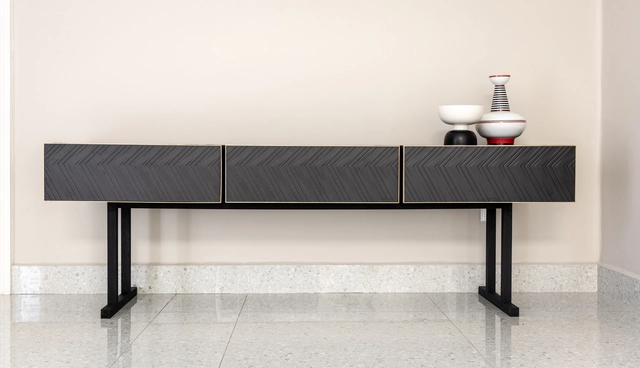
On August 8, as part of Expo Arte-Objeto—an exhibition commemorating the 60th anniversary of Llano de la Torre— Firenze invited architect Ricardo Casas to reinterpret the use of porcelain tiles with playful, exclusive designs.
.jpg?1566510800&format=webp&width=640&height=580)
Inspired by the successful Tejiendo la Calle initiative—winner of the Design and Citizen Participation Award at the 2016 Ibero-American Design Biennial—Supertrama is a public art program in the autonomous community of Extremadura, Spain, focused on rural areas. In municipalities with fewer than 5,000 inhabitants, residents collaborate with architects, artists, and other creative professionals interested in public art to transform their local public spaces.

The University of Navarra presents three Master's programs for 2019: the Master's Degree in Architectural Theory and Design (MtDA), the Master's Degree in Environmental Design and Building Management (MDGAE), and the Master's Degree in Architecture (MUA). These in-person programs will be taught at the university's Pamplona, Madrid, and Bilbao campuses starting in September of this year. Explore more details below.
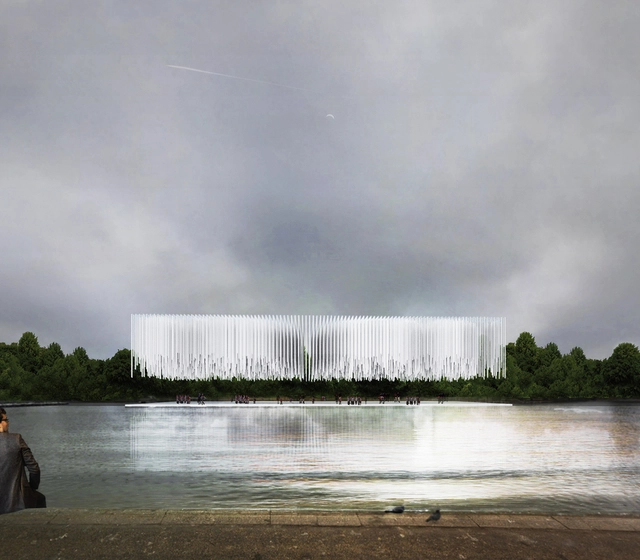
After receiving 94 proposals from 29 different countries, the Hyde Park Music Pavilion (HPMP) international ideas competition, organized by arquideas, has announced the winning projects. Hyde Park is one of the largest parks in London, England, and one of the city's nine Royal Parks, three of which form a chain from the entrance of Kensington Palace, through Kensington Gardens and Hyde Park, to Buckingham Palace.
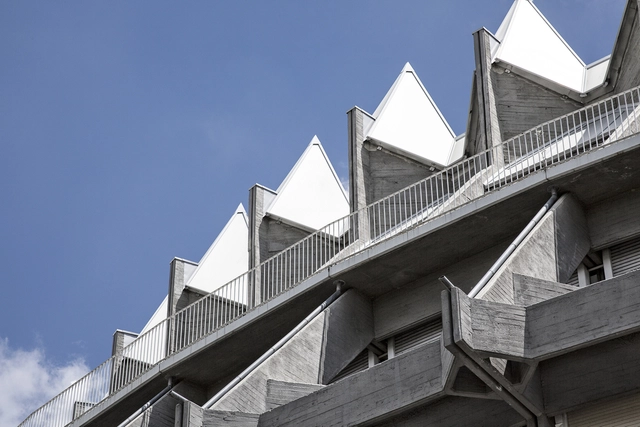
Iconoclast, painter, musician, photographer, visionary, genius… and architect. Fernando Higueras [Madrid, 1930-2008] left his mark on the history of Spanish architecture in an emotional way, showcasing architecture in its most essential quality.
Born in Madrid on November 26, 1930, Fernando Higueras was, like many others, a key exponent of late architectural modernism in 1960s Spain. Far from being merely novel or exceptional, his approach reiterated the timeless lesson of the creative process: talent and grace were not enough; they had to be accompanied by immense perseverance and, above all, passion.
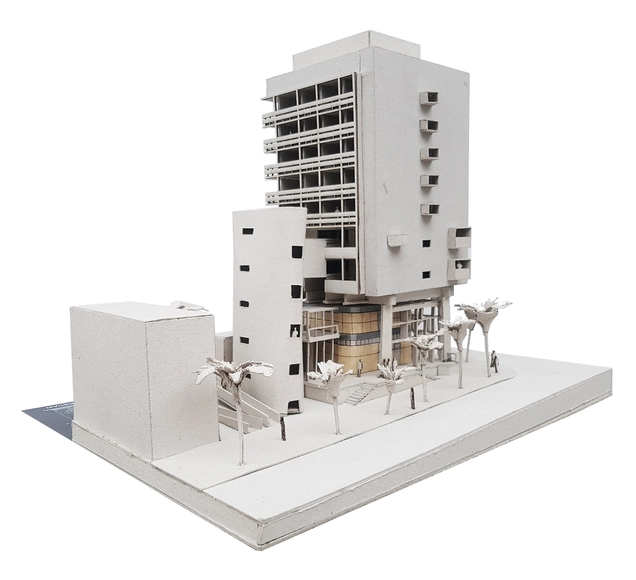
We often think of heritage as a collection of valuable assets inherited by an individual or a group. While we sometimes identify fully with its meaning and the legacy passed down to us, we all too often squander its benefits.
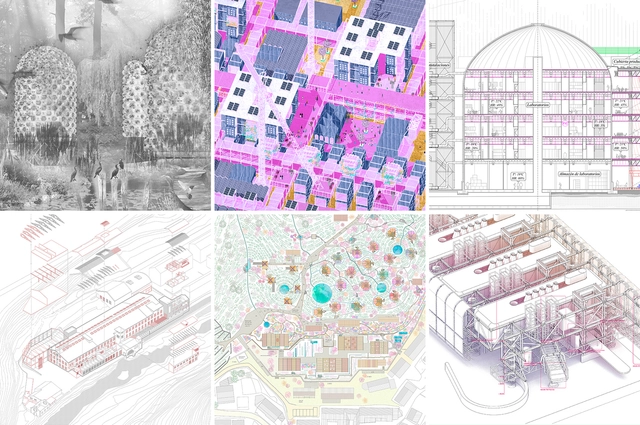
To showcase the valuable output of Spanish universities, we launched an open call in September, inviting our readers to submit their thesis projects. Following a comprehensive evaluation of nearly 50 proposals, we selected 6 projects that not only offer innovative responses and deep research into complex, contemporary issues but also challenge and question the future of architecture.

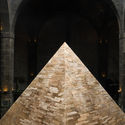
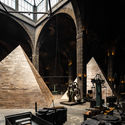
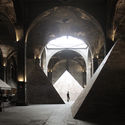
Fifty years after its last participation, Cuba returns to the Milan Triennial for the XXII International Exhibition, titled "Broken Nature: Design Takes on Human Survival."
Addressing the relationship between humanity and nature, the Cuban Pavilion showcases unconventional examples of organic architecture: the National Art Schools of Havana, born of Fidel Castro and Che Guevara's desire to offer art education to all developing nations.
_8575.jpg?1568928556&format=webp&width=640&height=580)
As part of the 2019 Chicago Architecture Biennial, the Graham Foundation hosted Tatiana Bilbao's exhibition, "Unraveling Modern Living," featuring an immersive installation that transforms a former domestic space to explore new forms of collectivity. Through this intervention, Bilbao reconfigures the existing architecture to create a garden, a space for knowledge, a space for dialogue, and a space for gathering, in collaboration with the Sweet Water Foundation, Colectivo 1050°, MAS Context, and Lurie Garden, among others.
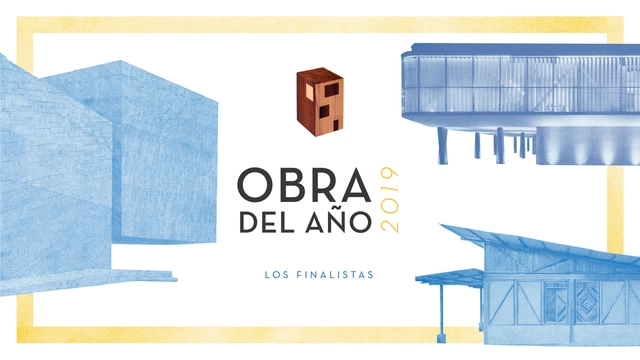
More than 10,000 readers nominated their favorite projects from nearly 1,000 built works in Latin America and Spain: the day has come to meet the finalists of ODA19.













.jpg?1553787777)






_8568.jpg?1568928579)
_8548.jpg?1568928532)
_8569.jpg?1568928567)
_8576.jpg?1568928544)
_8575.jpg?1568928556)