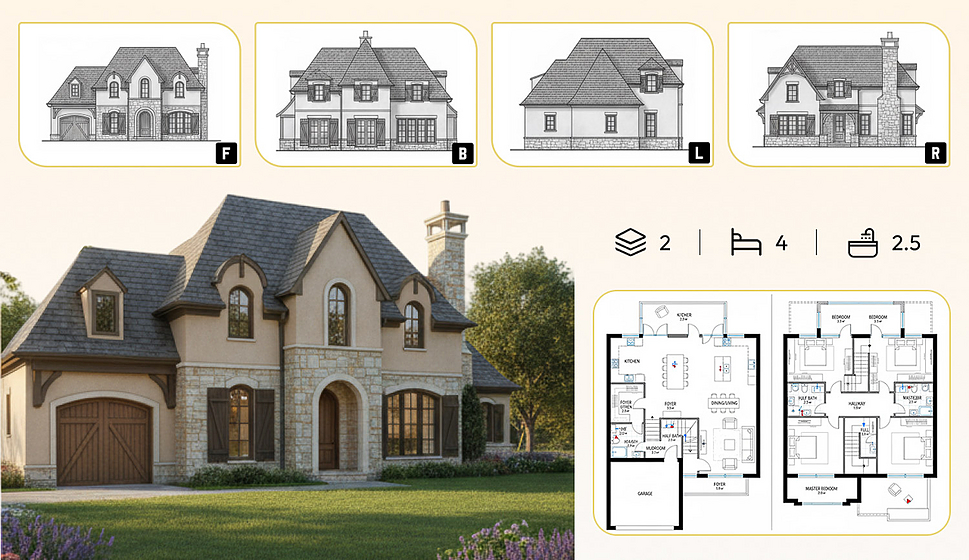
This guide covers a workflow that moves from project parameters to generated floor plans, 3D perspective views, exterior design exploration, and site context visualization, using AI tools in place of preliminary CAD and rendering work.
This guide covers a workflow that moves from project parameters to generated floor plans, 3D perspective views, exterior design exploration, and site context visualization, using AI tools in place of preliminary CAD and rendering work.
"La Ciudad como Texto" (The City as Text) was the theme of the Arqfilmfest panel discussion, where designer Carola Ureta detailed her project focusing on public space and its transformations: facades, historical figures, and walls serving as a canvas to immortalize the social sentiment following Chile's October 2019 social uprising.
In the daily routine of our conventional workday, we are influenced by many distractions that affect productivity, which have already become routine. However, now that we no longer lose time commuting and are restricted to activities we can do at home, we manage our time with more holistic priorities.
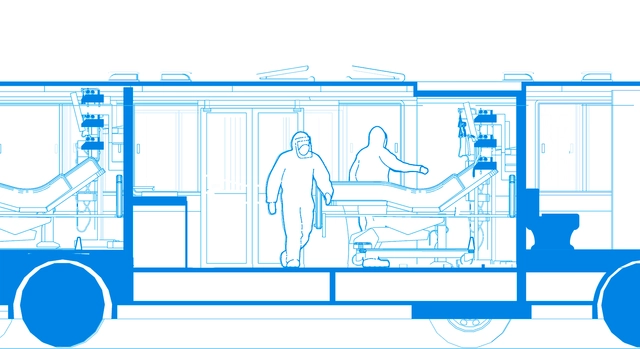
The Bogotá-based firm 57Uno focuses its practice on sustainability and has now channeled its creativity toward resilience and adaptability through Arquitectura en Tránsito (Architecture in Transit). This proposal aims to address the health emergency caused by COVID-19 by repurposing decommissioned buses from one of the primary contributors to poor air quality in the Colombian capital.
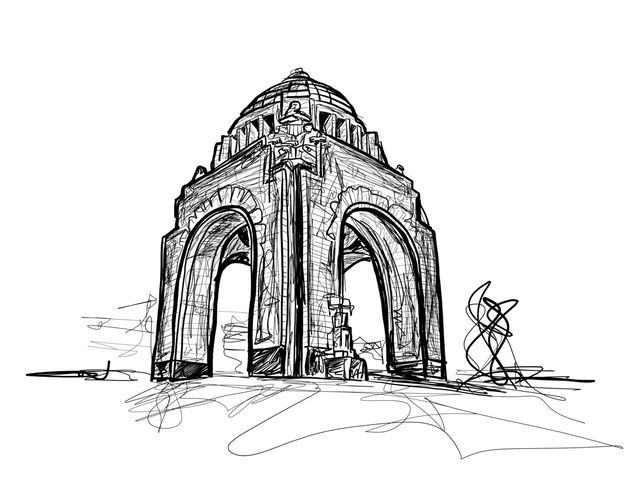
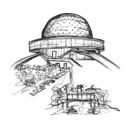
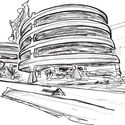
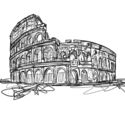
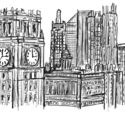
"Traveling Without Leaving Home" is a project by artist and designer Jorge Cejudo, also known as “Cejas.” Over the course of seven months, he shared a pandemic-born series of over 200 drawings on his Instagram account @soyelcejas, reconnecting with his followers after the emergency lockdown by inviting them to join him in imagining journeys through various cities around the world.
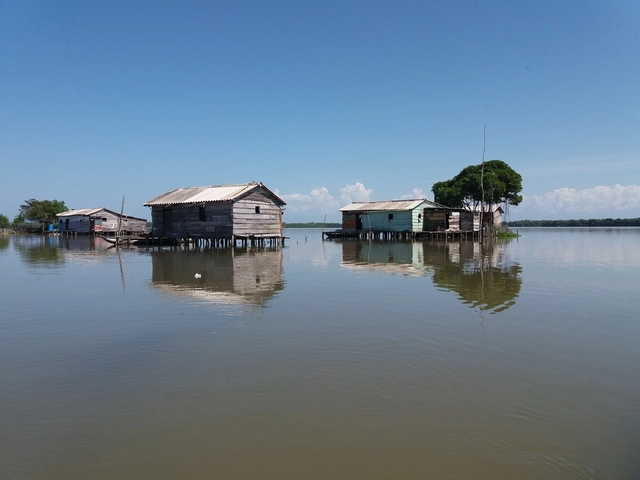
Stilt settlements have existed throughout the world wherever populations sustain their lives through constant interaction with water. In Colombia, the settlements of the Ciénaga Grande de Santa Marta, in the department of Magdalena, are a local benchmark that has endured since pre-Hispanic times. Today, these are informal dwellings, unrecognized in the official land registry. The Pontificia Universidad Javeriana and AGRA have shared their research, compiled in a book that supports the documented formalization of these dwellings using architectural representation standards, specifically by identifying the typologies of Nueva Venecia.
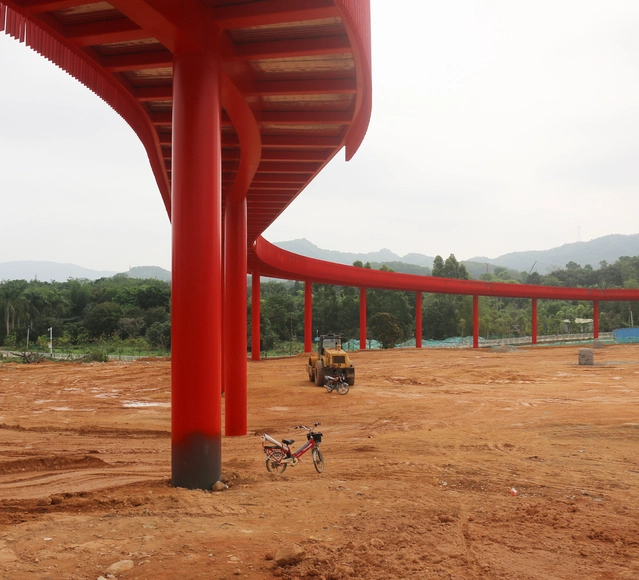
Following the conversation ArchDaily hosted on Instagram Live during the quarantine with Pablo Forero, one of the founders of Taller Architects (formerly Taller 301), we present this interview, in which he discusses the principles and approaches of this young practice based in Bogotá and Amsterdam.

The following article proposes rethinking architecture in social housing in Colombia. Natalia Carrero Rojas and Pablo González delve into the subject as educators and through their practice 57Uno, where they constantly balance high-quality housing with real estate viability.
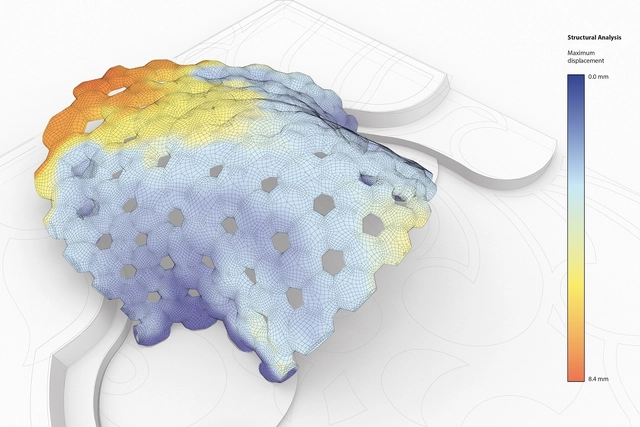
When we think of architectural visualization, sketches, drawings, and 3D renderings usually come to mind. This association is natural, as "visualization" is typically equated with imagining a project before it is built—whether to validate aesthetic and functional decisions or to communicate concepts to clients unfamiliar with technical drawings. However, beyond superficial elements like materials, layouts, textures, and colors, architects must also address highly technical, invisible factors that directly impact a building's performance.

We may still have a long way to go when it comes to addressing the diversity of flora and fauna in urban habitats, yet it is incredible how fast, easy—and even fun—the architecture that makes this possible can be.
In practice, how are we promoting spaces for animals and plants in our cities?
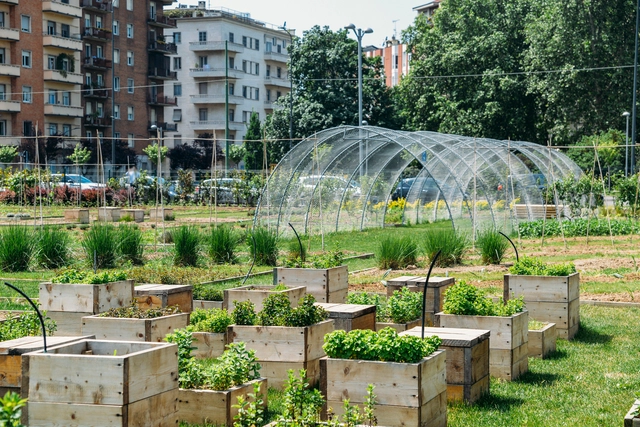
Earlier this month, the Observatory of Innovations for Sustainable Cities was launched. The project aims to gather information, proposals, and concrete examples of municipal initiatives and public policies that help improve people's quality of life and strengthen the environment. The initiative is a partnership between the Ministry of Science, Technology, and Innovations (MCTI), the United Nations Environment Programme (UNEP), and the Center for Strategic Studies and Management (CGEE).

The Porto Alegre-based firm 0E1 Arquitetos has launched an e-book to help professionals design their new home workspaces. The Home Office Guide is a digital publication featuring tips to improve remote work environments, created to raise funds for local charities.
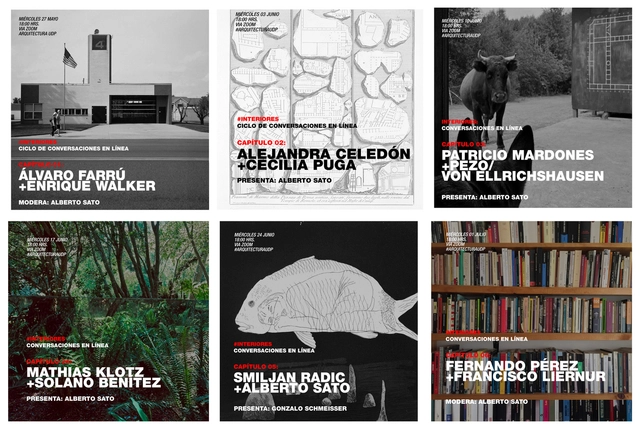
“Interiores: Conversaciones en línea” is the title of the series of virtual encounters organized by the Faculty of Architecture, Art, and Design at Universidad Diego Portales (UDP). In this first season, Professor Alberto Sato hosts meetings between renowned architects, including Álvaro Farrú and Enrique Walker, Alejandra Celedón with Cecilia Puga; Mardones with Pezo von Ellrichshausen; Solano Benítez with Mathias Klotz; Smiljan Radic with Alberto Sato; and Fernando Perez with Francisco Liernur.
You can watch these conversations below.
Poured Architecture / Arquitectura Vertida is an experiential art installation presenting artist Sergio Prego's perspective on the late Spanish architect Miguel Fisac.
Supported by a Graham Foundation grant, the artist explores the possibility and synchronicity of materials and processes across architecture and visual art in a new series of sculptures and drawings inspired by Miguel Fisac's innovative architectural and construction techniques.
Experience it all through the short film by Spirit of Space.
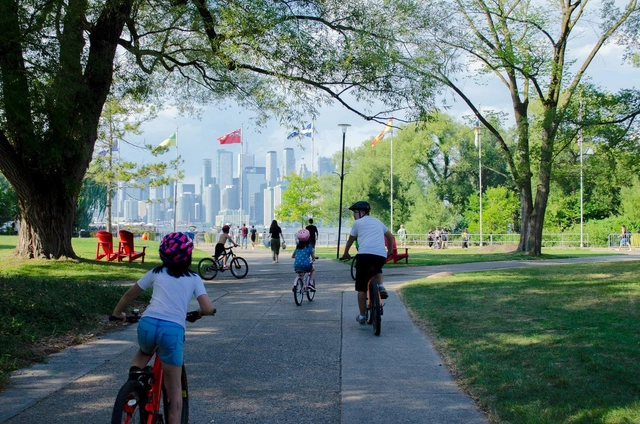
Children are often overlooked or entirely deprioritized in urban planning. Globally, it is estimated that up to 500 children die every day in traffic accidents. Thousands of others are injured in collisions or develop psychological trauma that can last for years. Whether on the streets or in public spaces, feelings of insecurity or discomfort discourage children from physical activity outdoors—at a time when 80% of children between the ages of 11 and 17 are not physically active, and another 38 million under the age of five are overweight or obese.
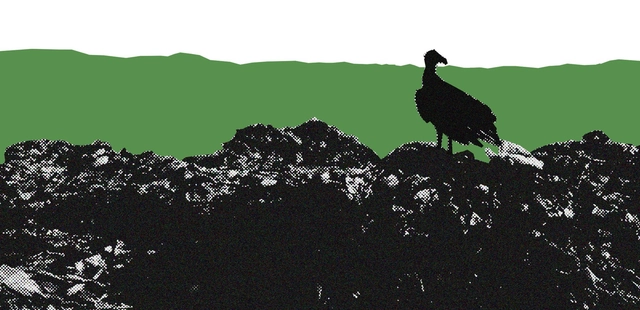
On World Environment Day, we ask you: Do you know where your household "trash" goes? How do cities deal with the tons of materials discarded daily? Should everything you throw "away" be wasted by being sent to landfills?
The coronavirus crisis has shown us that certain attitudes, policies, and practices must be abandoned if we want a different future—both socially and environmentally. However, this responsibility is not solely individual. To discuss the future of waste in cities, we must shed light on the thread of recent history: the formulation of the National Solid Waste Policy (PNRS), approved in 2010, and the challenges of its implementation.

This article is part of a collaboration with the website coolhuntermx, and was originally published under the title "La Bauhaus Tapatía."
"A sort of Bauhaus" is how Mathias Goeritz, in short, tried to convince Italian architect and theorist Alberto Sartoris to come to Mexico. In 1950, through letters, he invited him to teach at the very project that had drawn Goeritz in and excited him so much: the first School of Architecture of Guadalajara, founded in 1948 by Ignacio Díaz Morales.
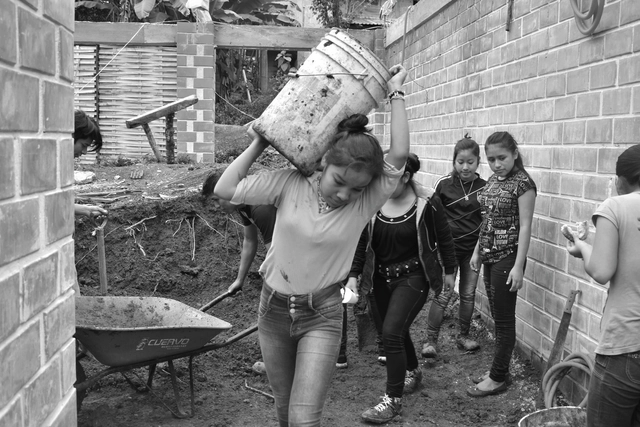
In light of recent statements by the Federal Government and the new programs announced by institutions involved in housing production in Mexico, we believe it is essential to open a dialogue and exchange ideas to better understand the concepts of self-construction, self-production, and the “Social Production and Management of Habitat” [SPMH], as well as the role of architecture in these social processes.
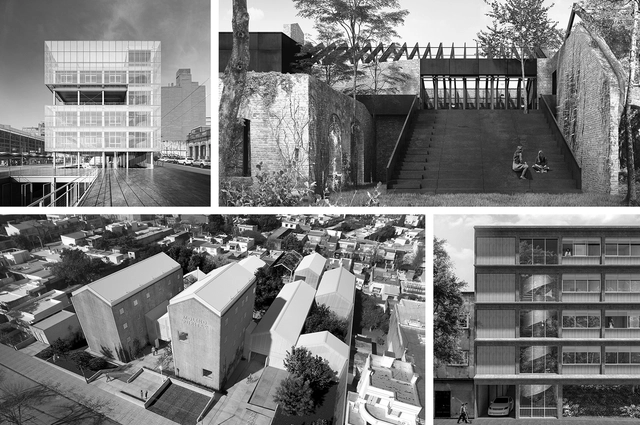
To showcase Uruguay's valuable academic output, we launched an open call inviting readers in the country to submit their final thesis projects.
Out of a total of 65 submissions, the editorial team—comprising Fabian Dejtiar (Managing Editor of ArchDaily en Español); Mónica Arellano (Editor, ArchDaily México); Santiago Baraya (Editor, ArchDaily Colombia); and Belén Maiztegui (Editor, ArchDaily Argentina)—selected six. The highlighted projects are those that addressed specific challenges, their chosen form, and their representation through critical, austere, and efficient thinking. We valued proposals that not only delivered the best possible architecture through a simple design suited to its context, program, and users, but also paid close attention to human scale, mediation, and new ways of approaching architecture in cities.
Explore the selected projects below.
.jpg?1602156477)
In mid-August, images of a new urban-architectural proposal for downtown Santiago began circulating in the media and on social networks: the preliminary design led by architect Gonzalo Mardones for the MAC Contemporary Art Museum in Parque Forestal.
Despite the potential benefits it aims to deliver, does it capitalize on the opportunity presented by intervening in this area? Does it meet citizens' expectations? Does it foster discussion about its management? Are there other viable alternatives?
Gonzalo Mardones writes to us regarding this.
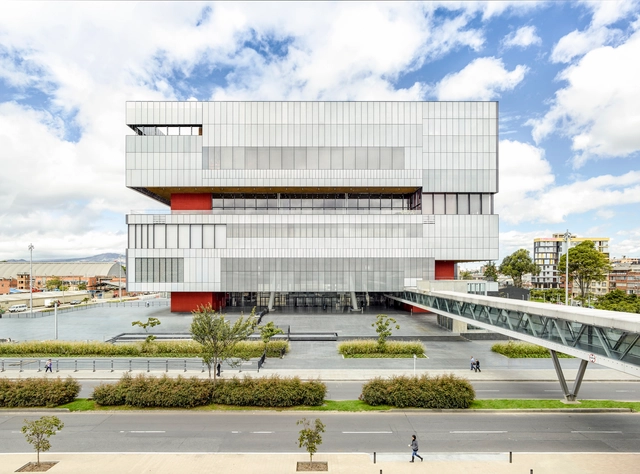
The third generation of the Bogotá-based firm Bermudez Arquitectos spoke with ArchDaily during the quarantine, discussing various aspects of their practice, their contributions to academia, and the challenges of working in a studio with a family legacy. Read the transcript of the Instagram Live below.

In early October, a new space opened in Mexico City under the name Design House at Público Coworking, showcasing a series of interventions that integrate disciplines such as design, architecture, and interior design. Over the past ten years, Design House has presented cutting-edge concepts from more than one hundred participating firms across various venues, collaborating with showrooms on the Design Route (Ruta del Diseño) that provide the pieces and accessories featured in the diverse installations.
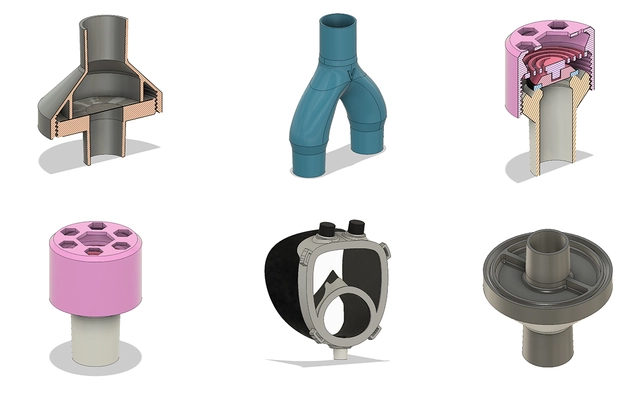
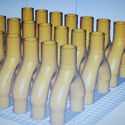
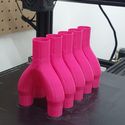
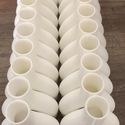
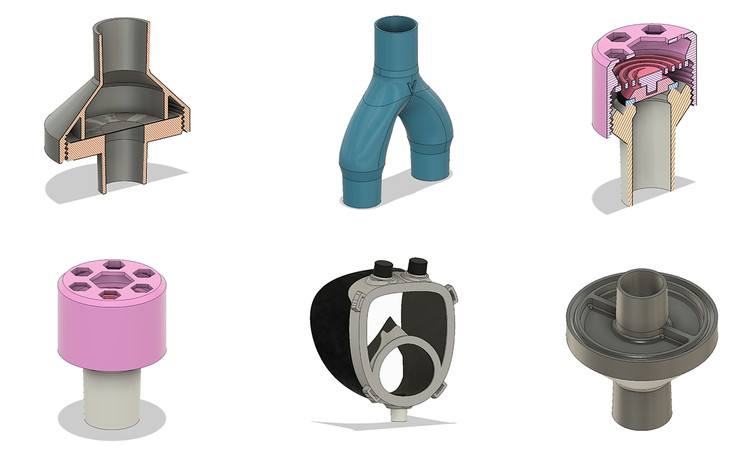
As part of an initiative by Makers México, a group of nearly 300 creative professionals from various fields continues to come together to address the COVID-19 pandemic. Architects such as Juan Carlos Baumgartner and Michel Rojkind, along with designer Ariel Rojo, have joined this effort to contribute in various ways, creating 3D-printed parts to be donated to hospitals across the country. Currently, they are working on a splitter—which allows two patients to be connected to a single ventilator in the event of a shortage—protective masks for doctors and patients, as well as other components to complement their operation.

The government-mandated lockdowns in response to the COVID-19 pandemic—and, in some cases, the fear of going outside—have recently underscored the value of domestic space, transforming it into the stage for the most evident and characteristic human actions and reactions within a capitalist and patriarchal system.
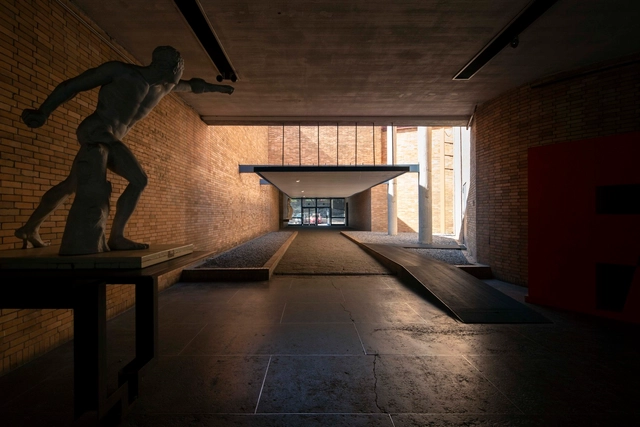
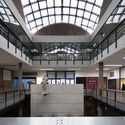
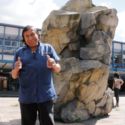
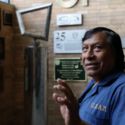
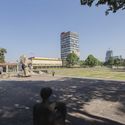
Chuchín is that endearing figure whom you always remember despite the passage of time, whether you are a student, architect, professor, staff member, or fellow worker. Felipe de Jesús Cortés Guevara—or Chuchín, as he is commonly known—seems to go nowhere else; he is always watching over what he considers his second home, the UNAM School of Architecture.
Charlas de Terraza is an initiative hosted at the office of OPUS in Medellín. It features conversations that extend beyond architecture and, adapting to the COVID-19 lockdowns, is currently being held virtually. Alongside these talks, there is another initiative dedicated to sketching called Club de Dibujo (Drawing Club). In this session, both formats merged as the Medellín-based practice, along with Alejandro Enriquez from Bogotá, discussed the sketch and its process.