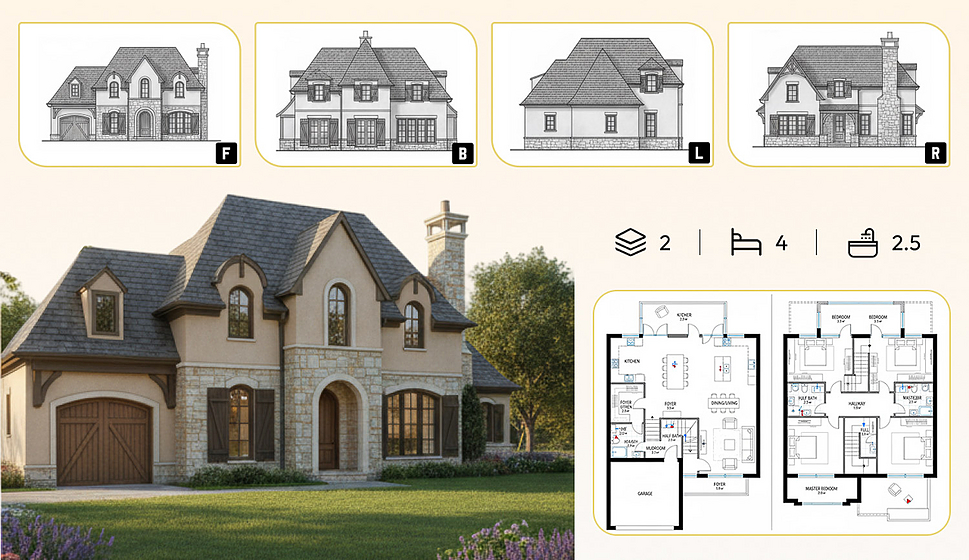
This guide covers a workflow that moves from project parameters to generated floor plans, 3D perspective views, exterior design exploration, and site context visualization, using AI tools in place of preliminary CAD and rendering work.
This guide covers a workflow that moves from project parameters to generated floor plans, 3D perspective views, exterior design exploration, and site context visualization, using AI tools in place of preliminary CAD and rendering work.
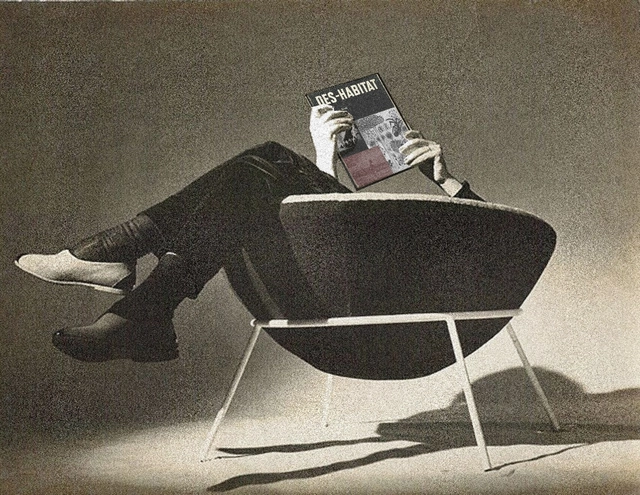
Between the 1950s and 1960s, Lina Bo Bardi was the editor of Habitat magazine, known for publishing articles and research on the cultural and artistic expressions of Indigenous peoples. The publication, which remained in circulation until 1965, was a pioneer of the synthesis between universal modernism and local primitivism—a central element in the mythology of Brazilian modernity. Nearly six decades later, architect and curator Paulo Tavares undertakes a sort of "un-editing" of the magazine, putting this notion of synthesis into perspective in light of contemporary debates exploring the intersection of modernity and colonialism. Recently published by n-1 edições, Des-Habitat utilizes graphic and editorial devices to create a near-facsimile of the original publication led by Bo Bardi, overlaying a new layer—critical, revisionist, and necessary—onto a discussion that continues to reveal new ramifications.
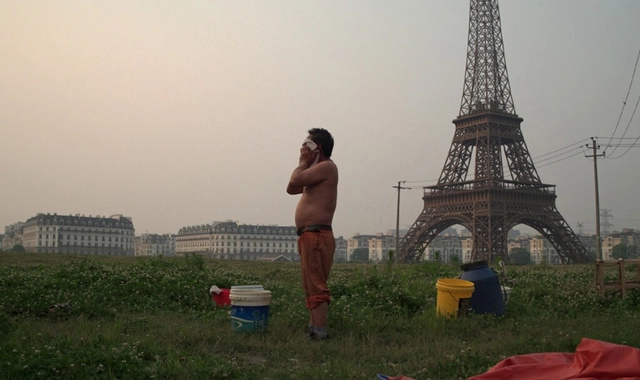
Following the themes of previous editions that addressed contemporary issues concerning the built environment, the Arquiteturas Film Festival, taking place from June 1 to 6 in Lisbon, continues to offer an open forum for discussion through personal, collective, and global audiovisual stories from around the world.
The 8th edition of Arquiteturas explores the theme Bodies Out of Space through an exploration of the social construction of space, connected by a thread running through narratives of domination. These are also narratives about an identity that is often stripped away or forced to represent our bodies. Challenging current assumptions, we view this perceptual paradigm—an epitome of the vision of our times—as fundamentally social, spatial, and bodily.
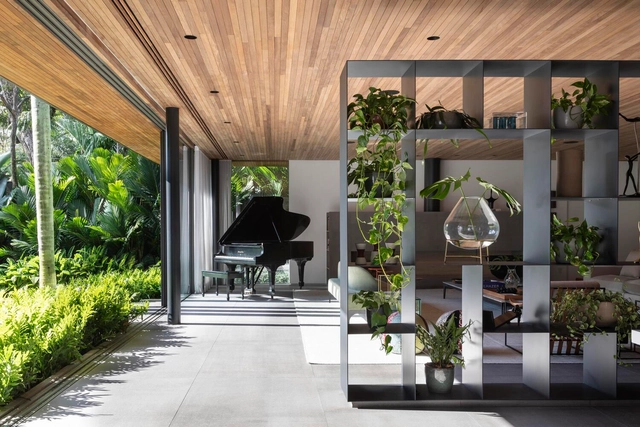
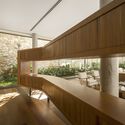
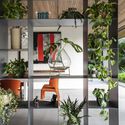
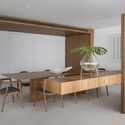
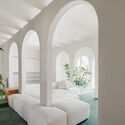
To create a cozier scale in large open-plan spaces or accommodate diverse uses under a single roof, defining areas through custom furniture design has become a highly effective solution. Serving as functional storage or even display units, shelving systems that double as room dividers can generate new perspectives, guide circulation, and foster greater permeability between different spaces.
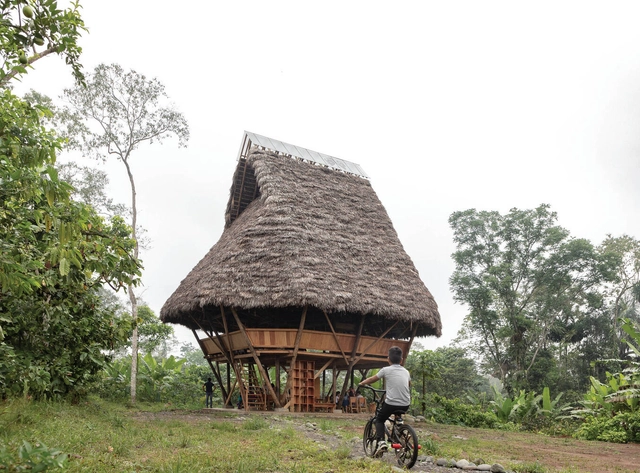
The Fondazione Teatro dell'architettura has announced the architecture firm Al Borde (Ecuador) as the winner of the 2024 BancaStato Swiss Architectural Award. Founded in Quito by Pascual Gangotena, David Barragán, Maríaluisa Borja, and Esteban Benavides, Al Borde conceives a collective approach to design and construction, paying special attention to climate variables, the involvement of local communities, traditional construction techniques, and innovation. As they state, Al Borde “inhabits the territory of questioning, where certainties about what architecture should or should not be are constantly under construction.”
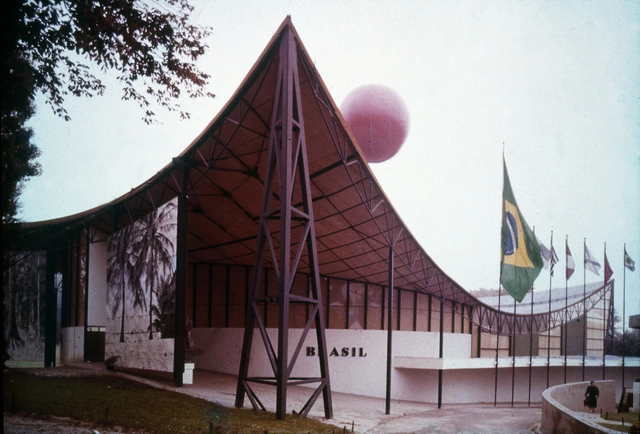
Architecture is a discipline that connects diverse fields and practices, manifesting in the physical and theoretical conceptualization of strategies for intervening in the human environment. This spatial intervention involves applying artistic, social, and technological knowledge which, when combined, inevitably reflect a given culture or dominant ideology. In this sense, architecture is also an image that conveys meaning.

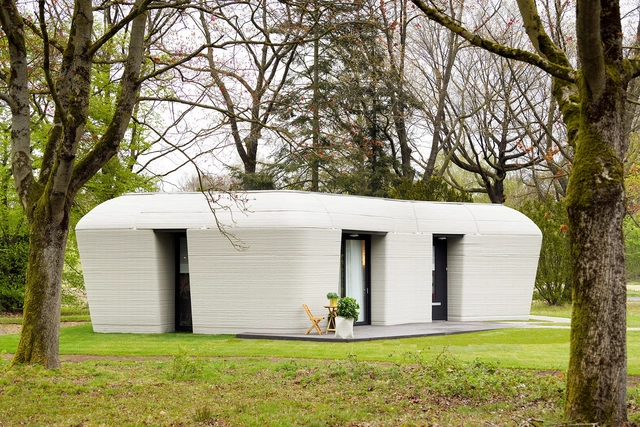
Years ago, the construction industry was among the most technologically lagging; today, however, we can confidently say that automation is here to stay.
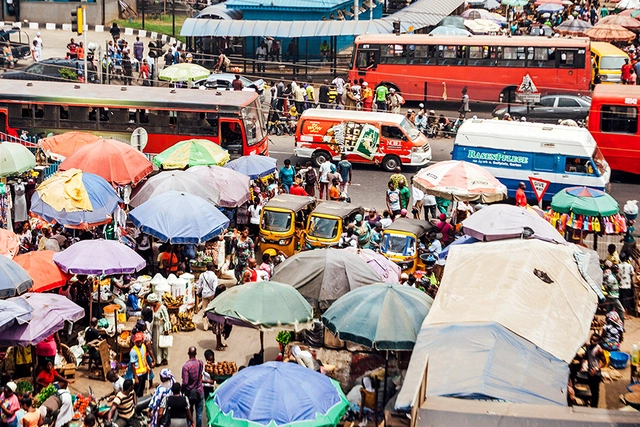
Crises typically spark shifts in how we move. Post-war prosperity turned the automobile into a household staple and a lifestyle. The global fiscal and oil crises of the 1970s brought a short-lived bicycle boom alongside a withdrawal of municipal funds from public transit. Meanwhile, the 2008 financial crisis paved the way for Silicon Valley venture capital to surge, backing new platforms like Uber and Waze.
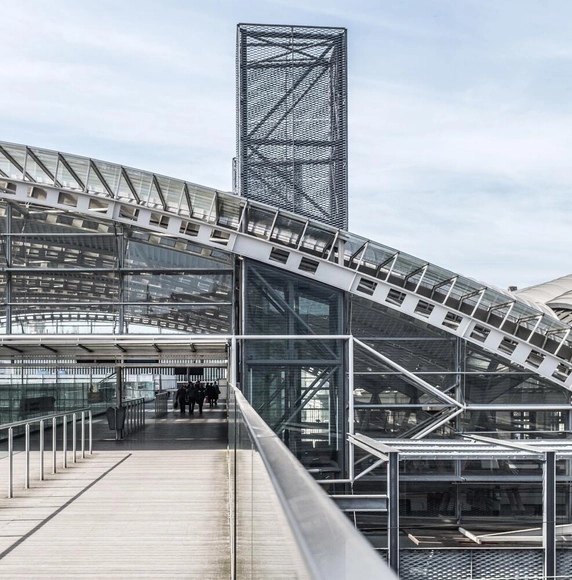
The Brazilian Center for Steel Construction (CBCA) has launched its 2021 call for proposals for its Undergraduate Research Scholarship. The nationwide selection process is open to undergraduate students in architecture and civil engineering, who must be supported by an advising professor from the same higher education institution.

A capsule-based transportation system that runs on magnetic propulsion, moving people and cargo at speeds of up to 1,200 km/h using renewable energy, could soon become a reality in Brazil. This futuristic concept is being brought to the country by Hyperloop Transportation Technologies (HyperloopTT), which develops and licenses the Hyperloop—the urban mobility technology originally conceived by Tesla entrepreneur Elon Musk.
Resembling a wingless aircraft without turbines, the Hyperloop has a capacity of up to 50 passengers and operates in a low-pressure environment, allowing it to travel at high speeds with virtually zero friction.
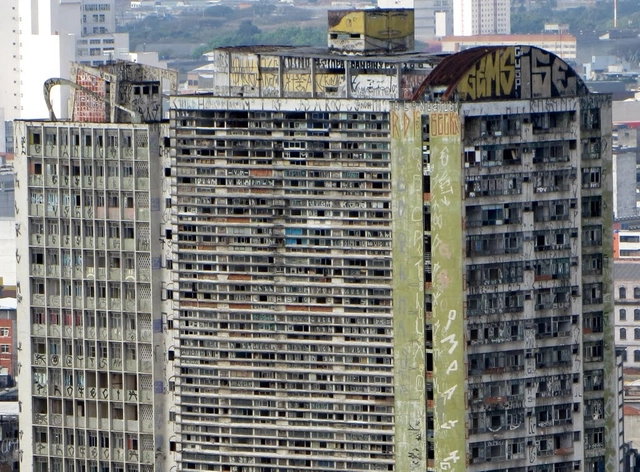
Are there more homes without people than people without homes? This recurring claim had already been described as a “myth” by urban planner Nabil Bonduki in 2018, but the persistent suggestion of a simplistic formula for solving the housing crisis deserves to be addressed once again. Recently, an article in Folha de São Paulo by urban planner Alexandre Benoit suggested that the approximately 300,000 vacant properties in São Paulo could be designated to “eradicate the city’s housing deficit.”
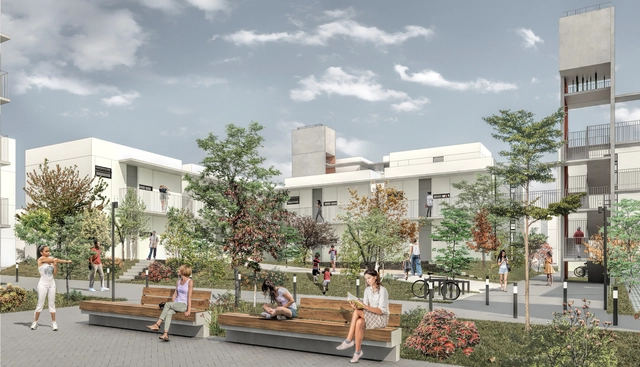
To bring together innovative, sustainable social housing architectural designs that reduce energy consumption. This was the goal of the National Competition of Architectural Ideas for Energy Efficiency in Social Housing, organized by the German government cooperation agency Deutsche Gesellschaft für Internationale Zusammenarbeit (GIZ) GmbH.
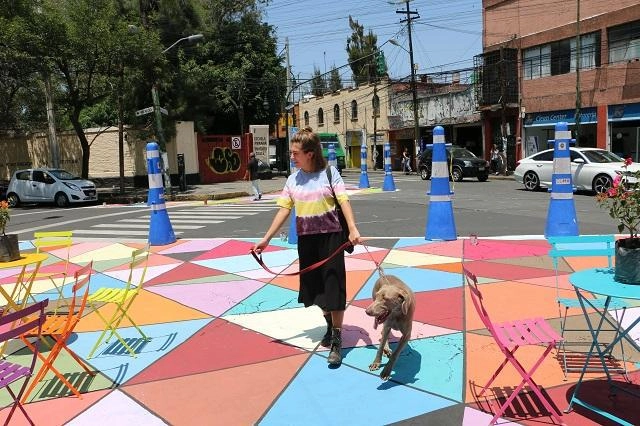
As the Covid-19 pandemic altered urban landscapes and drew more people toward active mobility, there is a heightened urgency to make streets safer for pedestrians and cyclists. Many cities are now tasked with protecting the most vulnerable users, while also creating safe public spaces that enable economic recovery and allow people to enjoy the outdoors. At the same time, there are long-term reasons to support this transition.
“Walking and cycling are among the most sustainable ways to get around cities – but not if they are extremely dangerous options,” says Claudia Adriazola-Steil, interim director of Urban Mobility and director of Health & Road Safety at the WRI Ross Center for Sustainable Cities.

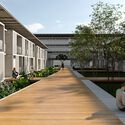
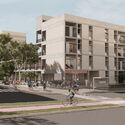
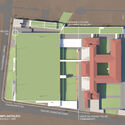
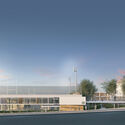
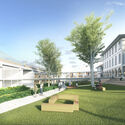
Liceu Pasteur is a public institution under private law that is part of the network of French schools abroad, present in 135 countries. In São Paulo, it has been located on Mairinque Street, in the Vila Mariana neighborhood, since 1923, occupying a building designed by Escritório Técnico Ramos de Azevedo, which is listed by São Paulo's municipal heritage preservation agency.
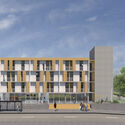
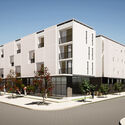
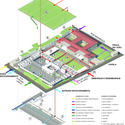
Since 2018, the school has been undergoing a phased modernization project aimed at updating the functional and technical aspects of its spaces. In December 2019, four architecture firms were invited to compete for the Lycée Pasteur expansion project: Bloch Arquitetura, Nucci Pietraroia - NPC Grupo Arquitetura, ReadyMake/Andrade Morettin Arquitetos Associados, and Triptyque.
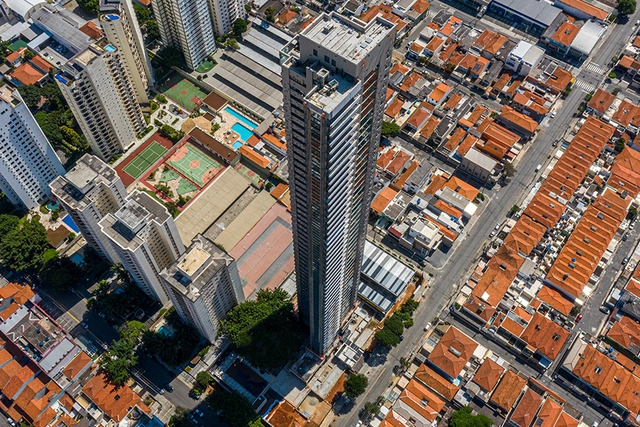
In urban planning, population density is a subject that sparks discussion, doubt, and debate. A common point of confusion, for instance, is conflating built density (the amount of built area in a given location) or even building height with population density (the number of residents in a given location).
In New York, for example, Midtown Manhattan has perhaps the city's highest concentration of skyscrapers, despite having a population density of "only" 18,000 residents/km²—less than half of the Upper West Side, which boasts 44,000 residents/km² with lower but predominantly residential buildings, whereas Midtown has fewer residential buildings. In Brazil, this discrepancy is far more extreme: the densest neighborhoods in major Brazilian cities tend to be the most horizontal, as they consist of informal settlements (favelas) with small housing units, minimal space between structures, and larger families living in (or cohabiting) these units.
A year and a half of the global coronavirus pandemic has—or should have—made everyone realize the importance of national public health systems. Never before has a health crisis and its impact on society, the economy, and public spaces been so widely discussed and reported.
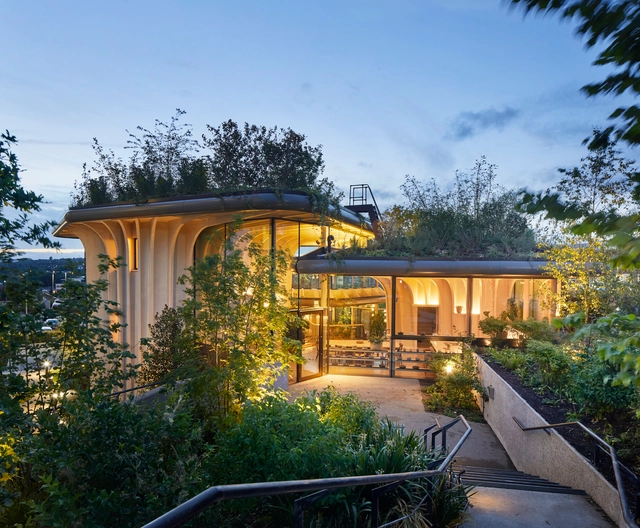
Against this backdrop, to celebrate spaces dedicated to physical and mental health, we have compiled a selection of small- and medium-scale healthcare clinics, medical offices, and therapy centers. These projects, designed for treatment or prevention, prioritize patient well-being above all else.

When entering a dark, unfamiliar room, our hands instinctively grope along the wall, searching for a keypad to turn on the lights—and, with luck, finding it. It is one of those many things we only truly notice when they are poorly designed. When designing a space, placing controllers in accessible and intuitive locations requires careful attention from designers. Keypads belong to that category of objects we want to be easily found when needed, yet prefer to remain hidden when not in use. This is because their design often draws more attention than it should, potentially clashing with the space's aesthetic. But this does not always have to be the case. There are options that seamlessly combine design and functionality, offering customization that allows controllers to fit into any type of project.

The Memorial da Resistência de São Paulo, an institution of the State Secretariat of Culture, opens the biographical exhibition “Yona Friedman: Democracy” on Saturday, June 26, 2021. Curated by Ana Pato, the Memorial's coordinator, the exhibition presents a selection of works by the French-Hungarian architect, artist, sociologist, and anthropologist Yona Friedman (1923-2020), featuring animations, manuals developed with the UN, installations inside and outside the building, urban interventions in partnership with collectives from the central region, as well as public events in partnership with Sesc Bom Retiro.
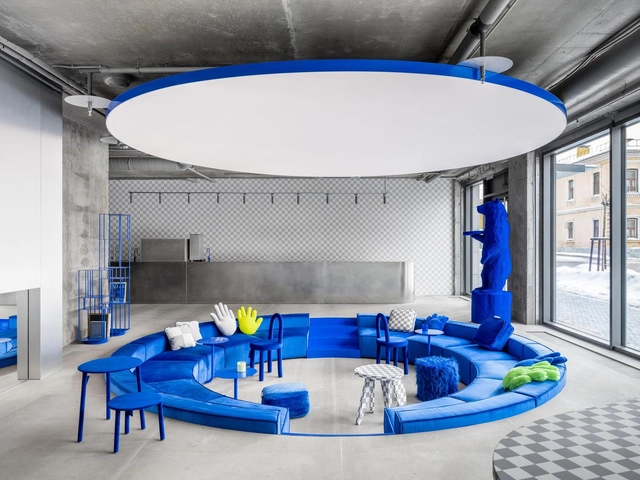
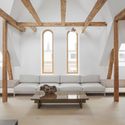
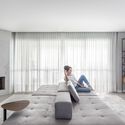
The sofa is a recurring element across a wide range of programs. Defined by the comfort and coziness it provides, its color, shape, and texture help convey the personality of a room while assisting in its layout. We have searched our archives for twenty examples of how this element can add value to a project through different design solutions.
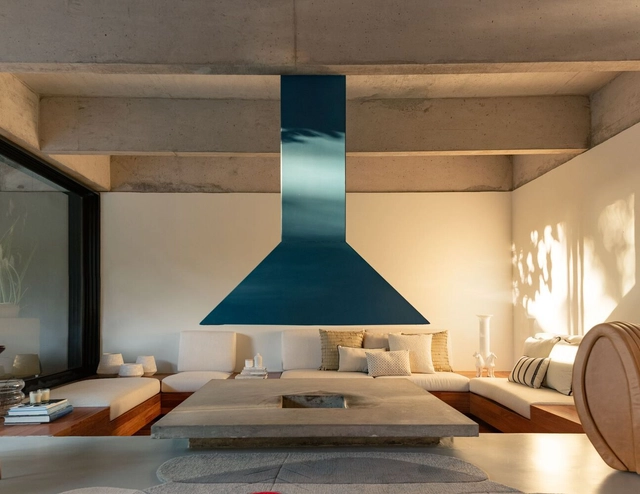
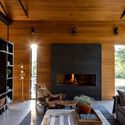
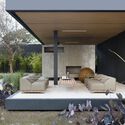
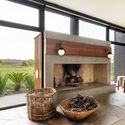
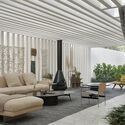
We are about to enter the coldest season of the year in the Southern Hemisphere: winter. When considering how to heat a home, one of the first solutions that comes to mind is the fireplace. After all, the fire brings warmth and provides a cozy gathering space. In addition, its design and placement can be key to the spatial composition of a room.
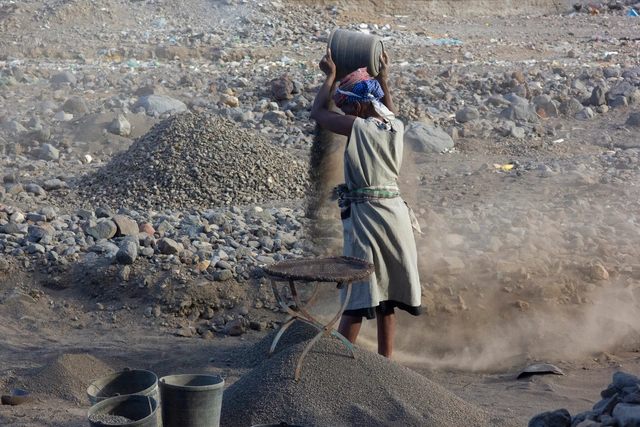
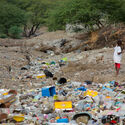
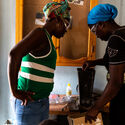
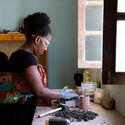
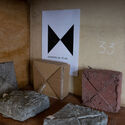
En Ribeira da Barca, en el interior de Santiago, Cabo Verde, se está probando un proyecto que propone trabajar con mujeres que se ganan la vida extrayendo residuos inertes de la construcción. Aunque se trata de una actividad ilegal, es donde se basa gran parte del presupuesto familiar local, en un país donde una mayoría significativa de familias monoparentales están representadas por mujeres (alrededor del 32%, frente al 6,5% representado por hombres, datos del INE 2017). El mayor rigor en las prácticas de inspección y la caída de la demanda de materiales inertes naturales en los últimos años ha puesto en riesgo inminente a innumerables familias vulnerables.
Enmarcado como proyecto satélite de la Bienal de Diseño de Porto 2021, impact tiene como principal objetivo trabajar con las mujeres de la recolección de arena en la reinvención de una actividad alternativa, que busca dotarlas de mayor dignidad en su acceso al trabajo y fomentar nuevas formas de vida. .
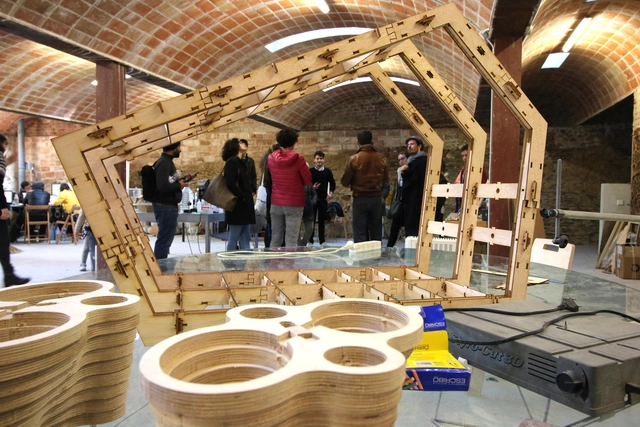
The maker movement is a philosophy centered on the creative activity of making, which is intrinsic to human beings. This process occurs through the use, adaptation, and modification of existing resources without professional assistance (HATCH, 2013). Moreover, it is rooted in "do-it-yourself" culture, with its main distinction being the use of digital tools that facilitate and enhance collaboration, documentation, and sharing. Consequently, projects remain open and adaptable, allowing anyone to access and modify them.

They are architects, but they do not believe architecture alone can fully address the complexity of urban life. Rahul Mehrotra, from India, and Zulu Araújo, from Brazil, came together for the debate on Migrations and Diasporas, part of the June programming for the 27th World Congress of Architects. They shared their experiences and both argued that architecture, in dialogue with other fields of knowledge, must encompass movements of a social and cultural nature. The debate was moderated by engineer Daniella Abreu, Executive Secretary of International Affairs for the State of Santa Catarina.

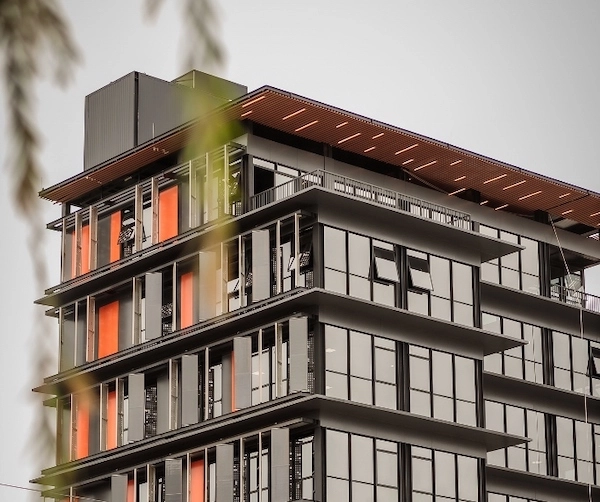
The Level Building, an eight-story corporate building constructed in downtown Tubarão, Santa Catarina, took just 100 days to complete, with 20 of those days dedicated exclusively to on-site assembly. This was made possible by using off-site construction methods, meaning it was fabricated in a factory. Due to its scale and rapid timeline, the off-site building is being hailed as a milestone in Brazilian construction. “It is the largest volumetric off-site building in Latin America,” says Ricardo Mateus, CEO and founder of the construction tech company Brasil ao Cubo, the firm behind the project.
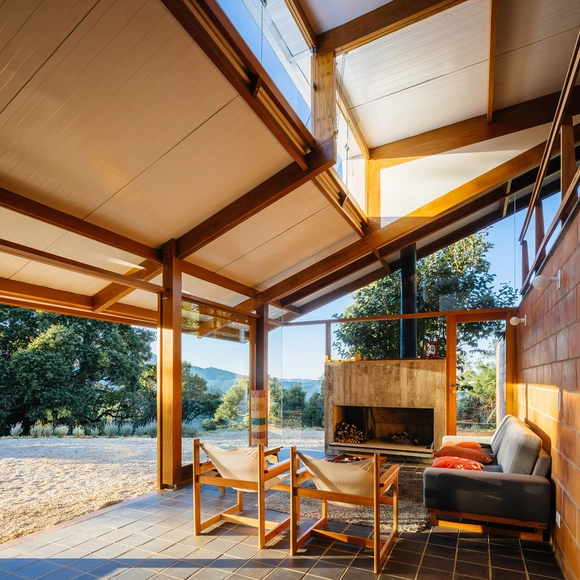
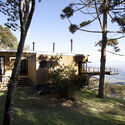
Spanning over 500 kilometers across the states of Rio de Janeiro, São Paulo, and Minas Gerais, the Serra da Mantiqueira has become in recent years one of the favorite destinations for travelers seeking mild climates and a countryside atmosphere. Towns like Gonçalves, Monte Verde, Campos do Jordão, Santo Antônio dos Pinhais, and Camanducaia are just a few of the municipalities in the Mantiqueira region that have attracted a growing number of visitors seeking a closer connection with nature.
The mountain range has altitudes varying between 1,000 and 3,000 meters, resulting in low temperatures for its latitude. Additionally, mist and occasional frost lend the landscape a bucolic character quite distinct from other nearby, lower-elevation areas—an effect that becomes even more pronounced in the winter.