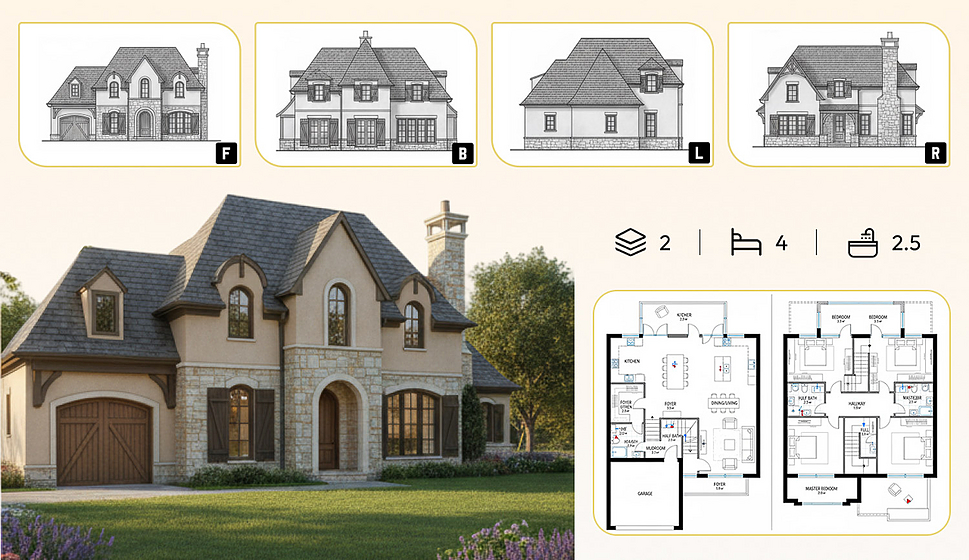
This guide covers a workflow that moves from project parameters to generated floor plans, 3D perspective views, exterior design exploration, and site context visualization, using AI tools in place of preliminary CAD and rendering work.
This guide covers a workflow that moves from project parameters to generated floor plans, 3D perspective views, exterior design exploration, and site context visualization, using AI tools in place of preliminary CAD and rendering work.
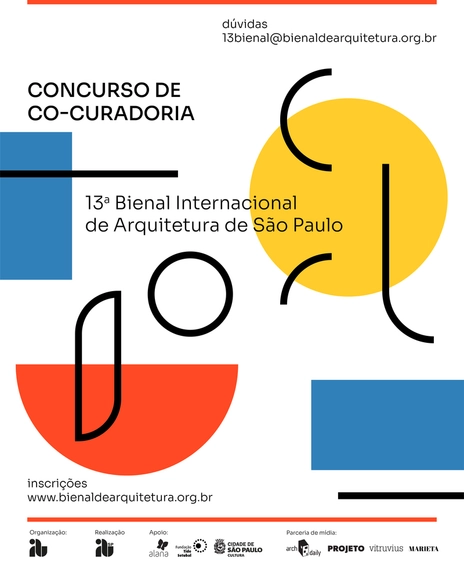
The IAB-SP, organizer of the São Paulo International Architecture Biennial, following a public consultation on the open call guidelines from October 10 to 25, is launching a competition on November 4 to select the co-curatorial team for the 13th Biennial, which will take place in 2022. Proposals can be submitted through the Biennial's website until January 24, 2021. This edition features a 12-member committee, which includes IAB representatives from other Brazilian states to ensure a diverse perspective in overseeing the event, which has both national and international reach.
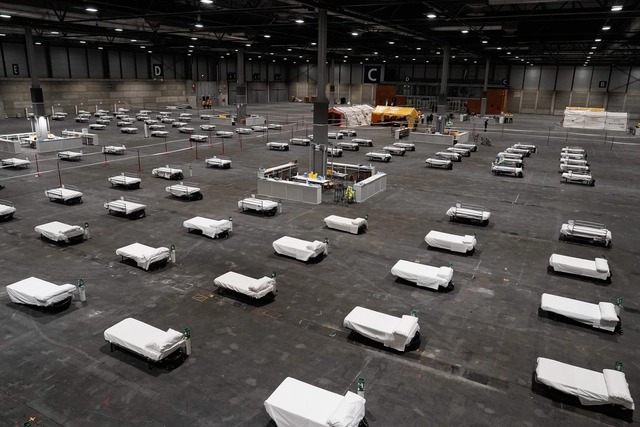
Just like us, words have a history. The word cure comes from Latin and is linked to the act of caring. This same root gives rise to the word *curator*, the person responsible for a collection or an institution, for example. Meanwhile, care, in the medical sense, was perhaps first described by Celsus: In hoc casu medici cura esse debet, ut morbum mutet (In this case, medical care is indicated to change the course of the disease) [1]. Today, when we think of a cure, we often speak of it as an isolated event within a given treatment. A cure for the flu. A cure for cancer. A cure for the novel coronavirus. A finish line that ends a journey. However, it is important to think of healing as a process that depends on multiple factors.
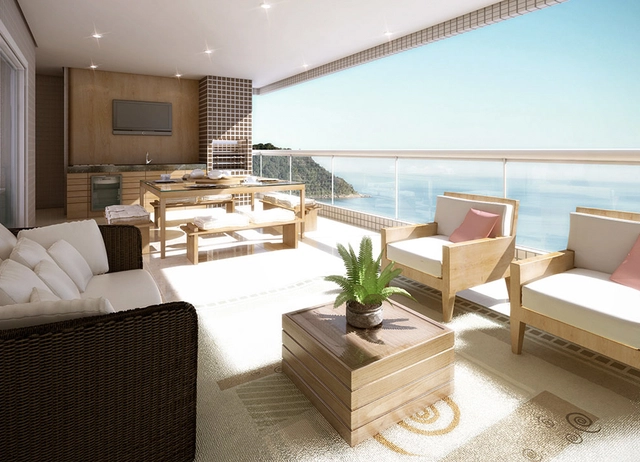
Most real estate brochures proudly showcase a specific feature: the gourmet balcony. Have you ever stopped to think that perhaps these spaces, typically equipped with a barbecue grill, say more about real estate speculation than about the actual barbecue culture in Brazil?

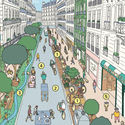
Living, working, and experiencing cities with vibrant streets, downtowns, and parks, adequately sized sidewalks, efficient public transit, and low congestion levels are shared aspirations worldwide. Achieving these conditions is no easy task, and cities that offer them certainly did not do so through car-oriented planning.
With populations daily subjected to poor examples of how a city should function, certain paradigms, phenomena, and policies continue to hinder the planning and operation of “cities for people.”

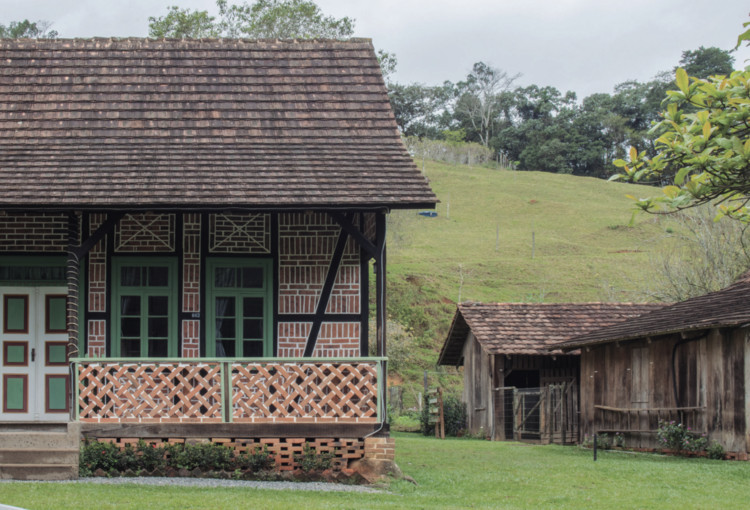
A watercolor-illustrated tourist map, a mobile application available for Android and iOS, and two books gathering stories from the neighborhoods of Rio da Luz, in Jaraguá do Sul, and Testo Alto, in Pomerode—both in Santa Catarina—comprise the Projeto Lumiar. The initiative will launch these products online at 7:00 PM this Thursday, the 8th. The result of two years of research with local communities, the launch event is supported by the National Historic and Artistic Heritage Institute (Iphan).


Have you ever thought about walking? This is the question that GUIAPÉ SP — a guide presented here through an essay — asks its readers. From the cover on, it proposes walking through the city of São Paulo, charting a route that strategically passes through places where arriving on foot is precisely the point, revealing overlooked details, people, and urban life. This guide was not made for sightseeing, but rather to take its readers on a journey. Within its pages, the route and the sidewalks are not merely paths leading to destinations; they are part of the journey itself.
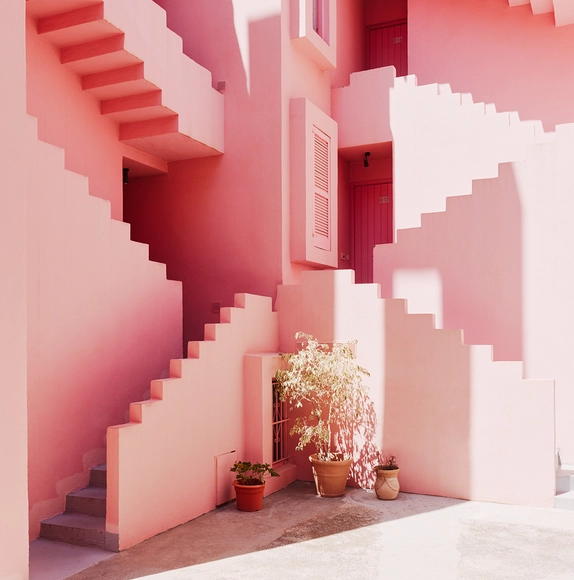
To talk about architecture and social media is to immediately think of Instagram. Launched in 2010, the app was characterized from the very beginning by combining photo sharing with typical social network features. Its success was extraordinary; within hours of its launch, it was already the most downloaded free photography app. Within two months, the number of registered users surpassed the one-million mark.

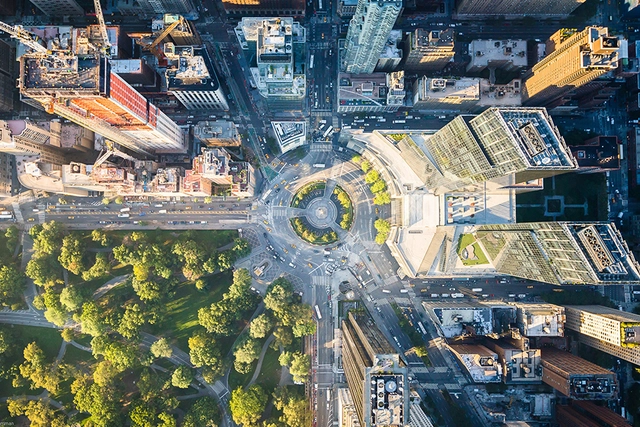
Paul Romer, a Nobel laureate in economics, believes that a key factor in the success of urban agglomerations is a clear definition of public and private space before the construction of a neighborhood or city begins.
The author illustrates the success of this strategy with a classic case: the New York street grid. Long before Manhattan Island was physically developed with streets or buildings, the Commissioners' Plan was established in 1807, outlining the gridiron of public and private spaces that would define the city's future.
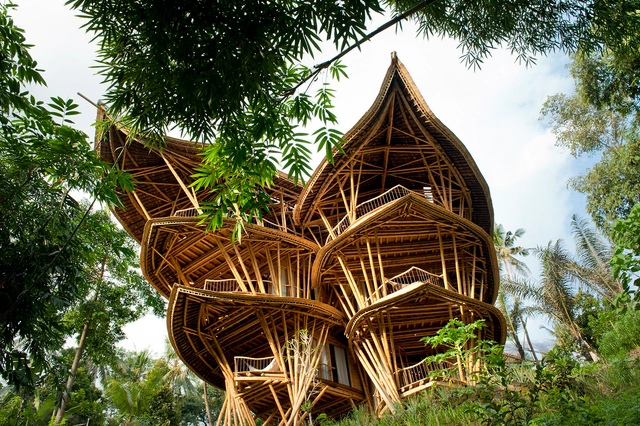
Sesc São Carlos, in upstate São Paulo, has launched a short video series on how permaculture works in practice. Produced by Associação Veracidade, the entire series will be available online for free.
Over six episodes, various social technologies will be presented, such as composting toilets, composting, solar ovens, and rainwater harvesting, among others. Viewers can explore the various ecological possibilities that can be integrated into a sustainable home—even in urban spaces.
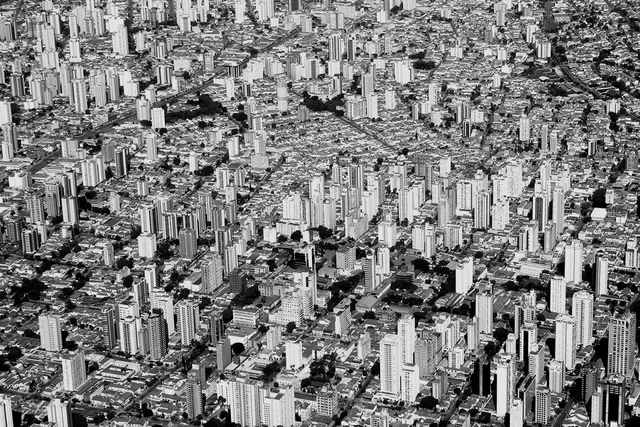
On October 29, the 2020 Inequality Map was launched virtually. Produced by Rede Nossa São Paulo and the Cidades Sustentáveis program, the study maps indicators such as mobility, human rights, education, and health across the city's 96 districts.
Although the mapping was conducted using pre-pandemic data, the goal is for the information to guide the development of public policies to mitigate inequality indicators, which have been exacerbated by the COVID-19 pandemic.
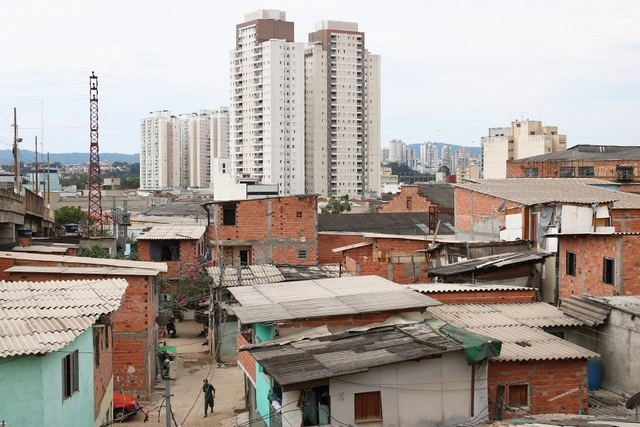
In the book “Quarto de Despejo – Diário de Uma Favelada” (published in English as Child of the Dark), Carolina Maria de Jesus recounts, in poetic and dramatic everyday language, the harsh reality of life as a waste picker living in the former Canindé favela in São Paulo, which at the time had about 50,000 residents.
Published in 1960, her text is considered a milestone in Black women's writing in Brazil and has been translated into more than thirteen languages. Carolina's entries offer a unique perspective on the extremely precarious living conditions of a favela resident in late-1950s Brazil—a narrative previously ignored or simply unknown to the general public, let alone to policymakers.

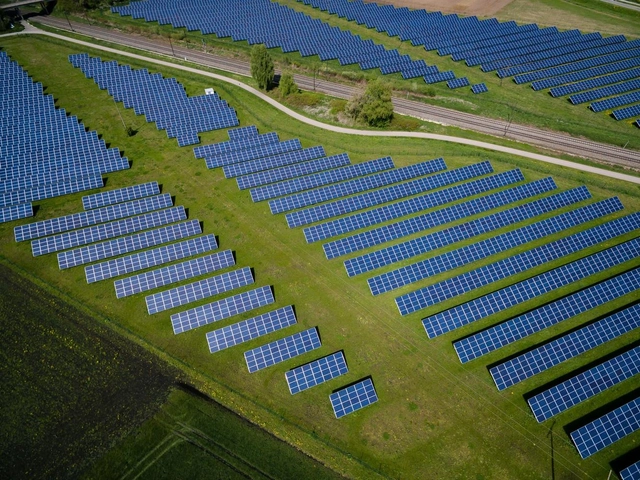
Solar energy is officially the cheapest way to generate electricity today, according to the International Energy Agency (IEA) in its newly released annual World Energy Outlook 2020 report. “With sharp cost reductions over the past decade, solar PV is consistently cheaper than new coal- or gas-fired power plants in most countries, and solar projects now offer some of the lowest electricity costs ever seen,” the document states.

São Paulo is immense and full of challenges. With twelve million inhabitants, Latin America's largest city struggles to provide a good quality of life for its residents. Traffic congestion is relentless. Public transit is still far from ideal. The Expanded Center concentrates a volume of jobs disproportionate to its population. Unsurprisingly, the daily commute is one of the main complaints of paulistanos.
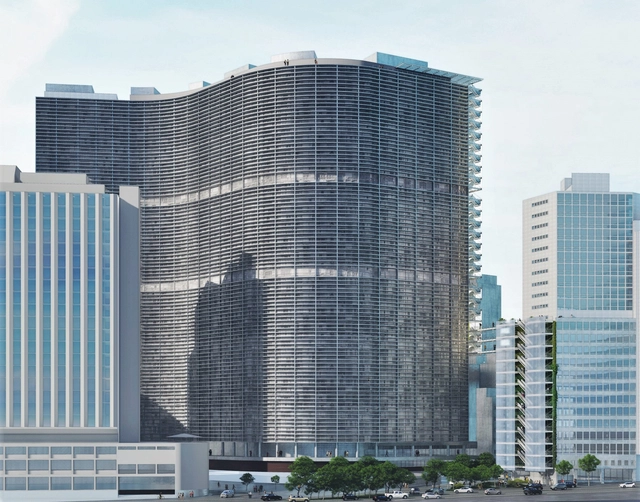
Geared toward Latin American architecture students, the Acero Prize aims to promote and encourage initiatives that complement pedagogical models, fostering innovative architectural ideas that use steel as a raw material. This year's edition, themed "Sustainable Cities and Communities," awarded first place to a team of two Brazilian students from FAUUSP.
“Architecture that does not touch the ground” is the name of the proposal developed by Augusto Longarine and Luiz Sakata, advised by Professor Luciano Margotto. With the same project, they won the 13th CBCA Competition (Brazilian Center for Steel Construction), the national stage preceding the Alacero competition. See the project below, accompanied by the project description written by the students.
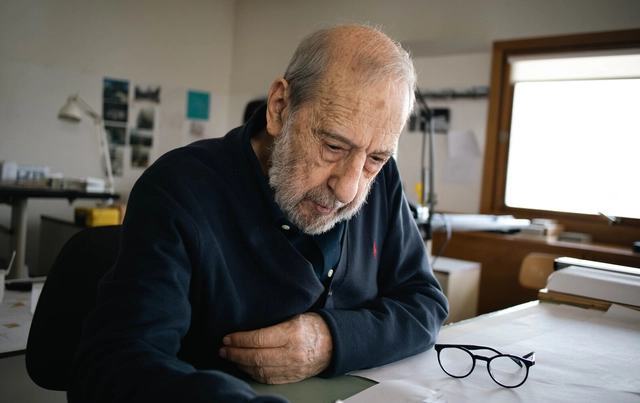
Álvaro Siza, Portugal's first Pritzker Laureate, is undeniably a figure of major importance in the history of contemporary architecture, with projects that have reshaped the urban landscapes of numerous cities around the world. While his name and work are widely known, Siza is a highly private and introspective person who prefers to keep his personal life out of the spotlight.
Directed by producer and director Augusto Custódio, the documentary SIZA offers a more intimate and personal look at the renowned Portuguese architect. The film covers his childhood, his relationship with his wife, his passion for sculpture, and his admiration for classical music, exploring his influences and professional journey.
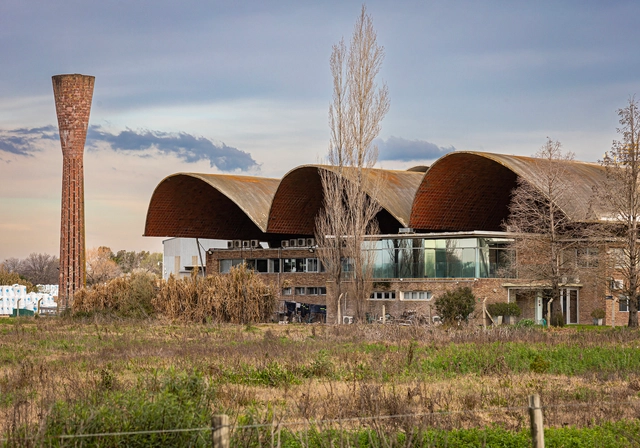
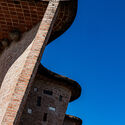
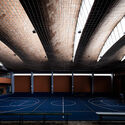
Far beyond the technical knowledge of his engineering background, Eladio Dieste (1917-2000) developed a rare architectural sensibility. He was a pioneer and master of reinforced masonry—essentially a relatively thin "shell" system in which ceramic blocks are compressed, steel bars are tensioned, and concrete binds the assembly together. Structural strength is enhanced through the design of complex spatial geometries that respond precisely to applied loads, thereby minimizing material use. This allows large spans and cantilevers to be achieved, while elegantly transferring loads to the ground.
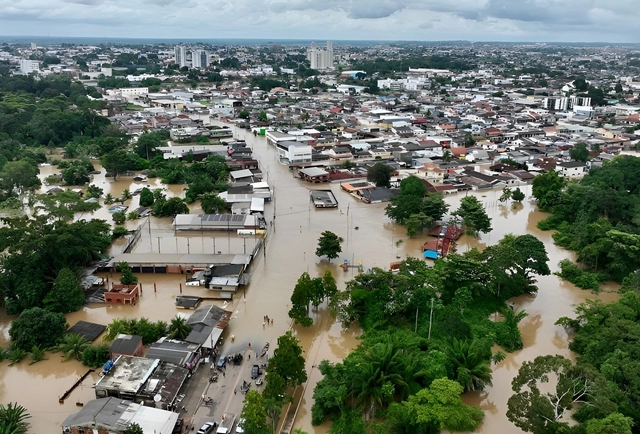
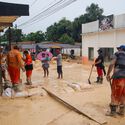
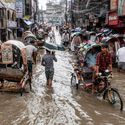
When heavy rains are forecast for their areas, 64% of Brazilians feel afraid. For 76% of those surveyed, cities are unprepared to face heavy rains, storms, or flooding. The data comes from a first-of-its-kind survey conducted by the Boticário Group Foundation for Nature Protection, in cooperation with UNESCO in Brazil, and with support from the National Association of Municipalities and the Environment (ANAMMA) and the Urban Bioconnection Alliance. The full results of the study will be presented on December 2 during the 28th UN Climate Change Conference, COP28, taking place in Dubai, United Arab Emirates.

The month of November is marked by various awareness-raising initiatives surrounding the struggle of Black people in a deeply racist society, and is, above all, an essential moment for white people to play an increasingly active role in anti-racist practices.

In an effort to bolster public care and personal hygiene services for the unhoused population, the Ministry of Human Rights and Citizenship (MDHC) has established the Street Support Points Program (PAR). The initiative aims to provide public spaces and facilities managed in partnership with civil society organizations.
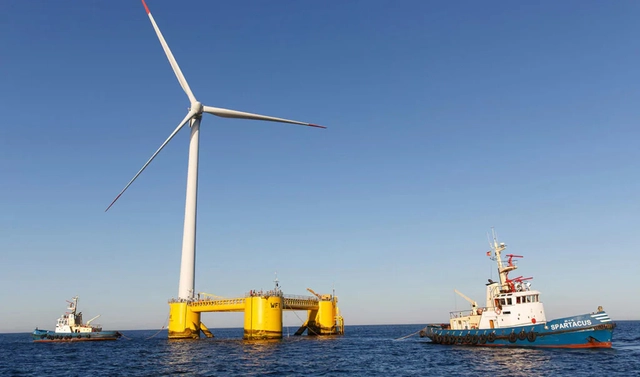
Between October 31 and November 6, 2023, Portugal produced more than enough renewable energy to meet the entire country's demand. While fossil fuel plants were still operational, the clean energy generated was more than sufficient to supply the grid. Consequently, consumer electricity rates dropped drastically.

The study titled Prioritize Active Transportation by Bicycle!, published by the Center for Metropolitan Studies (CEM)—a research center at the Faculty of Philosophy, Languages and Literature, and Human Sciences (FFLCH) of the University of São Paulo—presents an analytical planning tool for São Paulo's cycling network, comparing the current scenario with future planning through the lens of inequality.
Journalist Flávio Soares, a master's student at USP's Polytechnic School (Poli), a member of the CEM research team, and one of the paper's authors, explains the key factors analyzed for the construction of bike lanes and cycle tracks in cities.
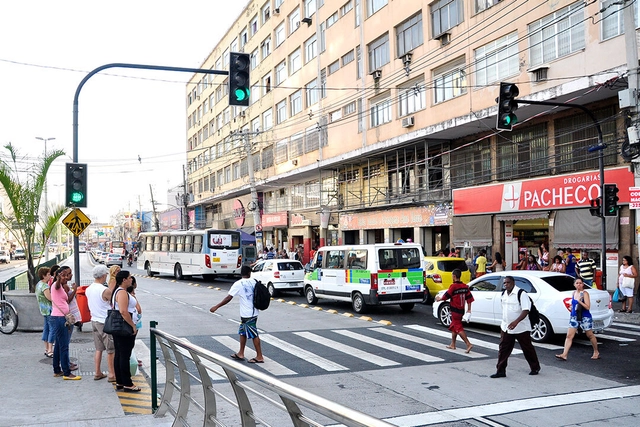
On the 6th, Rio de Janeiro Mayor Eduardo Paes requested CET-Rio, the municipal traffic management agency in the capital, to adjust the speed limits along the waterfront roads. This measure is of paramount importance given that, according to City Hall, more than 600 people lost their lives in traffic crashes in Rio last year, with over 60% resulting from pedestrians being struck by vehicles.
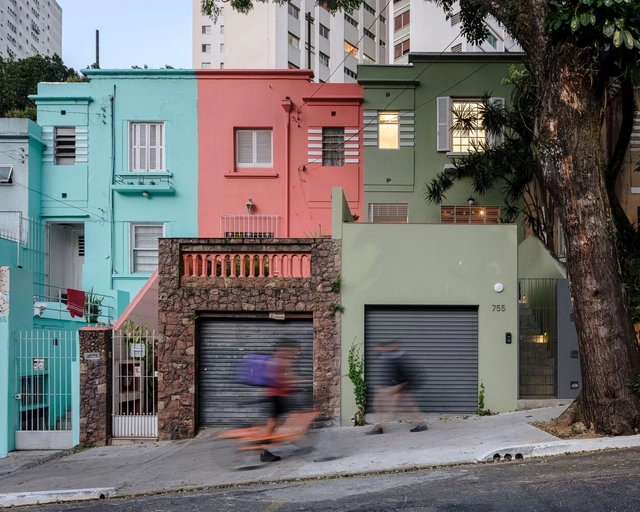
As the end of the year approaches, it brings the opportunity to reflect on the standout architectural moments of 2023. With this in mind, we looked at the most liked photos on ArchDaily Brasil's Instagram.

On December 2, the 26th National Congress of Architects concluded at the Bíobio Theatre with a moving ceremony that featured the presentation of the 2023 CA Awards, a keynote lecture by National Architecture Prize winner Fernando Pérez Oyarzún, and the submission of the congress's final resolutions, which will serve as a mandate for change for the National Board of the Chilean Association of Architects.