This guide covers a workflow that moves from project parameters to generated floor plans, 3D perspective views, exterior design exploration, and site context visualization, using AI tools in place of preliminary CAD and rendering work.
This guide covers a workflow that moves from project parameters to generated floor plans, 3D perspective views, exterior design exploration, and site context visualization, using AI tools in place of preliminary CAD and rendering work.
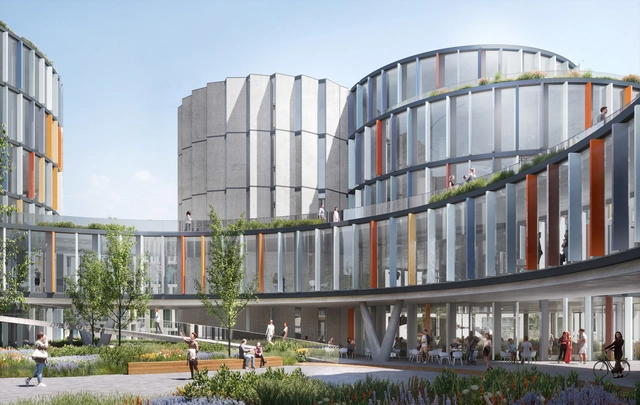
In the northern area of Greater Buenos Aires, Nordelta has been developing a new urban project across its 1,700 hectares for around 30 years. Initially conceived for low-density residential use, it now also includes medium- and high-density housing, educational, recreational, and service facilities, as well as production and supply hubs, among others. Area Beta is located in the southern part of Nordelta, designed to complement this mixed-use and service urban sector.
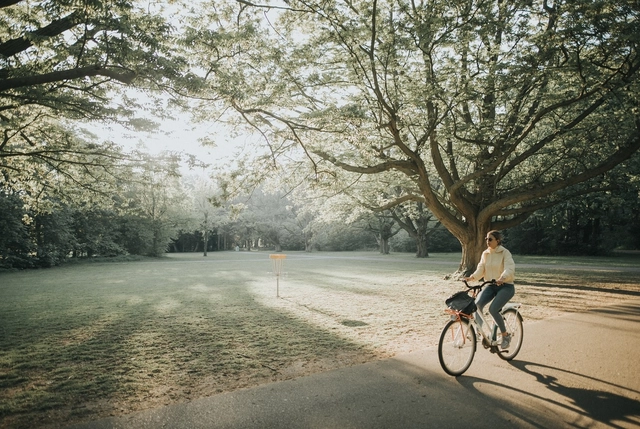
Those interested in purchasing low- or zero-emission transportation options can now access a new line of credit. This month, Banco do Brasil (BB) launched the BB Crédito Mobilidade line, which will finance items such as bicycles, kick scooters, electric or manual scooters, and motorcycles under 125cc, with repayment terms of up to five years.
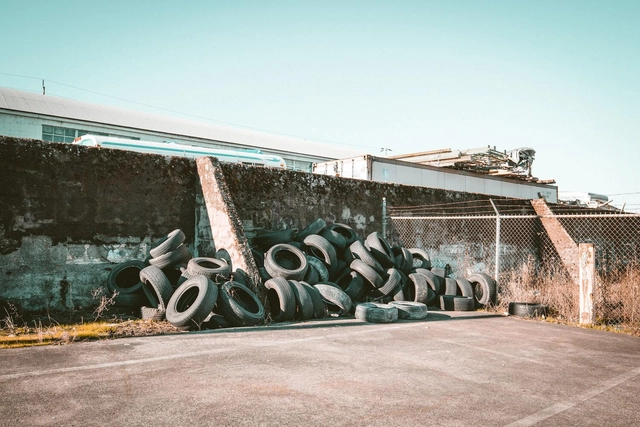
Rubber from discarded tires can replace 100% of conventional aggregates used in manufacturing concrete. This is what engineers at RMIT University in Melbourne, Australia, have discovered. The concrete made with the material meets building codes and promises to boost the circular economy.
This “greener concrete” uses rubber from discarded tires instead of gravel and crushed stone. According to the team that developed the material, the new concrete is lighter and promises to significantly reduce manufacturing and transportation costs.
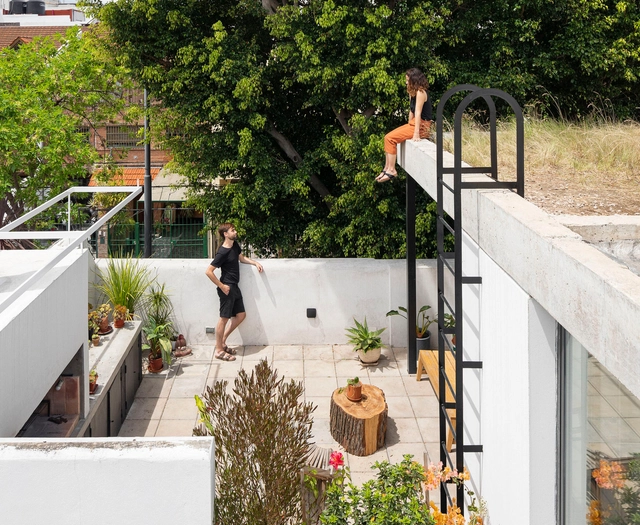
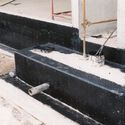
Concrete, metal, or wood—all building materials degrade over time when exposed to water and moisture. Moreover, every building element is exposed to weathering to varying degrees, from the foundation to the roof. Consequently, protective layers must be incorporated to prevent water from contacting raw materials—a process known as waterproofing—ensuring the structure's maintenance and longevity.
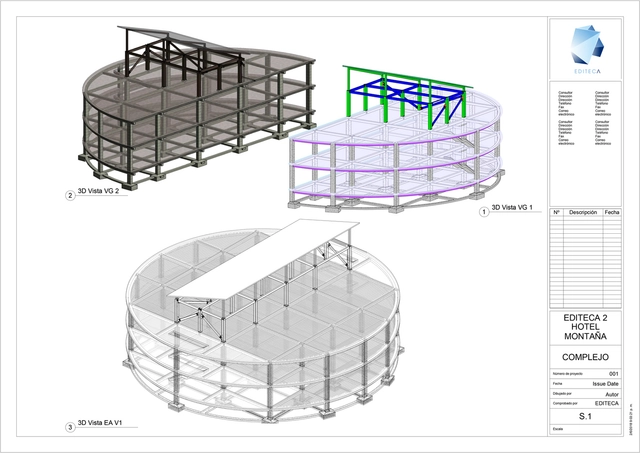
BIM methodology is currently booming and on the lips of every industry professional, making it essential for any sector expert to keep in mind. In this article, we review the five most relevant factors to help you assess your compatibility with BIM, according to Editeca.
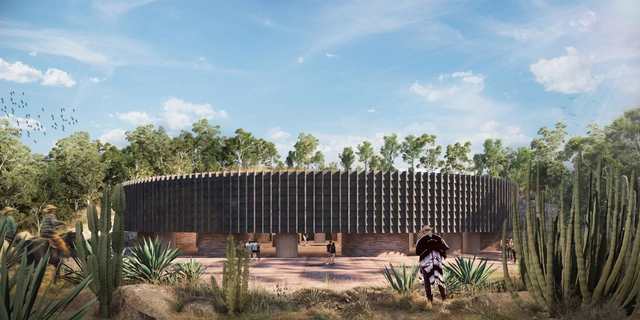
As part of a new collaboration between the Mexico City-based firms, Esrawe Studio and Francisco Pardo present "Biodynamic Community," a new project in Los Altos de Jalisco, Mexico. The development will be built on an 820,000-square-meter site and will have a total built area of 29,700 square meters.
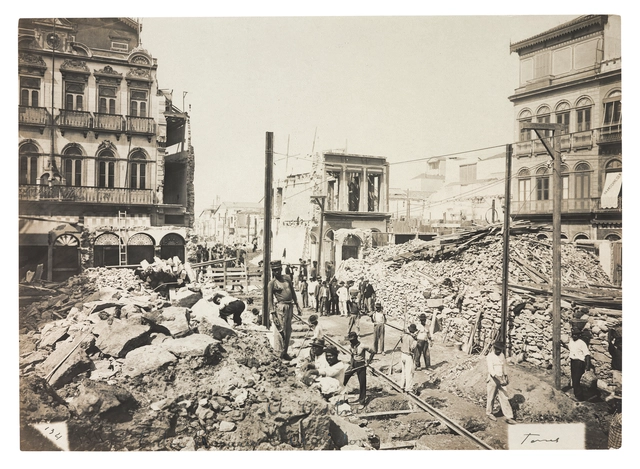
On September 13, IMS Paulista opens the exhibition Moderna pelo avesso: fotografia e cidade, Brasil, 1890-1930. With free admission, the exhibition features photography from some of the country's major capitals—Porto Alegre, São Paulo, Rio de Janeiro, Belo Horizonte, Recife, and Belém—during the First Brazilian Republic, from 1889 to 1930. The exhibition documents radical urban reforms that took place during this period, addressing the tensions and contradictions of these processes, which altered landscapes and the ways people lived in and moved through cities.
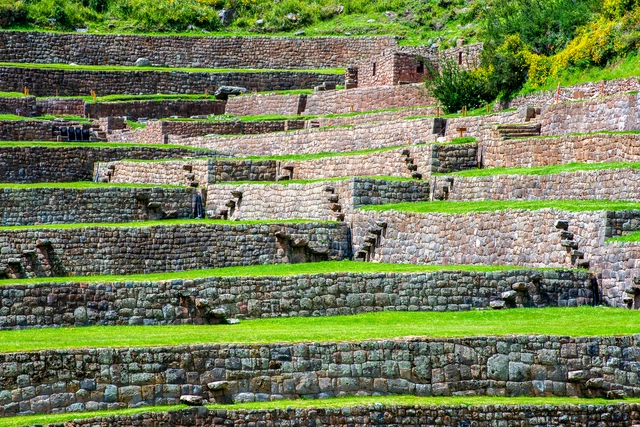
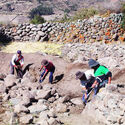
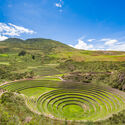
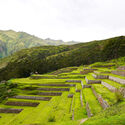
In sloped topographies, factors such as rainfall and excess water promote surface runoff, triggering a series of impacts that lead to the loss of soil, water, nutrients, and seeds, consequently reducing agricultural productivity (Posthumus, 2005). In Andean mountain environments, this is compounded by water scarcity and variability, alongside the challenges of water retention (Canziani, 2007). To address these challenges, territorial transformations and modifications known as terraces and andenes emerged, representing some of the oldest infrastructural practices for soil and hydrological conservation and management. Their physical presence, productive use, and cultural relevance remain vital in many parts of the world today.
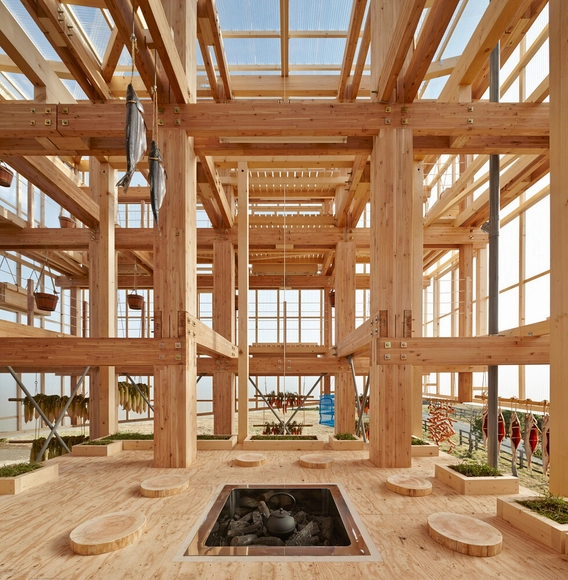
The footprint of urban construction is expanding rapidly. Globally, building floor area could double by 2060. Constructing and maintaining urban infrastructure requires significant amounts of energy and material resources. Consequently, how cities build—and with what materials—directly impacts whether sustainability goals are achievable or even realistic. Cities must ensure they are using low-impact, renewable materials. This challenge presents a clear opportunity for wood.
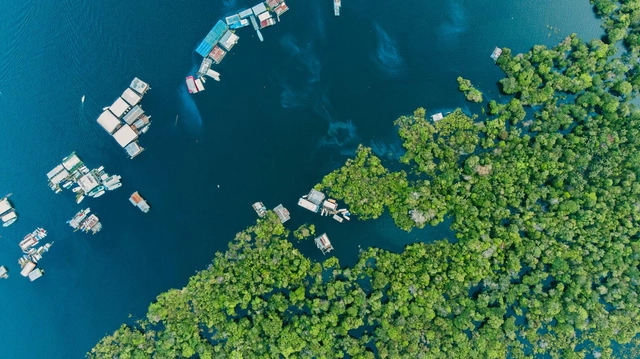
Amazon Day was celebrated on the 5th of this month. Established in 2007, the date aims to raise awareness about the importance of this biome, which is essential to the planet's environmental and climate balance. Constantly under threat and shaping a contested territory, Earth's largest natural biome is a frequent site of human intervention. How have architecture and urbanism engaged with this context?
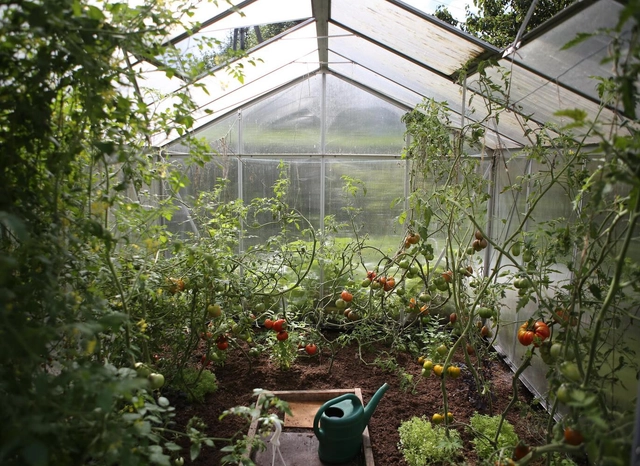
Rio de Janeiro will host the world's largest urban garden, according to the organizers of the Hortas Cariocas program. The municipal government-funded initiative aims to promote "food sovereignty, generating self-sufficiency through organic products, and creating gardens in municipal schools and communities across Rio."
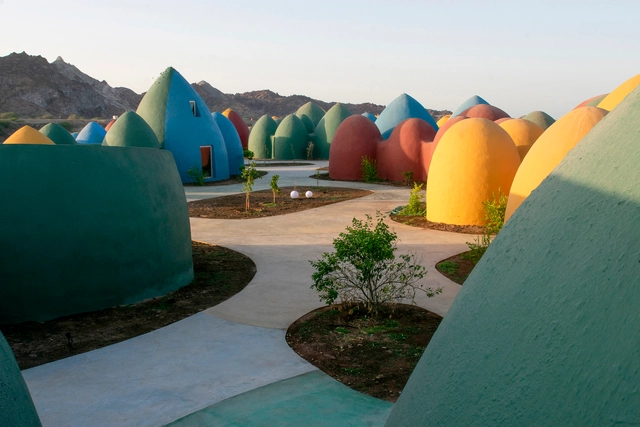
Together with publisher gestalten, we recently published our first book: The ArchDaily Guide to Good Architecture. It represents a pause to reflect on the more than 40,000 projects curated over the past 15 years, drawing from their contributions to answer the ambitious question of what constitutes good architecture.
Now, it is your turn—our readers—to tackle this question.

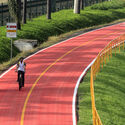
The use of bicycles has grown in recent years, altering the landscape of Brazil's major cities. Among the factors that may have contributed to this shift, one of the most prominent is investment in cycling infrastructure. Data from a Brazilian study reinforces this perspective, demonstrating that bike lanes are a determining factor for those who do not yet ride to take up cycling.
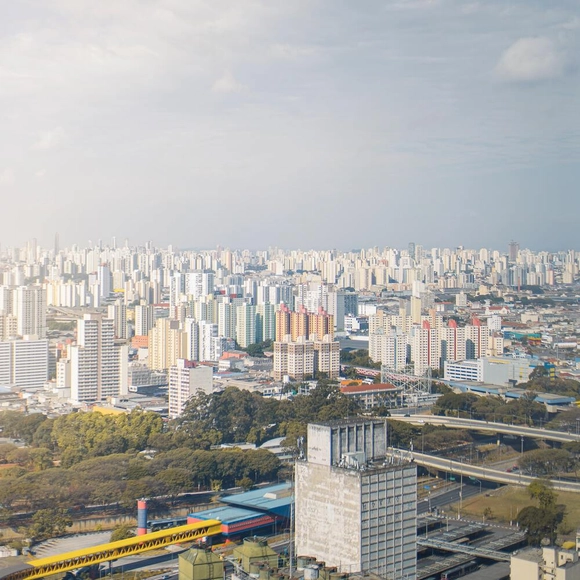
In Brazil, urban policies are commonly assumed to be the responsibility of either municipalities or the federal government. However, there is another level of government that cannot be overlooked: the states. State urban policies are just as important as municipal and federal ones.

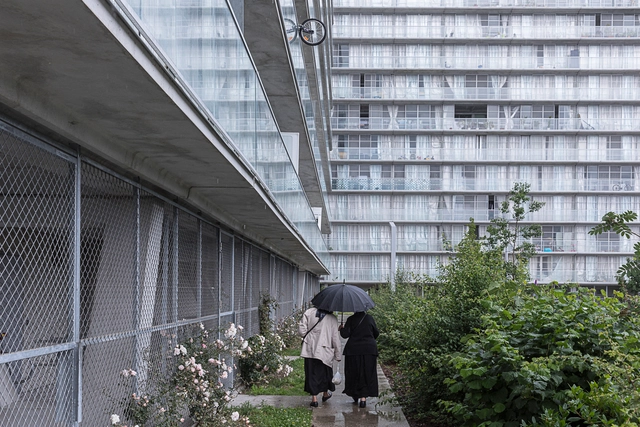
It is increasingly common to see contemporary families seeking housing options that not only meet their social, economic, and cultural conditions, but are also capable of responding to their future residential needs. At the same time, we witness the emotional, physical, and financial effort required to transform and adapt existing spaces to accommodate family changes. Consequently, designing evolutionary and adaptable housing has become one of the greatest challenges for architects today.




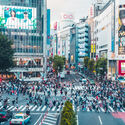
Noise, high-rises, cars, buses, subways, and a relentless flow of people coming and going. This is how large cities are portrayed in cinema. This imagery is compounded by distant personal relationships and the promise of anonymity within the crowd, shaping a vibrant, connected routine that can also feel oppressive and isolating. Today, we find ourselves in a constant search for balance between the benefits of the megacity and the challenges imposed by its scale.
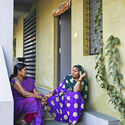
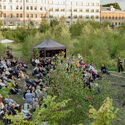

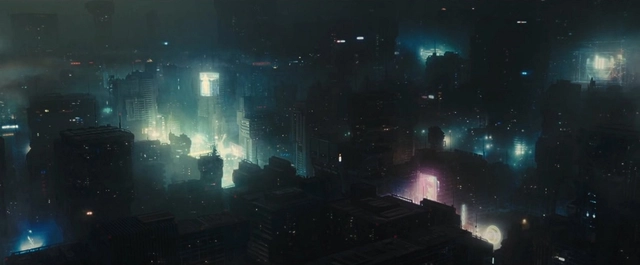
The Santiago Architecture Film Festival is celebrating its first decade since its inaugural edition in October 2012. To mark this milestone, it has invited members of its community to answer the question that has guided its work: What do we talk about when we talk about film and architecture?
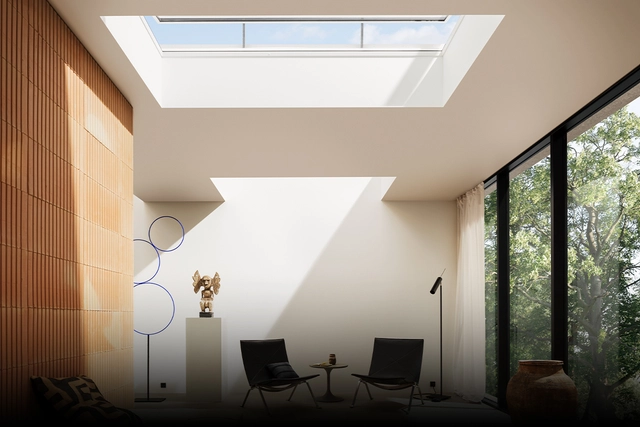
Natural light is a key design element that can improve indoor comfort in architectural projects. VELUX Academy offers courses, videos on daylighting design, and information modules featuring exclusive content on the subject. This expert-curated content challenges how architects and designers think, ensuring the best possible design outcomes for their clients.
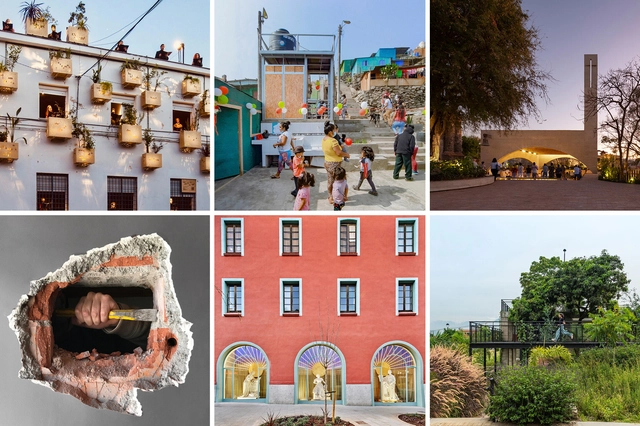
The 12th Ibero-American Biennial of Architecture and Urbanism (BIAU) announced today on its website the winners of its four categories: Works, Actions on the Margin, Publications, and Academic Programs.
A total of 9 works and 20 projects were named winners in this edition of the BIAU, an event organized by the Government of Spain through the Ministry of Transport, Mobility, and Urban Agenda (MITMA) via the General Directorate of Urban Agenda and Architecture. The biennial will take place within the framework of the MEXTRÓPOLI Architecture and City Festival in Mexico City from September 21 to 25.
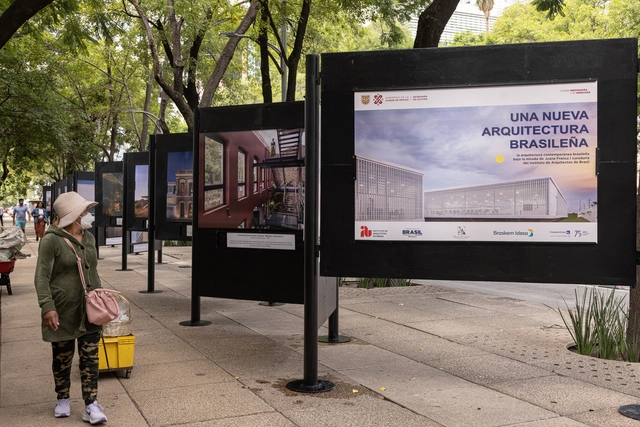
In early September, the Brazilian Embassy in Mexico launched the exhibition Una nueva arquitectura brasileña, curated by the Institute of Architects of Brazil (IAB) and featuring photography by Joana França. The exhibition is held entirely in a public space on Avenida Paseo de la Reforma, one of Mexico City's most prominent thoroughfares. Approximately one million people are expected to pass by the site during the exhibition run.

According to the National Fire Academy of Chile, a fire is defined as “fire out of control.” Once a fire starts, temperatures can reach 1000° Celsius, generating flames and smoke that endanger both human lives and buildings.
According to a report by ONEMI, the main causes of structural fires – those occurring in homes, buildings, and commercial premises – include domestic accidents, electrical failures, and gas leaks.

Today's world presents significant challenges for the press at large. Amid widespread debate over news consumption and journalism, architectural publishing is no exception. In a profession where images are paramount, the shift in landscape—from print to digital media—has brought numerous challenges, intensifying the competition for audiences. Social media has become a platform where people not only consume but also produce content.
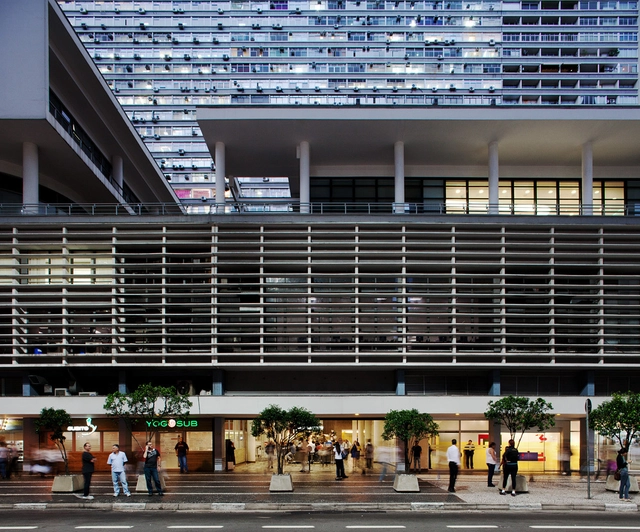
What is it like to walk past the buildings and houses on the street where you live? Or the street where you work, study, shop, or take your children to school? What relationship do these buildings and houses have with the sidewalk? How do they treat pedestrians? Do they make you want to walk past them? Do they welcome or repel?

Architectural lighting design is a broad subject, as it encompasses discussions on the physical and perceptual aspects of light, its applications in lighting projects, luminous effects, and the variables of comfort and performance. Furthermore, it is within the lighting design itself that the integration of natural and artificial lighting systems takes place. Arquicast invited two professionals from the field—one from the manufacturing industry and the other from design services—to outline the current state of this specialty in Brazil.