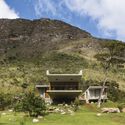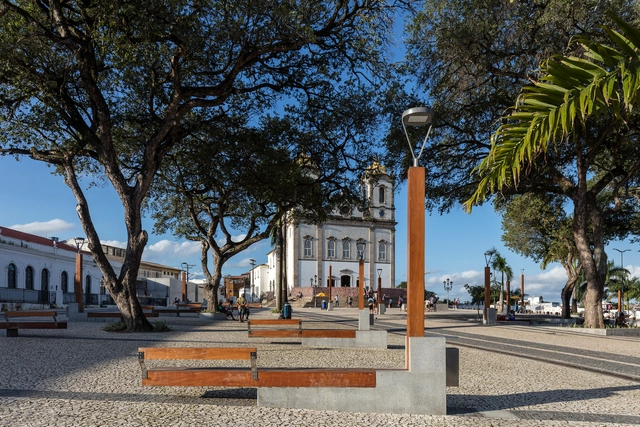
In this interview episode, Arquicast sits down with the founder of Sotero Arquitetos, architect Adriano Mascarenhas. A graduate of the Federal University of Bahia, his work spans a highly diverse range of scales and programs.
In this interview episode, Arquicast sits down with the founder of Sotero Arquitetos, architect Adriano Mascarenhas. A graduate of the Federal University of Bahia, his work spans a highly diverse range of scales and programs.
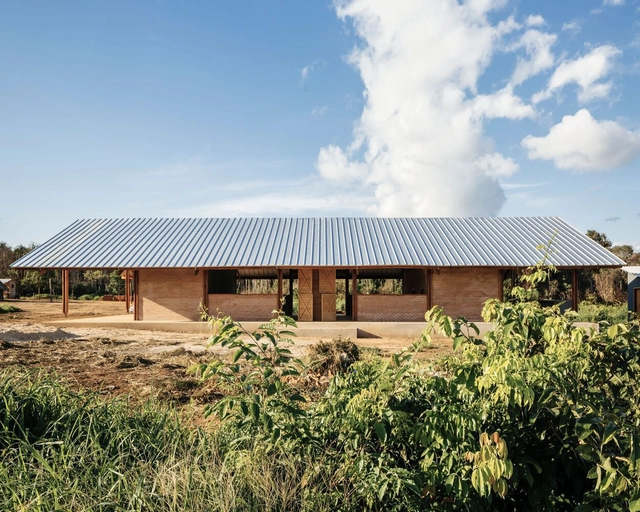
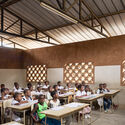
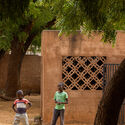
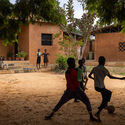
Arquicast sits down with Gustavo Utrabo, a Brazilian architect whose work stands out for its capacity for continuous experimentation and research. Having graduated in Paraná, his career includes academic and professional experiences at Harvard, MIT, Hong Kong, and Escola da Cidade. The episode covers his communication experience on the "Entre Mundos" podcast, the initial challenges of establishing an independent practice, the dynamics and structure of his current office, and notable projects like the Canuanã Children's Village. It also explores his vision for the future of the profession and a discussion on the role of social media.
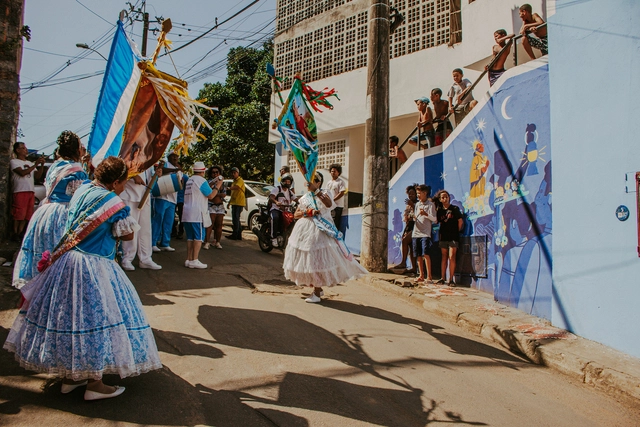
In this episode, Arquicast talks with the jury of the 9th Tomie Ohtake Akzonobel Architecture Prize about the behind-the-scenes of this prominent national award and the criteria used to select the projects. The conversation also explores the profile of each jury member, highlighting how their individual perspectives shaped the identity of this year's edition.
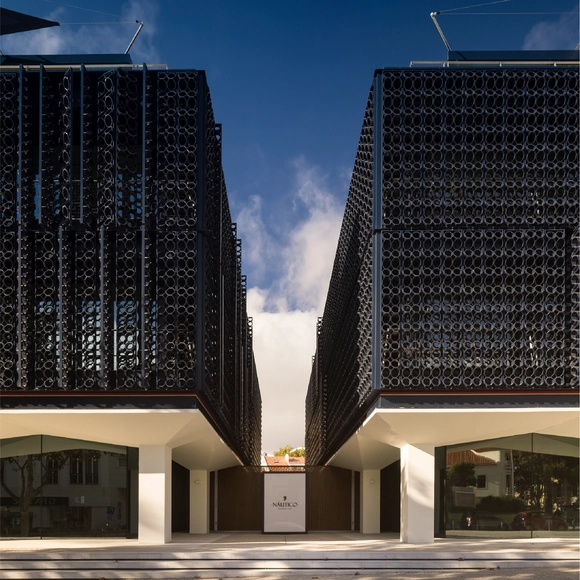
No País dos Arquitectos is a podcast created by Sara Nunes, who is also responsible for the architectural film production company Building Pictures. The podcast aims to get to know the professionals, projects, and stories behind leading contemporary Portuguese architecture. With just over 10 million inhabitants, Portugal is a fascinating country when it comes to this professional field, and its architectural output punches far above its weight relative to its population or territorial scale.
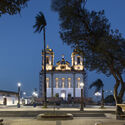
In this fifth-season episode, Sara talks with architect Tiago Rebelo de Andrade about the Náutico Building. Listen to the conversation and read part of the interview below.
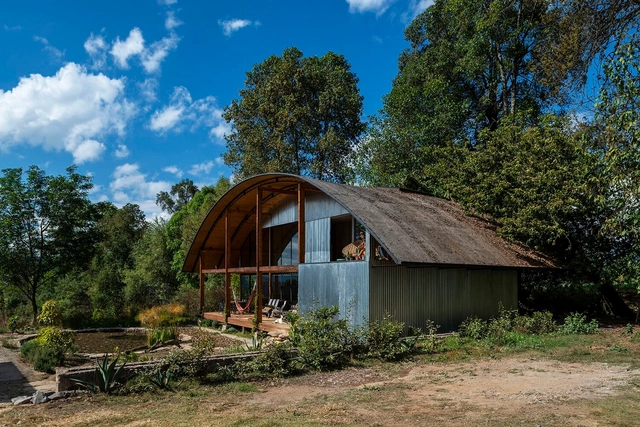
Agencia Social de Paisaje is a Mexico City-based practice driven by the conviction that landscape is a vital tool for designing new horizons. Drawing on logical and natural systems, they create coherent, functional, and holistic environments that foster a deep connection to place and its inhabitants. They are part of ArchDaily's Best New Practices of 2023.
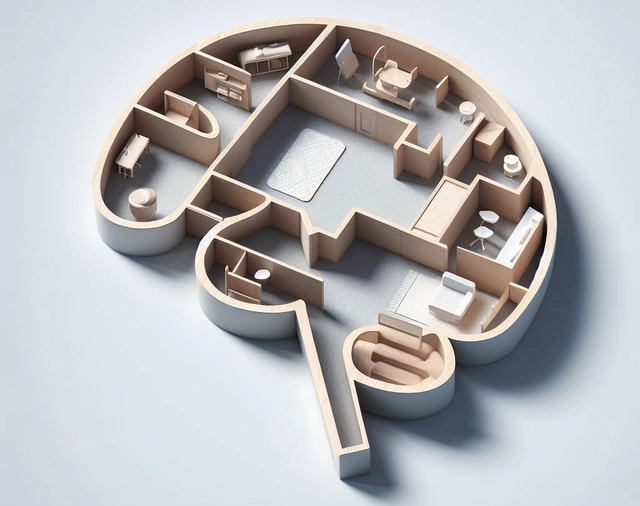
Neuroarchitecture is a discipline that has gained prominence in architecture and interior design circles in recent years. It seeks to bridge the fields of architecture and neuroscience, with the goal of creating spaces that positively impact our well-being and behavior. Arquicast invited two experts in the field, Nicole Ferrer and Lori Crizel, to discuss the concept of neuroarchitecture, current trends in professional training, its scientific foundation, and the ethical and future implications of this approach.
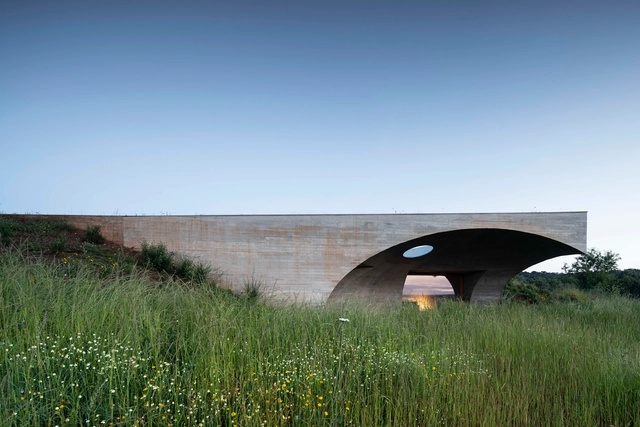
No País dos Arquitectos is a podcast created by Sara Nunes, who is also responsible for the architectural film production company Building Pictures. The podcast aims to profile the professionals, projects, and stories behind leading contemporary Portuguese architecture. With just over 10 million inhabitants, Portugal is a highly compelling country in this professional field, and its architectural output far exceeds its population or territorial scale.
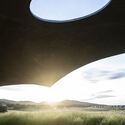
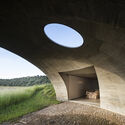
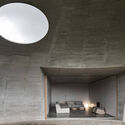
In the first episode of the sixth season, Sara talks with Manuel Aires Mateus of the firm Aires Mateus about the House in Monsaraz. Listen to the conversation and read part of the interview below.
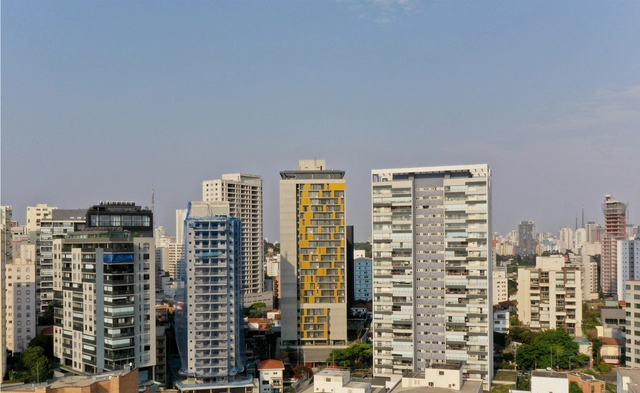
Episode 75 of Betoneira featured Otavio Zarvos, founder of the São Paulo-based real estate development firm Idea!Zarvos. In the interview, he spoke about his first project built in the Vila Madalena neighborhood, and how he attracted other investors, acquired surrounding properties, and began what would become one of the city's most prominent developers. His background in business administration helped him plan and run the numbers necessary for the venture to succeed.
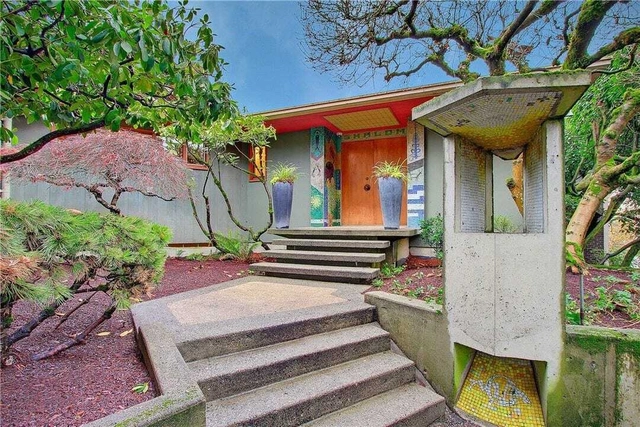
The Arquitetura Bicha collective emerged during the pandemic, driven by an interest in reading materials on gender and sexuality in architecture. Its members began meeting weekly to debate and investigate the bibliography suggested by each of them. Books on queer theory, feminism, and architecture inspired the collective, which launched an Instagram profile to share their discussions.
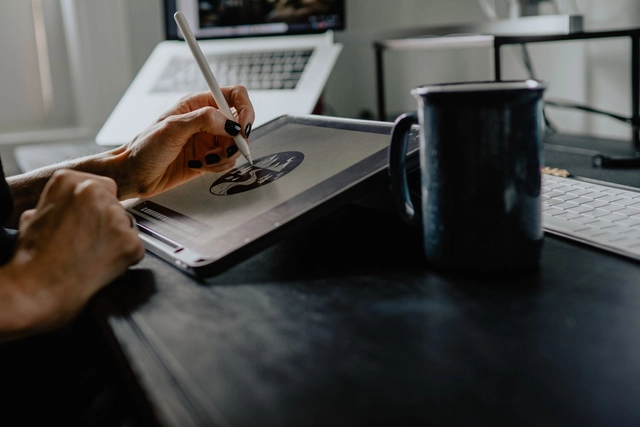
In the world of architecture, there is much more than drawing plans and constructing buildings. Architecture school offers a comprehensive education that goes beyond the specific technical skills of the profession. In this episode, we explore some of the valuable skills that architecture students learn throughout their academic journey — presented in the article 13 Non-Architecture Skills You Learn in Architecture School — and how these skills can be applied to various areas of life.
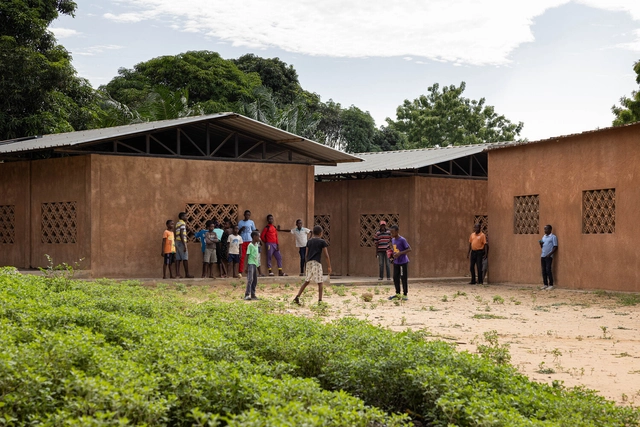
No País dos Arquitectos is a podcast created by Sara Nunes, who also runs the architectural film production company Building Pictures. The podcast aims to profile the professionals, projects, and stories behind landmark contemporary Portuguese architecture. With just over 10 million inhabitants, Portugal is a highly compelling country in this professional field, producing architecture that punches far above its weight relative to its population and territorial scale.
In this episode of the fifth season, Sara talks with architect Paulo Moreira about the Kapalanga School in Luanda, Angola. Listen to the conversation and read an excerpt of the interview below.
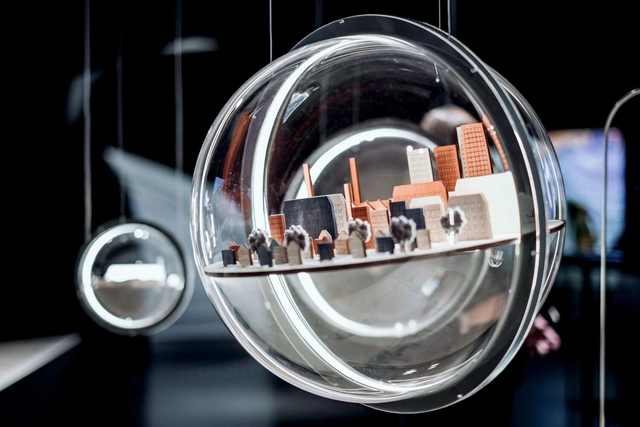
The topic of Artificial Intelligence (AI) has become ubiquitous across the news, spanning both entertainment and the workplace. This phenomenon also extends to the fields of architecture and urbanism. The emergence of ChatGPT highlighted the transformative potential of this technology, especially regarding language, raising concerns about its potential impact on how we work today.
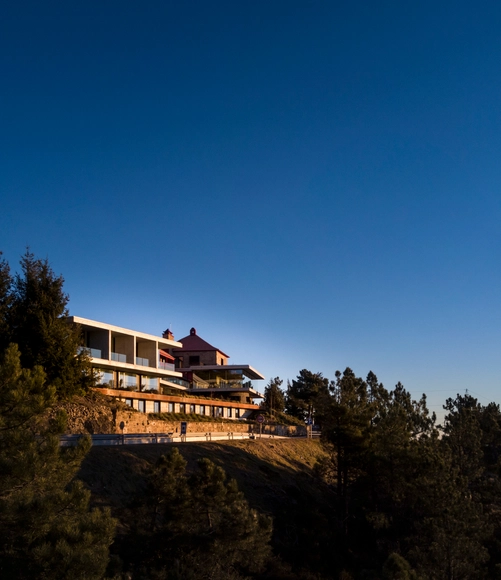
No País dos Arquitectos is a podcast created by Sara Nunes, who is also responsible for the architectural film production company Building Pictures. The podcast aims to get to know the professionals, projects, and stories behind benchmark contemporary Portuguese architecture. With just over 10 million inhabitants, Portugal is a highly intriguing country within this professional field, and its architectural output far exceeds what its population or territorial scale would suggest.
In this episode of the sixth season, Sara talks with architects Patrícia Marques and Paulo Costa of Site Specific Arquitectura, about the project Casa de São Lourenço – Burel Panorama Hotel. Listen to the conversation and read part of the interview below.
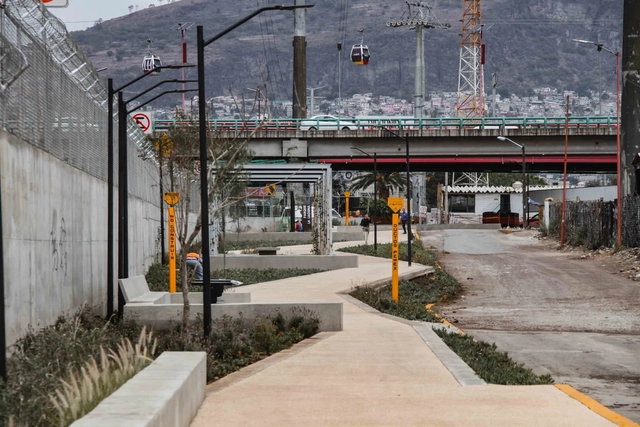
Cities worldwide face growing challenges in urban planning and the creation of sustainable, engaging public spaces such as green areas. In response, new approaches have emerged to integrate green landscapes into municipal public spaces. These sites play a fundamental role in the development and transformation of cities; for a long time, they have served as the stage for social interaction, cultural expression, and the exchange of ideas.
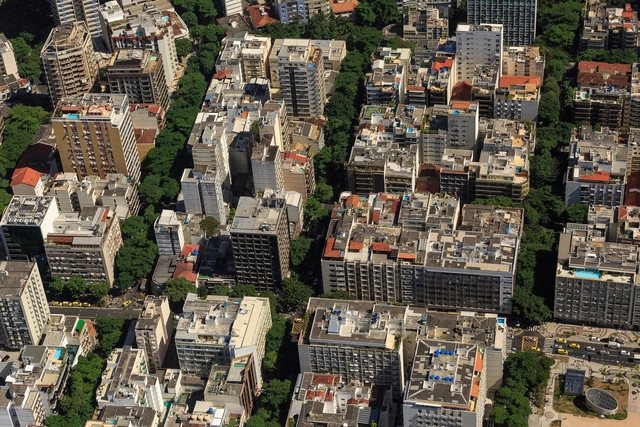
Major cities like Rio de Janeiro, São Paulo, and Belo Horizonte have been transforming their downtown areas into more residential zones, reclaiming a past of greater vitality. Rio de Janeiro pioneered this trend with the launch of its Reviver Centro program in 2021. More recently, São Paulo launched Todos pelo Centro, which also aims to “promote transformative actions in downtown São Paulo, bringing new life alongside the city's memories and history.”
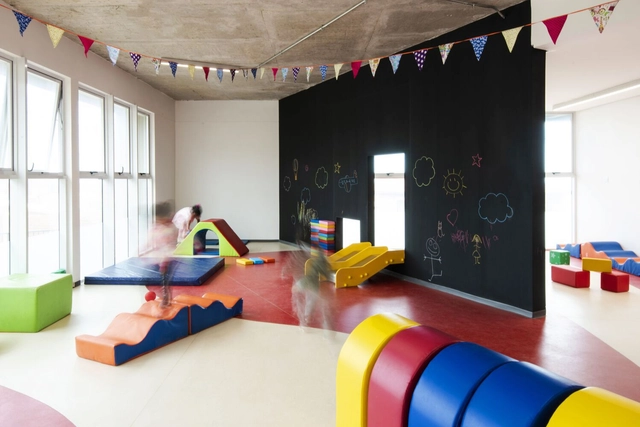
Preschool is more than just a place to leave young children; it is a space that allows them to connect with their imagination and senses through the colors, textures, and layout of their environment. In Chile, many architects have committed to translating these learning opportunities into the architecture itself.
From the recently built Golondrina Preschool and Nursery in Valparaíso to the renowned Bambú Preschool in Santiago, we present a selection of outstanding projects that leverage these attributes, enabling both children and educators to engage in their activities in dynamic and creative ways.
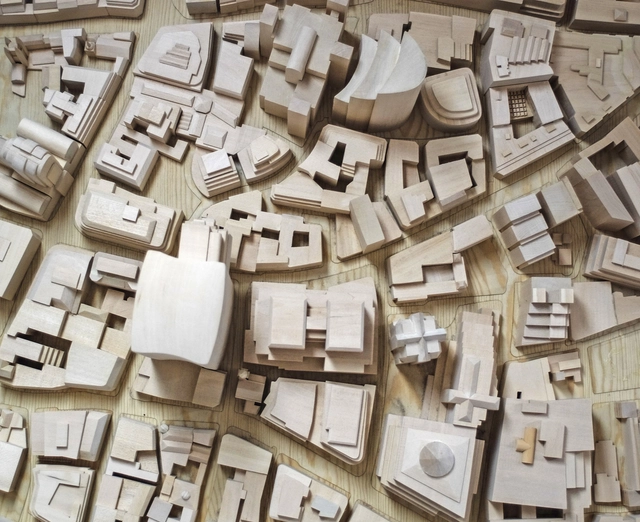
There is no doubt that architectural models are among the oldest forms of architectural representation. In the first episode of the year, Arquicast discusses this theme within the context of publications and debates on the training of new professionals. After all, models are ubiquitous: they are found in architecture exhibitions (often built exclusively for them), in museums as part of the exhibits, and in architecture offices, where they are typically finalized for the big presentation day.
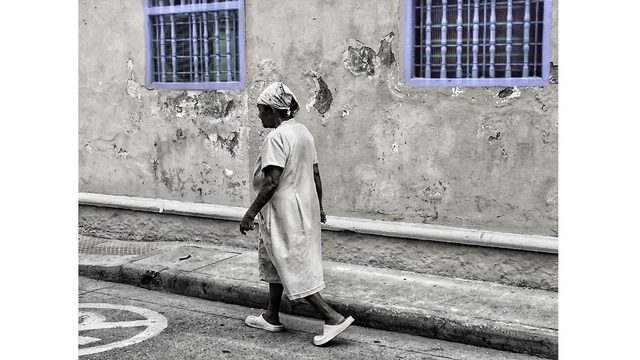
The exclusion of women from the production of space is palpable, reflecting a landscape of insecurity and vulnerability. In this context, urban mobility as we know it reproduces the gender, racial, and class inequalities of our society. Whether through walkability or public transit, the fact remains that current transit patterns do not align with the needs of women—especially those who identify as Black or Brown and have lower incomes. Therefore, we aim to focus specifically on how concepts of intersectionality operate within urban mobility as a social right for all.




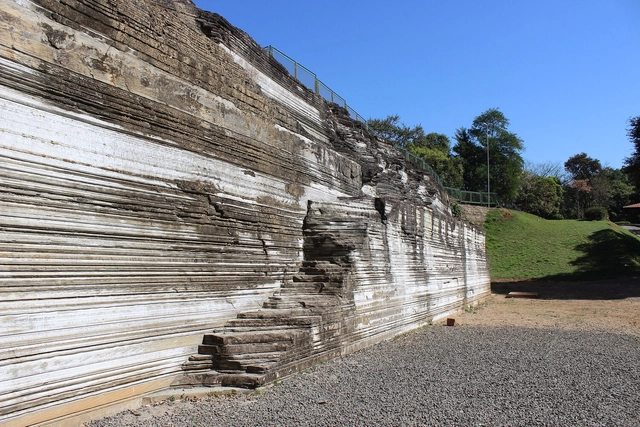
Studies link green areas to a reduction in anxiety and depression, boosted immunity in children, relief from loneliness in cities for adults, and even increased intelligence. Seeking outdoor leisure activities in contact with nature offers numerous benefits. To help you choose interesting places to visit in the state of São Paulo, we present a list of ten protected environmental heritage sites, compiled by the São Paulo State Secretariat of Culture and Creative Economy.
According to the Secretariat of Infrastructure and Environment, the State of São Paulo has 5,670,532 hectares of native vegetation in various stages of recovery. This area is equivalent to 22.9% of the state's territory. Below, check out some of the spaces that preserve this greenery. In addition to urban parks, trails, and campsites, the list even includes the headwaters of the Tietê River.

As 2023 begins, looking back at 2022 reveals a year of profound shifts, challenges, and boundary-pushing opportunities for architectural practices worldwide. Navigating these new unknowns, we have compiled our interviews from the past year with a diverse range of firms and practitioners. This retrospective explores how legacy firms with over two decades of practice continue to thrive, how the profession is adapting to technological frontiers like the metaverse and artificial intelligence, the challenges material experts are tackling, and how a new generation of architects is shaping the future of the discipline. Read on for our annual roundup of conversations.
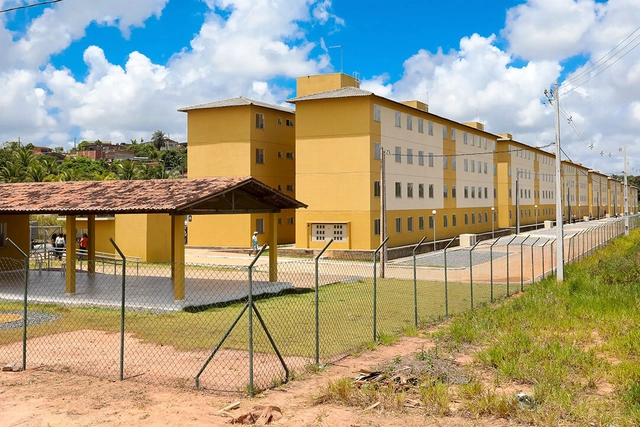
I suspect many readers here experience the same, shall we say, “predicament” as I do: as soon as we step outside our “bubble,” advocating for urban design principles that seem obvious to us — such as eliminating fences and walls, and promoting public access, visual permeability, mixed-use zoning, and active frontages — inevitably runs into the same obstacle: the lack of public safety.
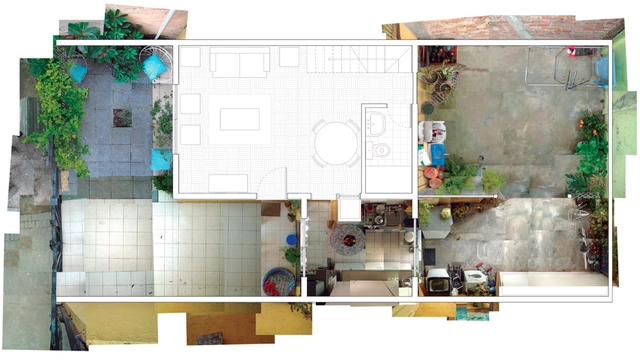
This article by Carmen Espegel was originally published in the 16th issue of revista rita under the title "Alegato pedagógico en Talca" (A Pedagogical Plea in Talca). The following text explores the unique approach to teaching design studios at the School of Architecture of the University of Talca (Chile), where territory, materiality, and the social sphere converge in a constructive thought and action carried out by students in their own homes, aiming to critically reformulate how we dwell.

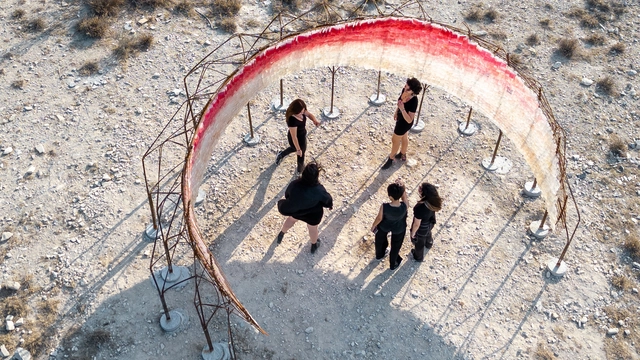
The Centro de Estudios Superiores de Diseño de Monterrey (CEDIM) presented "Cámara Clara," an installation that seeks to dialogue with the sun within the semi-arid landscape of the northern city of Monterrey, Mexico. This ephemeral installation, created by CEDIM students, does not fight against the sun, as architecture so often does, but rather celebrates its presence and orbital rhythms, allowing viewers to contemplate it through its skin from a precise central vantage point within the structure.
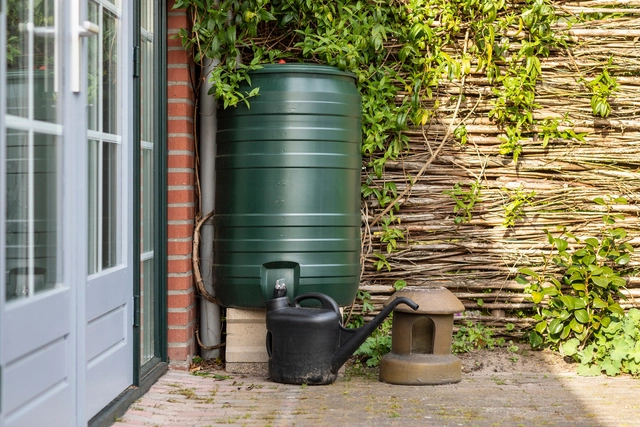
Each person needs about 110 liters of water to meet their daily consumption and hygiene needs. However, in Brazil, daily consumption can exceed 200 liters per person, according to Sabesp. Due to high water pressure in apartment buildings, this consumption can be even higher. Furthermore, the country loses about 40% of all treated water captured, according to 2022 data from Instituto Trata Brasil. Nonetheless, at least within the home, this waste of clean water can be mitigated through a few simple changes.