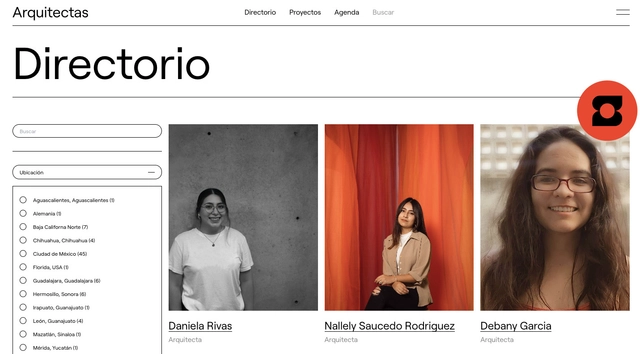
Nearly three years ago, the platform arquitectas.mx was launched as an initiative by Mexican architects Mónica Suberville and Laura A. Gómez. Born from the desire to find ways to support, mobilize, and bring visibility to women in architecture, the platform offers a gathering space for professionals across different practices within the field, aiming to steer the profession toward inclusion, equity, and the improvement of cities through a gender perspective.
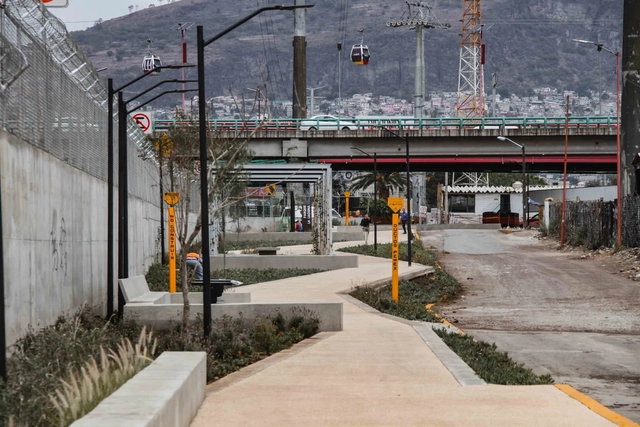
Cities worldwide face growing challenges in urban planning and the creation of sustainable, engaging public spaces such as green areas. In response, new approaches have emerged to integrate green landscapes into municipal public spaces. These sites play a fundamental role in the development and transformation of cities; for a long time, they have served as the stage for social interaction, cultural expression, and the exchange of ideas.
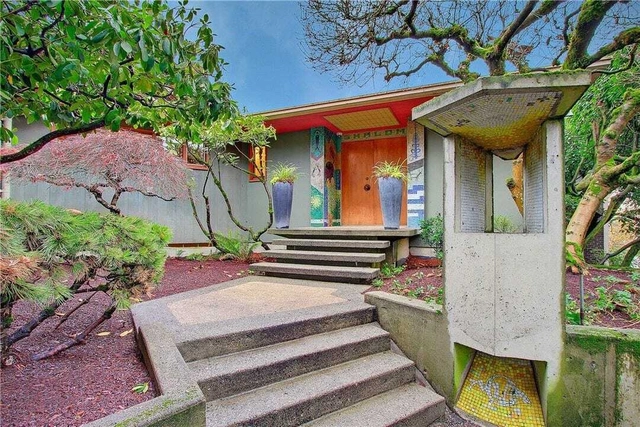
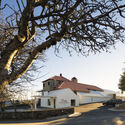
Max and Helen Gurvich Residence, in Seattle (1964). Built by Lionel H. Pries, architect and professor at the University of Washington Department of Architecture, who was fired from the institution for being gay
The Arquitetura Bicha collective emerged during the pandemic, driven by an interest in reading materials on gender and sexuality in architecture. Its members began meeting weekly to debate and investigate the bibliography suggested by each of them. Books on queer theory, feminism, and architecture inspired the collective, which launched an Instagram profile to share their discussions.
In the world of architecture, there is much more than drawing plans and constructing buildings. Architecture school offers a comprehensive education that goes beyond the specific technical skills of the profession. In this episode, we explore some of the valuable skills that architecture students learn throughout their academic journey — presented in the article 13 Non-Architecture Skills You Learn in Architecture School — and how these skills can be applied to various areas of life.
No País dos Arquitectosis a podcast created by Sara Nunes, who also runs the architectural film production company Building Pictures. The podcast aims to profile the professionals, projects, and stories behind landmark contemporary Portuguese architecture. With just over 10 million inhabitants, Portugal is a highly compelling country in this professional field, producing architecture that punches far above its weight relative to its population and territorial scale.
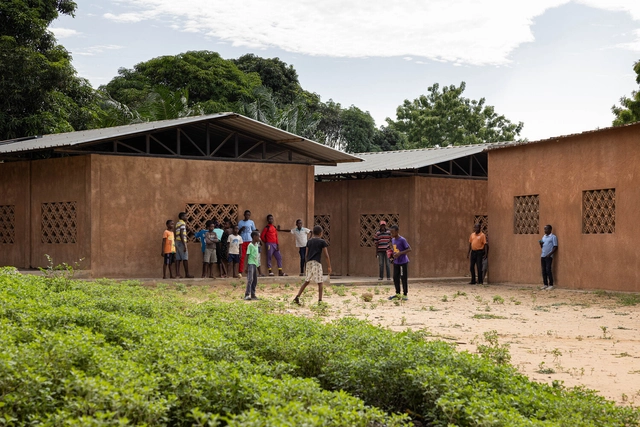
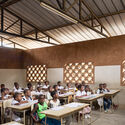
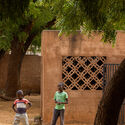
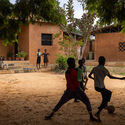
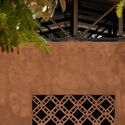
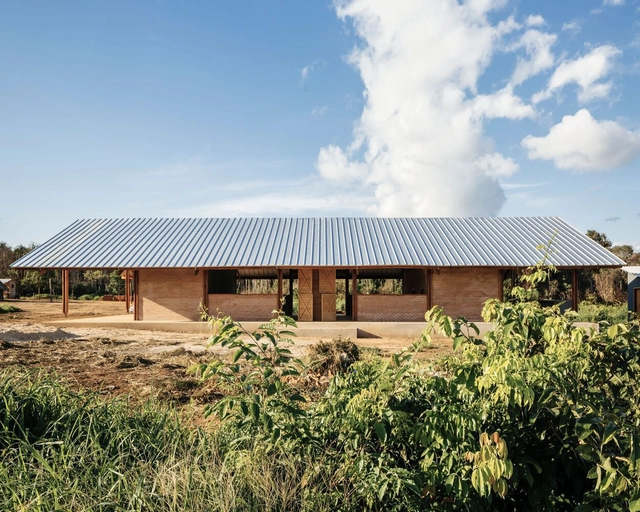
In this episode of the fifth season, Sara talks with architect Paulo Moreira about the Kapalanga School in Luanda, Angola. Listen to the conversation and read an excerpt of the interview below.
No País dos Arquitectos is a podcast created by Sara Nunes, who also heads the architectural film production company Building Pictures. The podcast aims to profile the professionals, projects, and stories behind leading contemporary Portuguese architecture. With just over 10 million inhabitants, Portugal is a highly fascinating country within this professional field, and its architectural output punches far outstrips what its population or territorial scale might suggest.
In this episode of the sixth season, Sara talks with architects Matilde Cabral and Francisco Adão da Fonseca, from the firm Pedrêz, about the studio's experimental practice. Listen to the conversation and read an excerpt of the interview below.
In this interview episode, Arquicast sits down with the founder of Sotero Arquitetos, architect Adriano Mascarenhas. A graduate of the Federal University of Bahia, his work spans a highly diverse range of scales and programs.
Arquicast sits down with Gustavo Utrabo, a Brazilian architect whose work stands out for its capacity for continuous experimentation and research. Having graduated in Paraná, his career includes academic and professional experiences at Harvard, MIT, Hong Kong, and Escola da Cidade. The episode covers his communication experience on the "Entre Mundos" podcast, the initial challenges of establishing an independent practice, the dynamics and structure of his current office, and notable projects like the Canuanã Children's Village. It also explores his vision for the future of the profession and a discussion on the role of social media.
The topic of Artificial Intelligence (AI) has become ubiquitous across the news, spanning both entertainment and the workplace. This phenomenon also extends to the fields of architecture and urbanism. The emergence of ChatGPT highlighted the transformative potential of this technology, especially regarding language, raising concerns about its potential impact on how we work today.
No País dos Arquitectos is a podcast created by Sara Nunes, who is also responsible for the architectural film production company Building Pictures. The podcast aims to get to know the professionals, projects, and stories behind benchmark contemporary Portuguese architecture. With just over 10 million inhabitants, Portugal is a highly intriguing country within this professional field, and its architectural output far exceeds what its population or territorial scale would suggest.
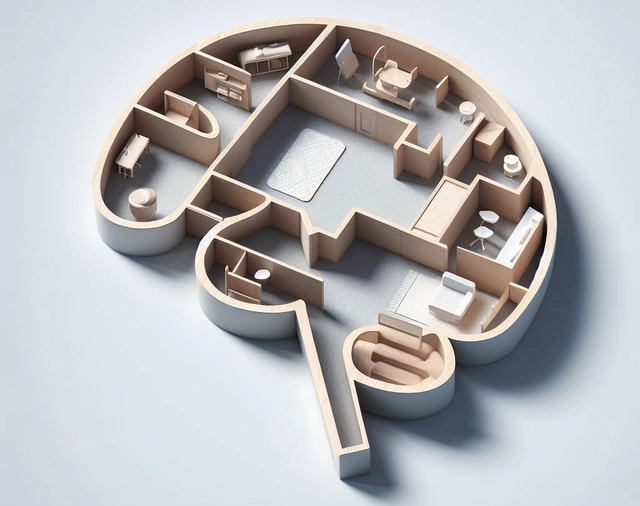
Neuroarchitecture is a discipline that has gained prominence in architecture and interior design circles in recent years. It seeks to bridge the fields of architecture and neuroscience, with the goal of creating spaces that positively impact our well-being and behavior. Arquicast invited two experts in the field, Nicole Ferrer and Lori Crizel, to discuss the concept of neuroarchitecture, current trends in professional training, its scientific foundation, and the ethical and future implications of this approach.
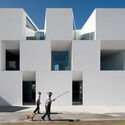
Photo by Diego Baravelli. Licensed under CC BY-SA 4.0
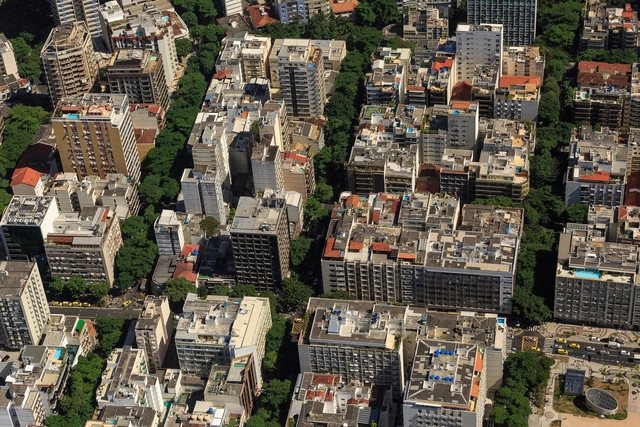
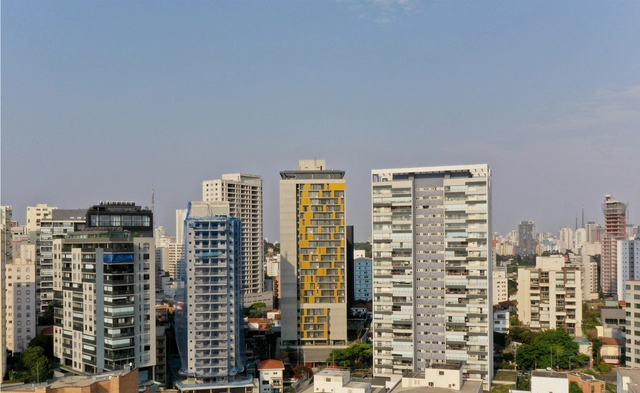
Major cities like Rio de Janeiro, São Paulo, and Belo Horizonte have been transforming their downtown areas into more residential zones, reclaiming a past of greater vitality. Rio de Janeiro pioneered this trend with the launch of its Reviver Centro program in 2021. More recently, São Paulo launched Todos pelo Centro, which also aims to “promote transformative actions in downtown São Paulo, bringing new life alongside the city's memories and history.”
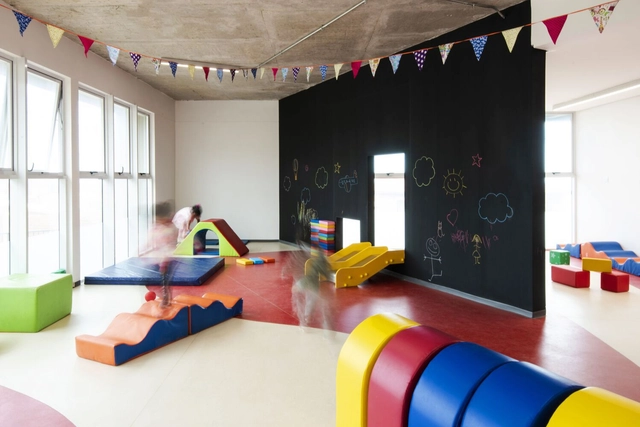
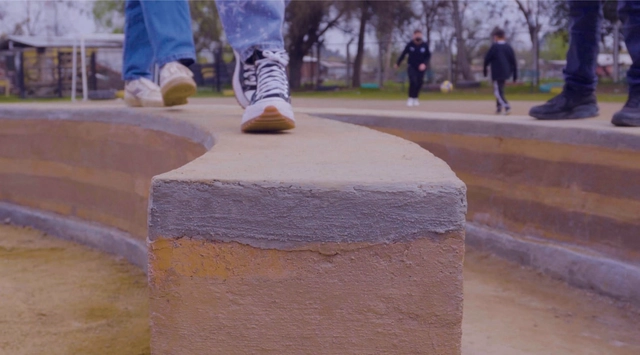
Preschool is more than just a place to leave young children; it is a space that allows them to connect with their imagination and senses through the colors, textures, and layout of their environment. In Chile, many architects have committed to translating these learning opportunities into the architecture itself.
From the recently built Golondrina Preschool and Nursery in Valparaíso to the renowned Bambú Preschool in Santiago,we present a selection of outstanding projects that leverage these attributes, enabling both children and educators to engage in their activities in dynamic and creative ways.
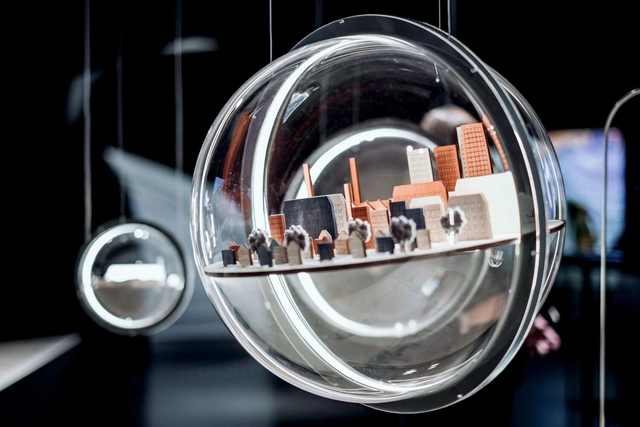
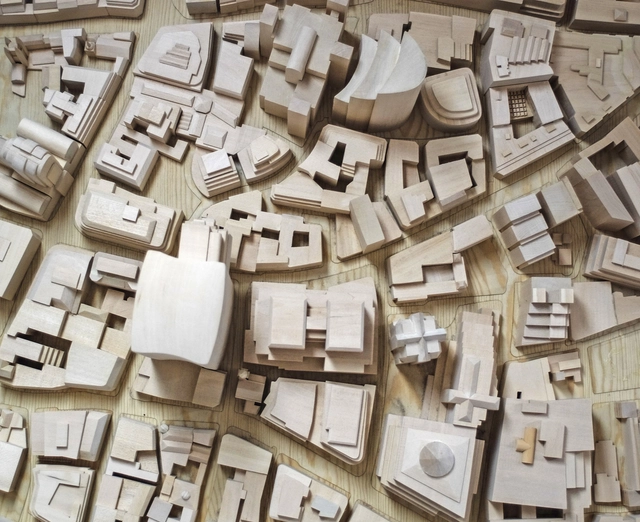
There is no doubt that architectural models are among the oldest forms of architectural representation. In the first episode of the year, Arquicast discusses this theme within the context of publications and debates on the training of new professionals. After all, models are ubiquitous: they are found in architecture exhibitions (often built exclusively for them), in museums as part of the exhibits, and in architecture offices, where they are typically finalized for the big presentation day.
No País dos Arquitectosis a podcast created by Sara Nunes, who is also responsible for the architectural film production company Building Pictures. The podcast aims to profile the professionals, projects, and stories behind leading contemporary Portuguese architecture. With just over 10 million inhabitants, Portugal is a highly compelling country in this professional field, and its architectural output far exceeds its population or territorial scale.
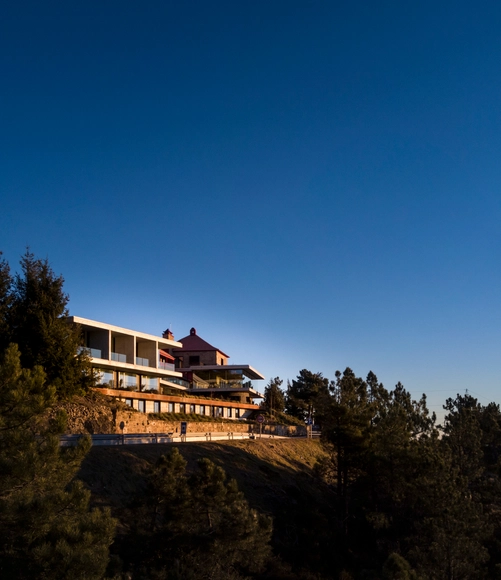
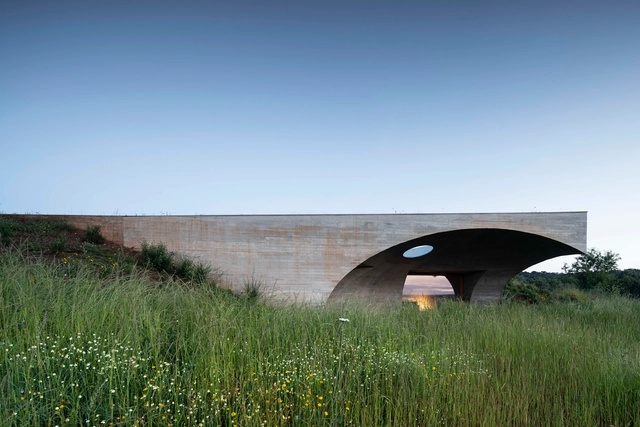
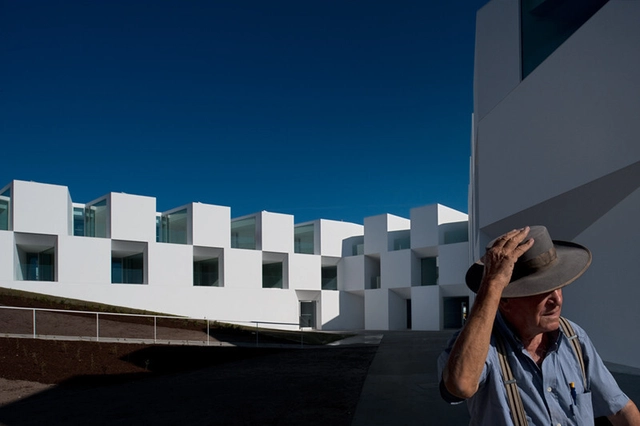
In the first episode of the sixth season, Sara talks with Manuel Aires Mateus of the firm Aires Mateus about the House in Monsaraz. Listen to the conversation and read part of the interview below.
Episode 75 of Betoneira featured Otavio Zarvos, founder of the São Paulo-based real estate development firm Idea!Zarvos. In the interview, he spoke about his first project built in the Vila Madalena neighborhood, and how he attracted other investors, acquired surrounding properties, and began what would become one of the city's most prominent developers. His background in business administration helped him plan and run the numbers necessary for the venture to succeed.
No País dos Arquitectosis a podcast created by Sara Nunes, who also runs the architectural film production company Building Pictures. The podcast aims to profile the professionals, projects, and stories behind Portugal's leading contemporary architecture. With just over 10 million inhabitants, Portugal is a highly compelling country in this professional field, producing architecture that far exceeds what its small population and geographical footprint might suggest.
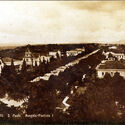
Avenida Paulista. Circa 1920. Photo: Guilherme Gaensly (Acervo Instituto Moreira Salles)
A major urban axis where thousands of people, subways, buses, cars, and bicycles pass daily. High-rise buildings, cultural centers, banks, and shopping malls. As the symbol of São Paulo, Avenida Paulista once looked very different. As difficult as it may be to imagine today, it was once lined with grand mansions of the most diverse architectural styles, and its destiny was altered in a matter of days by heritage preservation disputes and... a pizza.
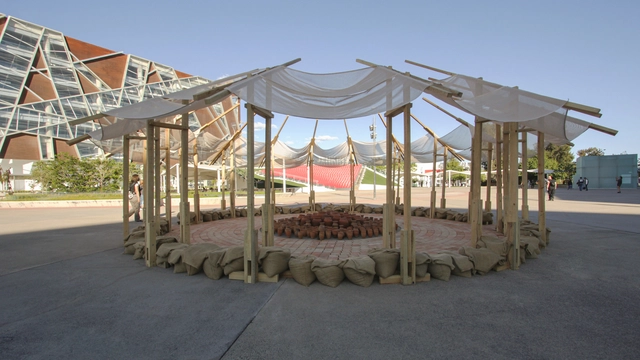
The TEMA Pavilion Competition was established to give young architects and students from the University of Guadalajara community the opportunity to design ephemeral projects that express ideas beyond the typical demands of an architecture or design school.
When considering the segment of the elderly population aged 60 and over, the 2022 survey by the Brazilian Institute of Geography and Statistics (IBGE) recorded a total of 32,113,490 older adults, representing approximately 15.6% of the current population. In 2010, this same age group represented 10.8%, indicating a 4.8% increase in just 12 years. The median age of the Brazilian population has increased by six years since 2010, reaching 35 in 2022, while the aging index rose, indicating 55.2 older adults for every 100 children aged 0 to 14, compared to 30.7 per 100 in 2010.
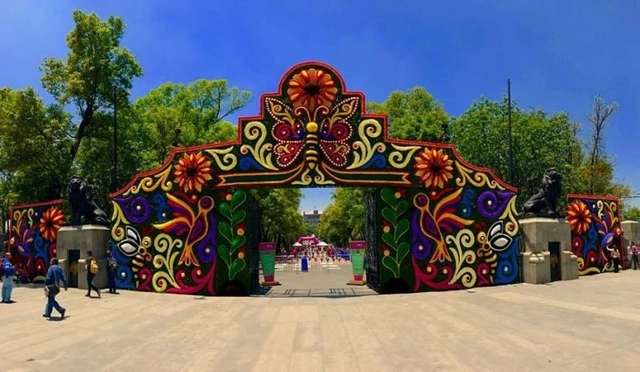
“Bienvenidas las flores y los polinizadores” | Puerta de Leones del Bosque de Chapultepec | Primer Festival Flores y Jardines | 10 abril al 1 mayo 2017. Image Cortesía de coolhuntermx
If there is one defining characteristic of Mexican flora, it is its beauty and unique, vivid, and emblematic colors. Mexican culture and its indigenous peoples are known worldwide for their mastery and the outstanding talent of artists and artisanal communities.
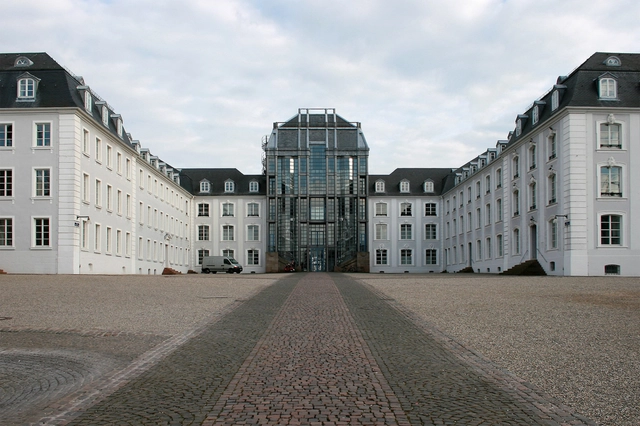
Saarbrücker Schloss – Place of the Invisible Monument. From Wikimedia Commons, the free media repository
The counter-monument 2146 Stones – Monument Against Racism / The Invisible Monument is an intervention carried out in 1993 on the square in Saarbrücken by Jochen Gerz and students from his class at the Hochschule der Künste Saar, in Saarbrücken, Germany. Executed in accordance with Gerz's constant practice of vigilance [1], the work is the result of a period of unrest in German artistic production that questioned the representational art of a post-war generation, as well as the search of those who lived through the events of World War II and the rise and fall of the Berlin Wall, amidst a national effort to evade the memories of the Holocaust.
https://www.archdaily.com/1136424/negative-past-the-construction-process-of-the-monument-against-racismFabiana Costa
Ganadora Categoría Estudiantil Josefa Leal Quintana. Image Cortesía de Arquitectura Escrita 2022
On Monday, February 6, the results of the National Reflection and Research Competition: Written Architecture 2022, organized in Chile by Grupo Arquitectura Caliente, were announced.
https://www.archdaily.com/1136420/discover-the-winning-reflections-and-research-from-the-arquitectura-escrita-2022-competitionArchDaily Team
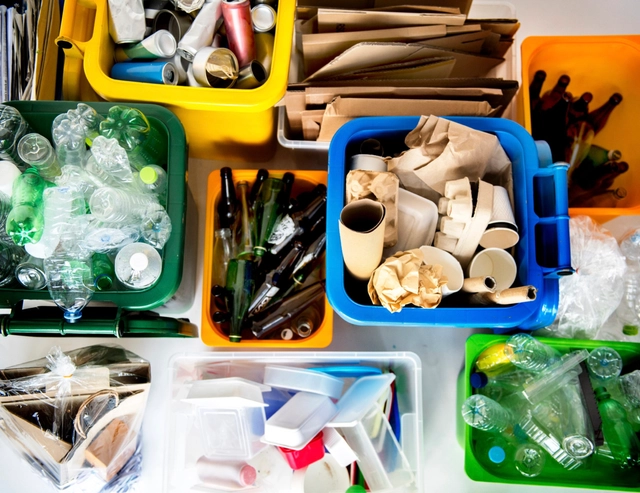
Recycling is the process of reclaiming discarded materials. Its goal is to reintroduce them into the production chain to continue generating value and enable their reuse, enhancing the preservation of natural resources and improving quality of life. It is considered one of the most efficient alternatives for managing solid waste from both an environmental and social standpoint, and is directly integrated into the framework of the circular economy.