1. ArchDaily
  2. News

News

Liu Jiakun on Practice: "The property rights are theirs, the ideals are yours. There are no secret tricks to practice—just more practice."

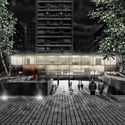
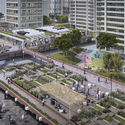
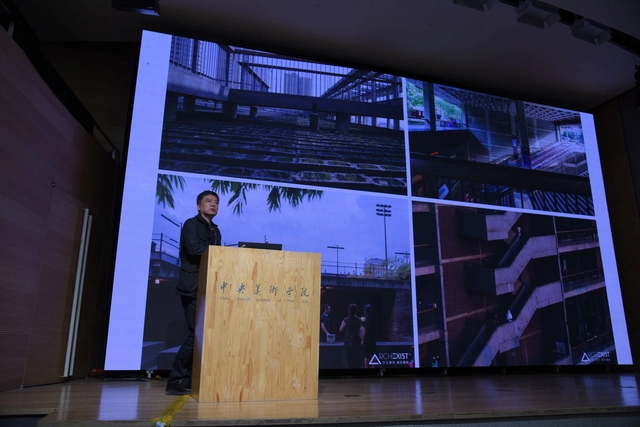
On November 2–3, the Central Academy of Fine Arts (CAFA) hosted a major academic forum titled "Challenge: Re-examining Architectural Thought, Education, and Practice." Numerous domestic and international figures and deans of renowned institutions participated in the discussions, including Arata Isozaki, Rem Koolhaas, and Wang Shu. On the afternoon of November 3, acclaimed Chinese architect Liu Jiakun, principal of Jiakun Architects, attended the forum as a guest speaker. With his characteristic warmth and humor, Liu spoke on the core principles of architectural practice, focusing on his West Village Basin project in Chengdu.
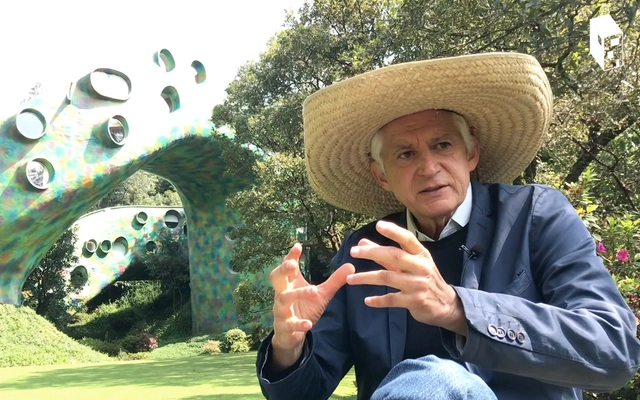
Javier Senosiain: 'Organic architecture seeks to create much more human spaces'

Subscriber Access | 

Javier Senosiain is a Mexican architect and graduate of the UNAM Faculty of Architecture whose work focuses on researching and developing organic architecture through a deep immersion in the geographical qualities of specific sites. As he notes, his work seeks to create far more human spaces by understanding how we move through and inhabit our environments. His practice draws on the research of internationally renowned architects such as Frank Lloyd Wright, Hundertwasser, and Gaudí; nevertheless, he prioritizes regional materials and solutions tailored to the specific needs of Mexico. His portfolio includes projects such as the Organic House, Nido de Quetzalcóatl, and the Amiba House in São Paulo, among others.
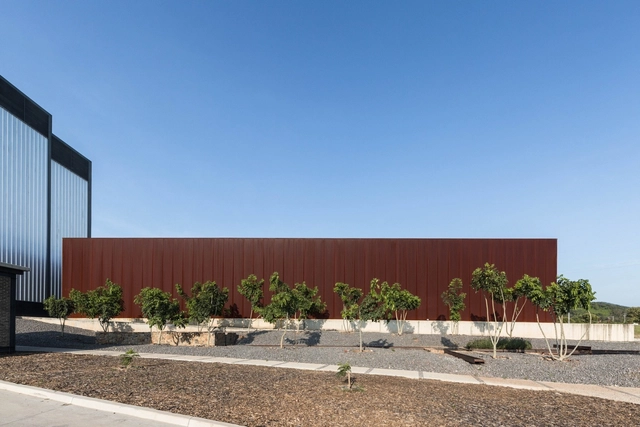
ATELIER ARS among the finalists of the Architectural Review for Emerging Architecture

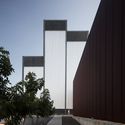
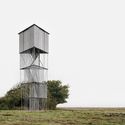
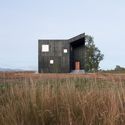
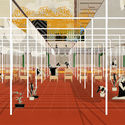
ATELIER ARS among the finalists of the Architectural Review for Emerging Architecture - Imagen 1 de 4ATELIER ARS among the finalists of the Architectural Review for Emerging Architecture - Imagen 2 de 4ATELIER ARS among the finalists of the Architectural Review for Emerging Architecture - Imagen 3 de 4ATELIER ARS among the finalists of the Architectural Review for Emerging Architecture - Imagen 4 de 4ATELIER ARS among the finalists of the Architectural Review for Emerging Architecture - More Images+ 12

The Architectural Review Emerging Architecture award has been held annually since 1999. It aims to recognize architects at a key stage of their careers, placing them on a global stage and promoting their work worldwide. Previous winners include Sou Fujimoto, Thomas Heatherwick, Sean Godsell, Jürgen Mayer H, Anna Heringer, Shigeru Ban, Li Xiaodong, and Mexican architect Frida Escobedo, designer of the 2018 Serpentine Pavilion.

This year's jury is composed of Spanish architect Ángela García de Paredes of Paredes Pedrosa (1999 AR Emerging Architecture Award winner), Indian architect Gurjit Singh Matharoo (2010 AR House Award winner), and Ronald Rietveld of RAAAF (2013 AR Emerging Architecture Award winner).

7 Things Architects and Urban Planners Need to Know About BIM Technology

Subscriber Access | 

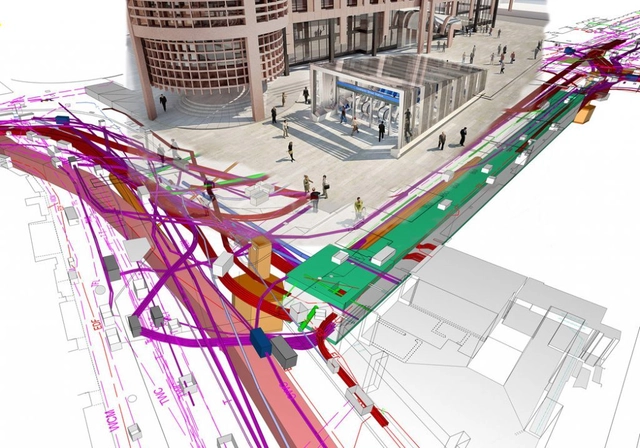
Architecture and urban planning is a field that constantly evolves in tandem with technological advancements. This is true for heavy machinery used in construction, building materials, and design tools alike. Today, this evolution is closely tied to BIM technology.

BIM stands for Building Information Modeling. It is a workflow that gathers, through digital tools, all information regarding the construction of a building. 

1,000 linear meters of wood to create public installations in Córdoba

Subscriber Access | 

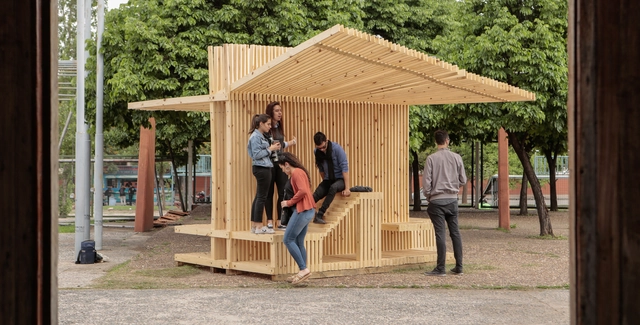
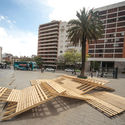
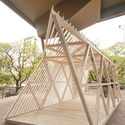
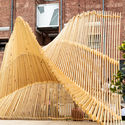
Jointly organized by the Cámara de la Madera, Mueble y Equipamiento de Córdoba (CAMMEC) and the Faculty of Architecture, Urbanism, and Design at the Universidad Nacional de Córdoba, the 'Toco Madera XL' workshop emerged within the framework of the Second Design Biennial in Córdoba, Argentina, with the primary goal of promoting the use of wood.

Nine teams made up of more than 200 students and 50 professors designed installations using this material exclusively, which were then placed in various public spaces across the city. The initiative sought to showcase and highlight the regional timber industry, positioning the city as a benchmark for local and international design.

1,000 linear meters of wood to create public installations in Córdoba - Image 12 of 41,000 linear meters of wood to create public installations in Córdoba - Image 29 of 41,000 linear meters of wood to create public installations in Córdoba - Image 32 of 41,000 linear meters of wood to create public installations in Córdoba - Image 49 of 41,000 linear meters of wood to create public installations in Córdoba - More Images+ 49

Discover the ephemeral-phonographic structure designed by Mauricio Rocha

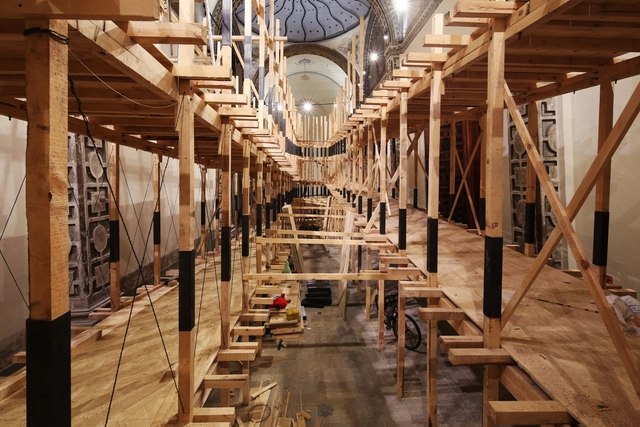
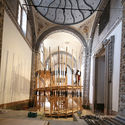
Discover the ephemeral-phonographic structure designed by Mauricio Rocha - 1 的图像 4Discover the ephemeral-phonographic structure designed by Mauricio Rocha - 2 的图像 4Discover the ephemeral-phonographic structure designed by Mauricio Rocha - 3 的图像 4Discover the ephemeral-phonographic structure designed by Mauricio Rocha - 4 的图像 4Discover the ephemeral-phonographic structure designed by Mauricio Rocha - More Images+ 1

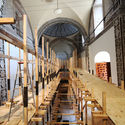
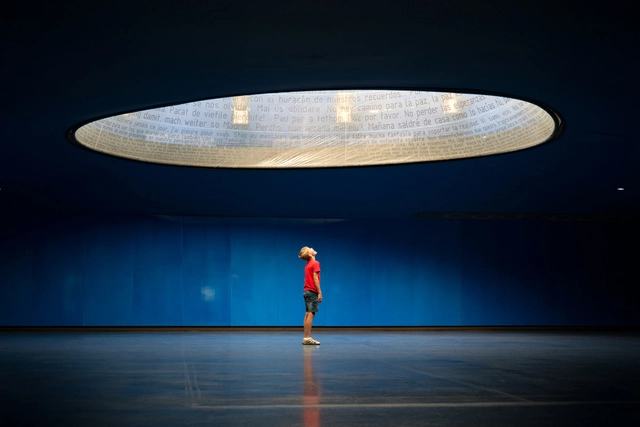
As part of the acoustic exhibition "Modos de Oír," Mexican architect Mauricio Rocha built an architectural and sculptural structure designed to unfold the space of the central nave, creating an ascending path that evokes the cochlear shape of the ear.

The exhibition is spread across the various spaces of the Convento de San José and the Templo de Santa Teresa la Antigua, currently Ex Teresa Arte Actual. Built in the early 17th century, this venue is renowned for hosting numerous events, exhibitions, and sound showcases due to its unique acoustics. Sound art has experienced a significant boom in Mexico in recent decades, with specific links to other historical periods where sonic thinking was also present. Driven by the unique character of this venue and its rich history, Laboratorio Arte Alameda and Ex Teresa Arte Actual sought to create a comprehensive exhibition featuring works that spark a collective reflection echoing the richness, complexity, and significance of the sound art scene.

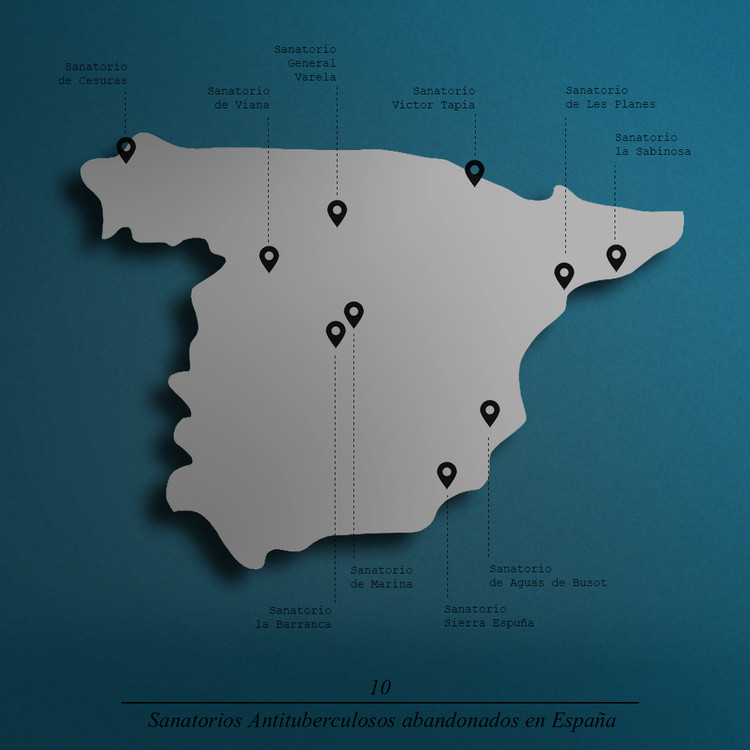
The tuberculosis sanatoriums that saved Spain

Subscriber Access | 

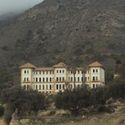
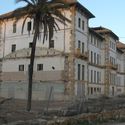
On December 13, 1943, a law established the regulatory framework for the National Antituberculosis Board (Patronato Nacional Antituberculoso), created to combat and help eradicate tuberculosis—one of the worst diseases afflicting Spanish and global populations during the 20th century. "The National Antituberculosis Board is dedicated to preventing the spread of a disease that represents the leading cause of mortality in Spain, as well as the most significant threat to the race," the text of the law began.

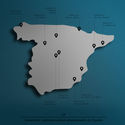
Following the end of the Civil War in 1939, the situation in Spain and for its population was precarious. This was reflected in the country falling behind other Western nations in its number of tuberculosis sanatoriums. Indeed, in 1934, with only 66 sanatoriums, Spain had the lowest ratio of facilities per capita in Europe—one for every 357,000 inhabitants.

The tuberculosis sanatoriums that saved Spain - Featured ImageThe tuberculosis sanatoriums that saved Spain - Image 1 of 4The tuberculosis sanatoriums that saved Spain - Image 2 of 4The tuberculosis sanatoriums that saved Spain - Image 3 of 4The tuberculosis sanatoriums that saved Spain - More Images+ 27

We have forgotten to critique architecture itself

Subscriber Access | 

More than a decade ago, I decided to study contemporary architecture while simultaneously teaching history and criticism, with an emphasis on the last century. The thrilling trajectory of architecture during this period is as surprising and prolific as it undoubtedly was during the Renaissance. Names like Gropius, Jeanneret, Mies, Wright, Costa, Niemeyer, Tange, Bonet, Williams, Scharoun, Terragni, or Aalto represent a group of brilliant architects, much like historical figures such as Leonardo, Raphael, Michelangelo, Brunelleschi, Bramante, Tintoretto, Titian, Masaccio, Botticelli, Palladio, Alberti, and Vignola were to their art starting in the fifteenth century. Modernity in architecture and art undoubtedly possesses the character of a revolutionary period, one of monumental contributions and a turning point in history.

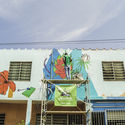
Mexican Muralism with Social Action: Ciudad Mural Villahermosa / Colectivo Tomate

Mexican Muralism with Social Action: Ciudad Mural Villahermosa / Colectivo Tomate - Featured Image

Mexican Muralism with Social Action: Ciudad Mural Villahermosa / Colectivo Tomate - Image 1 of 4Mexican Muralism with Social Action: Ciudad Mural Villahermosa / Colectivo Tomate - Image 2 of 4Mexican Muralism with Social Action: Ciudad Mural Villahermosa / Colectivo Tomate - Image 3 of 4Mexican Muralism with Social Action: Ciudad Mural Villahermosa / Colectivo Tomate - Image 4 of 4Mexican Muralism with Social Action: Ciudad Mural Villahermosa / Colectivo Tomate - More Images+ 28

Colectivo Tomate is a Puebla-based civil organization made up of 20 artists, lawyers, architects, designers, nutritionists, and administrators who have intervened in around eight cities across Mexico, inviting people to take action in the streets to drive transformation, demonstrate the power of citizens in communities, and strengthen community ties.

On September 30, 2013, at the Palacio de Bellas Artes in Mexico City, the collective was recognized with the Quórum award for their Ciudad Mural project. This award recognizes, among other categories, the strategic use of design to impact quality of life as an agent of change, as well as its role as a key ingredient for innovation, productivity, and economic development in the country.

Iconic works of architecture as everyday objects

Subscriber Access | 

A few months ago, architect Filipe Vasconcelos shared his digital collages with us, exploring the similarities between architecture and objects. He creates scenes in which buildings are recontextualized in situations completely removed from their original contexts and uses.

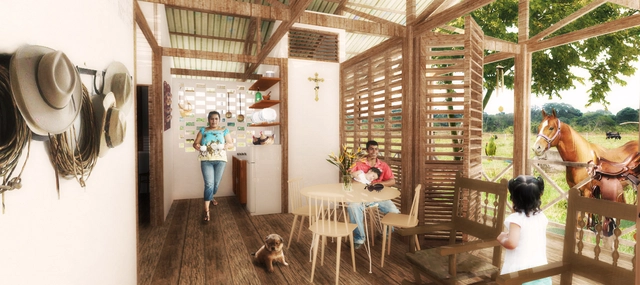
Discover this integrated rural settlement model proposed by Colombian students in Yopal

Subscriber Access | 

In late November, we published the winners of the second call for Colombian graduation projects—also known as undergraduate theses—for which we received 70 submissions from 14 cities and 29 universities. Ultimately, nine projects advanced through three rounds of evaluation, standing out for addressing pressing issues, conducting in-depth research, and raising challenges in both urban and rural contexts, just as in 2016.

Here, we take an in-depth look at Sustainable Rural Settlement Model in Yopal, Casanare, a proposal selected for the 2017 edition of Archiprix International and developed by Daniel Vanegas and Tatiana Cantor, both graduates of the Universidad Piloto de Colombia.

10 places you can visit during the second edition of Open House Santiago 2018

Subscriber Access | 

Between September 8 and 9, the annual Open House architecture festival—which began in London and is now held in more than 40 cities worldwide—will host its second edition in Santiago, Chile.

Aimed at anyone interested in exploring the city's architecture and urban design under the slogan "TENGO GANAS DE CONOCER SANTIAGO" (I Want to Get to Know Santiago), this free, weekend-long open-door festival offers access to spaces normally closed to the public or hidden within the city, showcasing their outstanding architectural, engineering, environmental, urban, social, and cultural value.

Explore a selection of participating venues for Open House Santiago 2018 below.

Echoes and Territory: Mexico at the Venice Biennale

The Mexican Pavilion presents a creative process in which architecture embraces geographic sensitivity and diversity. The exhibition visualizes the territory, its layers, and cultural expressions through sixteen murals that showcase architectural abstractions, intentions, and contextual appropriations for each work.

Curated and designed by Gabriela Etchegaray and Jorge Ambrosi, the exhibition establishes sequences that reveal a dialogue between natural phenomena, geographic formations, and design solutions. Each stone panel shapes the space, highlighting cross-cutting readings: a country vulnerable to natural disasters due to its geological conditions; a highly diverse architecture in terms of scale, site, and integration; and a critical reflection on architecture's role in relation to the Freespace theme of the 16th International Architecture Exhibition at the Venice Biennale.

Discover the winning proposals for the Pasarelas San Borja competition in Chile

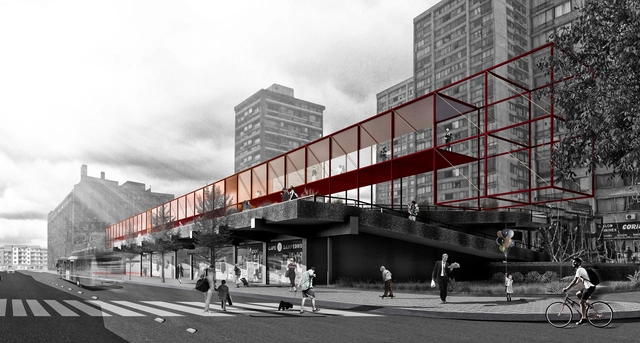
The Architecture and Landscape Ideas Competition for the Pasarelas San Borja and Surroundings announced its winning proposals during an event held on Thursday, September 6, at the National Headquarters of the Chilean Association of Architects (Colegio de Arquitectos de Chile). The main objective of the competition was to recognize, through a qualified and representative jury accredited by the sponsors, the best urban design ideas that help define intervention criteria and generate proposals for the San Borja neighborhood.

A total of 86 interdisciplinary teams registered for the competition, with 34 proposals successfully submitted and evaluated. The jury awarded first, second, and third place, along with three honorable mentions. Additionally, a Neighborhood Mention was awarded to two projects highlighted by the Neighborhood Advisory Commission during the evaluation process.

Discover the winning projects below:

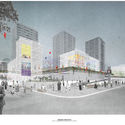
Discover the winning proposals for the Pasarelas San Borja competition in Chile - Image 1 of 4Discover the winning proposals for the Pasarelas San Borja competition in Chile - Image 3 of 4Discover the winning proposals for the Pasarelas San Borja competition in Chile - Image 6 of 4Discover the winning proposals for the Pasarelas San Borja competition in Chile - Image 11 of 4Discover the winning proposals for the Pasarelas San Borja competition in Chile - More Images+ 10

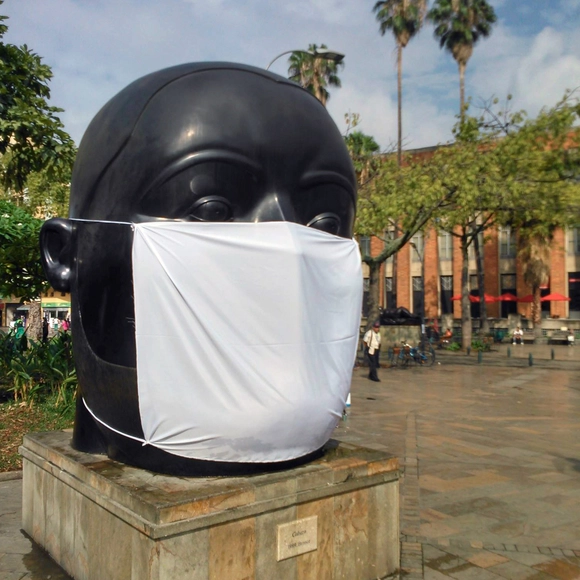
Medellín Confirms That Environmental Pollution Is the Most Concerning in Colombia

On March 6, environmental pollution in Medellín, Colombia, triggered the highest alert levels. For three days, industrial production and driving restrictions (locally known as pico y placa) have been tightened. According to specialists consulted by the local newspaper El Tiempo, meteorological conditions are expected to make the situation “most critical” in two weeks.

In light of situations like this, air quality monitoring and control have taken on greater importance in Colombia. This is especially critical given that one in eight deaths worldwide is caused by air pollution, according to figures from the World Health Organization (WHO). In Colombia, 10,527 deaths and 67.8 million cases of related symptoms and illnesses occurred in 2015, as reported in 2017 by the National Planning Department following a study on the health costs of environmental degradation.

Far from the Speaker: Video Art on the Adega Baía da Arruda Project in the Azores

Subscriber Access | 

Afastado de Quem Fala is a diptych short film about Adega Baía da Arruda, a project by the Portuguese-Swiss studio Barão-Hutter, built on Pico Island in 2017.

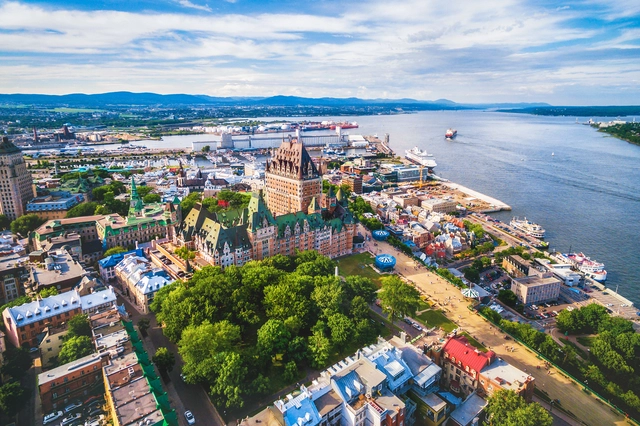
Montreal wants to adopt different traffic laws for cyclists

The measure is based on the principle that it makes no sense to continue applying the same rules to two such different types of vehicles.

Mayor Valérie Plante has promised improvements to the city's cycling infrastructure. Her ideas align closely with those of Councilor Marianne Giguère, who is responsible for sustainable development and transportation. Giguère believes that, under current laws, the message to cyclists is that they must be just as cautious as drivers, “even though you [the cyclist] pose much less of a danger.”

Lisbon and the culture of urban graffiti murals

Over the past five years, Lisbon has attracted significant international attention, driving major changes in the Portuguese capital's urban life. From foreign technology investment to the promotion of cultural initiatives, these transformations are both positive and negative—a complex issue currently debated through the lens of gentrification, echoing developments in other global cities such as Berlin, Portland, and San Francisco.

On the cultural front, the city boasts an impressive diversity of initiatives, ranging from the opening of major, world-class museums—such as MAAT and Coches—to a rich culture of urban graffiti murals. This scene is supported by initiatives like the Underdogs cultural platform, which has worked with artists from around the world since 2013 to bring these paintings to the city's walls.

Lisbon and the culture of urban graffiti murals - Imagem 1 de 4Lisbon and the culture of urban graffiti murals - Imagem 2 de 4Lisbon and the culture of urban graffiti murals - Imagem 3 de 4Lisbon and the culture of urban graffiti murals - Imagem 4 de 4Lisbon and the culture of urban graffiti murals - More Images+ 25

The Importance of Craftsmanship in Industrial Production: Visiting Herman Miller's Factories in Michigan

What is the manufacturing process of a chair like?

Our partners at Herman Miller opened the doors of their factories and offices in Michigan, United States, to show us the complex yet efficient design and manufacturing process of their various furniture pieces and products. During a three-day tour, we saw that their production involves a high level of detail and craftsmanship, where the experience and skill of their workers are essential.

The Importance of Craftsmanship in Industrial Production: Visiting Herman Miller's Factories in Michigan - Image 1 of 4The Importance of Craftsmanship in Industrial Production: Visiting Herman Miller's Factories in Michigan - Image 2 of 4The Importance of Craftsmanship in Industrial Production: Visiting Herman Miller's Factories in Michigan - Image 3 of 4The Importance of Craftsmanship in Industrial Production: Visiting Herman Miller's Factories in Michigan - Image 4 of 4The Importance of Craftsmanship in Industrial Production: Visiting Herman Miller's Factories in Michigan - More Images+ 17

IAB 75 Years: Historical Records to Reflect on the Future of the Institution

Subscriber Access | 

The IAB played a key initial role in consolidating the profession of architects and urban planners as an autonomous activity from engineering back in the 1940s and 1950s. It was organized as a representative institution, a voluntary association of architects, and a platform for the field's public policies. This applied both to guiding legitimate practices concerning the built environment, the landscape, and the city, and to educating both architects and society about an activity so fundamental to citizenship. Action across these diverse areas began with support for the regulation of architecture as a profession in Brazil (the creation of Crea/Confea in 1933), followed by the organization of the 1945 congress, and, in the case of São Paulo, support for the founding of the Faculty of Architecture and Urban Planning of the University of São Paulo (FAUUSP) in 1948.

Google launches a tool that calculates the carbon footprint of cities

Google has launched the Environmental Insights Explorer tool to provide users with access to data and technology that can contribute to the transition toward a lower-carbon world. The information is primarily based on data already available on Google Maps.

The goal is to enable cities worldwide to calculate their greenhouse gas (GHG) inventories to facilitate climate action planning. “The inventory can help prioritize investments in the areas of greatest impact, as it highlights key emission sources or hotspots and can be used as a baseline to measure progress,” the company states on the tool's website.

Collapse at Upscale Shopping Mall in Mexico, No Casualties Reported Yet

Yesterday, July 12, a partial collapse occurred at Plaza Artz Pedregal, a high-end shopping mall in southern Mexico City. Designed by the prominent Mexican architecture firm Sordo Madaleno Arquitectos, the collapsed section appears to be an overlapping cantilevered volume, as seen in social media videos of the incident and renderings released in 2016. The cause of the collapse remains under investigation.

Madrid to renovate the Atocha 11-M memorial in 2019

Eleven years after its inauguration, the Madrid City Council has announced a renovation and upgrade plan for the monument to the victims of the March 11 (11-M) terrorist attacks at Atocha Station in Madrid, Spain, as reported by the Spanish newspaper El País.

Designed by Estudio SIC, the monument to the victims of 11-M was inaugurated in 2007, three years after the attacks perpetrated by a terrorist cell on March 11, 2004. The attack consisted of the simultaneous explosion of 10 bombs on four commuter trains, claiming the lives of 193 people and leaving more than 2,000 injured, making it the worst terrorist attack in Spain's history.

What do Bolsonaro and Haddad propose for Brazilian cities?

With the votes counted, the first round of the presidential election was not enough to determine the country's next political leader; candidates Fernando Haddad, of the Workers' Party, and Jair Bolsonaro, of the Social Liberal Party, will face off once again in the runoff vote on October 28.

Political differences and ideological discrepancies aside, the next president will have, among many other tasks, the responsibility of providing federal support for the development of Brazilian cities—home to about 87% of the country's population. To contribute to the debate and—if it is ArchDaily's place to do so—help undecided voters make up their minds, we have compiled below the proposals of both presidential candidates for the future of cities, based on their respective government platforms, covering topics such as housing, urban development, infrastructure, sustainability, mobility, and the right to the city.

You've started following your first account!

Did you know?

You'll now receive updates based on what you follow! Personalize your stream and start following your favorite authors, offices and users.