At ArchDaily, engaging with architects through conversations that reveal their working methods, histories, and reflections—both personal and collective, within their teams and the broader professional community—has always been a core priority. This dialogue not only brings knowledge to the professionals building our world, but also provides future generations with tools and experiences as they enter the workforce, always maintaining a critical eye on architectural practice.
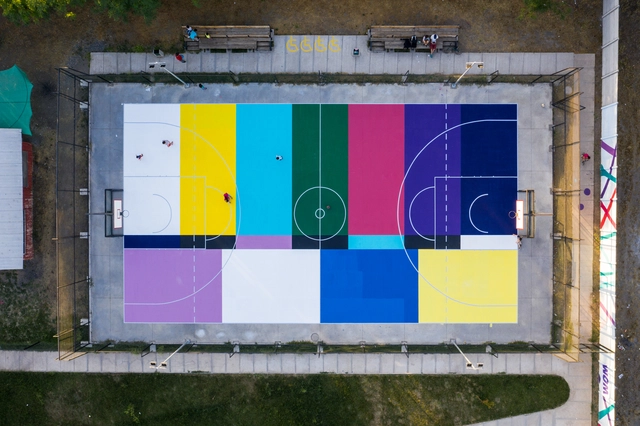
“Apaga la tele” por la artista Coni Lars. Ubicada en la comuna de Requinoa. Image Cortesía de Metro21
"Art at the service and disposal of the people"—this is the primary goal of Metro21, a Chilean urban art gallery dedicated to exhibiting works and managing projects for artists working in public space.
"De cancha en cancha" (From Court to Court) is their initiative to reclaim shared spaces that have fallen into disuse and disrepair across many of the country's localities—a common outcome of a lack of long-term upkeep.
Historically, natural elements were often the only raw materials indigenous populations used to build their temporary shelters or permanent dwellings. Today, environmental awareness and an interest in ecological construction methods have given rise to more sustainable practices that adapt these procedures to contemporary requirements. In this way, by incorporating biodegradable and low-environmental-impact materials into their projects and blending them with modern resources to enhance their physical properties, architects have successfully revived the ancestral techniques of their regions, forging a path toward green building.
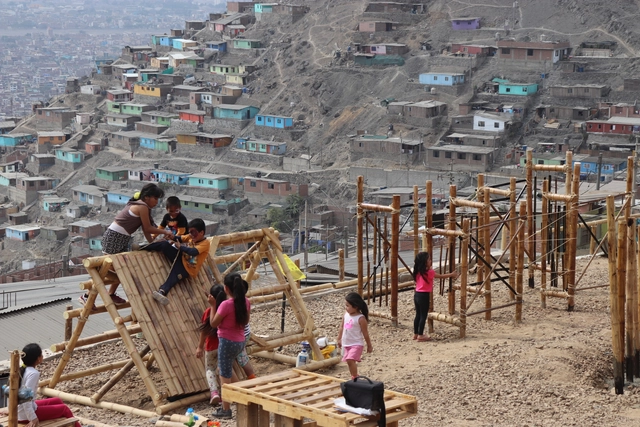
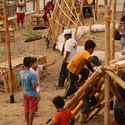
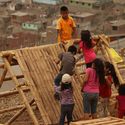
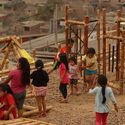
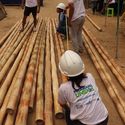
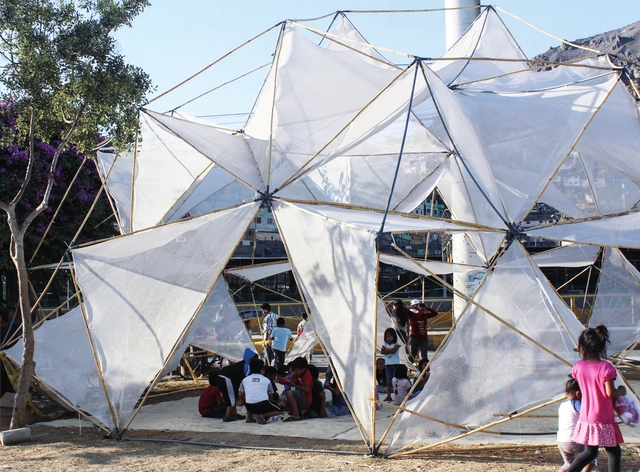
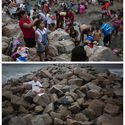
Domus is an initiative of the Faculty of Architecture and Design of the Universidad Privada del Norte that seeks to bring knowledge of sustainable construction techniques to vulnerable populations in Peru, linking the academic sphere with real-world urban issues. With the participation of faculty, administrative staff, and students, and the collaboration of the Action Against Hunger Foundation, a total of 500 people worked together to train 70 low-income families living on the hillsides of the Virgen de las Mercedes settlement (Comas district, Lima, Peru) in bamboo construction. Sharing knowledge about best practices aims to significantly reduce the inherent hazards of construction processes carried out in very high-risk areas.
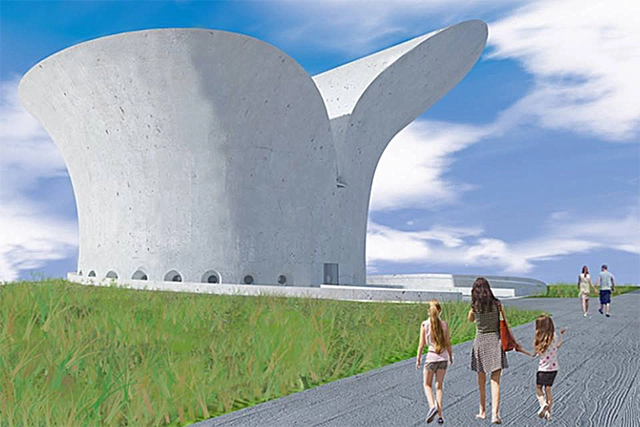
The Court of Justice of the Federal District and Territories (TJDFT) has denied an injunction request to suspend the Bible Museum project. The petition, filed by the Brazilian Association of Atheists and Agnostics (ATEA) against the Government of the Federal District (GDF), was dismissed by Judge Paulo Afonso Cavichioli Carmona of the 7th Court of Public Treasury of Brasília.
1:1 Proyectos sobre los territorios del Perú is a book by Peter Seinfeld and Felipe Ferrer that summarizes their students' work over more than seven years.
https://www.archdaily.com/1123873/student-projects-at-a-1-1-scale-to-learn-about-the-different-territories-of-peruArchDaily Team
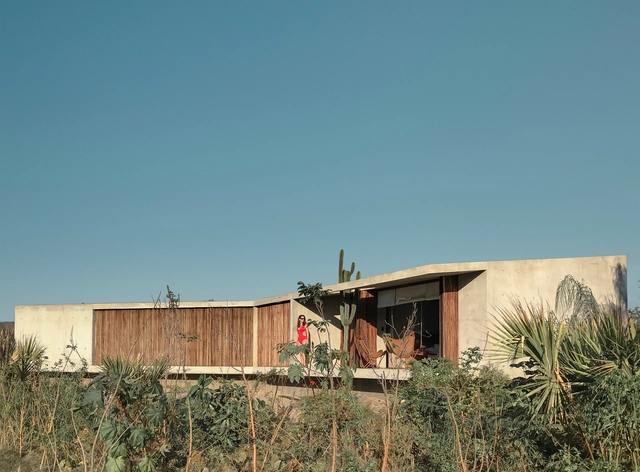
One of the most critical factors in architectural design is local climate. While extreme conditions can pose challenges—requiring insulating materials to adapt to changing weather—Mexico's favorable climates work to the designer's advantage, enabling the creation of microclimates and spaces that blur the transition between indoors and outdoors.
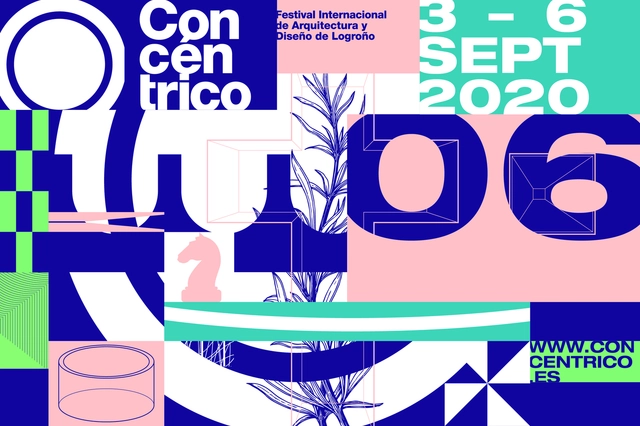
The renowned International Architecture and Design Festival of Logroño, Concéntrico, will hold its sixth edition—rescheduled due to the COVID-19 pandemic—from September 3 to 6, 2020. The festival invites reflection on 'the urban' and the contemporary city.
In a conversation for the third edition of Revista CLEA—an annual publication of the Latin American Coordinator of Architecture Students (CLEA)—Ecuadorian architect María Augusta Hermida explores the capacity to decolonize spaces and cities today.
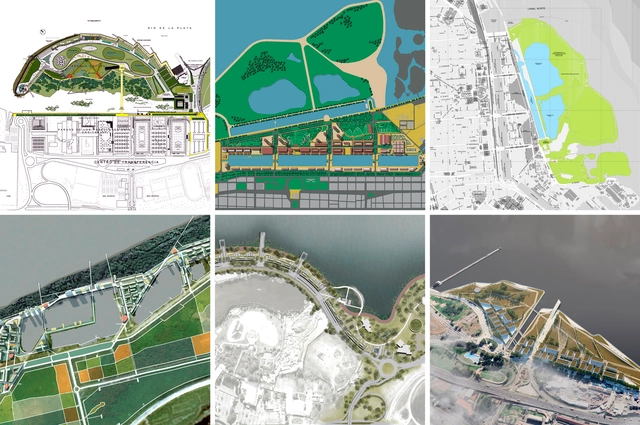
The recent controversy surrounding a bill that would permit the privatization and subsequent development of reclaimed waterfront land along the Río de la Plata in Buenos Aires, Argentina, has prompted renewed engagement with metropolitan infrastructure and regional planning issues. It has also sparked reflection on the role of society in urban planning, reopening debates over the transformation of the city's waterfront.
Tools developed for woodworking, along with new production, milling, and treatment techniques, have gradually yielded highly diverse, high-quality products in various sizes, strengths, tones, shapes, and colors. These advancements have allowed wood, as a resource, to meet a wide range of construction needs, serving as structural support, building envelopes, cladding, or furniture in a vast number of architectural projects.
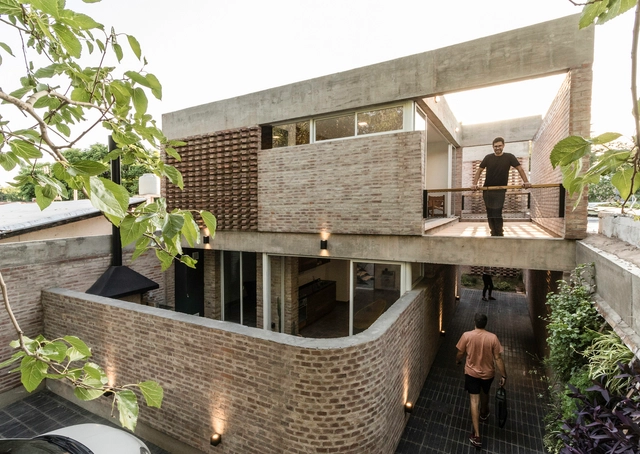
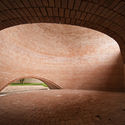
The winners of the first edition of the National Brick Architecture Award have been announced. Jointly organized by the Central Society of Architects (SCA) and the Chamber of the Red Ceramic Industry (CICER), the competition sought to highlight Argentina's architectural production based on the use of ceramic masonry units and to promote the widespread use of this material as a sustainable, long-term element in both urban and rural environments.
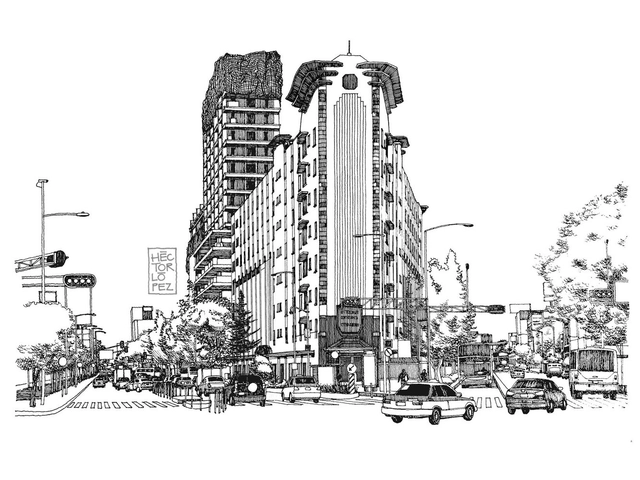
Croquis CDMX is an initiative led by Héctor López, founded eight years ago to foster and strengthen the connections between the eye, the brain, and the hand. The project seeks to portray life in Mexico City through freehand sketches. While architectural education is geared toward training professionals to design and construct buildings, Héctor—who studied at the Faculty of Architecture of the National Autonomous University of Mexico—views university education as “the axis of all elements: I already knew how to draw, and in school I became interested in construction, history, and theory. That was where drawing became disciplined. I would encourage students to draw, regardless of whether they think they can or not, because you discover things that you don't understand when drawing with software.”
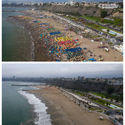
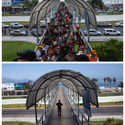
On March 16, in an effort to protect public health and reduce the transmission of COVID-19 in Peru, the country declared a mandatory quarantine. Under this exceptional measure, all residents must remain in their homes until—for the time being—April 26, refraining from going to work and limiting their movement in public spaces. The restructuring of urban life is already striking: streets and public gathering spaces like plazas, parks, and beaches that were once overflowing with people are now completely empty.
Modern architecture established new priorities around living. While the architects associated with this movement had highly heterogeneous interests and pursuits, certain common ground can be found linking their approaches. Grounded in hygienist principles, the lighting and ventilation of architectural spaces became a primary focus. The connection and continuity between interiors and exteriors began to foster an architecture of blurred boundaries, where gardens, terraces, and patios—as well as their urban-scale counterparts: parks, plazas, and boulevards—gained greater prominence. Consequently, solariums, swimming pools, ponds, and all areas associated with "outdoor leisure" began to be designed holistically, as integral parts of the architectural project.
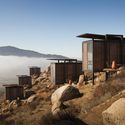
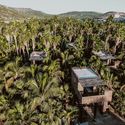
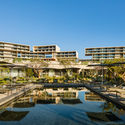
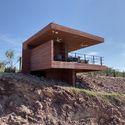
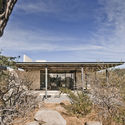
The state of Baja California Sur is located in northwestern Mexico. It is bordered by the state of Baja California to the north, the Pacific Ocean to the west, and the Sea of Cortez to the east, harboring some of the most stunning landscapes and coastlines in the country. Thanks to its prime location, Baja California Sur is one of the most visited states in the nation.
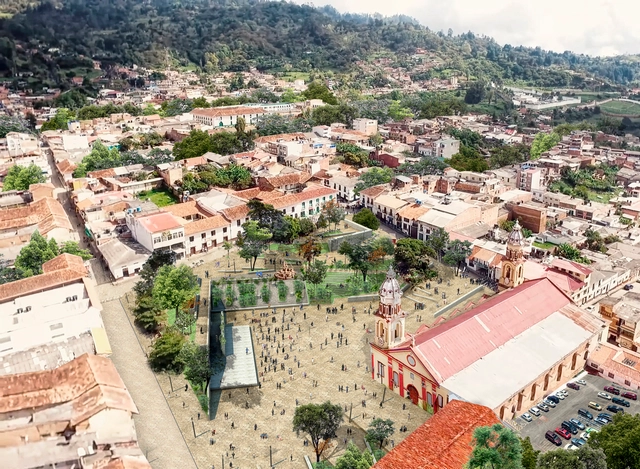
The picturesque municipality of Vélez, located in the southern region of the department of Santander, is set to receive a renovated main square. Known for its famous bocadillos (guava paste) and its unique "transverse" church (iglesia atravesada), the town will also see the revitalization of the facades of the traditional buildings surrounding the square.
Videos
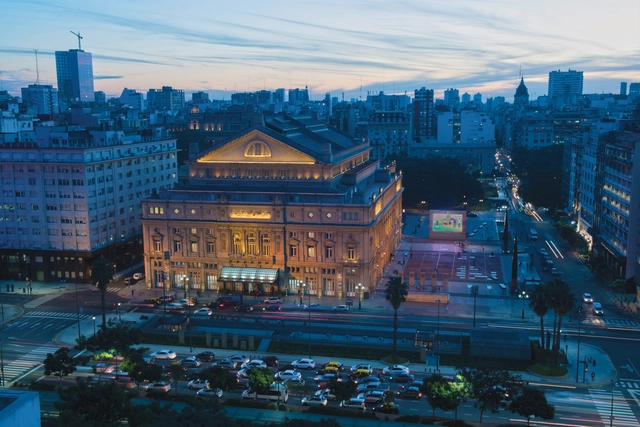
Teatro Colón - Aerial exterior view. Image via [buenosaires.gob.ar] under Creative Commons Attribution 2.5 Argentina license
The Ministry of Culture of the City of Buenos Aires, in collaboration with the Tourism Board, invites the public to explore local architecture and culture through “Turismo Cultural BA”. This virtual series, stemming from the Cultura en Casa initiative, offers weekly online tours of some of the most iconic buildings in Buenos Aires, showcasing art exhibitions and spaces associated with the city's history and culture. This virtual format allows people worldwide to access Buenos Aires' architectural and cultural heritage from home, in compliance with the isolation measures implemented by the country to combat COVID-19.
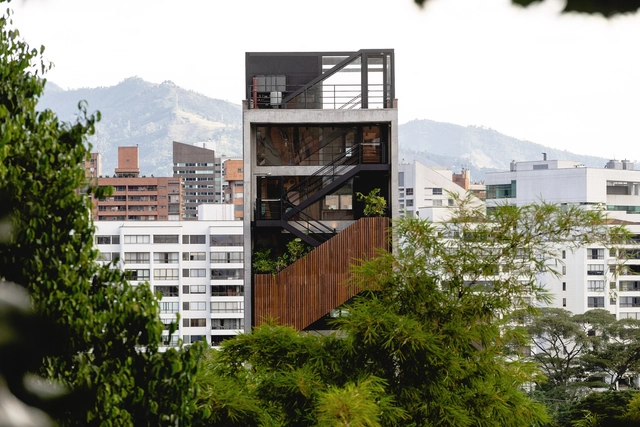
In most architectural works involving level changes, vertical circulation is, almost by implication, a central design feature, with stairs being the most common expression.
Below, we present a selection of projects in Colombia across various typologies where vertical circulation plays a hierarchical, organizing role, and in some cases, becomes the primary driver of the building's space and atmosphere.
At the same rate that the real estate development industry aggressively intervened in the most favorable areas of the city valley—backed by state approvals and concessions, supported by massive banking resources, and employing top individual talent trained at public universities—popular settlement neighborhoods grew proportionally across complex topographies, receiving minimal institutional support, completely devoid of financial backing, and with negligible, residual, if not non-existent, technical assistance.
https://www.archdaily.com/1123985/reclaiming-the-epic-of-self-produced-neighborhoods-approaches-from-san-agustin-del-sur-caracasMarcos Coronel, Madelaine Mendoza y Nathaly González
The Inter-American Development Bank (IDB) recently published a practical guide for sustainable buildings, public spaces, and construction sites in Brazil. Authored by Esperanza González-Mahecha, Livia Minoja, Lucas Rosse Caldas, and Clémentine Tribouillard, the publication aims to simplify access for public and private managers to practical information on how to incorporate sustainability elements into projects, whether buildings (such as housing or public facilities) or public spaces.
No longer a space of purely functional hygiene, the bathroom has taken on a prominent role in architectural design, becoming an essential element in both public and private programs.
Between 1960 and 1980, architectural development in the Magallanes Region was heavily driven by public investment from the Chilean state. The economic boom of the era enabled the construction of high-quality buildings and infrastructure designed by the country's most prestigious architecture firms, providing solutions to challenges related to territory, the city, and society. It was during this progressive development process that Modern Architecture assumed a crucial role.









.jpg?1600032057 "Cabo House / Dellekamp Arquitectos. Image © Sandra Péreznieto")


.jpg?1591226080&format=webp&width=640&height=580)









.jpg?1597294332&format=webp&width=640&height=580)
.jpg?1597294332)