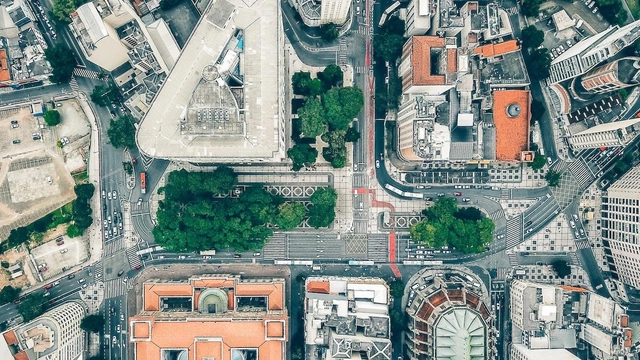
Aerial view of part of downtown São Paulo. Photo by Sergio Souza, via Unsplash
The City of São Paulo has just released 3D cartography for the entire city on the GeoSampa Portal. The new tool allows users to visualize buildings, trees, infrastructure, and other geometries in 3D directly on the map. The data is also available for download.
Proyecto Taller is a documentary series that aims to debate, reflect on, and examine architectural teaching and learning methods, seeking to define their points of contact and overlap with professional practice. Within this ambiguity between making and teaching how to make architecture, many architects have managed to integrate their careers as designers with their work as educators in academic environments, where they teach students how to design.
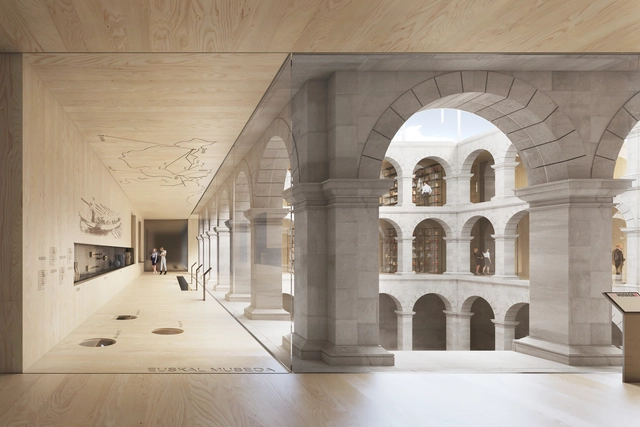
The winners of the design competition for the architectural and exhibition intervention of the Basque Museum of Bilbao (in Basque, the “Bilboko Euskal Museoa”) have been announced. This international competition invited participants to develop proposals for the comprehensive renovation of the building, which aims to inaugurate its new spaces in time for its centennial celebration in 2023.
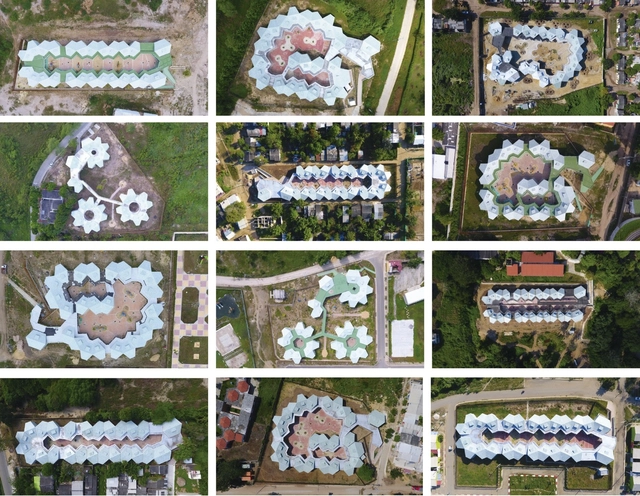
El Equipo Mazzanti's ongoing commitment to improving spatial quality and the experience of educational environments is one of the defining hallmarks of Colombian practice. Below, they share an in-depth exploration of their project, the modular preschool system - CDI for the department of Atlántico in northern Colombia.
https://www.archdaily.com/1124081/preschool-system-cdi-by-equipo-mazzanti-for-the-atlantico-department-in-colombiaEl Equipo Mazzanti
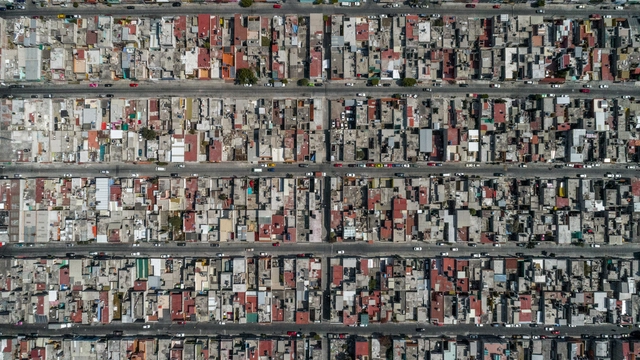
This article on housing in Mexico aims to understand the city we have experienced. The guidance of specialists was crucial to grasping some of its complexity. Special thanks to Josefina McGregor, Andrés Sañudo, and Rosalba Loyde for sharing their knowledge for the realization of this article.
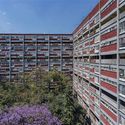
When lockdown reached Mexico in March due to COVID-19, the hashtag #YoMeQuedoEnCasa became more relevant than ever. Yet, as the days passed, the slogan was replaced by #ParaQuedarseEnCasaHayQueTenerUna after several media outlets and citizen collectives denounced the attempted eviction of an elderly person from their apartment in the Trevi Building in the middle of quarantine. These evictions have occurred gradually, such as that of reporter Carlos Acuña in August 2019.
We have often heard about BIM (Building Information Modeling) and the wide range of opportunities it brings to the AEC (Architecture, Engineering, and Construction) industry. But how are these BIM models structured? This article explains the components of these models and their characteristics based on a BIM Standard, while addressing the importance of BIM Catalogs and BIM Libraries.
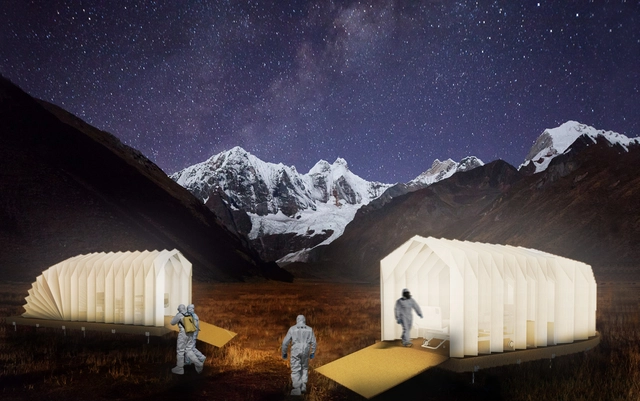
1° Premio (Argentina) Sofia Martinelli, Antonella Rodriguez Robustelli, Nadia Lucía Faccipieri, Sofía Piñel, Camila Laitán. Image Cortesía de TaDU / OPEA / Colectivo Más Ciudad
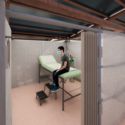
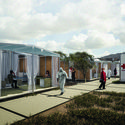
The winning projects of the Emergency Health Prototypes ideas competition have been announced, an open-call initiative aimed at Latin American students of architecture, landscape architecture, urban planning, design, and related fields. Jointly organized by the Taller de Desarrollo Urbano (Venezuela), the Organización Peruana de Estudiantes de Arquitectura (Peru), and Colectivo Más Ciudad (Peru), and sponsored by Revista Envolvente, Revista Entre Rayas, Instituto Científico del Pacífico, Arquitectura Venezuela, Dilab, and Imagina 3D, the competition was conceived as an opportunity to generate innovative architectural responses to potential collapses in healthcare systems under the threat of COVID-19.
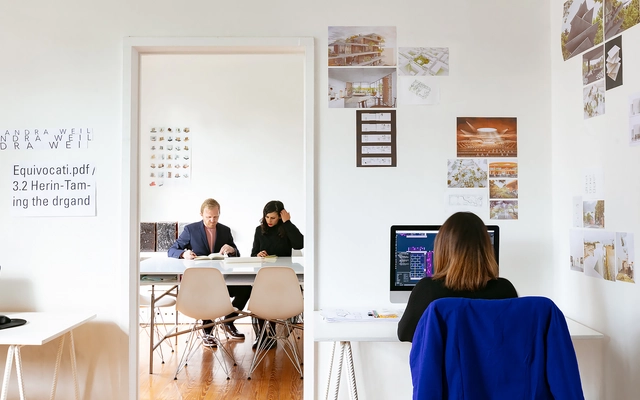
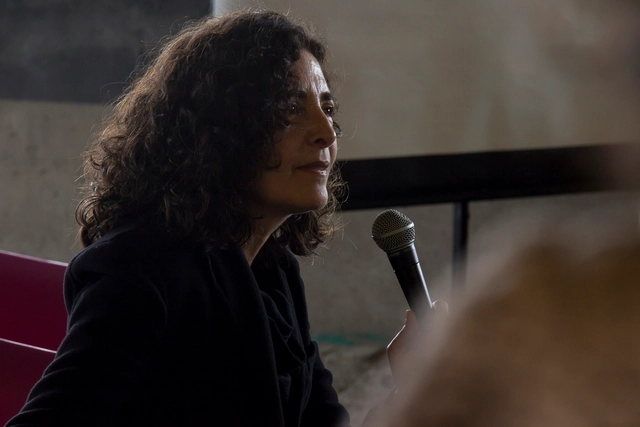
At ArchDaily, engaging with architects through conversations that reveal their working methods, histories, and reflections—both personal and collective, within their teams and the broader professional community—has always been a core priority. This dialogue not only brings knowledge to the professionals building our world, but also provides future generations with tools and experiences as they enter the workforce, always maintaining a critical eye on architectural practice.
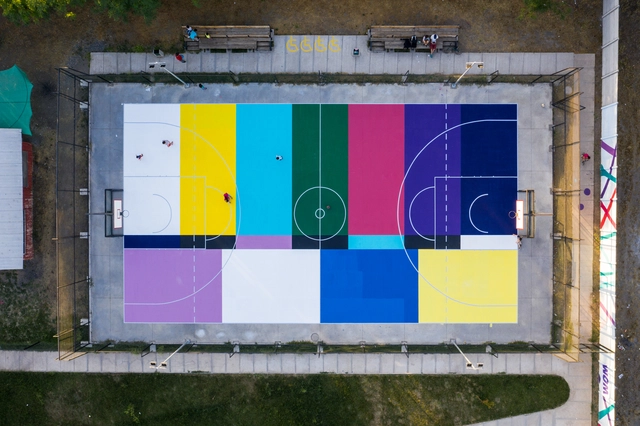
“Apaga la tele” por la artista Coni Lars. Ubicada en la comuna de Requinoa. Image Cortesía de Metro21
"Art at the service and disposal of the people"—this is the primary goal of Metro21, a Chilean urban art gallery dedicated to exhibiting works and managing projects for artists working in public space.
"De cancha en cancha" (From Court to Court) is their initiative to reclaim shared spaces that have fallen into disuse and disrepair across many of the country's localities—a common outcome of a lack of long-term upkeep.
In the field of architecture, the technological, social, and cultural changes driven by 21st-century globalization processes have enabled the development of transnational teams and diverse firms designing projects with innovative perspectives and visions unmoored from a single geographical location. Hyper-communication, exchange, and advanced digital resources are design tools that have allowed architects to operate with a more global vision of the practice, transcending national borders and enabling them to approach architectural challenges in a more open and pluralistic way.
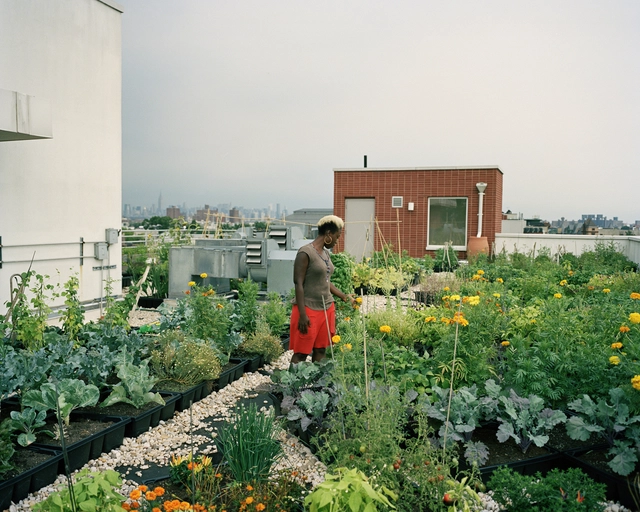
According to the UN, the share of the world's population living in urban areas, currently about 55%, will rise to 70% by 2050. Managing this rapid urban growth is a daunting task for governments; among the most common challenges is providing housing, basic services, and food to city dwellers. Food security in major urban centers depends on several factors, including food availability, access, and quality.
As one of Mexico's most prominent cities and business hubs, Monterrey is situated within the territory of Nuevo León, a state in the country's Northeast region that borders Texas, defining a significant portion of the US-Mexico border. Covering just over 451.30 square kilometers with an average elevation of 500 meters above sea level, the municipality is bordered to the north by San Nicolás de los Garza and General Escobedo; to the south by San Pedro Garza García and Santiago; to the east by Guadalupe, Juárez, and Cadereyta; and to the west by Santa Catarina and García.
Amairis Community Sewing Workshop / ruta 4 taller. Image
Medellín-based firm Taller Síntesis shares the following article emphasizing the importance of recognizing the rural built environment—which accounts for most of the country's territory but not most of its architectural practice—in order to raise awareness of how architecture is directed and recognized in Colombia. Read on below.
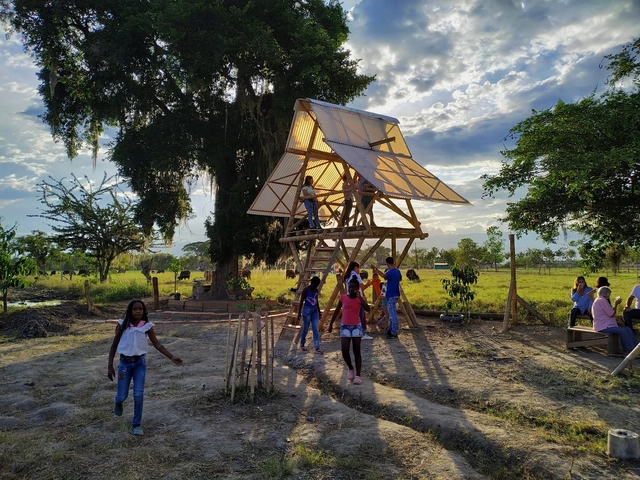
At a time when we only have room for immediate priorities, many designers in our discipline work detached from the actual context where their projects will be built. Yet, some still dedicate the time and passion to experience these realities firsthand and build hand-in-hand with the users.
Videos
Cecilia Puga exponiendo en la XX Bienal de Arquitectura de Chile en 2017. Image Cortesía de XX Bienal de Arquitectura de Chile
Chilean architect Cecilia Puga will take over as director of the Chilean Museum of Pre-Columbian Art, one of the most visited in Santiago. The news was announced by her predecessor, anthropologist Carlos Aldunate del Solar, in a recent interview with Chilean magazine Sábado, where he announced his resignation after four decades at the helm of the institution. "Obviously, a younger person with more energy should take over," Aldunate commented in the interview.
Huoshenshan Hospital, built in one week to treat 1,000 patients in the city of Wuhan Xiao Yijiu/Xinhua/Handout
Today, the Brazilian Hospital Services Company (Ebserh) published a call for applications to create a reserve pool of up to 6,000 professionals to work temporarily in the fight against COVID-19 across the Ebserh Network. In addition to healthcare professionals, the call is also open to architects and engineers for 40-hour work weeks and a salary of R$ 10,350.45.
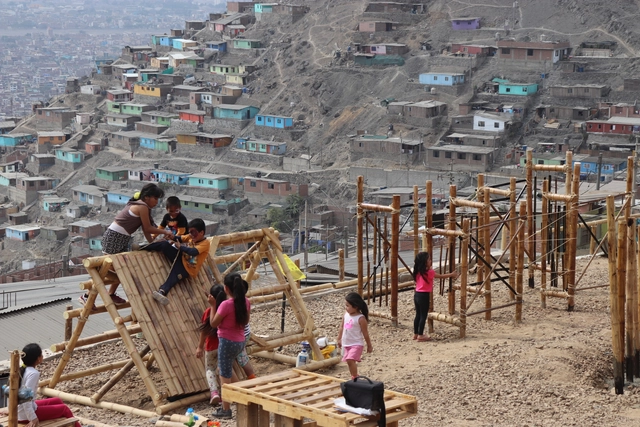
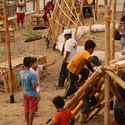
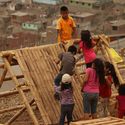
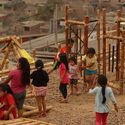
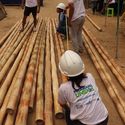
Domus is an initiative of the Faculty of Architecture and Design of the Universidad Privada del Norte that seeks to bring knowledge of sustainable construction techniques to vulnerable populations in Peru, linking the academic sphere with real-world urban issues. With the participation of faculty, administrative staff, and students, and the collaboration of the Action Against Hunger Foundation, a total of 500 people worked together to train 70 low-income families living on the hillsides of the Virgen de las Mercedes settlement (Comas district, Lima, Peru) in bamboo construction. Sharing knowledge about best practices aims to significantly reduce the inherent hazards of construction processes carried out in very high-risk areas.
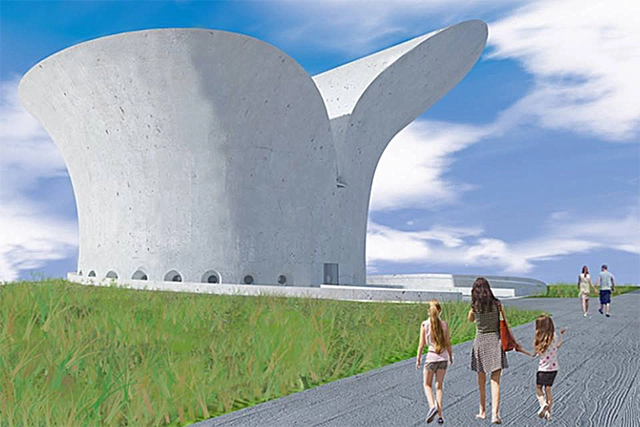
The Court of Justice of the Federal District and Territories (TJDFT) has denied an injunction request to suspend the Bible Museum project. The petition, filed by the Brazilian Association of Atheists and Agnostics (ATEA) against the Government of the Federal District (GDF), was dismissed by Judge Paulo Afonso Cavichioli Carmona of the 7th Court of Public Treasury of Brasília.
Flores & Prats, in collaboration with Ouest Architecture, have won first place in the competition to renovate the Ancien Théâtre des Variétés in Brussels, Belgium. The project addresses the transformation of the former theater into an international laboratory for artistic creation, conceived as an open and inclusive public space.
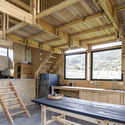
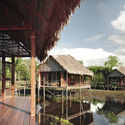
From remote cabins blending into the landscape to structures built entirely of bamboo, in Ecuadorian projects, wood emerges as a versatile resource, ideally suited to address the demands of daily living. Used for structure, building envelopes, or furniture—and paired with concrete, stone, brick, or metal—wood offers endless applications that materialize diverse explorations in architectural language and expression.
Historically, natural elements were often the only raw materials indigenous populations used to build their temporary shelters or permanent dwellings. Today, environmental awareness and an interest in ecological construction methods have given rise to more sustainable practices that adapt these procedures to contemporary requirements. In this way, by incorporating biodegradable and low-environmental-impact materials into their projects and blending them with modern resources to enhance their physical properties, architects have successfully revived the ancestral techniques of their regions, forging a path toward green building.
Below, you can explore the interviews conducted with these renowned figures of the Colombian architectural scene, several of whom were winners or received honorable mentions at the XXVII BICAU.
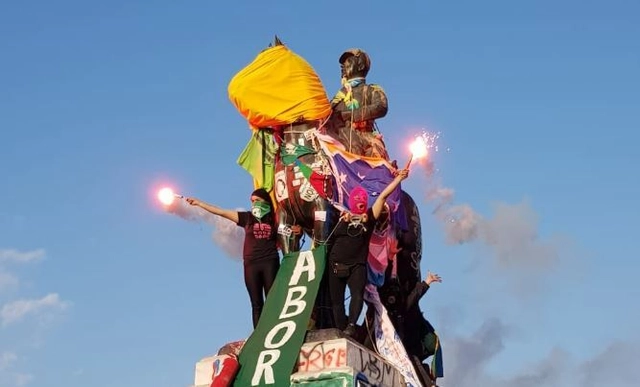
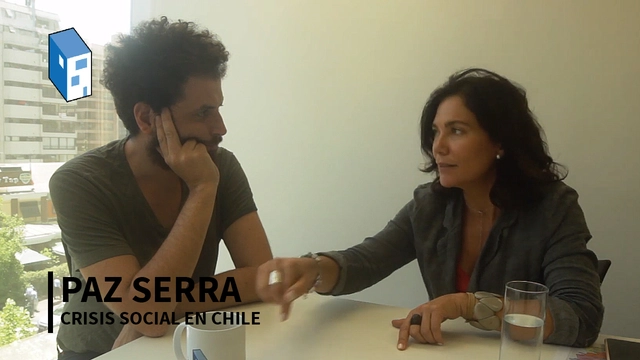
For over 80 days of protest, our streets and buildings have been covered daily in slogans, posters, illustrations, and an endless array of visual material referencing the social demands of a country that claims to have awakened from a 30-year slumber. Meanwhile, public monuments throughout Chile are being tagged, altered, destroyed, or removed from their original sites, becoming a primary target for protesters—or, as the newspaper El Mercurio1 puts it, for “vandals.”







.jpg?1603390879)












_13.46.17.jpg?1606762006&format=webp&width=640&height=580)