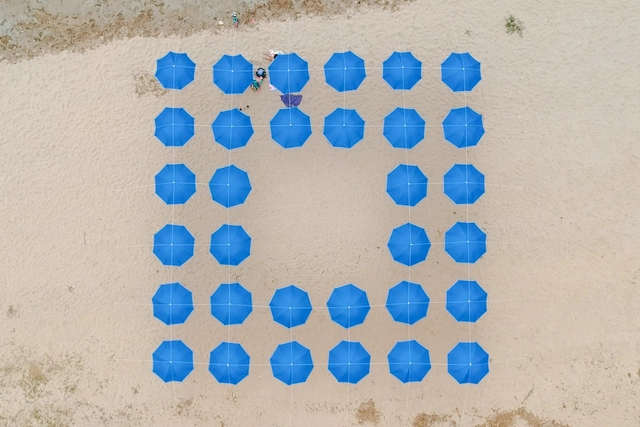
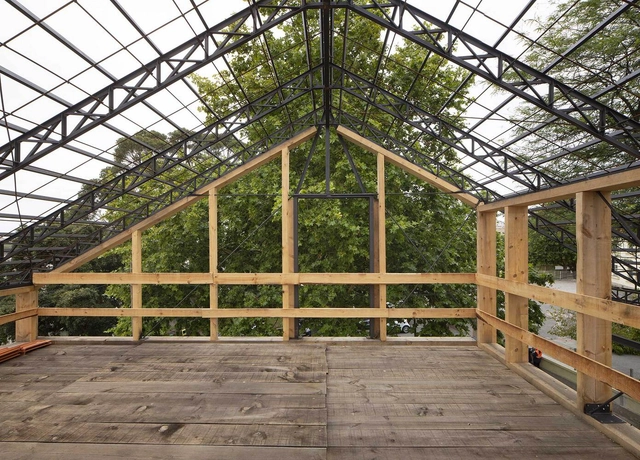
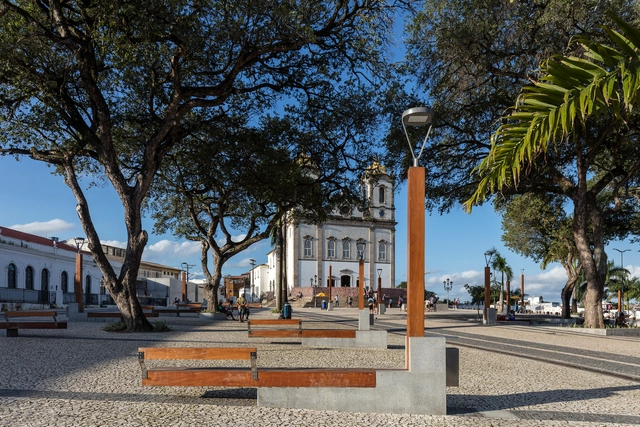
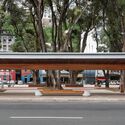
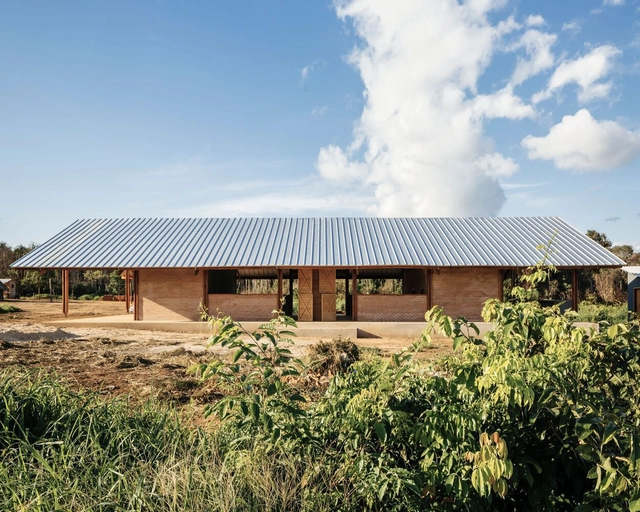
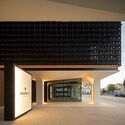
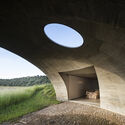
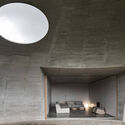
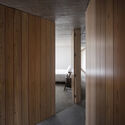
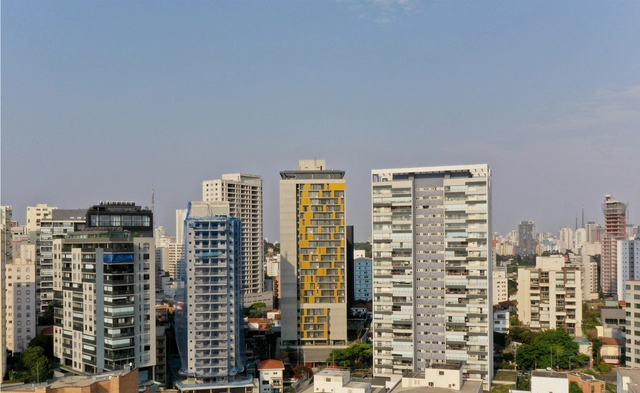
As part of the FUGAZ Greater Concepción Urban Interventions Festival, a team comprising Álvaro Parraguez, Beatriz Harriet, Bárbara Schumacher, Josefa Acevedo, and Luis Cambiaso developed an installation at the Villarrica coastal resort in Dichato (Concepción, Chile) that won the 2022 Ephemeral Installations Competition. The competition called for an ephemeral installation to serve as a functional venue for the festival, accommodating various daytime performances and activities across dance, theater, music, and other disciplines.
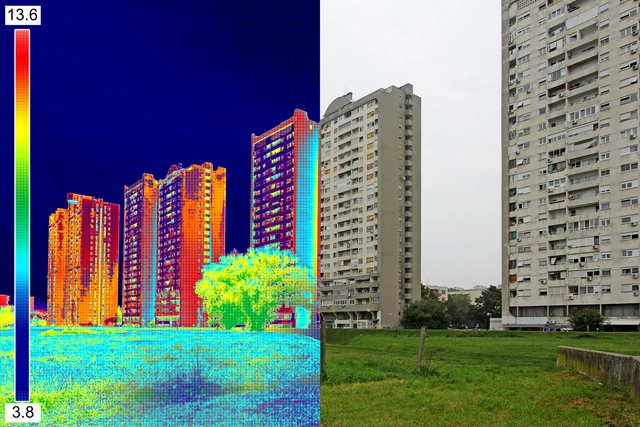
Infrared thermal imaging showing a lack of thermal insulation. Image via Ivan Smuk / Shutterstock
As widely reported, the global building sector is responsible for 36% of final energy consumption (Global ABC, 2022)—across its full life cycle, from material extraction to end-of-life. Crucially, the energy consumed during building operation accounts for more than 80% of the building's total life-cycle energy. Furthermore, 66% of this energy is known to be consumed primarily by HVAC systems [1].
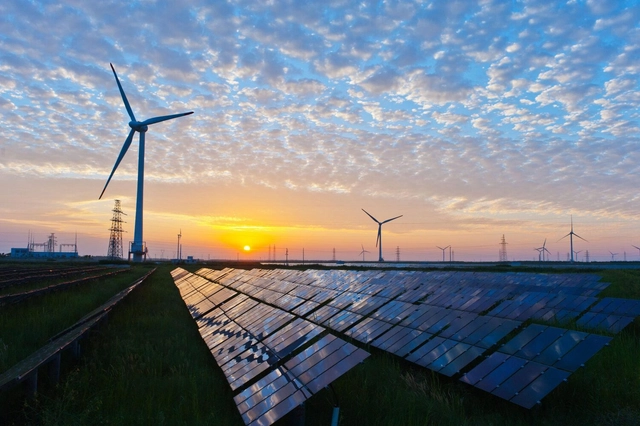
Against this backdrop, a series of global measures have been promoted to reduce building operational energy, such as improving the thermal insulation of building envelopes, implementing solar shading, incorporating renewable energy, and upgrading to more efficient equipment, among others.
https://www.archdaily.com/1136409/relevance-and-calculation-of-building-energy-demandPaola Valencia M.
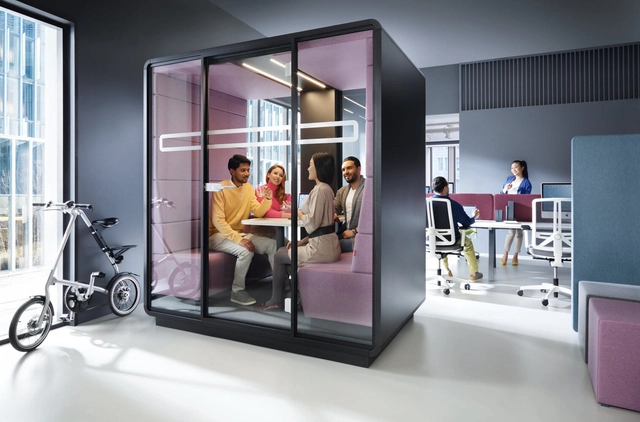
Hushoffice acoustic pods are designed to meet all the functional requirements a modern office might need. HushMeet can accommodate a table for four and allows for a screen to be mounted inside the pod.
The theorization of the workplace has become a global discourse, spanning research on new spatial trends, experiments in hybrid models, the digital revolution and its impact on productivity, workplace wellness, and the elusive balance between life and work. Yet, as a New York Times article on the digital workplace notes, while this theoretical debate has spanned decades, successful implementation remains in its infancy. Propelled by the rise of tech giants like Slack and Zoom, alongside the global disruptions of recent years, our working patterns have fundamentally shifted. We have seemingly adapted to remote work, often forgetting the efficiency of physical presence and the nuanced connection of face-to-face interaction. As “digital distraction” increasingly permeates our daily lives, this is a challenge we must confront when rethinking the design of the physical office.
Can our work, then, be fully digitized and done remotely?
https://www.archdaily.com/1136383/hushoffice-at-home-at-work-returning-to-the-office-from-remote-work韩爽 - HAN Shuang
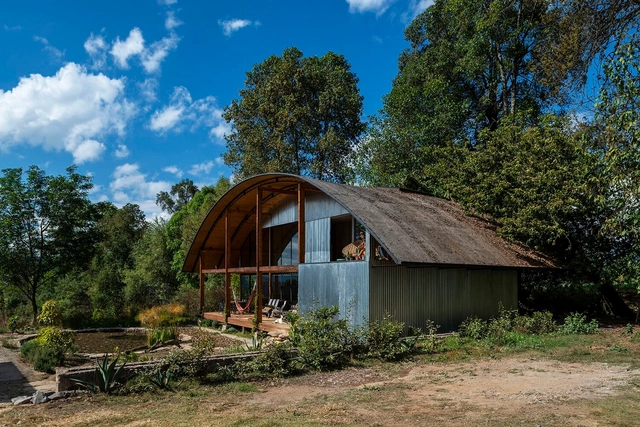
As part of a new collaboration between Mexican firms Dellekamp Arquitectos and Rojkind Arquitectos, Casa Roca is presented in Puerto Los Cabos, San José del Cabo, Mexico. Inspired by the rock formations at the site's summit, the project features a radial layout carefully organized in response to its topography. Sited on a 5,000 m² lot, the 1,200 m² house organizes its program along the natural landscape, minimizing its footprint and establishing a close relationship with nature as the core living experience.
Recently, many Brazilian cities have turned to tactical urbanism as a way to intervene in the design of their streets, making them safer and more appealing—all at a low cost and on a short timeline.
The volume and nature of these interventions have been particularly remarkable in addressing the immediacy imposed by the pandemic in our cities. They seek to adapt street layouts to modes of travel that reduce the risk of transmission during daily commutes, even amidst scenarios of restricted activities.
Review the best of architecture from the past week according to our readers and editors, featuring this selection of the most read articles, most visited projects, and most popular products on ArchDaily Brasil.
To make sure you don't miss the best of each week, subscribe to our weekly newsletter and receive these and other updates on architecture, cities, and the built environment directly in your inbox.
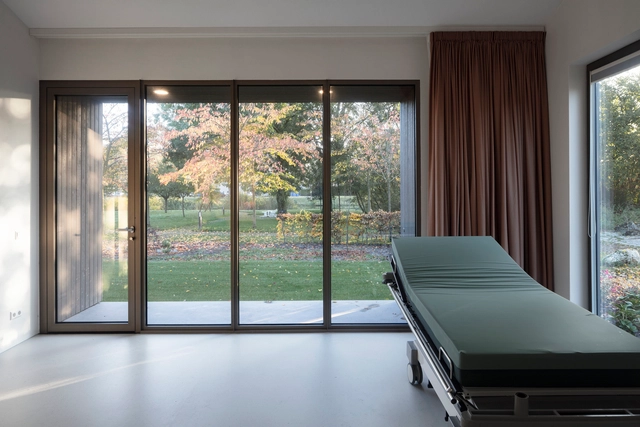
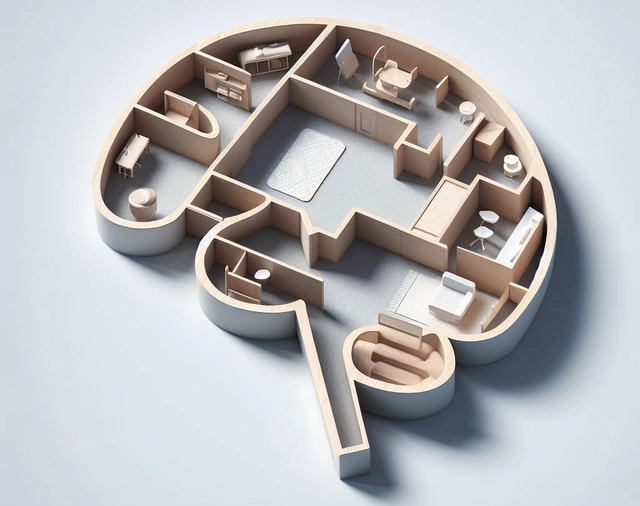
Hospice care is a specialized form of palliative care that seeks to provide comfort and quality of life to patients facing serious and terminal illnesses. These environments play a crucial role in the patient's final journey, and the intersection of neuroscience and architecture can be a powerful tool to make them even more welcoming. In these settings, neuroscience applied to architecture can be used to design spaces that promote the emotional and physical well-being of patients.
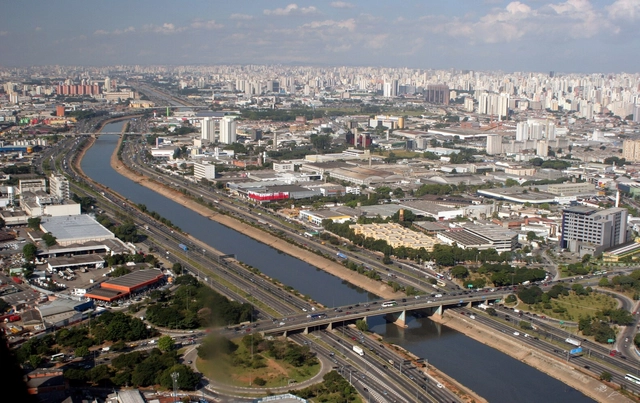
Tietê River, São Paulo. Photo by Ana Paula Hirama, via Flickr. Licensed under CC BY-SA 2.0
Swimming in the Tietê. Although many people did so until the 1930s — when the river was already polluted, though much less than today, and swimming and rowing competitions were held even along the stretch within the São Paulo capital —, no one believes this will be possible in the coming years. Cleaning the river, however, is a feasible ambition, provided we understand that there are various gradations within the category of “clean.”
https://www.archdaily.com/1136457/is-cleaning-up-the-tiete-river-possible-or-a-utopiaDavid A. Cohen
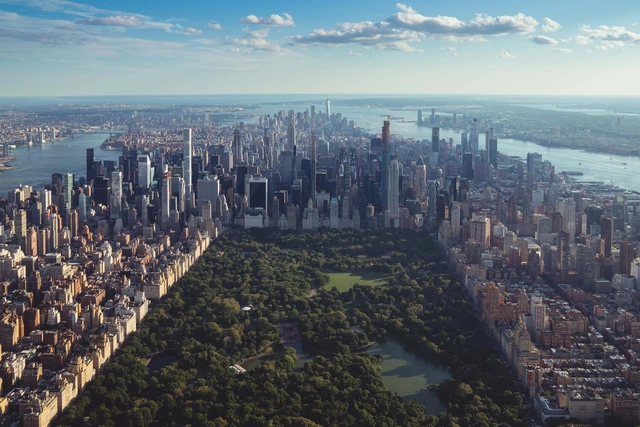
For two hundred years, New York City has been the largest metropolis in the United States and continues to outpace its competitors. The city is one of the oldest and most prosperous in the country. Its metropolitan area produces goods and services equivalent in monetary terms to half of Brazil's total GDP. Its urban structure, productive capacity, and high per capita income reflect its privileged global standing. One of the keys to understanding its rise lies in the very beginning of its history and its long developmental path. In 1624, the land of Manhattan Island was purchased from the indigenous Lenape people by Dutchman Peter Minuit of the Dutch West India Company, who founded New Amsterdam. The island is an extensive, flat 59-square-kilometer area situated at the mouth of the Hudson and East rivers. The bay allowed large ships to anchor and offered a strategic, easily defensible position.
Cities occupy just 3% of the Earth's land surface, yet they account for most of the world's energy consumption and carbon emissions. Many are also highly vulnerable to climate change and natural disasters due to their high population densities and interconnected infrastructure. To prevent the worst impacts of climate change—including human, social, and economic losses—making cities more resilient and prepared for a changing climate is crucial. Yet, recent studies indicate we are still far from achieving this.
Bringing together current scientific research, a new climate science report by the UN's Intergovernmental Panel on Climate Change (IPCC) was approved and released following intense negotiations between the world's leading scientists and governments. Comprising 37 pages, the IPCC Sixth Assessment Synthesis Report (AR6) compiles six in-depth scientific and policy reports, and is primarily aimed at policymakers.
Relaunch of the Minha Casa Minha Vida program will take place during Lula's trip to Bahia, with new rules for the inclusion of low-income families.| Photo: Ubirajara Machado/MDS / Agência Senado
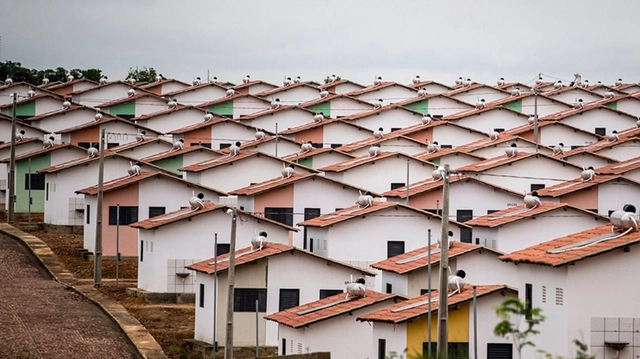
Among the updates to the new Minha Casa, Minha Vida (MCMV) program, recently launched by the Brazilian Federal Government, is the inclusion of a "housing improvement" modality. This is a necessary addition, as it addresses historically underserved populations—precisely those most vulnerable to the increasingly frequent and severe impacts of climate change. A new path toward sustainable, equitable, inclusive, and low-carbon development must be established. This transition depends not only on access to quality housing, but also on infrastructure and public services.
https://www.archdaily.com/1136464/new-minha-casa-minha-vida-opens-opportunities-to-upgrade-precarious-territories-with-shared-governanceSimone Gatti e Henrique Evers
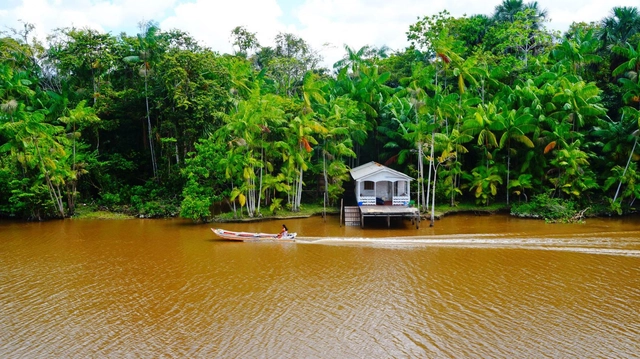
A boat navigates the Amazon rainforest between Macapá and Belém, Brazil. Forests managed by Brazil's Indigenous communities sequester large amounts of carbon, playing a critical role in curbing climate change. Photo: otorongo/Shutterstock
Around the world, forests play a fundamental role in combating or helping to contain climate change. Standing, healthy forests sequester more carbon from the atmosphere than they emit, functioning as a carbon sink; conversely, degraded and deforested areas release their stored carbon back into the atmosphere, becoming a carbon source.
https://www.archdaily.com/1136467/forests-on-indigenous-lands-are-among-the-last-carbon-sinks-in-the-amazonPeter Veit, David Gibbs e Katie Reytar
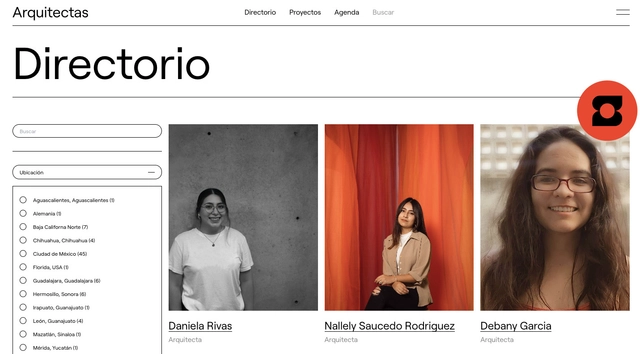
Nearly three years ago, the platform arquitectas.mx was launched as an initiative by Mexican architects Mónica Suberville and Laura A. Gómez. Born from the desire to find ways to support, mobilize, and bring visibility to women in architecture, the platform offers a gathering space for professionals across different practices within the field, aiming to steer the profession toward inclusion, equity, and the improvement of cities through a gender perspective.
No País dos Arquitectos is a podcast created by Sara Nunes, who also heads the architectural film production company Building Pictures. The podcast aims to profile the professionals, projects, and stories behind leading contemporary Portuguese architecture. With just over 10 million inhabitants, Portugal is a highly fascinating country within this professional field, and its architectural output punches far outstrips what its population or territorial scale might suggest.
In this episode of the sixth season, Sara talks with architects Matilde Cabral and Francisco Adão da Fonseca, from the firm Pedrêz, about the studio's experimental practice. Listen to the conversation and read an excerpt of the interview below.
In this interview episode, Arquicast sits down with the founder of Sotero Arquitetos, architect Adriano Mascarenhas. A graduate of the Federal University of Bahia, his work spans a highly diverse range of scales and programs.
Arquicast sits down with Gustavo Utrabo, a Brazilian architect whose work stands out for its capacity for continuous experimentation and research. Having graduated in Paraná, his career includes academic and professional experiences at Harvard, MIT, Hong Kong, and Escola da Cidade. The episode covers his communication experience on the "Entre Mundos" podcast, the initial challenges of establishing an independent practice, the dynamics and structure of his current office, and notable projects like the Canuanã Children's Village. It also explores his vision for the future of the profession and a discussion on the role of social media.
In this episode, Arquicast talks with the jury of the 9th Tomie Ohtake Akzonobel Architecture Prize about the behind-the-scenes of this prominent national award and the criteria used to select the projects. The conversation also explores the profile of each jury member, highlighting how their individual perspectives shaped the identity of this year's edition.
No País dos Arquitectosis a podcast created by Sara Nunes, who is also responsible for the architectural film production company Building Pictures. The podcast aims to get to know the professionals, projects, and stories behind leading contemporary Portuguese architecture. With just over 10 million inhabitants, Portugal is a fascinating country when it comes to this professional field, and its architectural output punches far above its weight relative to its population or territorial scale.
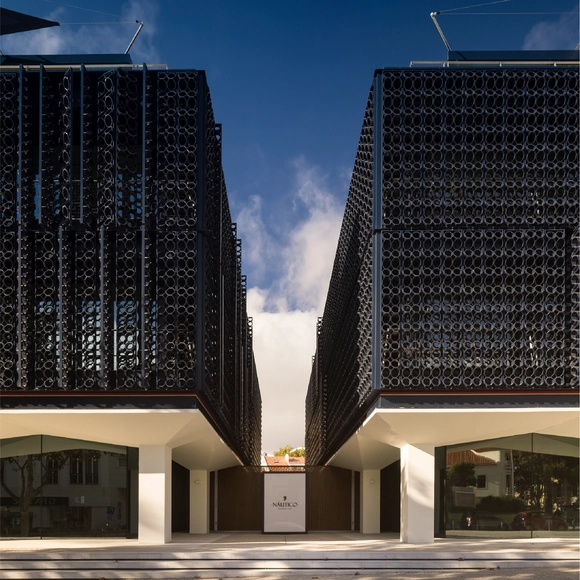
In this fifth-season episode, Sara talks with architect Tiago Rebelo de Andrade about the Náutico Building. Listen to the conversation and read part of the interview below.
Agencia Social de Paisaje is a Mexico City-based practice driven by the conviction that landscape is a vital tool for designing new horizons. Drawing on logical and natural systems, they create coherent, functional, and holistic environments that foster a deep connection to place and its inhabitants. They are part of ArchDaily's Best New Practices of 2023.
Neuroarchitecture is a discipline that has gained prominence in architecture and interior design circles in recent years. It seeks to bridge the fields of architecture and neuroscience, with the goal of creating spaces that positively impact our well-being and behavior. Arquicast invited two experts in the field, Nicole Ferrer and Lori Crizel, to discuss the concept of neuroarchitecture, current trends in professional training, its scientific foundation, and the ethical and future implications of this approach.
No País dos Arquitectosis a podcast created by Sara Nunes, who is also responsible for the architectural film production company Building Pictures. The podcast aims to profile the professionals, projects, and stories behind leading contemporary Portuguese architecture. With just over 10 million inhabitants, Portugal is a highly compelling country in this professional field, and its architectural output far exceeds its population or territorial scale.
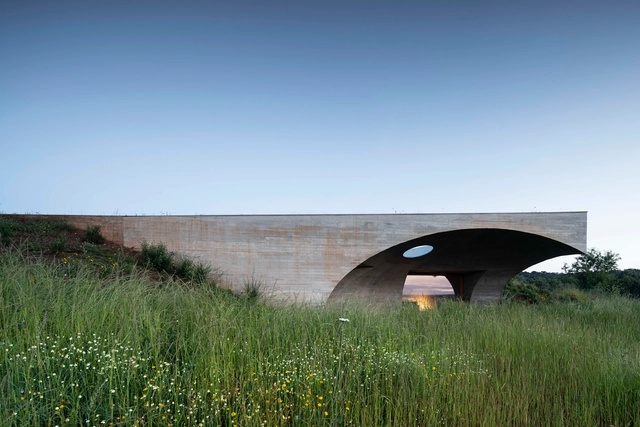
In the first episode of the sixth season, Sara talks with Manuel Aires Mateus of the firm Aires Mateus about the House in Monsaraz. Listen to the conversation and read part of the interview below.
Episode 75 of Betoneira featured Otavio Zarvos, founder of the São Paulo-based real estate development firm Idea!Zarvos. In the interview, he spoke about his first project built in the Vila Madalena neighborhood, and how he attracted other investors, acquired surrounding properties, and began what would become one of the city's most prominent developers. His background in business administration helped him plan and run the numbers necessary for the venture to succeed.
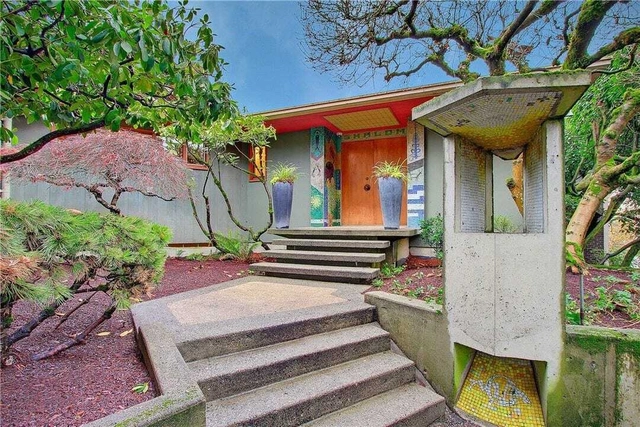
Max and Helen Gurvich Residence, in Seattle (1964). Built by Lionel H. Pries, architect and professor at the University of Washington Department of Architecture, who was fired from the institution for being gay
The Arquitetura Bicha collective emerged during the pandemic, driven by an interest in reading materials on gender and sexuality in architecture. Its members began meeting weekly to debate and investigate the bibliography suggested by each of them. Books on queer theory, feminism, and architecture inspired the collective, which launched an Instagram profile to share their discussions.