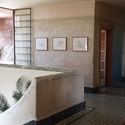
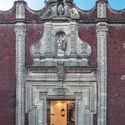
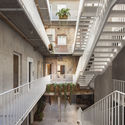
'Silogismos' is an architecture and illustration project that bases its research on archives, publications, and photographs tracing the history of modern construction in Mexico. It offers a graphic narrative on the continuity and transformation of seminal 20th-century works through the synthesis, interpretation, and juxtaposition of their ideals. These paired concepts confront thought and form through deductive inference. Ultimately, the sum of these parts reveals critical architectural meanings and motives for future reconstruction.
https://www.archdaily.com/1120503/urban-syllogisms-discover-the-history-behind-ciudad-satelite-and-the-multifamily-housing-complex-in-mexicoJuan José Kochen + Ximena Rios-Zertuche
On the occasion of the XI Ibero-American Biennial of Architecture and Urbanism (XI BIAU), held for the first time in Paraguay, we spoke with Ana Román and Arturo Franco, curators of the event and founders of the platform redfundamentos and the biannual specialized journal rita_.
Música para volar is the winning project of the “Micro Urban Architecture – Caminito” experience, a joint exercise conducted by the School of Architecture, Urbanism, and Design at the National University of Córdoba, Buenos Aires (Cátedra Equipamiento A, FAUD UNC) and the Politecnico di Milano.
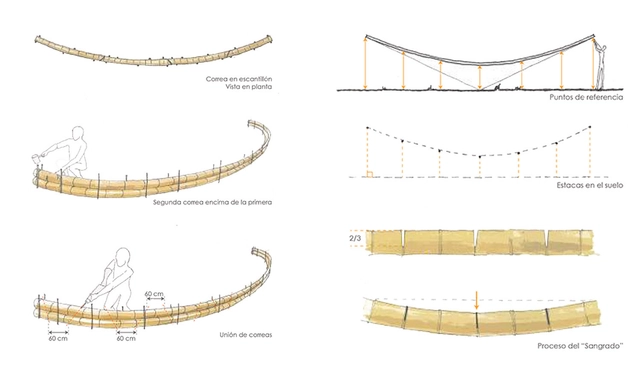
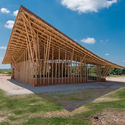
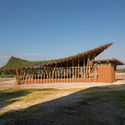
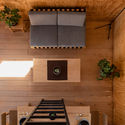
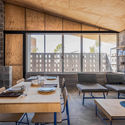
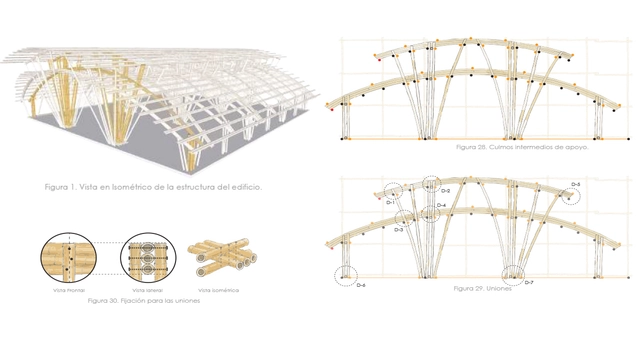
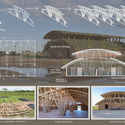
Bamboo is a building material that has been used since antiquity in various structures. It has proven its superiority over modern materials like plastic and steel thanks to its countless benefits, not to mention an incomparable aesthetic appeal that has positioned it as one of today's major architectural trends.
The architecture industry is a shadow of its former self. In a world where most services are acquired online, architects who ignore digital marketing are digging their own graves. Those who thrive leverage technology and digital marketing tools effectively, establishing a stronger online presence and securing more potential leads—opportunities that will surely pass you by if you are making the following six mistakes:
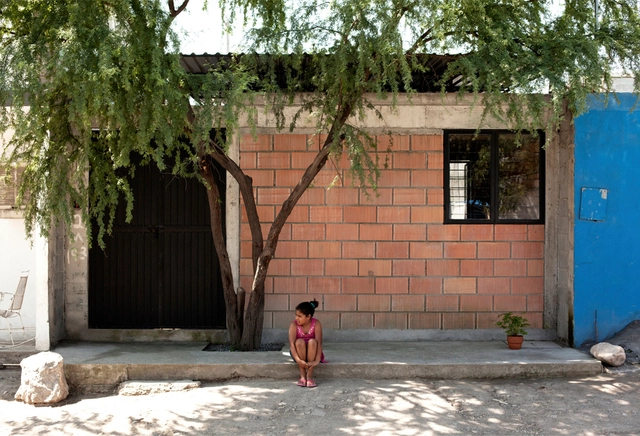
As part of INFONAVIT's Housing Research and Practical Experimentation Laboratory project—which involved designing and developing a series of prototype homes to deepen the analysis of social housing and improve residents' quality of life—32 world-renowned architects gathered in the city of Apan, in the state of Hidalgo, Mexico. There, they tested, evaluated, and validated these prototype homes to improve the users' quality of life and promote better practices among developers, demonstrating that high-quality housing can be built at costs comparable to current market rates.
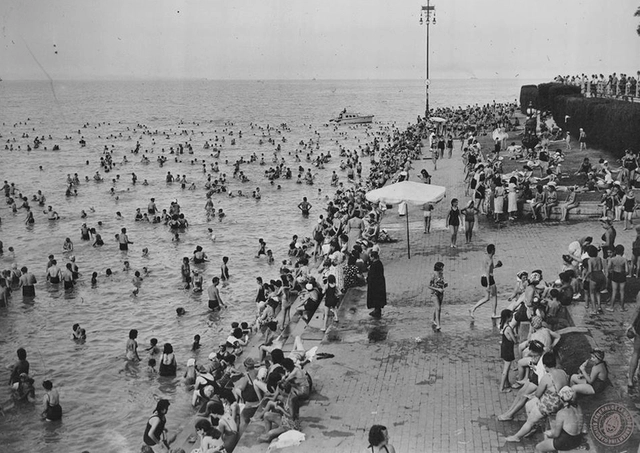
1949 The breakwater of the Municipal Seaside Resort of Buenos Aires
That the river is a significant element for the City of Buenos Aires is nothing new. It was through this waterway that the first founders arrived, the products of the land departed, and the labor and machinery needed to build a nation made their entry. This geographical feature holds deep historical significance and has acquired great symbolic value on an urban scale. Therefore, this article compiles a series of projects that, centering on the City-River relationship, demonstrate how these two elements can be bridged to create new areas of opportunity.
From September 30 to October 7, Madrid will be the featured capital of the 16th Architecture Week 2019, organized by the Official Association of Architects of Madrid (COAM) through the COAM Architecture Foundation.
Juan Navarro Baldeweg liked to imagine his work within a dreamlike room, where the outlines of his buildings are silhouetted against a horizon of visual vanishing points, with the spectator positioned at their center of convergence. He aspired, moreover, for his exhibitions to be cumulative rather than retrospective—inviting the viewer to wander and trace connections between his works, linking them like elements of a single expressive medium or distinct formal gestures.
In contrast to the rigidity of classicist attitudes and the modern synthesis of artistic languages, Navarro Baldeweg—unbeknownst to many—champions the simultaneous cultivation of diverse, sometimes opposing disciplines and distinct arts. This fluid movement, free of preferences or boundaries across the broad spectrum of artistic practices, foreshadowed approaches that are widespread today, such as nomadism and the poetics of the "in-between." This nomadism does not stem from opportunism, but from a creative impulse, a restless eye, a trained gaze—in short, the work of a total artist.
Bamboo is a building material that has been used since antiquity in various structures, demonstrating its superiority over modern materials such as plastic and steel. This is due to its countless benefits, as well as an incomparable aesthetic appeal that has positioned it as one of today's leading architectural trends.
March 8 was established by the UN in 1975 to commemorate the struggle for equal rights and universal suffrage. This commemoration honors the efforts of women who demanded their right to vote, to work, to professional training, to hold public office, and to combat labor discrimination. This struggle is the fruit of the labor of women who sacrificed themselves for the cause. Daily events clearly show that the social landscape has changed; however, it remains essential that both men and women commit to progress and justice to make things happen.
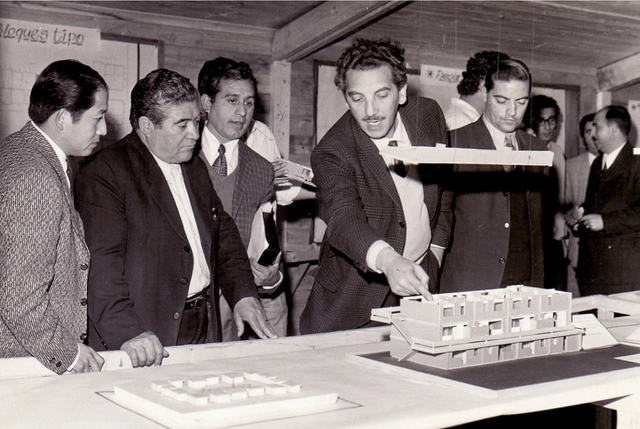
Lawner served as the executive director of the Urban Improvement Corporation (CORMU) until the 1973 Chilean coup d'état, during which he was detained in concentration camps before being exiled to Denmark. Both from abroad and following his return, he has been recognized for his social housing projects, as well as his research and advocacy exposing human rights violations.
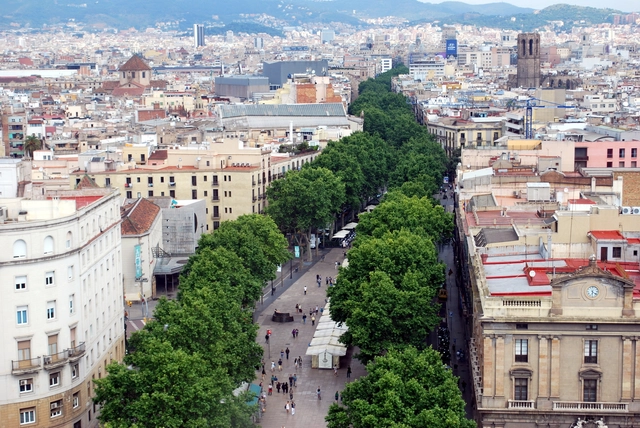
ArchDaily is working with CityMakers to publish a series of articles, conversations, and interviews with the various actors in urban co-production behind the Barcelona CityMakers Lab 2019, an event taking place from October 14 to 20, 2019.
CityMakers promotes the transformation of cities and territories by connecting professionals from around the world with benchmark cities to learn about their practices in global positioning, mobility, the built environment, economy, and governance, inspiring change in their own communities.
For this first installment, we have compiled excerpts from a conversation with architect and urban planner Camilo Osorio, Executive Director of CityMakers, who discusses a paradigm shift in urban planning and the birth of CityMakers as a community that seeks to inspire change through the on-site study of exemplary cities around the world.
Continuing our series of articles by Nikos A. Salingaros, David Brain, Andrés M. Duany, Michael W. Mehaffy, and Ernesto Philibert-Petit on the study of social housing in Latin America, we now present practical suggestions for implementing projects that address new solutions for the future of social housing. Read all the previous publications and the new article below.
https://www.archdaily.com/1120627/practical-advice-for-the-future-of-social-housing-in-latin-americaNikos A. Salingaros, David Brain, Andrés M. Duany, Michael W. Mehaffy & Ernesto Philibert-Petit
Arq. Rodrigo de la Peña y Arq. Gilberto Rodríguez, de Sasaki Associates, GLR Arquitectos + RDLP Arquitectos / Biblioteca Tec de Monterrey. Image Cortesía de Interceramic
As part of its annual awards program, Interceramic, a leading Mexican manufacturer and distributor of ceramic floor and wall tiles, celebrated the eighth edition of the Interceramic Architecture and Interior Design Award on October 17, 2019, at the Salón de las Artes of the JW Marriott Santa Fe Hotel in Mexico City. The awards aim to promote and recognize projects that best reflect contemporary design and express the current state of architecture and interior design, while also celebrating creativity in the use of Interceramic ceramic materials.
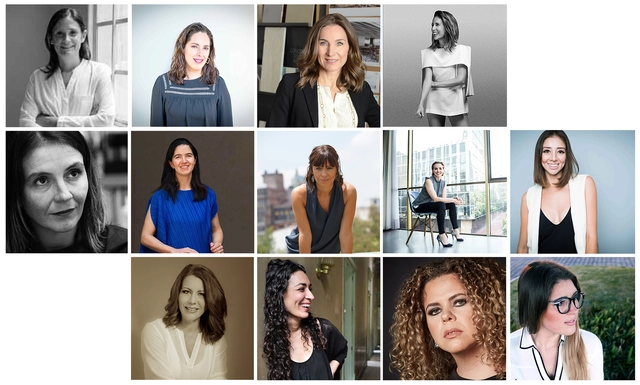
As part of the 12th edition of the ColorLife TRENDS program, this October, the brand Comex revealed the trends and the color of the year that will dominate in 2020. The program aims to promote the use of color across all industries and unlock its power as a visual tool to improve the environment, protecting and enhancing the lives of Mexicans. These trends were developed by 14 renowned creatives from various industries, including design, gastronomy, architecture, and fashion.
On October 19 and 20, more than 100 sites of high architectural, engineering, environmental, urban, social, or cultural value will open their doors for free during the third edition of the OH! Stgo event.
This edition focuses on fostering connections between people and the natural environment. To this end, we present 9 of the 26 island hills that surround the city for you to visit.
Santiago is one of the cities in the world with the best access to the mountains and associated sports. Integrating these natural environments as public spaces would result in an increase in green areas per person, potentially addressing the current deficit of 3.7 m2 and reaching at least the 9 m2 recommended by the World Health Organization, according to OH! STGO.
Open House, the international festival that invites people to visit landmark sites in cities like London, New York, Barcelona, and Buenos Aires, returns for its second edition in Mexico City. Iconic buildings will participate in OHCDMX, opening to the public on September 28 and 29.
Alberto Campo Baeza, one of today's most internationally renowned architects, has been selected for Honorary Fellowship in the American Institute of Architects [AIA]. Founded in 1857, the organization represents the interests of American architects, much like the CSCA (Superior Council of Colleges of Architects) does in Spain. It currently has more than 90,000 members, of whom only a select few are chosen to join the Institute's ‘College of Fellows’ with the title of FAIA.
Campo Baeza joins the exclusive roster of Honorary Fellows of the American Institute of Architects. In doing so, he joins fellow Spanish architects such as Rafael Moneo, Juan Navarro Baldeweg, Enrique Sobejano, and Fuensanta Nieto, alongside other equally renowned European architects like Álvaro Siza, Eduardo Souto de Moura, and David Chipperfield.
This year, 2019, marks 170 years since French architect Claude Brunet de Baines established the first architecture chair in Chile, which would eventually become the School of Architecture at the University of Chile. Fermín Vivaceta, designer of the Central Market and co-designer of the university's central campus building (Casa Central), was part of its inaugural graduating class.
This year also marks the 75th anniversary of the founding of the university's Faculty of Architecture and Urbanism (FAU). To celebrate this double milestone, Dean Manuel Amaya—through the Strategic Projects Center directed by Guillermo Crovari—commissioned architect Domingo Arancibia to design a pavilion commemorating these two historic landmarks in Chilean architectural education.
via Flickr user: icelight Licensed under CC BY 2.0
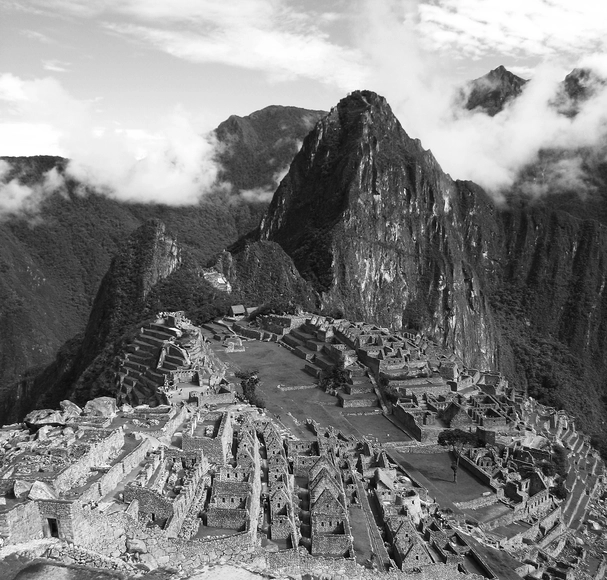
Media outlets and social networks have been abuzz with controversy surrounding the Chinchero Airport project, a new international air terminal in Peru. The project aims to replace the current Alejandro Velasco Astete International Airport in downtown Cusco and improve direct connections to nearby destinations, most notably Machu Picchu.
Bogotá is a city where urban life is nourished by the experience of inhabiting its public spaces. The urban planning of most colonial Latin American cities is structured around a foundational plaza; in the case of Bogotá, the urban grid is guided by *carreras* running north-south and *calles* running east-west. Over time, key recreational areas have established themselves across the urban landscape, gaining prominent significance within the city.
Ceremonia de inauguración de la XXI Bienal de Arquitectura y Urbanismo de Chile el pasado jueves 03 de octubre en Santiago, Chile. Image Cortesía de Bienal de Chile
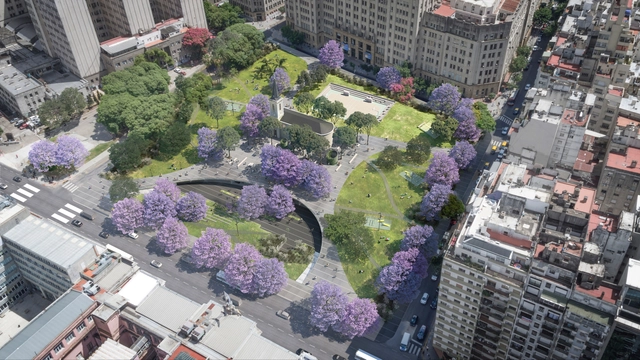
The spire of the San Lucas Parish rises serenely over an expansive green canopy of blooming jacarandas and tipu trees. Behind it, the massive School of Medicine of the University of Buenos Aires and a dense cluster of gray buildings contrast with this permeable green lung. A paved plaza climbs from the street, navigating the site's topography with winding paths, underground connections, parking, and a cultural center: this is the new project for Plaza Houssay, currently under construction.





















.jpg?1562341819&format=webp&width=640&height=580)


.jpg?1562341819)
.jpg?1571676447&format=webp&width=640&height=580)