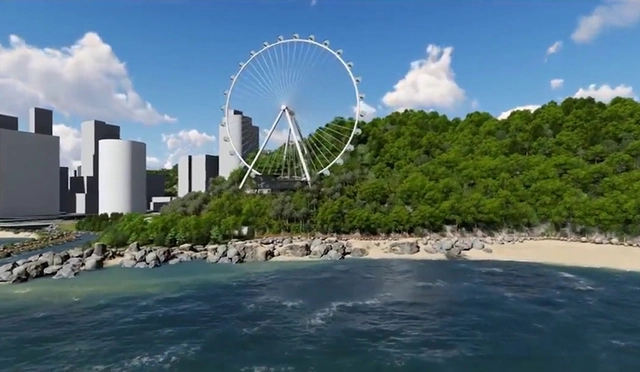
The proposal to build South America's largest Ferris wheel in Balneário Camboriú (SC) underwent another public hearing this Monday (11)—this time to present the project's Neighborhood Impact Assessment (EIV), which plans for a 57,200-square-meter complex in the Praia do Coco area.
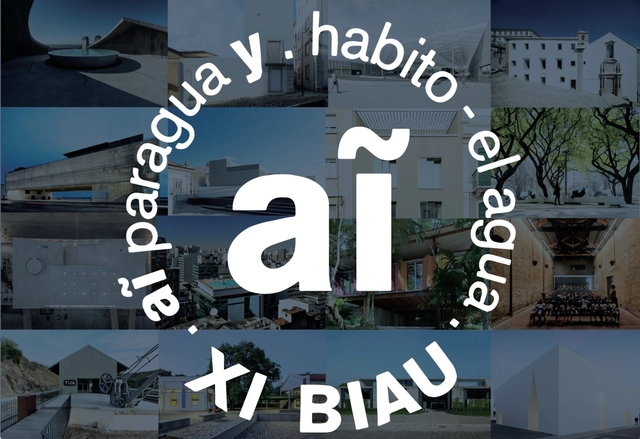
The XI Ibero-American Biennial of Architecture and Urbanism, which will take place in Paraguay, has just released the list of projects selected to participate in the exhibition. The selection was made by committees appointed by each country. In Brazil, those responsible are: UNA Arquitetos (curators), Carlos Eduardo Comas, Fernando Luiz Lara, Guilah Naslavsky, Guilherme Wisnik, Luciano Margotto, Naia Alban, Otávio Leonídio, and Paulo Henrique Paranhos. In Portugal, the selection was overseen by: Paulo David (curator), Ana Pedro Ferreira, and Pedro Maria Ribeiro. See the complete list of selected projects below.
https://www.archdaily.com/1122056/find-out-which-brazilian-and-portuguese-projects-were-selected-for-the-xi-biauPedro Vada
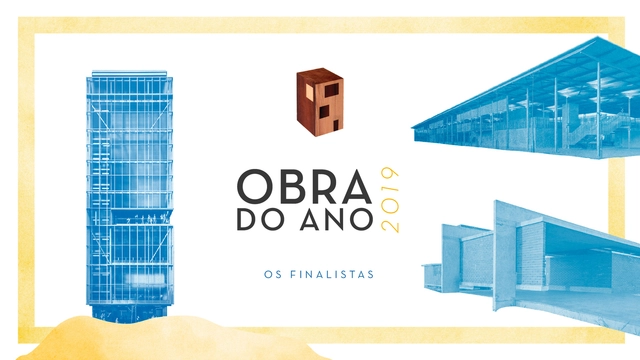
We are pleased to present today the finalist projects for the 2019 Building of the Year Award (ODA19). After two weeks of nominations and more than 10,000 votes, the favorite projects have been selected from hundreds of works built in Portuguese-speaking countries. Our jury of experts—our own readers—has once again done an outstanding job selecting the 15 finalists. The projects span a remarkable diversity of programs, including cultural, commercial, and educational facilities, public squares, high-end residences, and renovations. This selection offers an engaging overview of contemporary architectural production in Brazil and Portugal, deeply shaped by material exploration, the richness of our geographic contexts, and the diverse challenges faced by our societies.
The wall currently under construction on the US-Mexico border. Image: José Luis Gonzalez / Reuters
Margarida Quintã and Luís Ribeiro da Silva are the winners of the 15th edition of the Fernando Távora Award, the Northern Regional Section of the Order of Architects (OA) announced this week. With the proposal As Fronteiras do México [The Borders of Mexico], the duo explores "the impact of architecture and urbanism on mediating issues related to territorial borders, migration, and the cross-border dimension of human well-being."
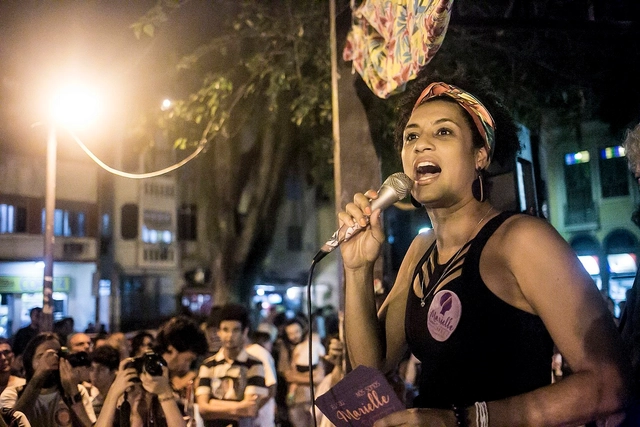
Today marks one year since the brutal assassination of Rio de Janeiro sociologist and city councilwoman Marielle Franco. The week before her death, Marielle took part in a series of debates organized by CAU/RJ called "Architecture - Feminine Noun," aimed at strengthening mobilizations for International Women's Day.
https://www.archdaily.com/1122060/watch-marielle-franco-in-the-debate-architecture-feminine-nounPedro Vada
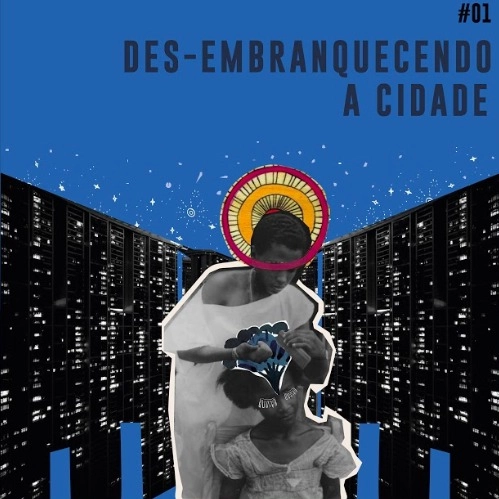
The “De-whitening the City” Podcast is a space invented from the desire of five Black women residing in Salvador, São Paulo, Rio de Janeiro, and Belo Horizonte to circumvent geographic distance in order to foster and celebrate connection. Emmily Leandro, Gabriela Gaia, Luciana Mayrink, Malu de Barros, and Natalia Alves make up the Terra Preta collective, giving shape and voice to this exercise in creating a shared virtual territory—both a political and aesthetic commitment—now made public for the first time.
https://www.archdaily.com/1122076/de-whitening-the-cityTerra Preta Cidade
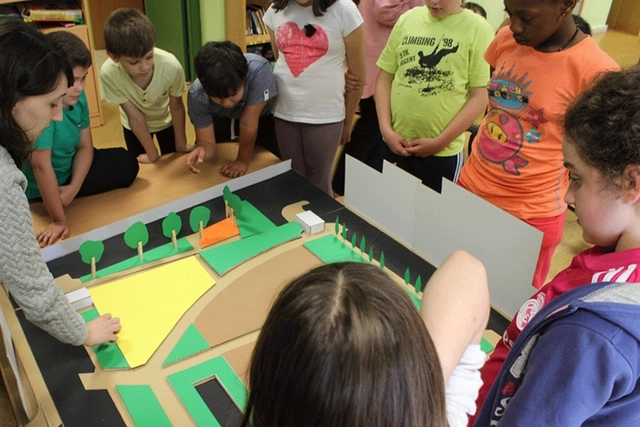
Projeto “Arquitetura para Crianças”, realizado na Galícia, Espanha. Image Cortesia de CAU/BR
The Urban and Environmental Policy Commission (CPUA) of CAU/BR will produce supplemental educational materials on architecture and urbanism for elementary and middle school classrooms. Developed in partnership with Pistache Editorial, the project aims to bring urban planning discussions into schools to help build better cities in the future. The goal is to foster students' critical perspective on the urban environment, helping them understand the city as a space with multiple historical layers.
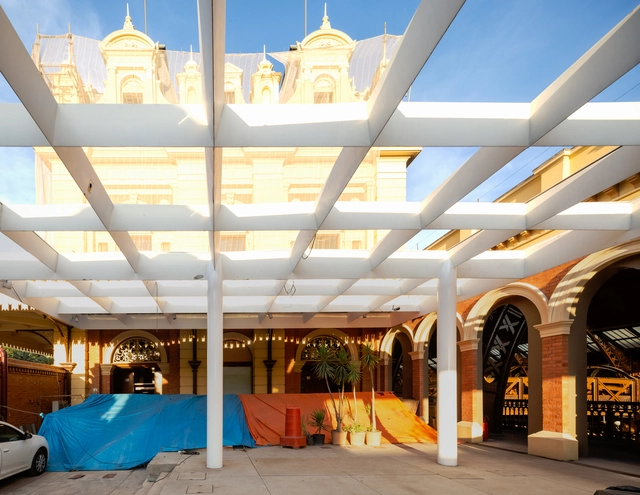
Partially destroyed by a fire in 2015, the Museum of the Portuguese Language has undergone a lengthy restoration process and now has a date to reopen its doors: June 27, 2020. The announcement was made by state and municipal officials this Monday, December 16, during a visit to the site.
At the end of each year, we launch a call for submissions for graduation thesis projects from our readers in Portuguese-speaking countries. Through this, we aim to select the projects we find most interesting in order to share inspiring perspectives and discussions with our entire audience.
In this edition, we received 333 proposals from all over Brazil and several Portuguese cities. The selection of these projects is based on those we consider best presented, visually compelling, and whose theme we find thought-provoking and timely for a graduation thesis. More than simply delivering a satisfactory design, we believe that a final graduation project—by condensing the student's efforts during a transition period from academia to professional life (while, it is important to note, still being part of the academic journey)—must raise questions and spark discussion about the proposed theme.
It is worth noting that several submissions did not follow the guidelines and were either disqualified or provided insufficient material for evaluation.
Below is our selection* of the 32 best final graduation projects from Portuguese-speaking countries, accompanied by descriptions provided by their authors.
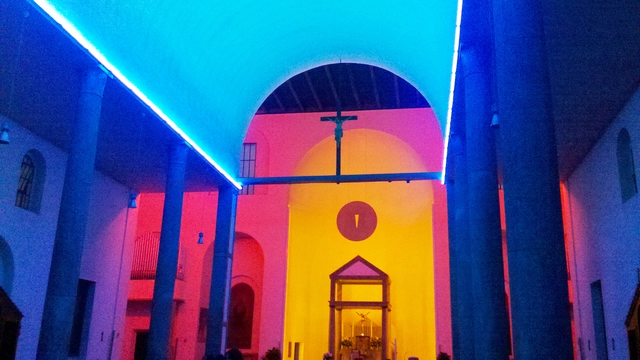
Santa Maria Annunciata in Chiesa Rossa. Photo by Andrea Pavanello/Creative Commons
Daniel Flavin was a key figure of the minimalist art movement of the 1960s and 1970s in the United States. The term was first coined by philosopher Richard Wollheim in his 1965 essay “Minimal Art” to categorize works that, like Duchamp's ready-mades, did not seek to represent an external reality; instead, the exhibited object was to be understood as a work in its own right, and the viewer's experience was not meant to rely on external associations.
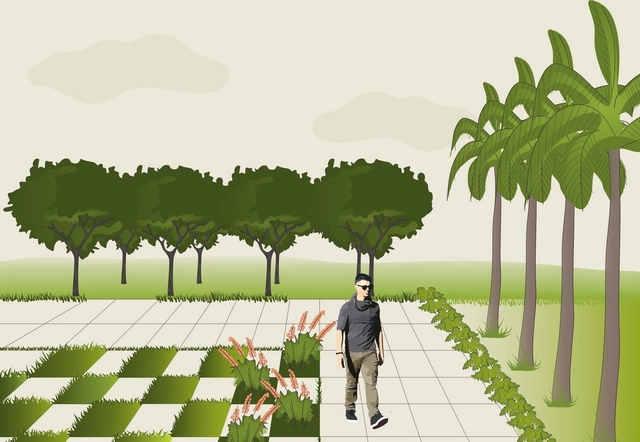
The benefits of urban vegetation are numerous and well known. In addition to shading public spaces and producing oxygen, trees and shrubs contribute to thermal comfort, by humidifying the air, and acoustic comfort, as they can be used as barriers to minimize noise.
Few historical events have been as pivotal to the history of architecture and urbanism as the Industrial Revolution. To accommodate the productive framework that transformed capitalism starting in the 18th century, an entire spatial system was created. Beyond factories, this network included raw material processing plants, power generation and distribution hubs, warehouses, and transport terminals. In urban terms, this process did not merely allocate large swaths of land to industrial activities; it triggered a multisystemic transformation that reshaped how people lived, occupied, and moved within the urban environment.
https://www.archdaily.com/1122136/de-industrial-architecture-8-projects-that-redefine-the-space-of-the-machineIsabel Martin
Tamboré. Image Cortesia de Leonardo Loyolla Coelho
The formal configuration of open space systems in Brazilian cities—whether qualified or not—derives a significant contribution from private developments, since public urban planning and design have historically been the exception.
O projeto deve ressignificar o espaço e trazê-lo de volta à vida. Imagens: JeudiWang/SAME Architectes. Image Cortesia de Gazeta do Povo / Haus
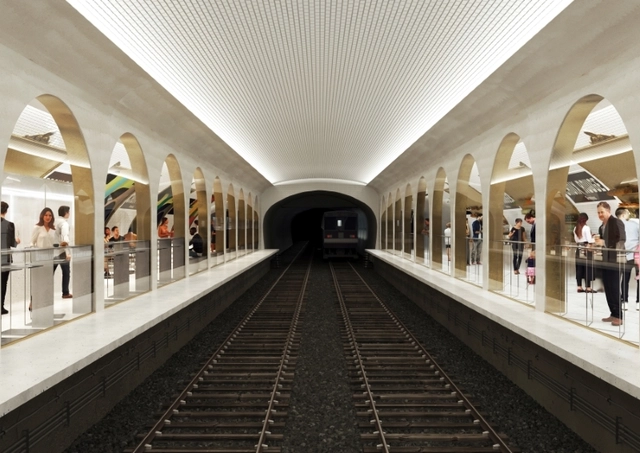
On one side, an underground market; on the other, a restaurant and a cocktail bar. Terminus, as Paris's newest gastronomic center will be named, will repurpose a decommissioned subway station in the French capital's 6th arrondissement, with operations spanning both sides of the tracks.
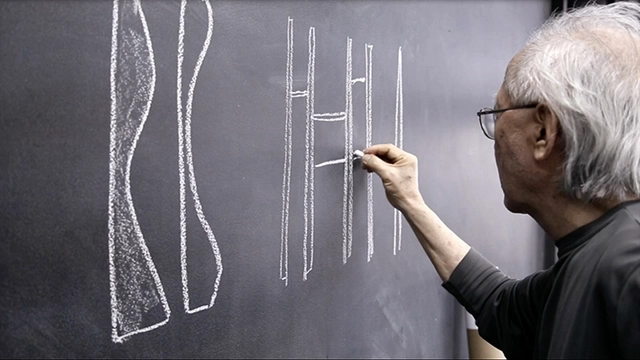
Architecture, as construction, has many ways to express itself. Ideas can be conveyed through programmatic organization and the materials used; we can communicate through the rhythm of facades and openings; and we can deliver a message through the transparency or opacity of the volumes and surfaces we design. We can also express ourselves through structure and its arrangement—and this is perhaps the facet of architecture we most eagerly seek to explore.
On Wednesday evening, October 9, the late Briane Panitz Bicca—an architect and urban planner from Rio Grande do Sul widely recognized as a leading figure in the preservation of Brazilian historical and cultural heritage—was honored during the opening ceremony of the 21st Brazilian Congress of Architects (CBA).
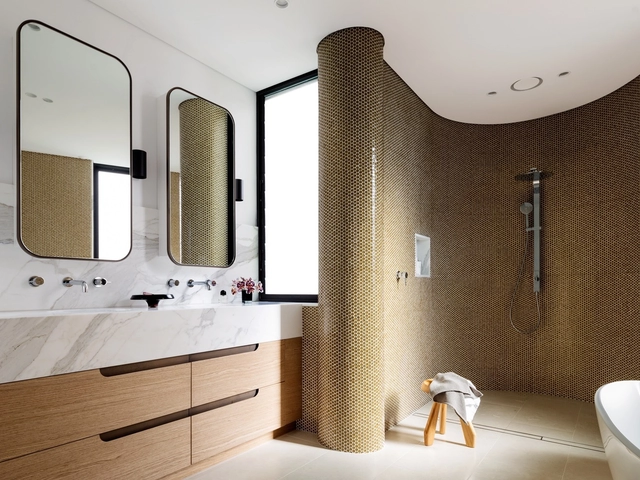
Because bathrooms are wet areas with highly specific uses, choosing floor and wall finishes can often feel daunting. In this guide, we round up some of the most widely used materials, outlining their advantages and disadvantages.
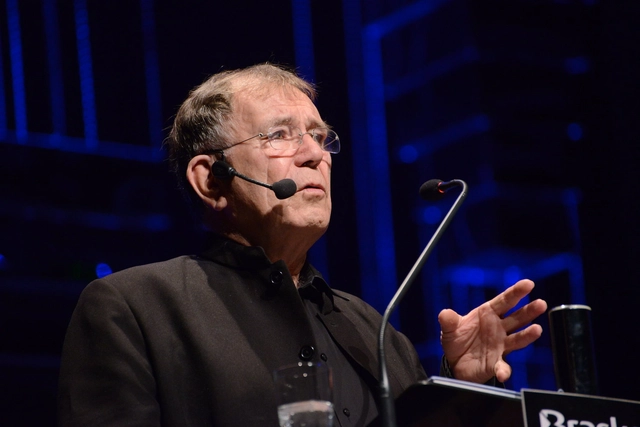
The author of more than 30 books and a champion of cities for people, Danish architect Jan Gehl and his team of around 50 professionals have worked to free the centers of cities as diverse as Moscow, Melbourne, Shanghai, and New York from cars.
Romano Guerra Editora has launched a crowdfunding campaign on Catarse to reissue the celebrated book RINO LEVI – arquitetura e cidade. Based on Renato Anelli's doctoral dissertation, the book features iconographic research by a team led by Abilio Guerra and is filled with photography by Nelson Kon.
Image credits: Architecture Paste Book (top left), Leonardo Finotti (bottom left), and Manuel Sá (right)
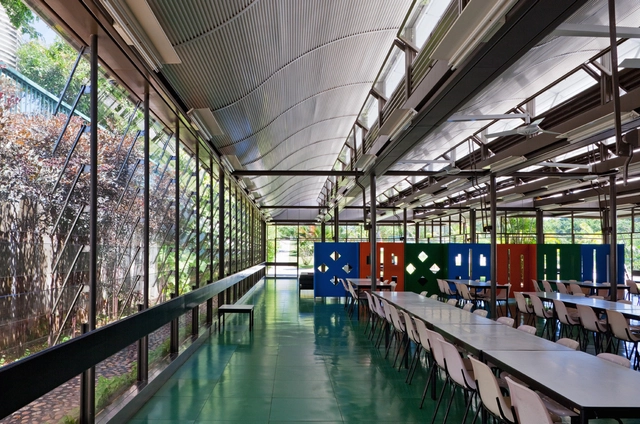
Salvador is a city defined by a geological fault that divides it into two parts: the upper city (Cidade Alta) and the lower city (Cidade Baixa). Since the beginning of its colonization, this elevation change of approximately 80 meters has shaped distinct land-use patterns across the territory, which have evolved alongside the city's growth and expansion. The local landscape, however, is not only defined by this geological fault but also serves as an expression of different layers of history. Brazil's first capital, which celebrated its 470th anniversary this year, has historically embraced diverse architectural styles and movements, including Neocolonial, Baroque, Neoclassical, Eclectic, Modern, and Contemporary.
From revitalizing degraded green spaces to hosting collaborative games, events, and workshops, there are numerous volunteer initiatives capable of transforming a city's landscape and the lives of its residents.
In addition to serving as vital forms of social participation, community collectives and volunteer-driven initiatives facilitate dialogue between public authorities and local communities. This collaboration yields numerous benefits, particularly in reshaping how we interact with our cities.
Energy-efficient projects are becoming increasingly relevant in the fight against climate change, especially considering that the building sector accounts for more than 40% of all electricity consumed in Brazil. While designing with bioclimatic strategies can be a challenge, LabEEE/UFSC, in partnership with the federal government, addressed the question of "how to achieve lower energy consumption and greater indoor comfort for users" by creating a free platform that offers various passive strategies tailored to the characteristics of each Brazilian city.
The Academia Paulista de Letras has elected architect Ruy Ohtake as its newest member, who will occupy seat number 39. The seat was previously held by fellow architect Benedito Lima de Toledo, who passed away in July of this year.
First Place / Nachtergaele Navarro Arquitetos Associados
Developer Weefor has announced the results of its first open architecture competition, which aimed to select an architectural design for the company's first residential development in the city of Curitiba. The competition's grand prize winner is the firm Nachtergaele Navarro Arquitetos Associados, from São Paulo, whose project is scheduled to begin construction in the first half of 2020.


.jpg?1571160713&format=webp&width=640&height=580)