Theme: “Diverse Architecture”

In partnership with Le Grand Café Contemporary Art Centre in Saint-Nazaire, LiFE presents, from 3 June to 9 October, Neocodomousse, an exhibition by raumlaborberlin, a Berlin based network-collective of nine trained architects. Raumlaborberlin is a collective of nine architects, city planners and artists. Their name could translate as both space and laboratory: a neologism referencing to experimentation and empirical research, guided by a community manufacturing process.

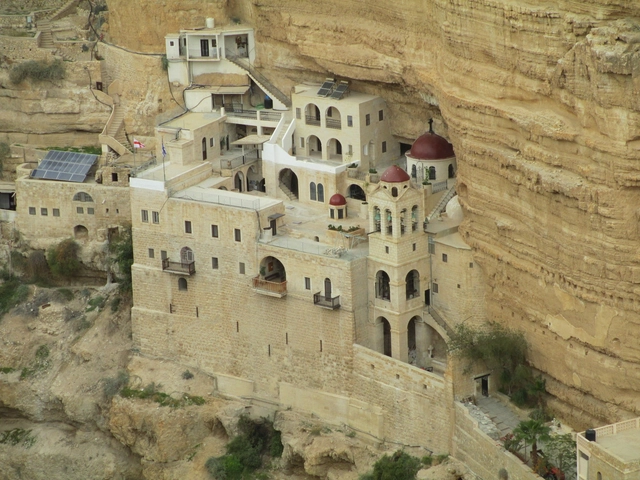
Have you ever wondered which are humanity's oldest cities? Matador Network has compiled a list of the world's ancient metropolises, and perhaps unsurprisingly, nearly all of them are within or adjacent to the Fertile Crescent, a moon-shaped region running from the Persian Gulf through what is today the south of Iraq, Syria, Lebanon, Jordan, Israel, and the Nile River Delta in Egypt. With settings that range from hamlets on the road less traveled, like Susa, Iran, and Sidon, Lebanon, to cities that hold international renown as trade and migratory crossroads, like Beirut and Damascus, these places share an ability to endure through the highs and lows of fortune and conflict. This factor of longevity is all the more remarkable considering that the youngest locales date from 3,000 BC and others extend back another 6,000 years.
Find the complete list of cities on Matador Network, here.
_(1).jpg?1465305999&format=webp&width=640&height=580)

In an article for Reading Design, Norman Foster—a passionate aeronaut—describes how the groundbreaking design of the Boeing 747 "Jumbo Jet," the iconic airplane envisioned by engineer Joseph "Joe" Sutter in the 1960s, remains timeless. Likening both its method of construction and means of operation to that of a typical building, Foster asserts that it speaks of "the international hotel style," which he supposes as appropriate: "people come and go, it does not have a great deal of character and it could be almost anywhere."