1. ArchDaily
  2. Workplace Design

Workplace Design: The Latest Architecture and News

The Employee Experience: Designing Workplaces from User Research

Subscriber Access | 

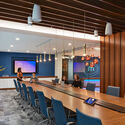
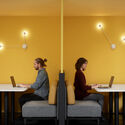
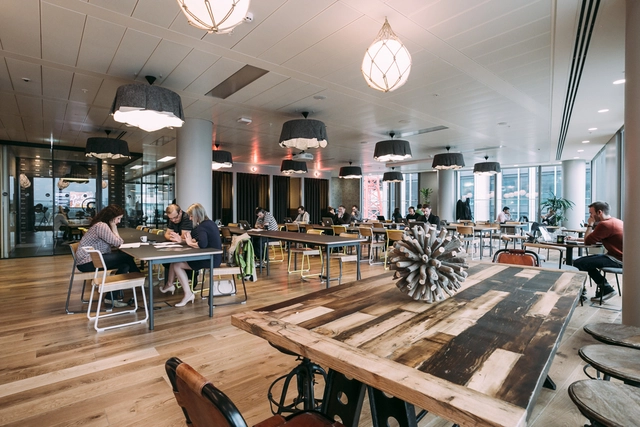
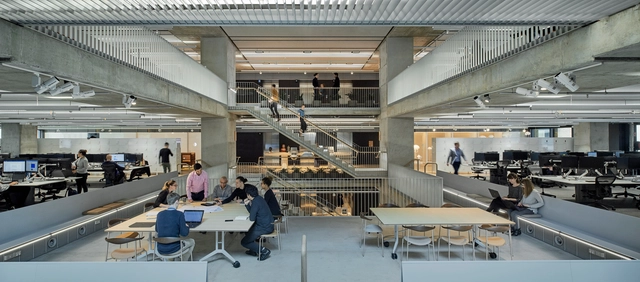
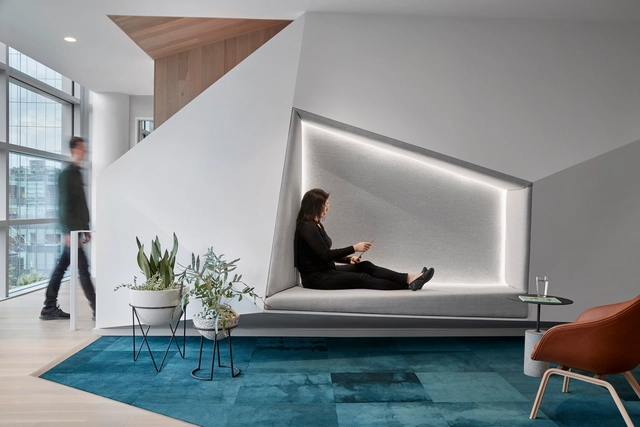
The average person spends approximately 90,000 hours, equivalent to one-third of a lifetime, at work. The workplace can be a second home to adults, and spending multiple hours has fueled a longstanding desire for change within the workplace. Over the decades, various factors, including pandemics, economic crises, and changing generational preferences, have impacted the nature of work and the places people work in. The recent phenomena of the Great Resignation and the widespread adoption of remote and hybrid work arrangements have accelerated the transformation of workplaces. In response, organizations are increasingly prioritizing the overall employee experience, recognizing the need to create environments that accommodate evolving work structures while fostering satisfaction, engagement, and well-being among their workforce.
The Employee Experience: Designing Workplaces from User Research  - Imagen 1 de 4The Employee Experience: Designing Workplaces from User Research  - Imagen 2 de 4The Employee Experience: Designing Workplaces from User Research  - Imagen 3 de 4The Employee Experience: Designing Workplaces from User Research  - Imagen 4 de 4The Employee Experience: Designing Workplaces from User Research  - More Images

A Production Facility in Bulgaria and a Bank Headquarters in Iran: 7 Unbuilt Work Environments Submitted by the ArchDaily Community

Subscriber Access | 

Office spaces in design and architecture play a crucial role in shaping the way we work and interact in professional environments. They are thoughtfully designed to promote healthy output, encourage teamwork, and give workers a welcoming and motivating environment. After the Covid-10 pandemic, work lifestyles underwent a significant transformation. As a result, companies have been adapting and redesigning new ways of working, implementing flexible schedules and hybrid work policies.

This evolution in work lifestyles has father influenced office design, now more focused on prioritizing health, safety, personal space, and collaboration. Office spaces in design and architecture have been adapting to the changing work landscape for decades. As they evolve to meet the changing needs of the workforce, various design iterations are explored, promoting different values.

This week’s curated selection of Best Unbuilt Architecture showcases projects submitted by the ArchDaily community highlighting different office spaces. Ranging from a more formal bank headquarters in Switzerland to a mixed-use business center in Ukraine, these designs heavily influence the way in which people work in the spaces.

A Production Facility in Bulgaria and a Bank Headquarters in Iran: 7 Unbuilt Work Environments Submitted by the ArchDaily Community - Image 1 of 4A Production Facility in Bulgaria and a Bank Headquarters in Iran: 7 Unbuilt Work Environments Submitted by the ArchDaily Community - Image 2 of 4A Production Facility in Bulgaria and a Bank Headquarters in Iran: 7 Unbuilt Work Environments Submitted by the ArchDaily Community - Image 16 of 4A Production Facility in Bulgaria and a Bank Headquarters in Iran: 7 Unbuilt Work Environments Submitted by the ArchDaily Community - Image 23 of 4A Production Facility in Bulgaria and a Bank Headquarters in Iran: 7 Unbuilt Work Environments Submitted by the ArchDaily Community - More Images+ 33

Sustainable Seating Solutions for Well-Being in the Workplace

 | Sponsored Content

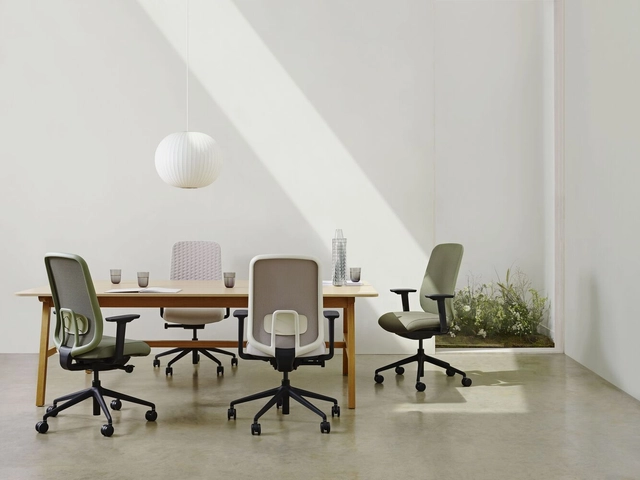
Choosing the appropriate working elements –such as furniture, lighting, flooring, and other equipment– is key for creating an optimal workplace environment. With a positive impact on productivity, as well as the comfort and well-being of team members, designing workplace elements that integrate sustainable, wellness and aesthetic qualities implies a deep understanding of the interactions between these three areas. Minimizing the environmental impact and prioritizing well-being throughout the design process, while also considering the resulting aesthetics, Boss Design’s Sia Task Chair defines a new standard for workplace design.

What are Branded Environments?

Subscriber Access | 

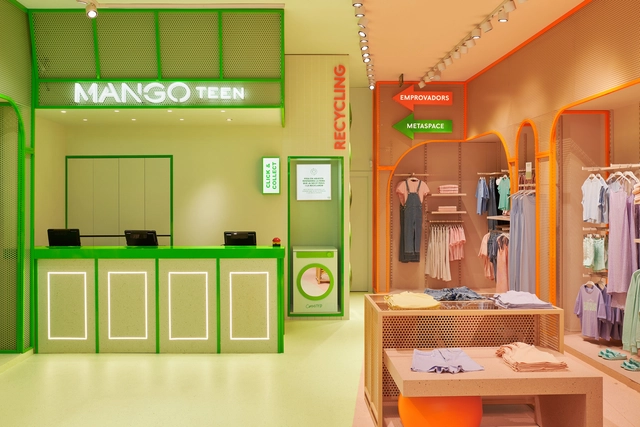
When one steps into a Starbucks, they almost instantly know they are in the famed coffeehouse, and not at a McDonald's. Apart from the uniformed staff and a giant sign at the door, there are countless other factors that make a Starbucks look like a Starbucks. Textures, materials, shapes, colors, layouts, furniture, and lighting all contribute to the experience of being in a branded environment. These elements are replicated globally to create an identifiable image. As economic patterns change, brands are looking at extending their identities into spatial experiences in order to better engage with their customers in their daily lives. 

What are Branded Environments?  - Image 1 of 4What are Branded Environments?  - Image 2 of 4What are Branded Environments?  - Image 3 of 4What are Branded Environments?  - Image 4 of 4What are Branded Environments?  - More Images+ 3

Reusing Existing Elements to Create a Flexible Space: EY Melbourne

 | Sponsored Content

By re-energising the existing building’s meeting floors, the EY Melbourne Project takes a step forward towards collaborative spaces and the way to reinvent workplaces. Within an architectural layout that combines adaptive reuse with the incorporation of featured products, Gensler designs a flexible space which has been selected among the five winners of the 2022 Best of Globe Winner.

Eight Flexible Ways to Change the Office Landscape

Subscriber Access | 

As the post-pandemic generation of the workplace takes shape, office comfort is fast becoming its main selling point. But that can’t just mean big, comfy ‘working’ sofas and a few scatter cushions. With the hybrid options of home, office, or third space on the table, the majority of employees still choose to spend a large proportion of their working time together, benefitting from the community feeling and creative atmosphere, but most of all the professional working environment and interior. So while comfortably cozy spaces help them feel at home, the traditional set-up with individual desks and chairs for quiet focus, can’t be underestimated

With rising rental rates and major firms already in the process of downsizing to survive the digital work era, only flexibly and adaptably designed workplaces can provide both comfortable and focused typologies.

Biophilic Offices: Landscape and the Working Environment

Subscriber Access | 

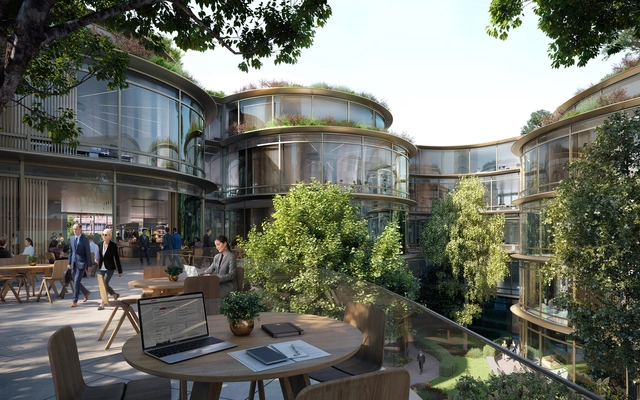
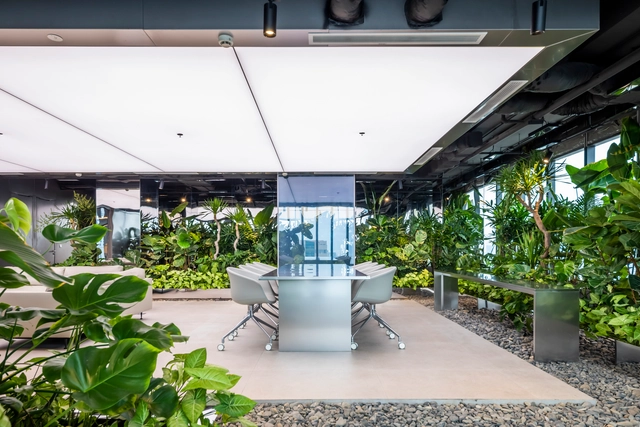
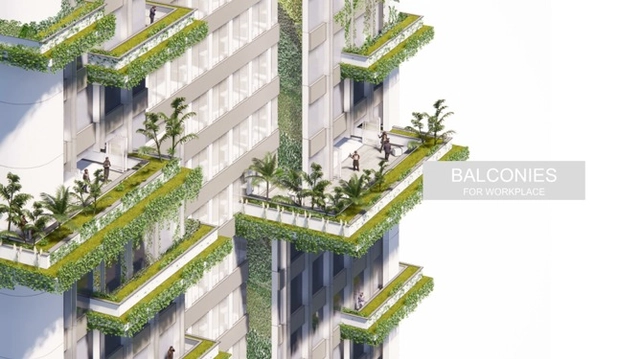
Biophilic design is capable of improving the well-being of those who use a space through reconnection with nature. When this practice is implemented in offices and workshops, this property translates into many benefits. After all, in addition to the emotional qualities that vegetation can bring, it has the ability to filter noise, lighting and allow for a milder climate, with results in team productivity and more optimized services.

Biophilic Offices: Landscape and the Working Environment - Image 1 of 4Biophilic Offices: Landscape and the Working Environment - Image 2 of 4Biophilic Offices: Landscape and the Working Environment - Image 3 of 4Biophilic Offices: Landscape and the Working Environment - Image 4 of 4Biophilic Offices: Landscape and the Working Environment - More Images+ 25

Hybrid Home: Humana Reimagines the Workplace for a Post-Pandemic Era

Subscriber Access | 

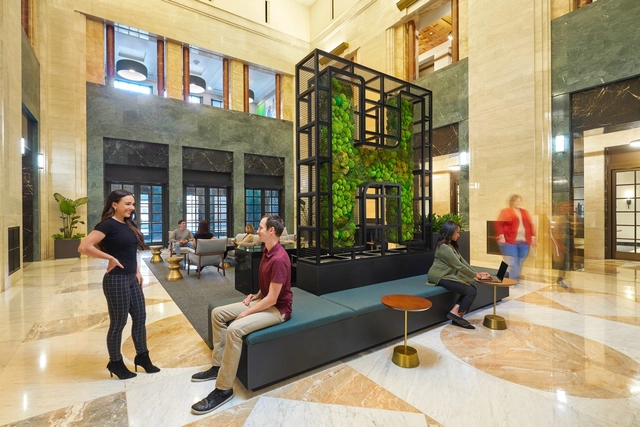
The pandemic has transformed how we work around the world. Companies have quickly rethought traditional workflows to stay connected and focus on the employee experience. Reimagining their workplaces in a holistic way, designers at Louisville-based Humana are working on new workplace models that ensure employee safety and well-being while creating greater flexibility and diverse ways to collaborate.

Hybrid Home: Humana Reimagines the Workplace for a Post-Pandemic Era - Imagen 1 de 4Hybrid Home: Humana Reimagines the Workplace for a Post-Pandemic Era - Imagen 2 de 4Hybrid Home: Humana Reimagines the Workplace for a Post-Pandemic Era - Imagen 3 de 4Hybrid Home: Humana Reimagines the Workplace for a Post-Pandemic Era - Imagen 4 de 4Hybrid Home: Humana Reimagines the Workplace for a Post-Pandemic Era - More Images+ 28

Plug and Play: 7 Flexible Workspaces in the Modern Office

Subscriber Access | 

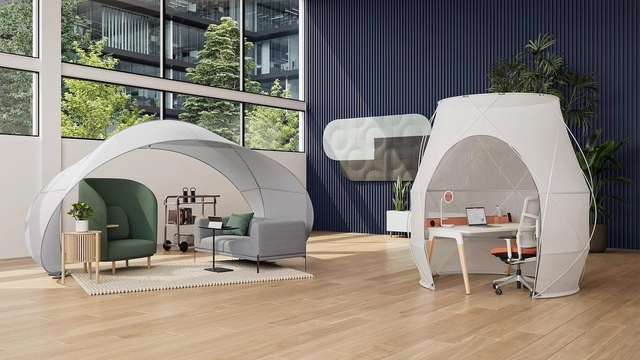
Office work used to only be done one way. You would sit at a desk all morning, then try not to fall asleep in the afternoon meeting. However, from continent-crossing video chats to team meetings in the park, modern workplaces are using flexible workspaces and practices to lower costs but raise creativity, production, and morale in the workforce.

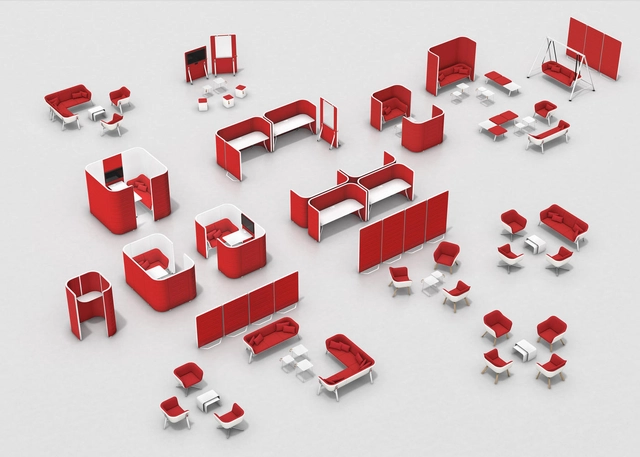
Employees are now able to choose which working style does the business for them, and product manufacturers are creating simple but ingenious collections of modular, flexible furniture to suit any style and type of workspace including:

The Future Workspace That Isn't the Workplace

Subscriber Access | 

As we begin to emerge from the COVID-19 pandemic, there has been much speculation and debate about whether we will return to our old habits of working in the office 5 days a week, or if working from home creates equal or greater productivity. However, many believe that the future of the workforce will largely be focused on a balance between in-person and in-office working, and a form of remote working, that summates into a new, hybrid model. But if you’re not at home, and you’re not working, then you must be somewhere else- exploring the true in-between of a public and a private space. Enter the concept of the “third” place, which is used to describe everything from coffee shops to banks, and even co-working spaces. If you’ve ever studied for an exam at a bookstore, or even dropped into an airport restaurant to catch up on some work, then you too, have visited a “third” place.

Why Is My Office So Cold? Exploring the Overlooked Aspects that Contribute to Workplace Wellbeing

If your profession involves going into the office every day, then you’re probably familiar with this age-old question- is the office too hot, or is it too cold? While some colleagues may claim that the workplace feels like a sauna, you might see others who survive the daily grind hidden away under a blanket with a personal space heater keeping them company. The never-ending debate about the perfect temperature might only scratch the surface of many questions that designers and engineers have aimed to solve about the workplace, and they’re probably the aspects that you don’t consider on a daily basis. What about lighting- has a meeting room ever felt too bright, or too dimly lit that you felt uncomfortable? 

Perkins + Will on the Strategic Elements of Post-Pandemic Workplace Design

Whether you’re in a back bedroom in suburban Milwaukee or a carved-out office nook in a posh New York loft, you will see signs of successful remote work. Between video conference calls, moms and dads are checking in on their remote-working students, marketing managers are squeezing in a video yoga class, and designers are throwing in a quick load of laundry. And while tending to these household responsibilities, we’re also designing new products and spaces, completing financial audits, and making video sales pitches. On the surface, remote work is, well, working.

CRA-Carlo Ratti Associati Designs New Workplaces, Addressing Post-Pandemic Challenges

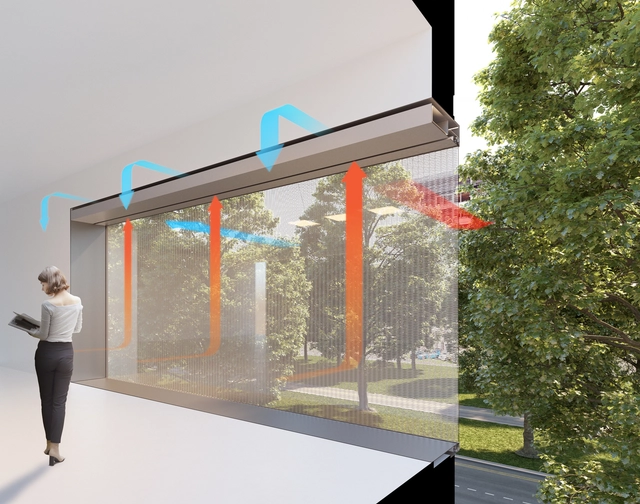
CRA-Carlo Ratti Associati has created a pilot project for Sella Group’s Open Innovation Center in Turin, Italy, addressing post-pandemic challenges. The new workplace design features automated desk sanitizing, collaborative digital platforms, and smart windows to ensure health, safety, and sociability.

Ronald Lu & Partners Imagines Tomorrow’s Workplace, Meeting Post-Pandemic Needs

Ronald Lu & Partners has created in collaboration with BEHAVE, a blueprint for future-ready offices that meet the new needs of the post-pandemic workforce. Reimagining tomorrow’s office and embracing a new working style, the partnership generated “Mindplace”, an office concept that will “improve work efficiency, focus on sustainability and cater to the holistic needs of employees”.

"Practices Must Remain Agile": Slack's Evelyn Lee on the Future of Working Together

The COVID-19 pandemic has reshaped how we work together. From telecommuting to virtual programming, architects and designers are rethinking traditional office structures to reimagine collaboration around the world. For architect Evelyn Lee, her work as the first Senior Experience Designer at Slack Technologies centers on building better workplace experiences. In a year defined by remote work, she's exploring what culture and community mean today.

"Practices Must Remain Agile": Slack's Evelyn Lee on the Future of Working Together - Image 1 of 4"Practices Must Remain Agile": Slack's Evelyn Lee on the Future of Working Together - Image 2 of 4"Practices Must Remain Agile": Slack's Evelyn Lee on the Future of Working Together - Image 3 of 4"Practices Must Remain Agile": Slack's Evelyn Lee on the Future of Working Together - Image 4 of 4Practices Must Remain Agile: Slack's Evelyn Lee on the Future of Working Together - More Images+ 9

Design Disruption Explores The Future of Work Spaces with Eliot Postma and Verda Alexander

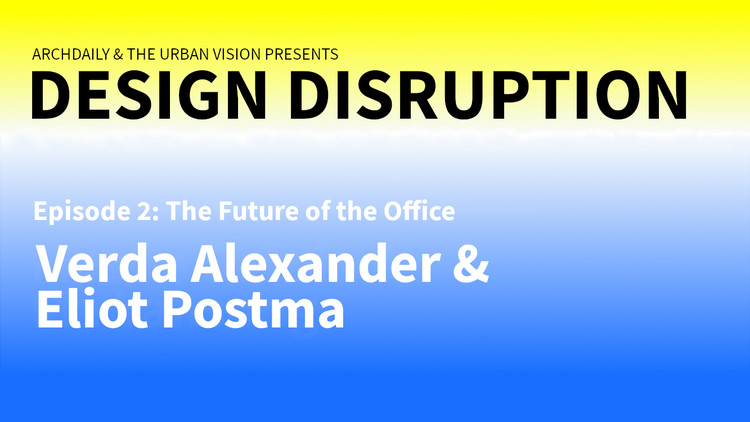
The COVID-19 Pandemic is a disruptive moment for our world, and it’s poised to spur transformative shifts in design, from how we experience our homes and offices to the plans of our cities. The webcast series Design Disruption explores these shifts—and address issues like climate change, inequality, and the housing crisis— through chats with visionaries like architects, designers, planners and thinkers; putting forward creative solutions and reimagining the future of the built environment.

Episode 2 will be streamed online on ArchDaily, YouTube and Facebook today, Monday, July 6, at 12 pm EST, and will focus on the future of the office. Our guests will be Eliot Postma, partner at London-based Heatherwick Studio, and Verda Alexander, co-founder of San Francisco-based Studio O+A.
Design Disruption Explores The Future of Work Spaces with Eliot Postma and Verda Alexander - Image 1 of 4Design Disruption Explores The Future of Work Spaces with Eliot Postma and Verda Alexander - Image 2 of 4Design Disruption Explores The Future of Work Spaces with Eliot Postma and Verda Alexander - Image 3 of 4Design Disruption Explores The Future of Work Spaces with Eliot Postma and Verda Alexander - Image 4 of 4Design Disruption Explores The Future of Work Spaces with Eliot Postma and Verda Alexander - More Images

A Brief History of Workplace Design and Where it Might be Headed Next

Subscriber Access | 

Many of us spend more time at our offices than ever before and sometimes see our colleagues more than our own families. Workplaces can be considered to be our second homes, which is why the way we deliberately design them in the present day has garnered so much attention. The overarching design of workplaces aims to create a perfect balance between heads-down focus work and layers of collaboration to improve the productivity and general well being of employees. As workplace trends come and go, there’s a new progression on everyone’s minds- and it predicts what a post-COVID-19 office might look like both in the immediate and long term future. Although there’s no crystal ball answer, many architecture firms, research groups, and real estate companies have been tapped to ideate and implement forward-thinking design solutions and health safety policies that will be critical in redefining how we utilize our workplaces for the years to come.
Rethinking Workplace Design in the Age of Big Data

In the highly connected world we live in, technology influences and impacts almost every decision we make. Big Data, Artificial Intelligence (AI), and the Internet of Things (IoT) have enhanced our connected world and helped us understand more about the spaces we inhabit. Aside from the smart homes and smart appliances we have become accustomed to, the modern day office is being redesigned and reprogrammed to include a variety of smart technology systems. The goal of these systems is to put our offices to work and empower businesses to better understand their design decisions, real estate investments, and most importantly- their own employees.