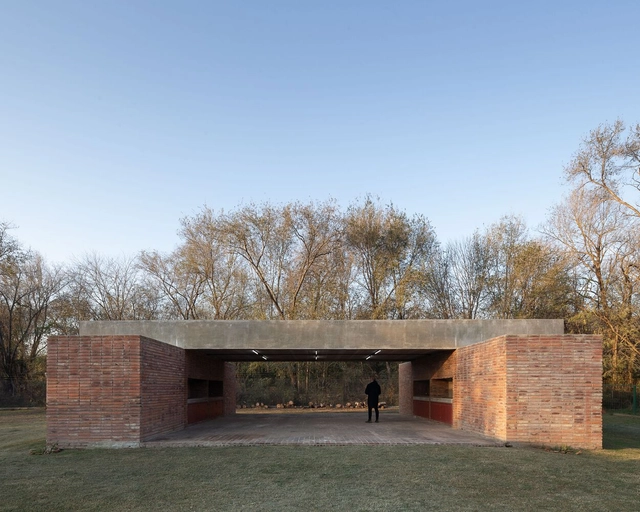
Bialet Pavilion / Balsa Crosetto Piazzi + Diego Avendaño


https://www.archdaily.com/1012341/bialet-pavilion-balsa-crosetto-piazzi-plus-diego-avendanoAndreas Luco
The 50 Best Houses of 2023
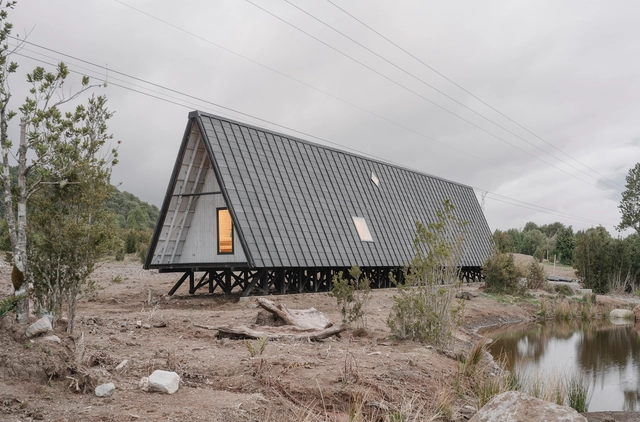
ArchDaily's curatorial team strives every day to present our readers with the most significant, inspiring, and innovative projects, while also ensuring a diverse representation of global architecture.
As part of our 2023 Year in Review retrospective on ArchDaily, we look back and reflect on what was published over the past year. Residential architecture remains one of our most visited categories of built projects, generating immense interest among our users worldwide. With this in mind, we have selected the 50 best houses published this year on ArchDaily en Español, offering a brief showcase of the form and character of residential architecture across the Spanish-speaking world.


https://www.archdaily.com/1136164/the-50-best-houses-of-2023Benjamin Zapico
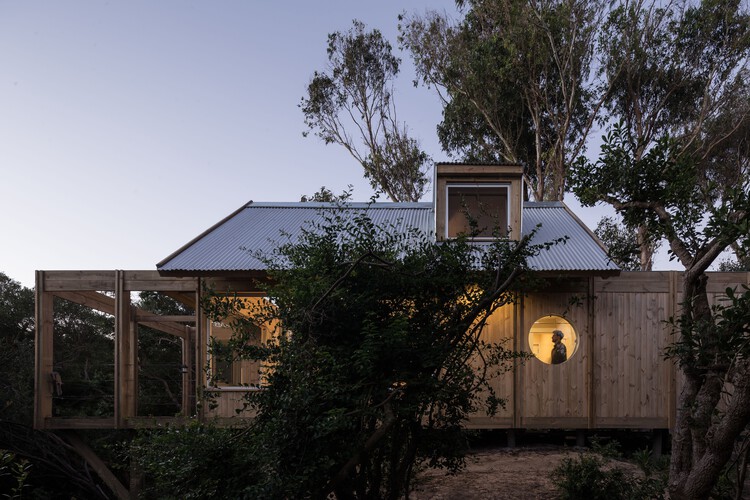
Punta Colorada III Shelter / TATÚ Arquitectura


-
Architects: TATÚ Arquitectura
- Area: 60 m²
- Year: 2021
https://www.archdaily.com/981901/punta-colorada-iii-shelter-tatu-arquitecturaAgustina Coulleri
The Best Cities to Live in Latin America in 2023
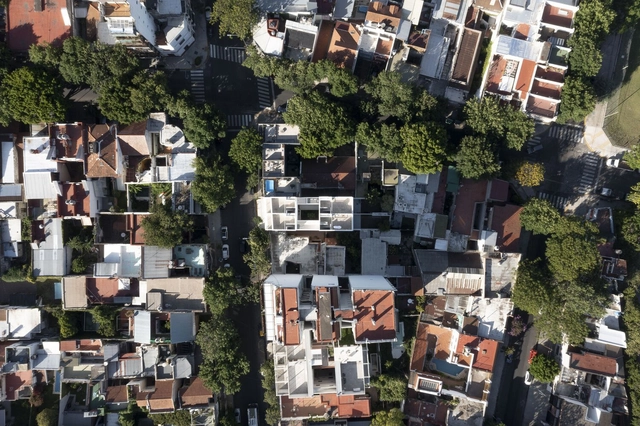
The Economist Intelligence Unit (EIU) released a new edition of its Global Liveability Index, announcing the world's most liveable cities in 2023. Vienna has topped the ranking in four of the last five years, thanks to its stability, cultural richness, entertainment options, and reliable infrastructure. Copenhagen, Denmark, held onto second place, while Melbourne and Sydney took third and fourth, respectively. These cities were regular fixtures at the top of the list prior to the pandemic.
What is the situation in Latin America? Buenos Aires once again emerged as the top Latin American city to live in. Santiago, Chile, reclaimed the second-place spot it held before the social unrest, while Montevideo, Uruguay, ranked third. San Juan, Puerto Rico, followed closely with a very strong score. Conversely, Caracas in Venezuela, Aguascalientes in Mexico, and Guatemala City were among the lowest-rated in the region.
https://www.archdaily.com/1135993/the-best-cities-to-live-in-latin-america-in-2023Fabian Dejtiar
Edén House / TATÚ Arquitectura
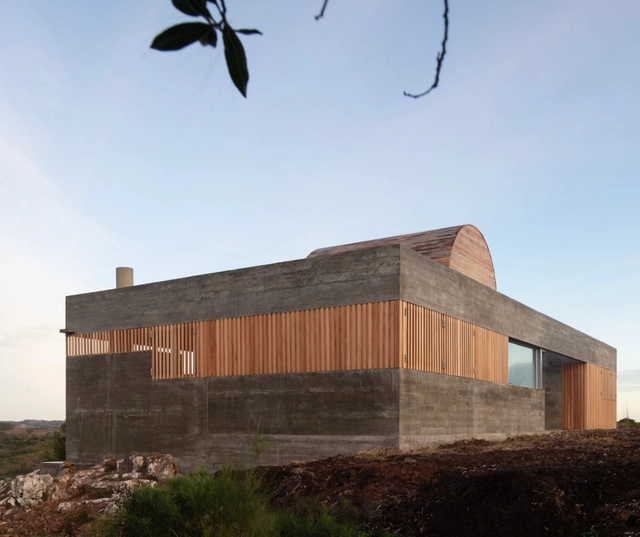


https://www.archdaily.com/1001310/eden-house-tatu-arquitecturaBenjamin Zapico
Perdomo House / TATÚ Arquitectura
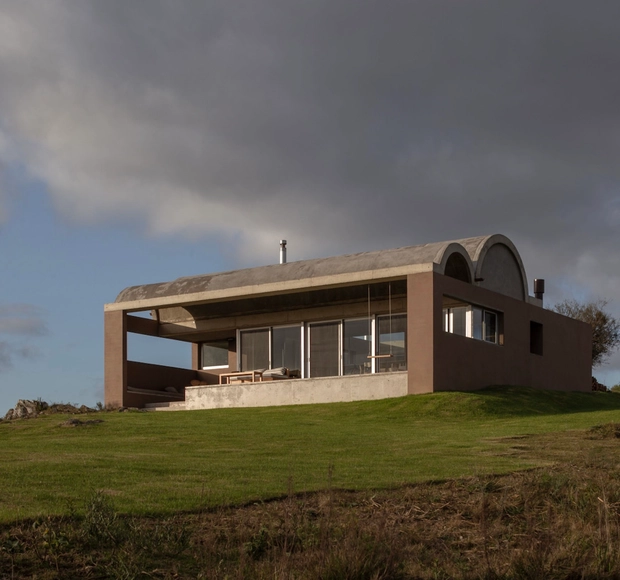


https://www.archdaily.com/1001251/perdomo-house-tatu-arquitecturaBenjamin Zapico
Puntas Carretas Memorial / Federico Lagomarsino + Federico Lapeyre + TATÚ Arquitectura
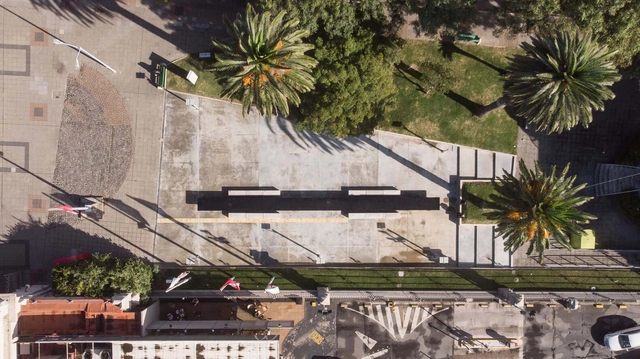


-
Architects: Federico Lagomarsino, Federico Lapeyre, TATU Arquitectura
- Area: 5027 ft²
- Year: 2020
https://www.archdaily.com/994049/puntas-carretas-memorial-tatu-arquitectura-plus-federeico-lapeye-plus-fwPilar Caballero
The 50 Best Houses of 2022
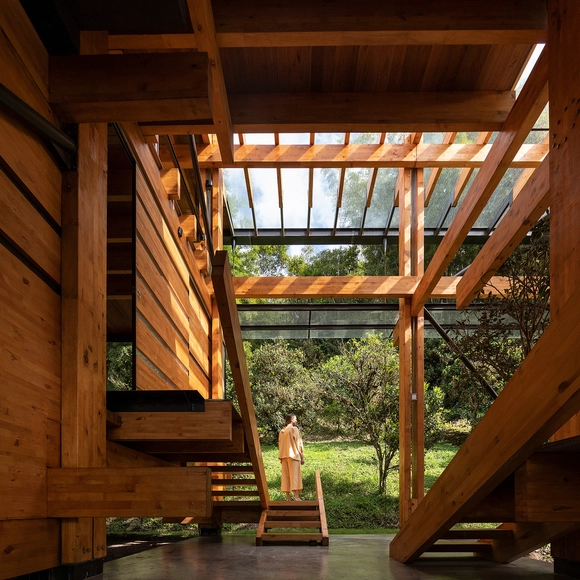


As another year comes to a close, the ArchDaily team looks back at the year's architectural highlights, compiling a selection of projects to review the content featured in 2022. As part of this retrospective, our curation team presents one of our readers' favorite categories—residential architecture—bringing together the projects that represent the very best of a vast year of architectural production, as chosen by our audience.
At a time marked by anticipation for the future of architecture, yet also by reflection on what has been accomplished over the past year, we present the 50 most-visited houses on ArchDaily in Spanish in 2022. In doing so, we continue our ongoing mission to provide tools, inspiration, and knowledge to everyone working toward a better built environment.
https://www.archdaily.com/1132327/the-50-best-houses-of-2022Agustina Coulleri
Integrated Kitchens in Uruguayan Homes: Flexibility, Functionality, and Efficiency

When designing residential interiors, architects increasingly lean toward creating environments where flexibility and space optimization provide solutions tailored to programmatic and functional needs, helping to achieve the well-being and comfort that turn a house into a true home.
https://www.archdaily.com/1132561/integrated-kitchens-in-uruguayan-homes-flexibility-functionality-and-efficiencyAgustina Iñiguez
TATÚ Arquitectura: "We build a narrative continuity beyond the individual project"

Like the armadillo from which the studio takes its name, Tatú Arquitectura is based in the southern reaches of Latin America. From there, the Montevideo-based group quickly launched its practice, receiving an award in the competition organized by the Universidad de la República for the RIFA 2014 house. Their work has expanded through a steady, persistent presence in architectural competitions and their first private commissions. The studio's exploration presents itself as an unyielding dialogue with the landscape, regardless of the scale of the commission.
ArchDaily presents the following interview, where the young Uruguayan firm shares details about their projects, motivations, challenges, and ways of working.
https://www.archdaily.com/1131876/tatu-arquitectura-we-build-a-narrative-continuity-beyond-the-individual-projectAgustina Coulleri
Architecture and Nature: How Architecture Can Draw Inspiration From Natural Elements
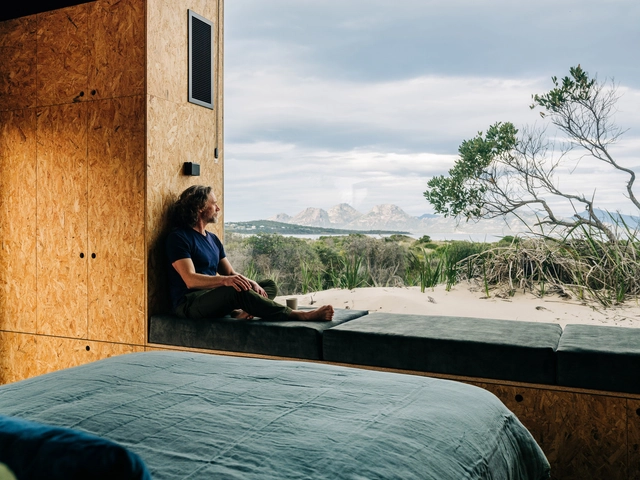
Nature is often used as an inspirational source for architecture. Whether from its shapes, the extraction and use of its materials, or even the incorporation of physical and chemical processes in the technologies used, it is always relevant to look for relations between the built environment and the natural environment. Of the many ecosystems present on planet Earth, the oceans represent most of the surface and hold stories, mystiques, symbols and shapes that can be referenced in architecture.


https://www.archdaily.com/983866/architecture-and-nature-how-architecture-can-draw-inspiration-from-natural-elementsGiovana Martino
Federica House / TATU Arquitectura
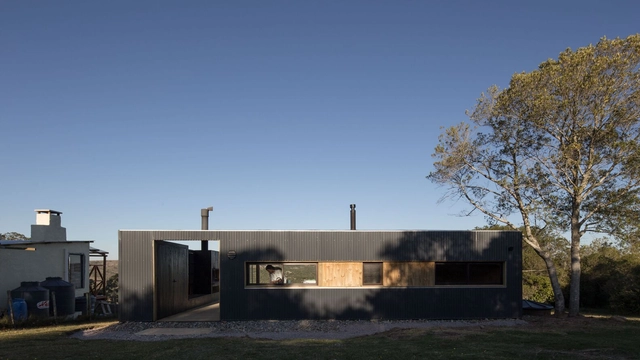


https://www.archdaily.com/981956/federica-house-tatu-arquitecturaAndreas Luco
Guazubira 365 House / TATŪ Arquitectura


https://www.archdaily.com/981915/guazubira-365-house-tatu-arquitecturaValeria Silva
Delfina House / TATŪ Arquitectura


https://www.archdaily.com/981914/delfina-house-tatu-arquitecturaValeria Silva
Chajá House / TATÚ Arquitectura


https://www.archdaily.com/981927/chaja-house-tatu-arquitecturaPilar Caballero
Ventolera Refuge / TATÚ Arquitectura


https://www.archdaily.com/981925/ventolera-refuge-tatu-arquitecturaPilar Caballero
Houses in the Forest: Examples That Dialogue with the Environment in Latin America
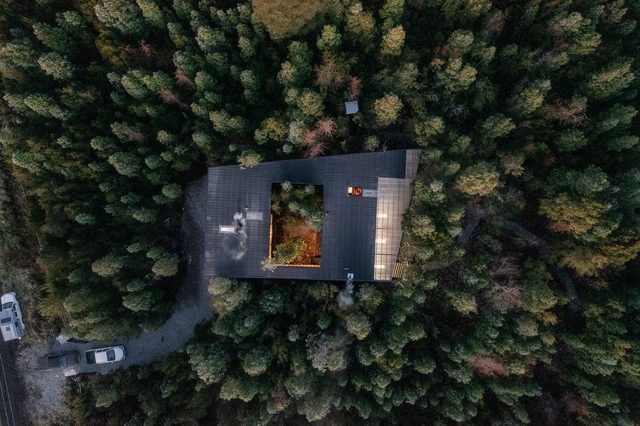
What role do forests play in our daily lives? In what ways can they be converted into living spaces? What strategies can be implemented to reduce the environmental impact of our buildings? On the International Day of Forests, which is celebrated every 21st of March, this year we propose to raise awareness of the links between forests and our daily lives. Even though deforestation continues to advance, forests represent a source of great economic, social and ecological benefits.
https://www.archdaily.com/979075/houses-in-the-forest-examples-that-dialogue-with-the-environment-in-latin-americaAgustina Iñiguez
How Can Greenhouse Design Change Architecture?
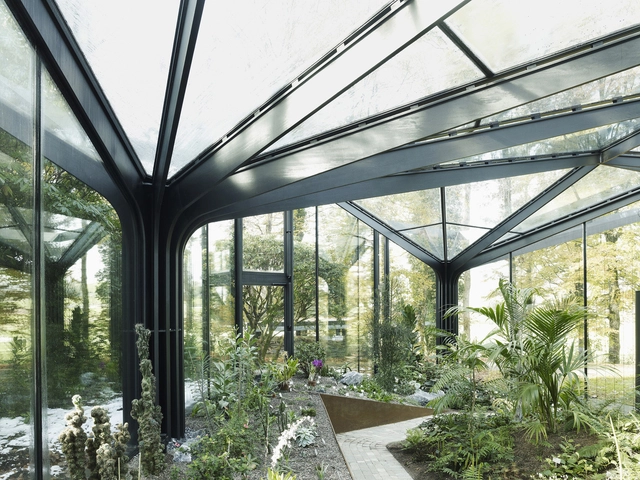
Few structures are as elegant and ingenious as greenhouses. Largely built with simple and straightforward designs, these minimalist shelters create airy and light-filled spaces that shape indoor climate. Dedicated to the cultivation of plants and crops, they are diverse projects combining programs and systems to emphasize sustainability, education and conservation. At their heart, greenhouses are about experience and discovery.


https://www.archdaily.com/979425/how-can-greenhouse-design-change-architectureEric Baldwin