

-
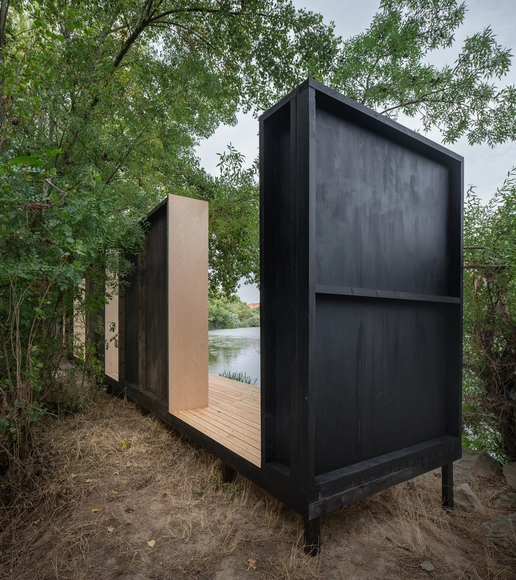
Architects: Rintala Eggertsson Architects
- Year: 2022
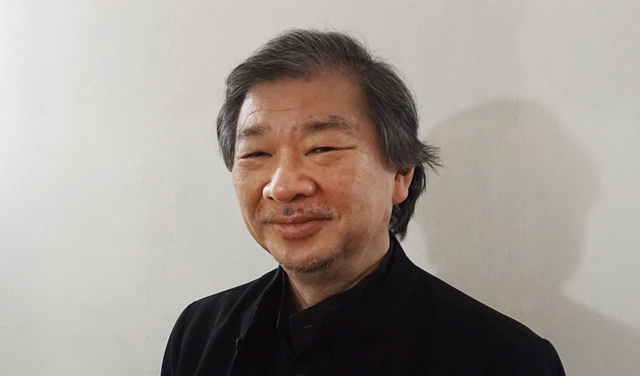
From September 21 to 25, the Mextrópoli Festival + the XII Ibero-American Biennial of Architecture and Urbanism took place in Mexico City. As part of the event, ArchDaily sat down with 2014 Pritzker Prize laureate Shigeru Ban to discuss the theme "Inhabiting at the Margins." This topic seeks to explore solutions addressing the growing social, environmental, and economic demands at the fringes of the architectural system.
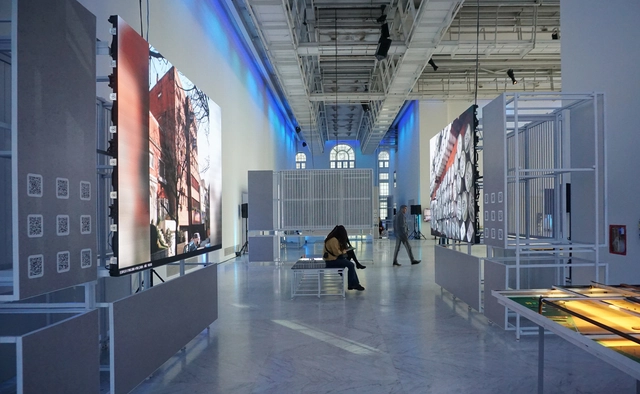
On Wednesday, September 28, the 18th edition of the Buenos Aires International Architecture Biennale opened at the Faena Art Center in Puerto Madero, where it will run through Sunday, October 2. The five-day event celebrates and recognizes the social value of architecture and urbanism, bringing together leading contemporary architects and urbanists. For the first time, the event is free and open to the public.
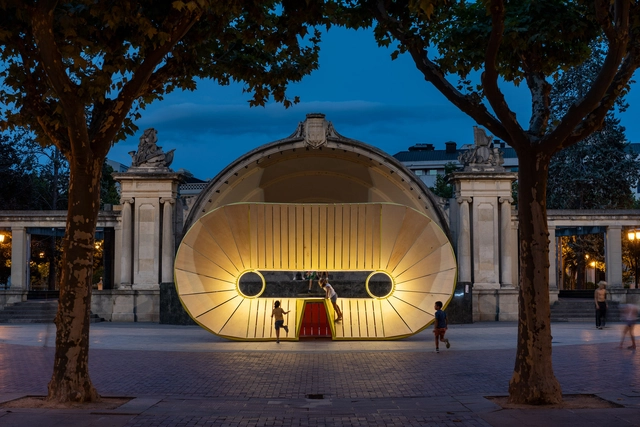
Every year, the Concéntrico festival in Logroño, Spain, brings together architects and designers from all over the world with the hope of employing creativity to create a better city. During this year's event, a few overarching themes could be observed as critical points of interest for the participating architects and designers. Many urban installations hoped to help citizens rediscover places of interest in their city and beyond, while others challenged the often-fixed ideas of what a home can and should look and function. Many designers saw opportunities in the concept of unstructured play, as the exploratory activity can activate unused public spaces and engage people of all ages.
Since 2015, the Concéntrico festival has presented 91 installations and pavilions during its seven editions. The festival is primarily known for bringing together emerging architects and designers who are given the freedom to experiment with new fields of environmental design. The festival is organized by the Cultural Foundation of the Architects of La Rioja together with Javier Peña Ibáñez, promoter of the initiative, in collaboration with the Logroño City Council, the Government of La Rioja, Garnica and Bodegas LAN, and 30 other supporting institutions.

"Concéntrico wants to achieve a better city", says Javier Peña as he inaugurates the International Festival of Architecture and Design of Logroño in Spain. An event that since its first edition in 2015 has proposed rediscovering the spaces of interest in the historic center, reflecting on the urban environment through different proposals for installations and ephemeral exhibitions. This year, it celebrates its eighth meeting from the 1st to the 6th of September.

LaBoqueria is an architecture studio in Barcelona that has the experience of multiple local and international collaborations. This global, multidisciplinary and participative perspective allows them to have a renewed and different vision of architecture.
Focusing on social, economic and environmental aspects, they seek to approach their projects in a comprehensive way, bringing together the different people involved in the process. Among their works are the housing building La Balma carried out together with the architects' cooperative Lacol; the Reformation of premises together with Marta Peinado Alós; and the Ca's Bouer House together with Jordi Queralt.
ArchDaily, interested in collaborative and participatory processes through the theme Democratization of Design, conducted an interview with LaBoqueria to learn about their main inspirations, challenges and visions.
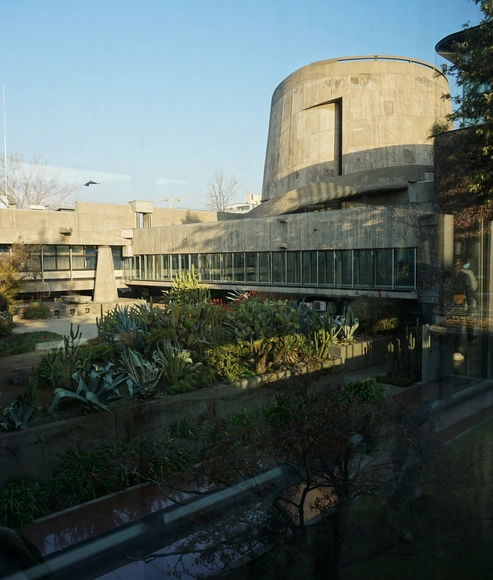
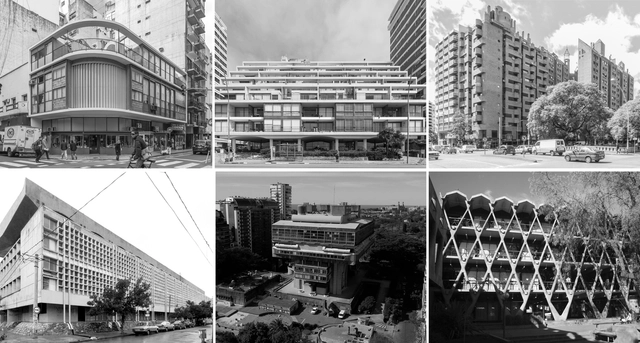
Within South America, different dates have been established to pay tribute to and honour the career, life and work of architecture professionals. While in Uruguay it is celebrated every 27th of November in relation to the creation of the first Faculty of Architecture, in Brazil every 15th of December in homage to the birth of Oscar Niemeyer or in Chile every 4th of August for the founding of the College of Architects, the Argentine Federation of Architects' Associations (FADEA) kept the 1st of July to commemorate the Day of the Argentinean Architect, respecting the establishment of the International Day of Architecture, established by the International Union of Architects (UIA) in 1985.
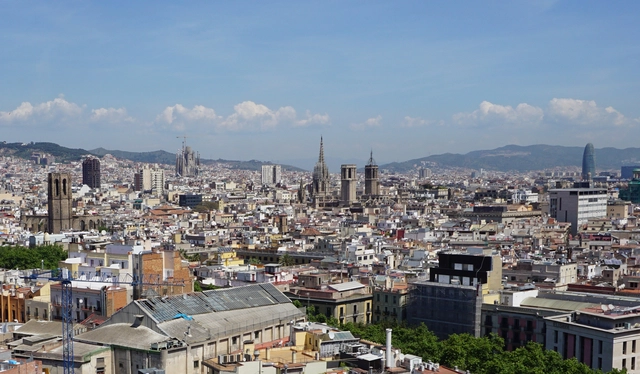
Laura Foraster i Lloret is the Secretary General of DIPLOCAT, a public-private consortium aimed at connecting Catalonia with the rest of the world and promoting initiatives that project its image abroad. Its 38 members include key public institutions as well as leading organizations from the business, social, labor, academic, and sports sectors—ranging from Futbol Club Barcelona to the University of Barcelona.
During the Model Barcelona Architectures Festival, which took over the city in May—an event already paving the way for the city's designation as the 2026 World Capital of Architecture—she joined us to discuss how architecture serves as a fundamental tool for presenting and projecting the region abroad. Read Laura Foraster i Lloret's key reflections below.
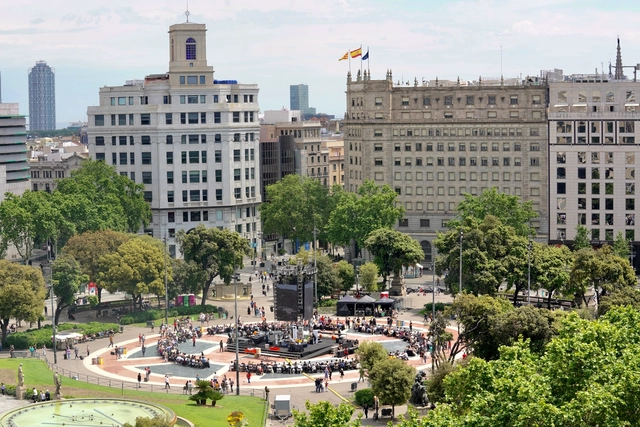
Covering around five hectares, Plaza de Cataluña is one of Barcelona’s primary hubs—a gathering point for a diverse local community and tourists of all cultures and backgrounds. Here, the architecture firm MAIO designed and built an urban kitchen for the Model Festival, an event that turned the city into a laboratory for experimentation and debate for ten days in May.
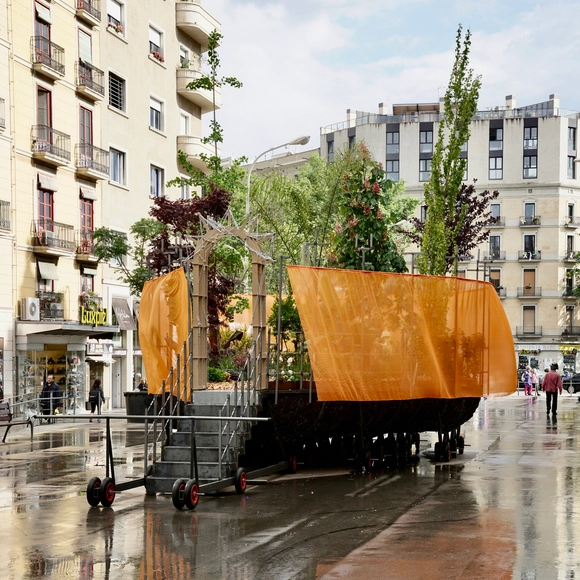
"Arca de Convivencia" is a temporary installation designed by LEA Atelier and TAKK Architecture for the Model Festival—an event that, for ten days in May, turned the city of Barcelona into a testing ground for experimentation and debate. Located on Ronda de Sant Antoni, this mobile artifact houses a multitude of trees, plants, shrubs, and insects, reminding us of the urgent need to create public spaces that reverse the effects of global warming and foster biodiversity.

Ensayos Urbanos en el Campo Expandido is a course within the Gropius Chair that brings together students from various disciplines at the Faculty of Architecture, Design and Urbanism of the University of Buenos Aires to collectively build 1:1 scale interventions.
For this edition, the group held a summer workshop in the city of San Carlos de Bariloche, Argentina, where they explored landscape intervention using local materials—stones, willow branches, and water. The project is located at Playa Centenario on Lake Nahuel Huapi, at the mouth of the Ñireco—one of the area's most polluted urban streams—to create a gathering space and highlight the sector's urban conflicts.
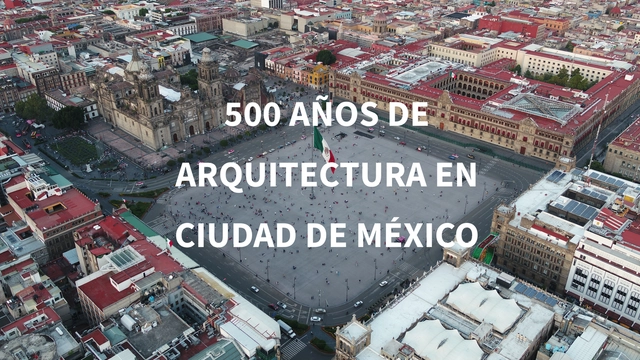
Today, August 13, commemorates two pivotal events in Mexico's history: the approximate founding of Tenochtitlan, capital of the Mexica civilization, around 1325 on an island in Lake Texcoco in the Valley of Mexico; and the fall of this empire in 1521 to the Spanish army led by the conquistador Hernán Cortés.
These are just a few of the many events that shape today's Mexico City, making it nearly impossible to summarize them all. Nonetheless, revisiting some of these milestones helps us understand the very ground we stand on and, above all, reflect on the future of our actions as architecture professionals: from the pre-Hispanic period, colonization, Independence, and the Revolution, to the foreign influences of the Modern Movement and the diverse interpretations that culminate in what we recognize today as contemporary architecture.
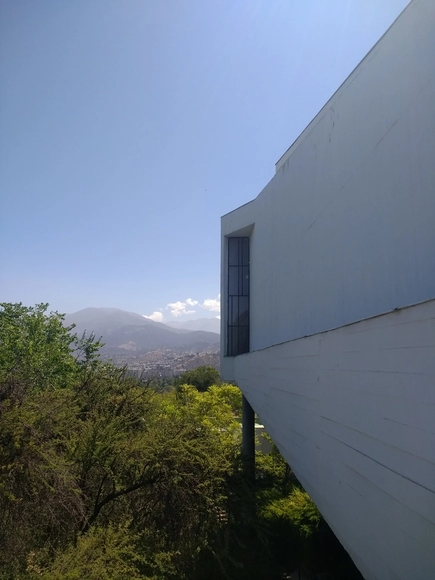
The Chilean historian, monk, and architect Gabriel Guarda, co-author of the Benedictine Monastery Chapel alongside Martín Correa in Santiago, Chile, passed away today at the age of 92.

What is architecture's share of the blame for climate change?
It was with this very serious question that we decided to open the debate with our readers, and the volume of responses received was impressive. After reading and compiling the comments sent by construction industry professionals, students, and interested individuals, we concluded that architecture schools rarely discuss the physical properties and characteristics of materials, let alone their embodied energy.
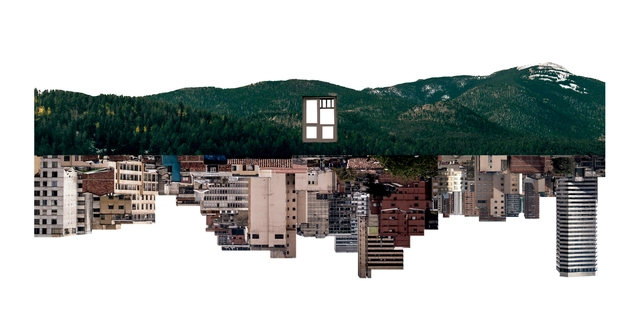
Eduardo Useche, director of the Arquitectura para Aliens podcast, presents excerpts from the transcript of a discussion he moderated, reframing the vision and stance of the architect. Focusing on the uncertain future following the COVID-19 pandemic, the discussion brought together leading representatives of the various associations safeguarding the role and responsibility of professionals and academic institutions linked to architecture. In this pandemic context, construction is one of the hardest-hit sectors, largely because construction sites are not run by contagion-free machines—at least for now.
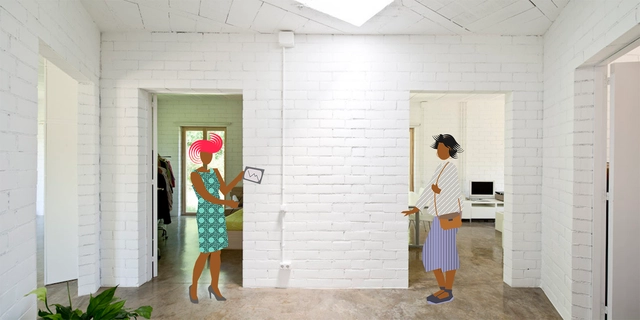
Have you ever had to convince your friends or family that an exposed brick wall can be more interesting than a plastered surface painted white? Or that exposed building systems can offer major advantages when it comes to maintenance? These are recurring scenarios in the professional lives of architects and design firms.
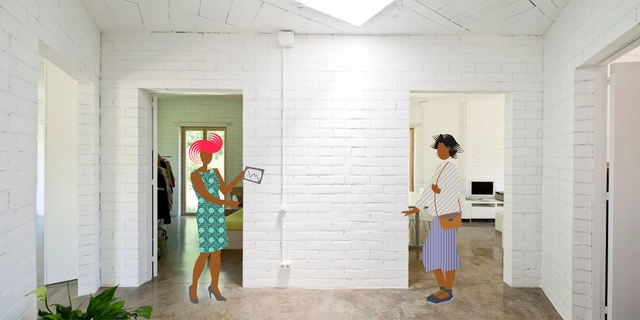
Have you ever had to convince your friends or family that an exposed brick wall can be more appealing than a plastered, white-painted one? Or that exposed building systems can offer significant advantages when it comes to maintenance? Do we connect better with a smooth backdrop for hanging art than with the textures of exposed materials?


