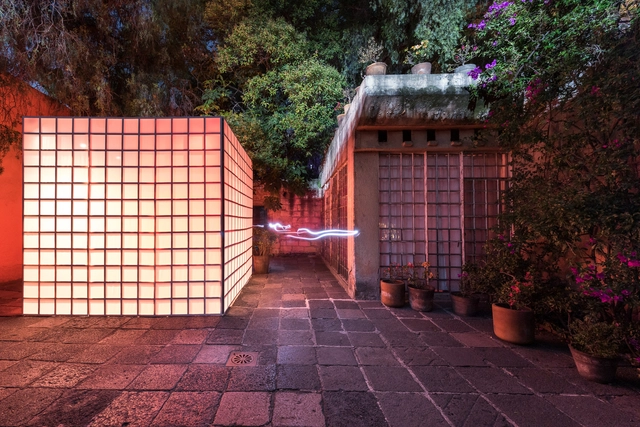
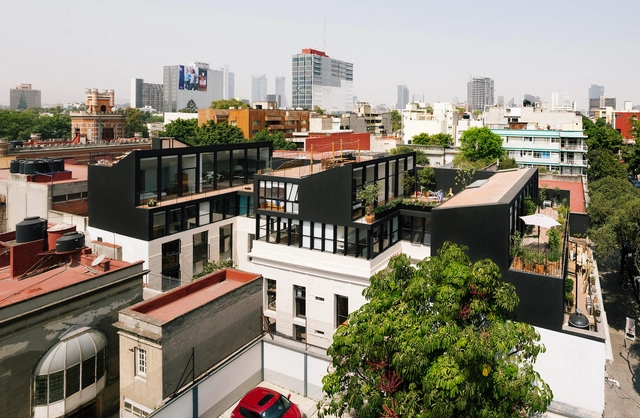
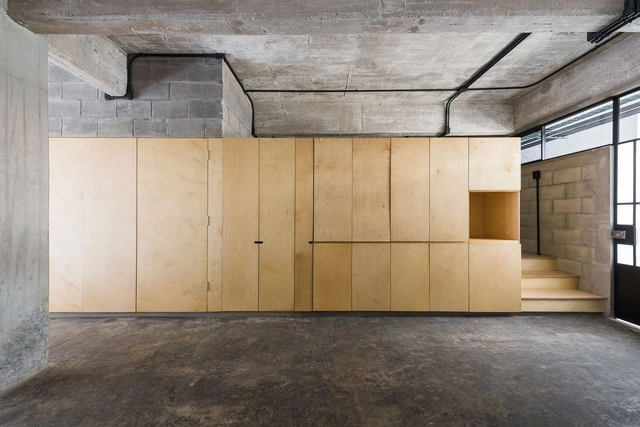
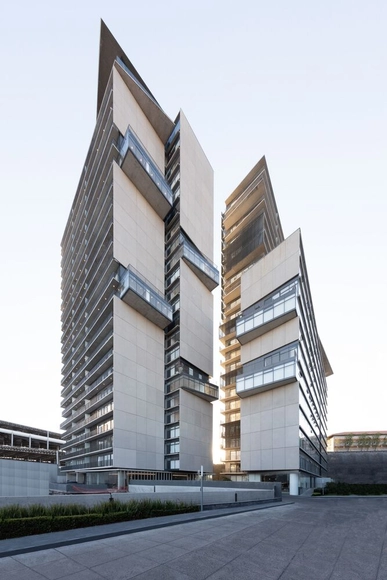
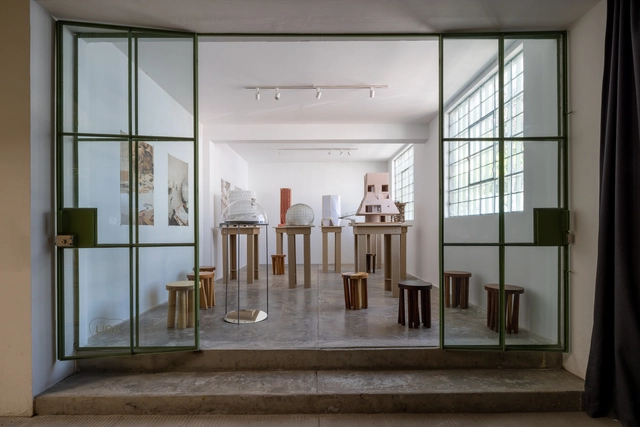
Trained in the United States (Princeton and Cornell), young Mexican architect Isidoro Michan-Guindi established his studio in Mexico City just four years ago, in 2019. While Michan-Guindi is relatively unknown within the Mexican architectural scene, his studio is a complex laboratory home to a multitude of projects materialized through cardboard prototypes, pigmented concrete models, electro-robotic pieces, and aluminum molds; these all transform into intelligent architectural proposals ranging from everyday objects, such as doorknobs, to residential towers.
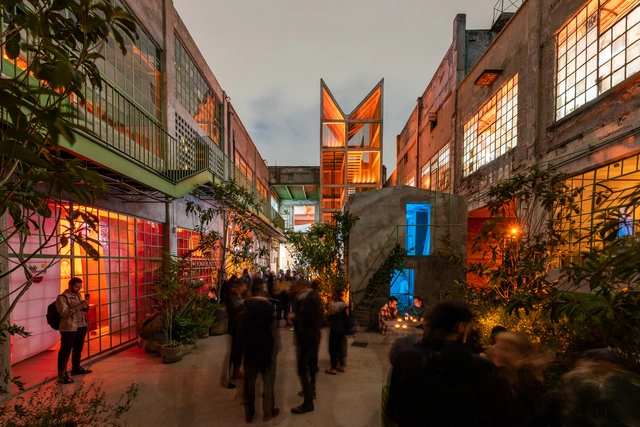
LIGA, Espacio para arquitectura is a non-profit institution dedicated to promoting emerging Latin American architecture through a public program of exhibitions, lectures, and publications. On September 23, 2022, the institution celebrated 10 years of work at its headquarters on Calle Doctor Erazo 176, in Colonia Doctores, Mexico City. The anniversary also honored the work of three prominent women whose contributions have been crucial to Latin American architecture: Tatiana Bilbao (Mexico), Marta Moreira (Brazil), and Florencia Román (Argentina).
As part of the cultural agenda of LIGA, Espacio para arquitectura in Mexico City, the work of a Cuban architecture office is presented for the first time: Infraestudio. The studio, composed of Anadis González and Fernando Martirena, addresses various conflicts and challenges in their daily practice, including job precarity in a context where private architectural practice is illegal. Despite this obstacle, they have managed to develop a provocative body of built work, intertwining it with proposals linked to artistic practices.
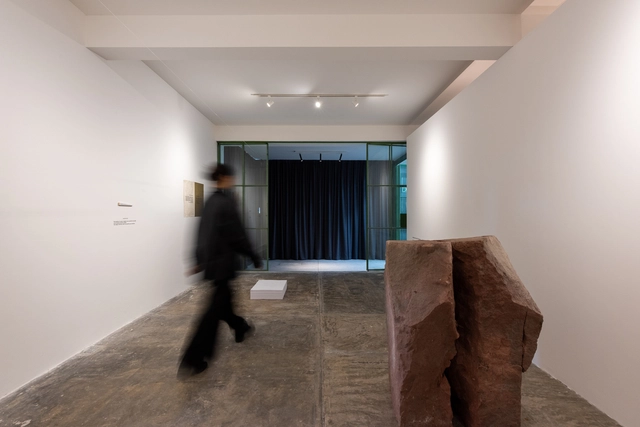
As part of an initiative by LIGA, an independent space founded in Mexico City in 2011 to promote contemporary Latin American architecture through exhibitions, publications, events, lectures, and workshops, the exhibition “Registro: Museo Tamayo” opened on April 21 as part of the LIGA-ARCHIVOS initiative. This iteration presents a reinterpretation of the building designed by architect Teodoro González de León and built in 1981 in the First Section of Chapultepec Forest.
March 9 marks the birth anniversary of one of the most globally significant Mexican architects, a pioneer of the Modern Movement in Mexico whose work has transcended geographical boundaries to be studied by generations of architects who have rewritten his teachings to make them their own. Luis Barragán, the Guadalajara-born architect and 1980 Pritzker Prize laureate, left a timeless legacy that continues to pave the way for new research and discoveries today.
While the work of Mexican architect Luis Barragán is globally recognized and studied for its invaluable commitment to the architecture of his time and context—and, above all, built upon deeply harmonious and poetic foundations that connect with a deeply personal quest in "cosmic solitude, with Mexico as the temporary home he lovingly accepts," as the Pritzker Prize Jury described it when honoring him in 1980—until recently (and even before the launch of the Barragan Foundation website), understanding the full spectrum of Barragán's place in architectural history was somewhat difficult, as several of his works have remained private (or difficult to access) for years.
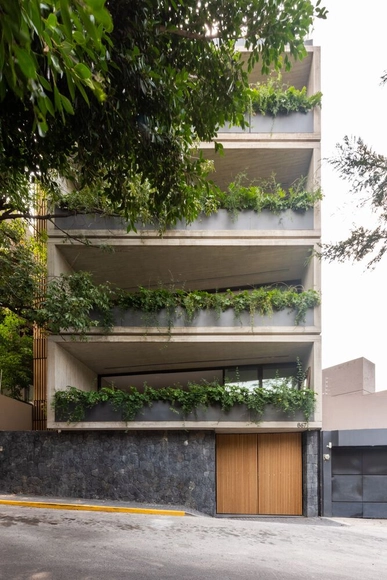
It has become evident that the spaces we inhabit have changed. The COVID-19 pandemic has forced us to appreciate values as lighting, ventilation, and comfort when working in home.
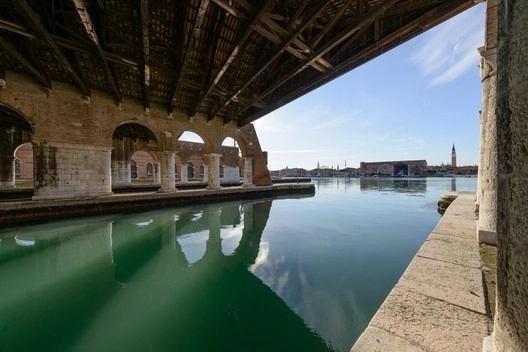
The Ministry of Culture of the Government of Mexico and the National Institute of Fine Arts and Literature (INBAL) have unveiled the Mexican pavilion at the Venice Biennale 2021 entitled Displacements("Desplazamientos"), a curatorial work led by Isadora Hastings, Natalia de La Rosa, Mauricio Rocha, and Elena Tudela.
https://www.archdaily.com/961998/mexican-pavilion-at-the-2021-venice-biennale-explores-the-value-of-mexican-contemporary-architectureArchDaily Team
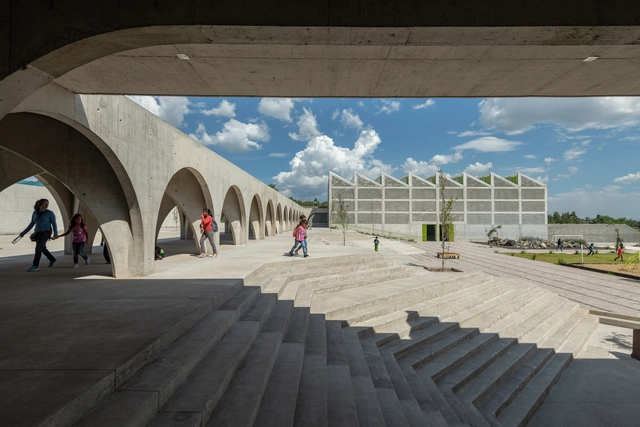
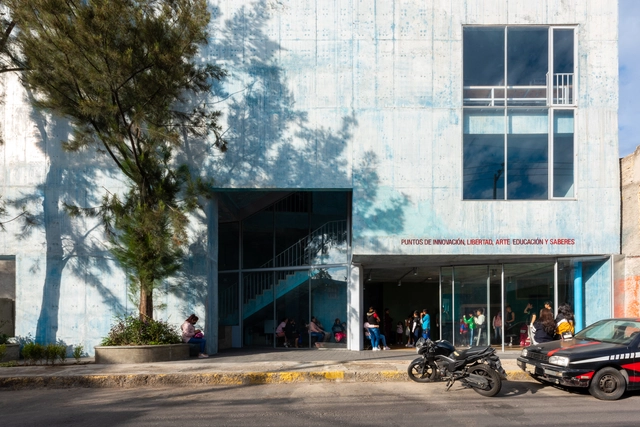
Youth Centers are facilities designed to provide a safe, informal and supervised environment for young people. They accommodate unstructured social interaction among different age groups and provide the space to offer more structured activities. By giving youth the opportunity to take part in recreational and cultural activities or vocational counseling, these centers help them develop their physical, social, emotional, and cognitive abilities and to experience achievement, enjoyment, friendship, and recognition.
https://www.archdaily.com/945582/youth-centers-places-to-develop-physical-social-emotional-and-cognitive-abilitiesClara Ott
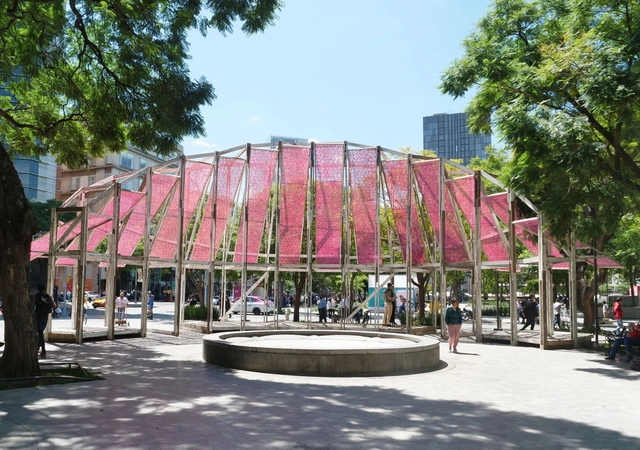
PRODUCTORA is a Mexico City-based architecture studio founded by Abel Perles (1972, Argentina), Carlos Bedoya (1973, Mexico), Víctor Jaime (1978, Mexico), and Wonne Ickx (1974, Belgium). The firm is characterized by its emphasis on precise geometries in an effort to generate legible projects with clear gestures, as well as its pursuit of timeless material and spatial resolutions.





.jpg?1615263768&format=webp&width=640&height=580)


.jpg?1615263768)