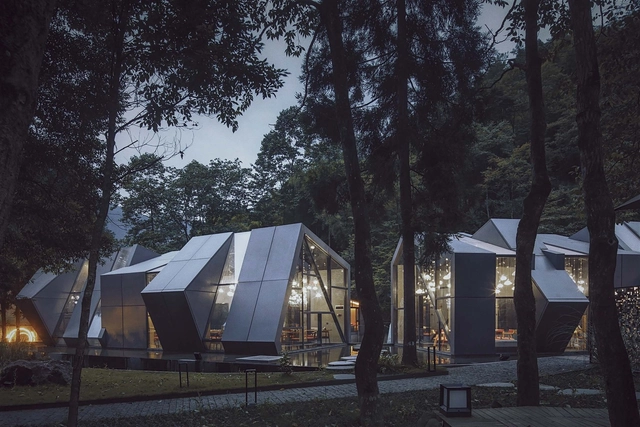
Chengdu Dayi 1979 Plant Boutique Hotel / OAD


https://www.archdaily.com/968119/chengdu-dayi-1979-plant-boutique-hotel-oadCollin Chen
DressingForFun Renewal / NTYPE
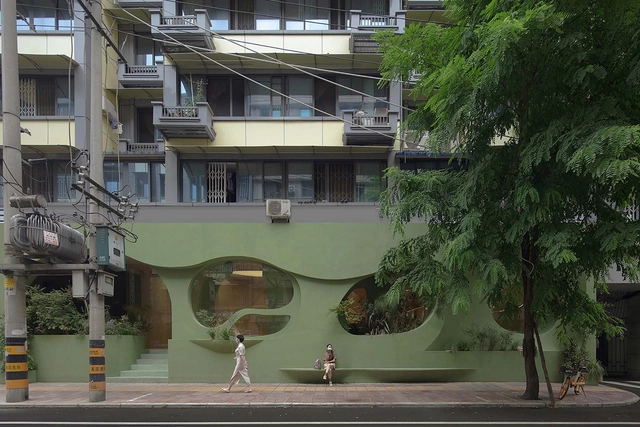


https://www.archdaily.com/967123/dressingforfun-renewal-nypeCollin Chen
Open Air: New Ways We Can Live Together in Nature
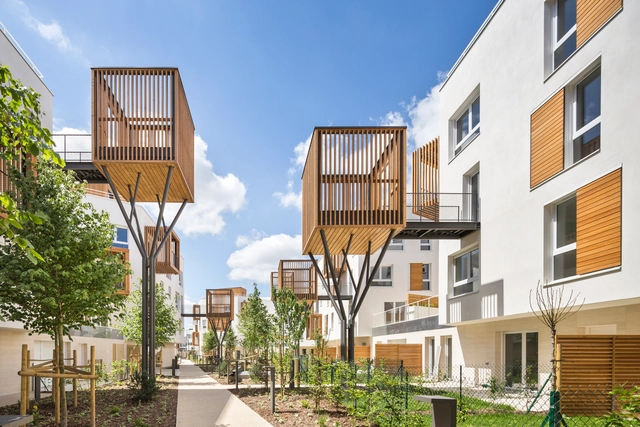
“We need a new spatial contract." This is the call of Hashim Sarkis, curator of the Venice Biennale 2021, as an invitation for architects to imagine new spaces in which we can live together. Between a move towards urban flight and global housing crises, the growth of more low-rise, dense developments may provide an answer in the countryside. Turning away from single family homes in rural areas and suburbs, modern housing projects are exploring new models of shared living in nature.


https://www.archdaily.com/945196/open-air-new-ways-we-can-live-together-in-natureEric Baldwin
China’s Construction Landscape Sees World Leading Investments in Cultural Infrastructure and New Limits on Skyscrapers’ Height
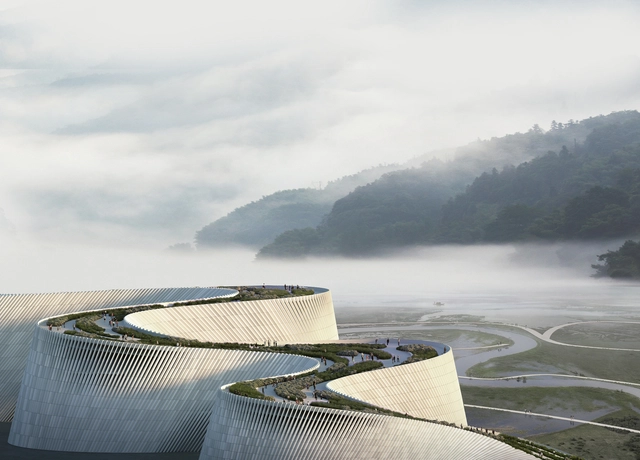
The latest news and reports on China’s construction sector redefine the country’s future architectural landscape. A Cultural Infrastructure Index reflecting the data from 2020 places China and, more specifically, Shenzen as the world leader in investments regarding cultural facilities. Last year saw the announcement of 10 new cultural projects, all designed by world-renowned architects. At the same time, the Chinese authorities announced last month that buildings taller than 500 metres would no longer be approved, marking the end of an era that made the country home to 10 of the tallest 20 buildings in the world.


https://www.archdaily.com/966234/chinas-construction-landscape-sees-world-leading-investments-in-cultural-infrastructure-and-new-limits-on-skyscrapers-heightAndreea Cutieru
"Transform the City into a Highly Complex Block System": SOM on TOD Projects
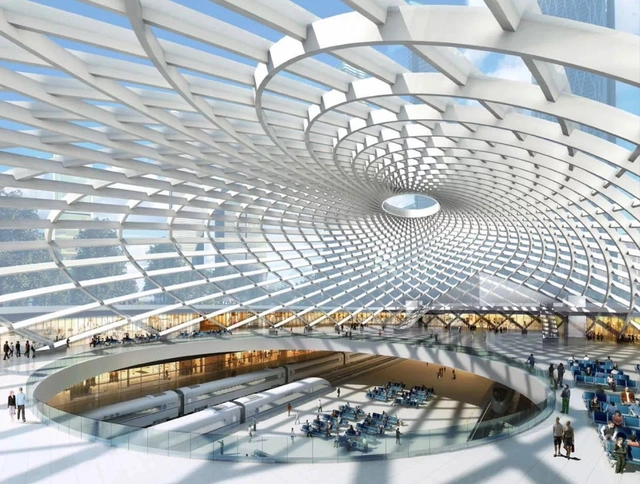
Archdaily had the chance to speak to SOM regarding the Transit-oriented development (TOD) projects. SOM has extensive engagement in planning, design and engineering on various means of conveyance, and TOD is definitely one of the speciality the SOM team has to offer. Through the interview, we will walk through the design strategies and their changes over the years of TOD Development, the challenges and new area of focus of TOD development, and most importantly, the interview will focus on the design strategy in developing TOD in China, where SOM has participated in many TOD projects, including the South Gateway of Guangzhou Central Axis, Guangzhou Nansha Pearl Bay and Xiong'an District Planing.
https://www.archdaily.com/965142/transform-the-city-into-a-highly-complex-block-system-som-on-tod-projects韩爽 - HAN Shuang
Shanghai Astronomy Museum / Ennead Architects

.jpg?1626681012&format=webp&width=230&height=230&crop=true)

.jpg?1626681274&format=webp&width=230&height=230&crop=true)
.jpg?1626681185&format=webp&width=230&height=230&crop=true)

-
Architects: Ennead Architects
- Area: 39000 m²
- Year: 2021
https://www.archdaily.com/965203/shanghai-astronomy-museum-ennead-architectsCollin Chen
YuanJue Si Villages Center / Zaixing Architectural Design


-
Architects: Zaixing Architectural Design
- Area: 420 m²
- Year: 2019
https://www.archdaily.com/964510/yuanjue-si-villages-center-zaixing-architectural-designCollin Chen
J.Lalli "Qinshan" Villa / Peidong Zhu


-
Architects: Peidong Zhu
- Area: 13328 m²
- Year: 2021
https://www.archdaily.com/962573/jlalli-qinshan-villa-peidong-zhuCollin Chen
How Can We Make Future Megacities Become Smart as Well?
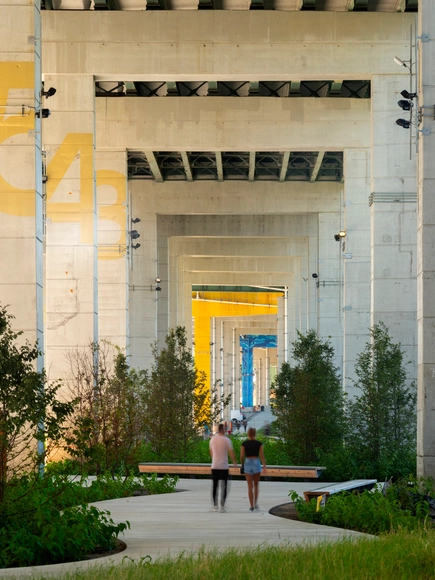
Cities are so deeply rooted in the history of mankind that we hardly ask ourselves why we live in them or what the reason is for us to group together in urban settlements. Ciro Pirondi, Brazilian architect, points out that we live in cities because we like to have someone to talk to, while Paulo Mendes da Rocha classifies the city as “the supreme work of architecture.” The city is the world that man builds for himself. These are immense collective constructions, palimpsests, and collages of stories, achievements, and losses.
Earth has been mostly urban since 2007. By 2050, the percentage of people living in cities should reach 70%. In the coming years, megacities with more than 10 million inhabitants are expected to multiply, mainly in Asia and Africa, and often in still-developing countries. Such a projection raises questions about sustainability and climate change that cities inevitably catalyze. It also raises questions about how cities can provide an adequate quality of life for its inhabitants, and how they can prosper and develop in contexts that are often not ideal. How can urban spaces benefit their population and vice versa? While old centers will require transformations and updates, city peripheries will require new homes and public facilities, in addition to adequate infrastructure. How can this process help urban centers become more intelligent, using the technology already available to benefit their inhabitants in a creative and efficient way?
https://www.archdaily.com/960608/how-can-we-make-future-megacities-become-smart-as-wellEduardo Souza
Jinjiang District Yucheng Street Renovation / Fanzhu Design
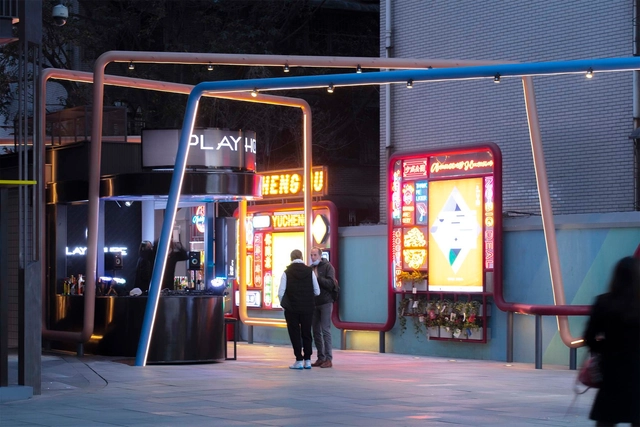


-
Interior Designers: Fanzhu Design
- Area: 200 m²
- Year: 2021
-
Professionals: Chengdu Jichujianshe Engineering Co. Ltd.
https://www.archdaily.com/960680/jinjiang-district-yucheng-street-renovation-fanzhu-designCollin Chen
The Cloudscape of Haikou / MAD Architects
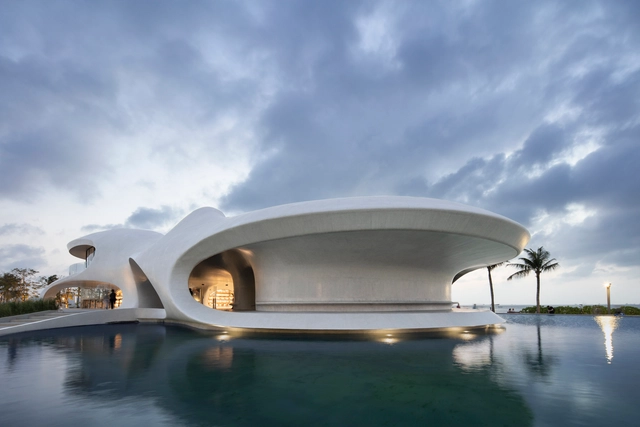


-
Architects: MAD Architects
- Area: 1380 m²
- Year: 2021
-
Manufacturers: Holcim
https://www.archdaily.com/960593/the-cloudscape-of-haikou-mad-architects韩爽
Tourist Center of Qionghai National Tourist Resort in Xichang City / CSWADI, ZAD


https://www.archdaily.com/955241/tourist-center-of-qionghai-national-tourist-resort-in-xichang-city-cswadi-zadJiang Yao
The South Yard / Advanced Architecture Lab + Atelier UPA
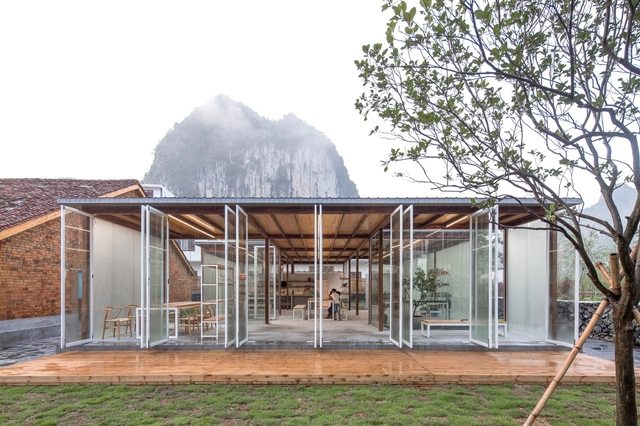


-
Architects: Advanced Architecture Lab[AaL], Atelier UPA
- Area: 340 m²
- Year: 2016
https://www.archdaily.com/797169/the-south-yard-advanced-architecture-lab-plus-atelier-upaCristobal Rojas
Chez Moi Center / R-BAS
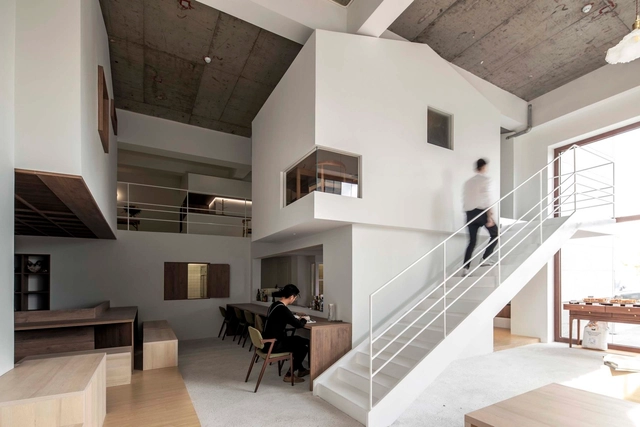


https://www.archdaily.com/958256/chez-moi-center-r-basCollin Chen
Jinhua Science & Culture Complex / DDB ARCHITECTS
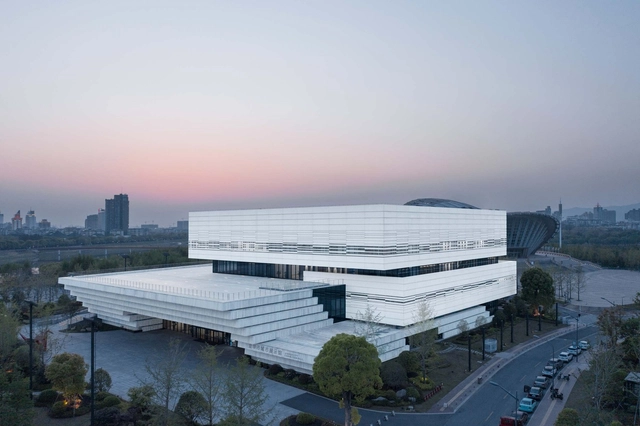


https://www.archdaily.com/957490/jinhua-science-and-culture-comple-ddb-architectsCollin Chen
Guizhou Longtang Targeted Poverty Alleviation Project / gad·line+ studio


https://www.archdaily.com/956713/guizhou-longtang-targeted-poverty-alleviation-project-gad-star-line-plus-studio罗靖琳
UniFun Tianfu Chengdu / CLOU Architects
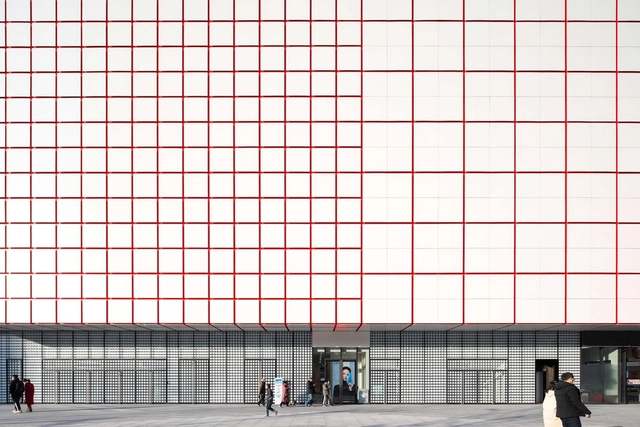


-
Architects: CLOU architects
- Area: 42317 m²
- Year: 2020
-
Professionals: Callison RTKL, Beijing Pro Lighting Design Co. LTD., SuP Ingeneure GmbH
https://www.archdaily.com/957486/unifun-tianfu-chengdu-clou-architectsCollin Chen
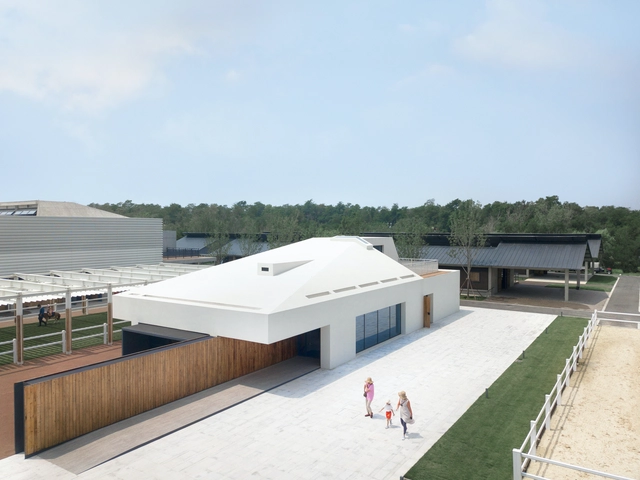
Aranya Equestrian Center / in:Flux architecture


-
Architects: in:Flux architecture
- Area: 2751 m²
- Year: 2020
https://www.archdaily.com/955289/aranya-equestrian-center-in-flux-architectureJiang Yao