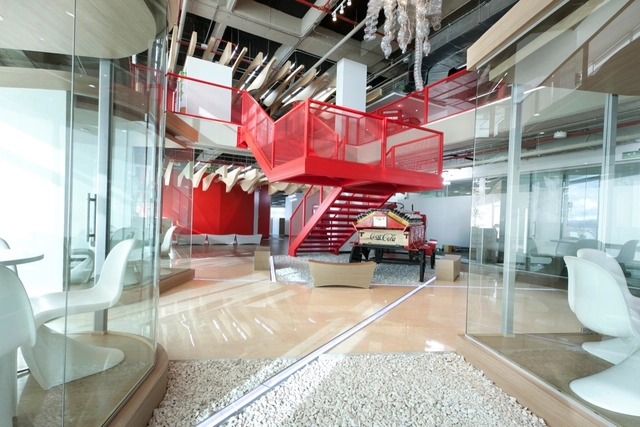
Even as work arrangements, schedules, and environments become increasingly fluid, dedicated office buildings remain a fixture of zoning plans in most cities.
Even as work arrangements, schedules, and environments become increasingly fluid, dedicated office buildings remain a fixture of zoning plans in most cities.

When choosing the structural system for a house, several priority factors dictate the decision, with time and money being two of the most critical. While steel structures may not always be the most economical option, their prefabrication significantly accelerates construction times and, consequently, optimizes the overall budget. Moreover, they contribute to the project's aesthetic, providing lightness and a contemporary character.
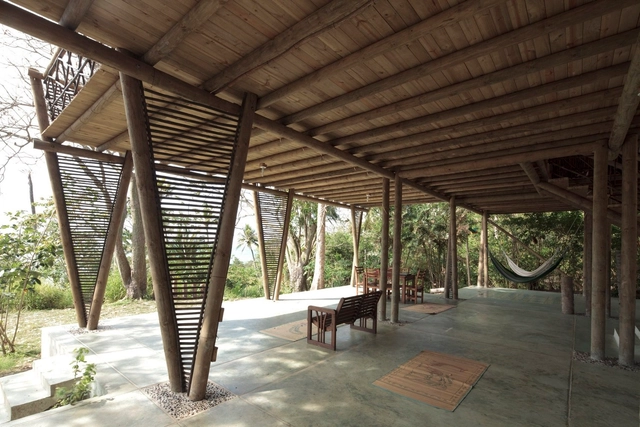
Wood is a noble material that has been used in construction since time immemorial, across all regions of the world where it is available. Although this material can be applied to almost any use, we have focused this article specifically on residential projects previously published on our site and located in Colombia.
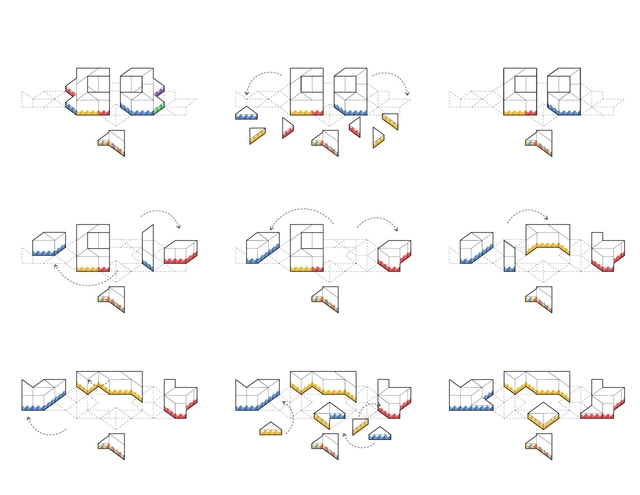
The Madrid Institute of Architects has provided a space for El Equipo Mazzanti + horizontal for a dynamic exhibition of their career, showcasing their pedagogical design process through play—a methodology characteristic of the firm led by Colombian architect Giancarlo Mazzanti. The exhibition is on view at COAM until January 24.

On October 18, during the 17th edition of the Buenos Aires International Biennial of Architecture and concluding a series of keynote lectures, debates, and exhibitions held at the Usina del Arte in Buenos Aires, the winners of the “Evolución Ladrillo” (Brick Evolution) award, the CICA (International Committee of Architectural Critics) awards, the Bienal BA category awards, and the Grand Biennial Prize were announced, honoring a total of 28 architecture firms, institutions, and organizations for their work in the field of architecture.
.jpg?1570831614&format=webp&width=640&height=580)
Spaces and their designated uses are connected through circulation. When navigating the vertical axis, stairs, ramps, and elevators function as the primary systems of movement. Some view these architectural elements as protagonists in spatial configuration.
Stairs undoubtedly span the entire spectrum from mere utility to sculptural installations. The stairs designed by the Bogotá-based firm Yemail Arquitectura are no exception.
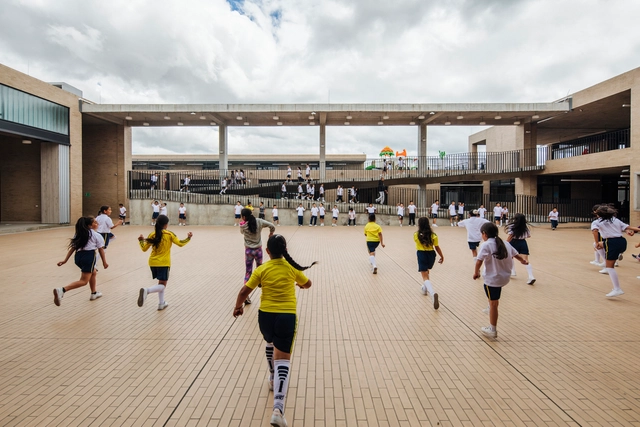
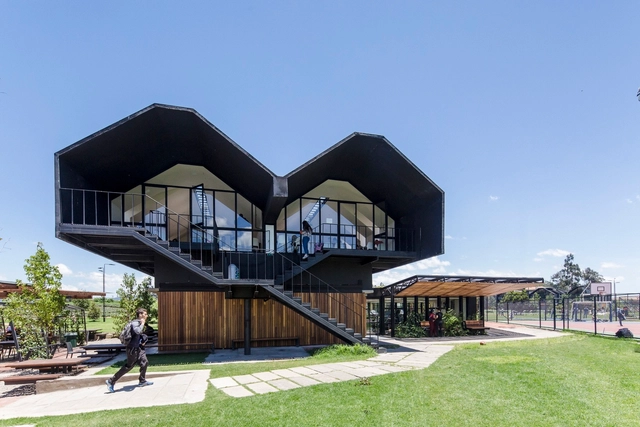
.jpg?1565372350&format=webp&width=640&height=580)
The National Architecture and Urbanism Award, presented by the Colombian Society of Architects (SCA), recognizes projects that outstandingly showcase the finest contributions to Colombian architecture.

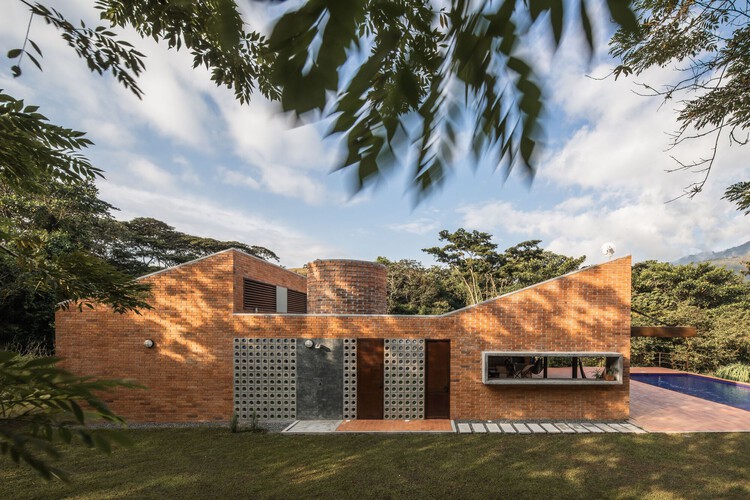
Brick is one of the most widely used materials in Colombia, helping local architecture stand out globally. This prominence is due to the exceptional quality of the clay found in several regions of the country. Beyond cladding the majority of the buildings that define Bogotá's urban landscape, the material is used in all its forms, from adobe to floor tiles in rural homes.
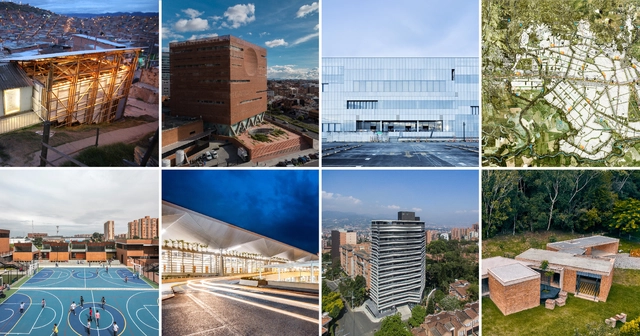
The XI Ibero-American Biennial of Architecture and Urbanism (XI BIAU) recently announced the 210 projects selected for its upcoming edition, which will be held for the first time in Asunción this October.
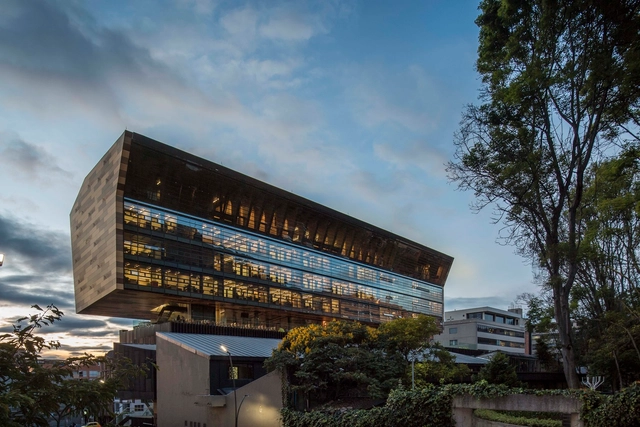
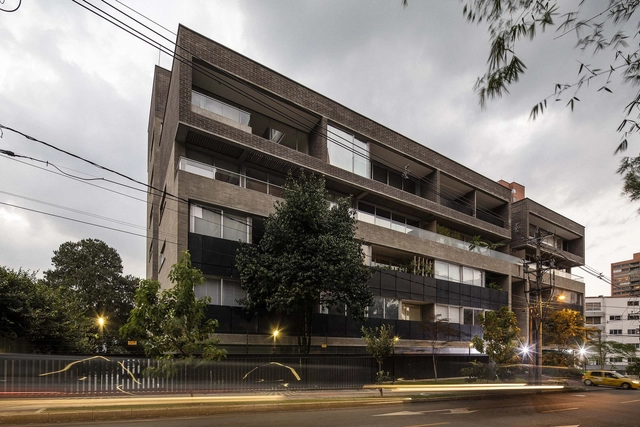
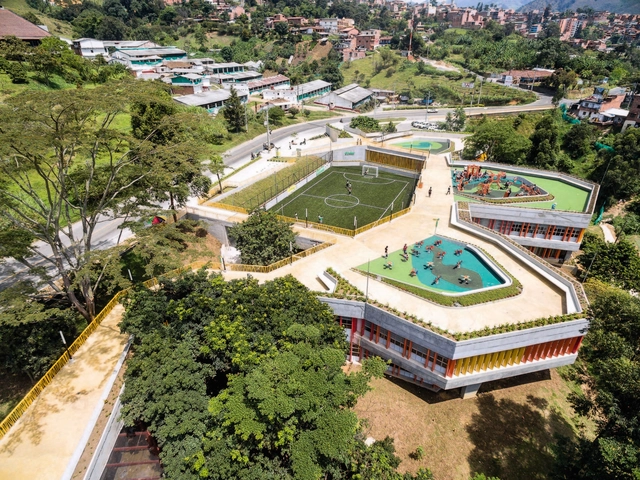

Colombia's topography features both plains and mountainous areas. Despite the challenges this poses for urban development, the country's major cities—from its capital, Bogotá, to Medellín and Cali—have been founded upon it. While this topography has posed significant challenges for construction and mobility, it has also paved the way for innovation, inspiring architectural projects that seamlessly integrate with the mountainous terrain, adapt to their specific altitude, and reflect regional culture.
.jpg?1544195309&format=webp&width=640&height=580)
2018 has been a special year for ArchDaily in Colombia: not only did we celebrate the first three years of our local site in Bogotá alongside prominent architects, and are now poised to set a new annual traffic record, but we also launched ArchDaily Colombia's Instagram account—which, thanks to you, has already reached 10,000 followers in just six months.
To wrap up this great year, we have selected the most popular projects—measured by total engagement, excluding reposts—on @archdailyco:
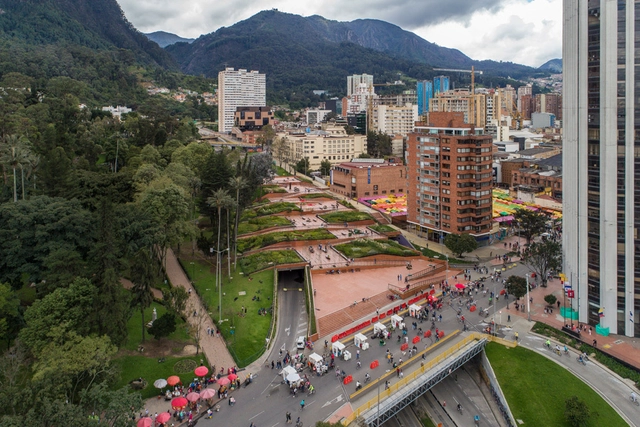
Medellin’s renaissance is one for architecture’s storybooks. After decades of mundane violence, the city today is not only (comparatively) peaceful but a world-class architectural hub. Indeed, many cite the city’s urban development as a factor in its rebirth. But Medellin’s success sometimes overshadows that of neighbouring (and capital) city, Bogota.

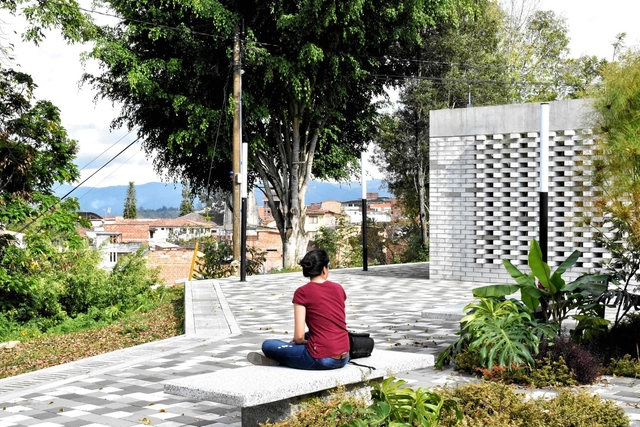
Nodes or gathering zones are the key points in urban dynamics, as they facilitate interaction between citizens and the architectural object. Many buildings seek to capitalize on the opportunities provided by their context to connect the architectural design with the landscape, thereby strengthening and introducing new approaches to understanding and viewing urban relationships and architecture from a different perspective.
As an axis connected to the city, a building must understand the relationship between architecture and the urban environment. It should be generous, opening its constituent spaces to the city and its residents to create shared areas for participation, thereby enriching the experience of the city and its surrounding environment.
For this reason, we have selected 5 projects that integrate urban dynamics, providing spaces for civic gathering.
The entry of a new professional into the workforce brings work filled with dedication and innovation. John Octavio Ortiz, an award-winning architect at BAL 2017 and one of Latin America's most prominent young architects, shares in a TEDx Talk his field experience working with vulnerable communities in the comunas of Medellín, Colombia.
Projects are often designed based solely on analyses conducted within the architecture firm, where the area's systems and dynamics are modeled. This is a common pitfall not only in architecture but across various professions, as these proposals inevitably require countless modifications during the process of engaging with the local community.




.jpg?1551464223&format=webp&width=230&height=230&crop=true)
.jpg?1551464272&format=webp&width=230&height=230&crop=true)


_MG_3307-EditPE-SanVicente.jpg?1523390077&format=webp&width=230&height=230&crop=true)

