
Portfolio Vinhos / Studium




https://www.archdaily.com/957118/portfolio-vinhos-studiumAndreas Luco
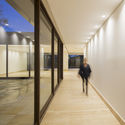
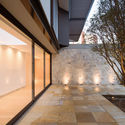
LV house / Juliana Risso Arquitetura
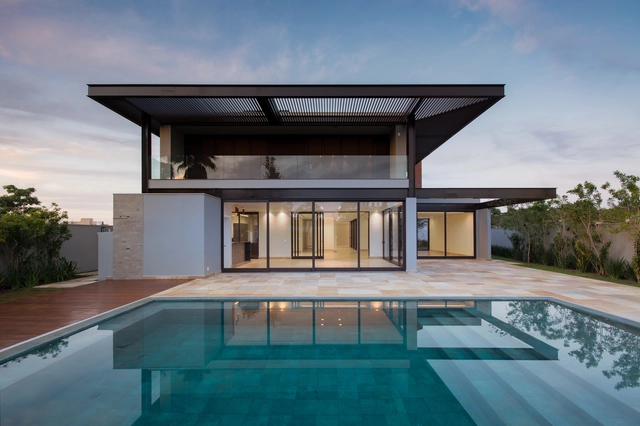
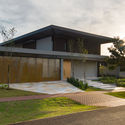
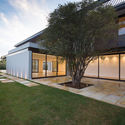

-
Architects: Juliana Risso Arquitetura
- Area: 8202 ft²
- Year: 2018
https://www.archdaily.com/957211/lv-house-juliana-risso-arquiteturaPilar Caballero
Optimization and efficiency of modular construction in Brazilian residential projects
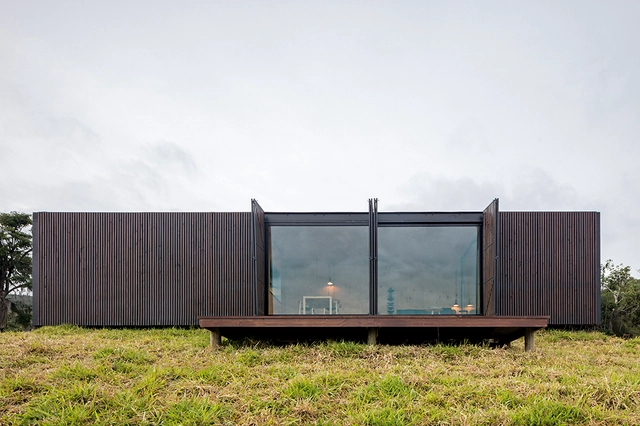
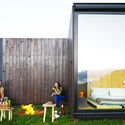
As previously explained in an earlier article, the concept of modulation in architecture refers to adapting a design to a defined module, whether based on a specific baseline measurement or the dimensions of a given building material.
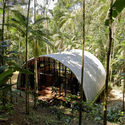
Closely linked to this concept, yet grounded in other definitions, modular construction relies on the study and planning of transportable prefabricated modules assembled on-site. Consequently, these structures are typically completed faster and more efficiently than traditional ones.



https://www.archdaily.com/1128290/optimization-and-efficiency-of-modular-construction-in-brazilian-residential-projectsSusanna Moreira
Tactical Urbanism and Public Spaces: Interview with Letícia Sabino

In this episode of the Caos Planejado podcast, the discussion explores alternatives for pedestrian mobility and the occupation of public spaces through tactical urbanism. The guest is Letícia Sabino, founder and director of SampaPé, an organization that has been working since 2012 to transform cities into more walkable environments alongside people.
https://www.archdaily.com/1128406/tactical-urbanism-and-public-spaces-interview-with-leticia-sabinoCaos Planejado
Pipasgrafia: Affective Cartography Maps Kite Flying in Rio de Janeiro
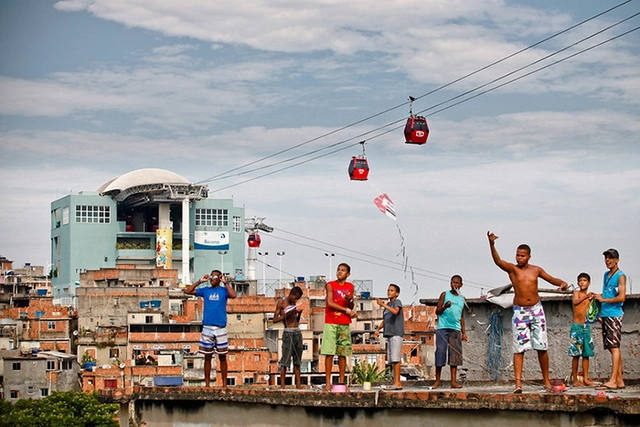
Since the beginning of the pandemic, educator Camila Regina and cartographer Henrique Lima have noticed a significant increase in kites in the skies over Rio de Janeiro's peripheral neighborhoods. These colorful paper diamonds and deltoids are guided by the hands of children and adults who cannot leave their homes, but can go up to their rooftops to fly kites.
Inspired by this reclaiming of the skies and their own histories with kites, the two kite flyers founded Pipasgrafias, a multimedia project about the activity. Video, text, and illustrated stories—along with an interactive map—portray what it is like to fly a kite in Rio's various peripheral neighborhoods.
https://www.archdaily.com/1128275/pipasgrafia-affective-cartography-maps-kite-flying-in-rio-de-janeiroCecília Garcia
27th World Congress of Architects Begins in March with Digital Content
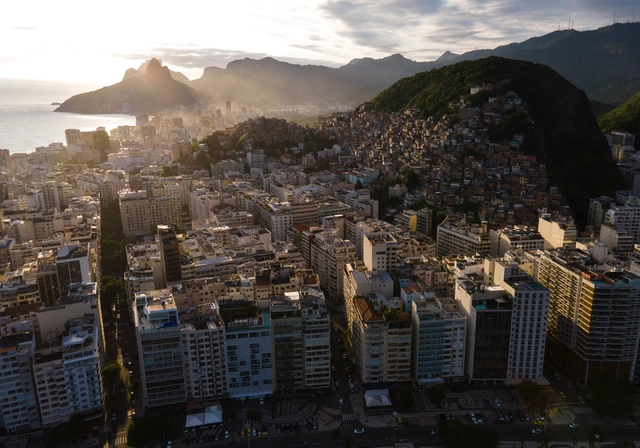
The 27th World Congress of Architects UIA2021RIO will be a hybrid event, featuring virtual sessions starting in March, and in-person activities from July 18 to 22 in Rio de Janeiro, broadcast live online to congress participants worldwide.
The first UIA2021RIO World Architects Week, featuring digital content, will take place from March 22 to 25. During this week, the content will be free to access; afterward, it will only be available to registered Congress participants. The theme chosen to open UIA2021RIO in March is one of the most pressing global concerns today: social vulnerabilities and inequalities.
https://www.archdaily.com/1127889/27th-world-congress-of-architects-begins-in-march-with-digital-contentRomullo Baratto
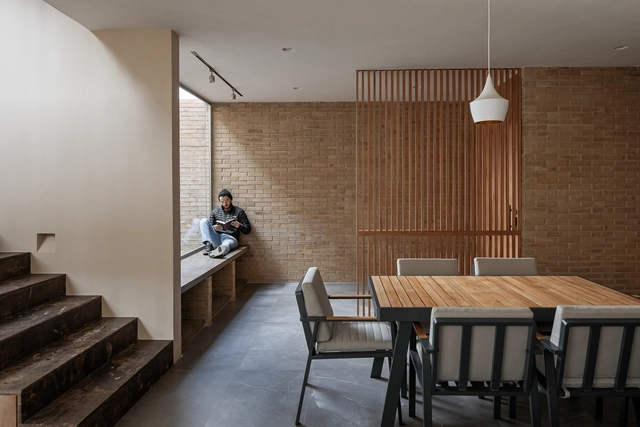
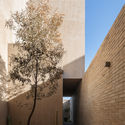
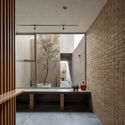
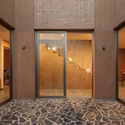
Yavia House / Intersticial Arquitectura


-
Architects: Intersticial Arquitectura
- Area: 305 m²
- Year: 2019
-
Manufacturers: Firenze, Novaceramic, Cemex
https://www.archdaily.com/1091467/yavia-house-intersticial-arquitecturaClara Ott
Circular economy project transforms sururu shells into cobogós in Alagoas
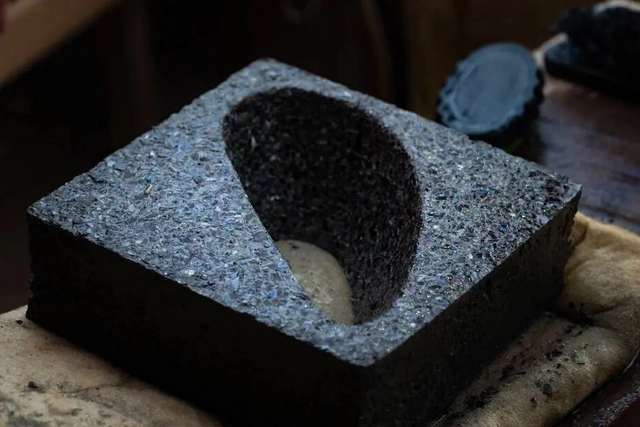
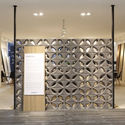
Considered an intangible cultural heritage by the State Council of Culture (CEC) of Alagoas, the sururu is a mollusk whose harvesting is the main source of income for several communities in the state. Around the Mundaú lagoon alone, in Maceió, five communities living below the poverty line produce approximately 300 tons of sururu shells annually—a massive amount of waste that previously had no use and ended up in the Alagoas capital's landfills.
Recognizing its significant economic and social engagement potential, designers Marcelo Rosenbaum, Adriana Benguela, and Rodrigo Ambrósio developed the Cobogó da Mundaú project, which incorporates sururu harvesting waste into the manufacturing of architectural screen blocks.



https://www.archdaily.com/1127789/circular-economy-project-transforms-sururu-shells-into-cobogos-in-alagoasRomullo Baratto
What is the expanded field of architecture?
.jpg?1614091577&format=webp&width=640&height=580)
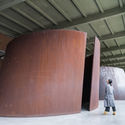
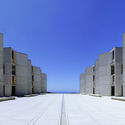
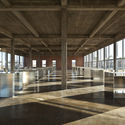
In 1979, Rosalind Krauss published her classic article Sculpture in the Expanded Field in the journal October, in which she identifies a certain fraying of boundaries in the field of sculpture, “showing how the meaning of a cultural term can be extended to include almost anything” [1]. The critique, specifically directed at artistic work produced between the 1960s and 1970s, was used 26 years later, in 2005, as the foundation for the publication of Architecture’s Expanded Field by Anthony Vidler.

.jpg?1614091577)
https://www.archdaily.com/1127781/what-is-the-expanded-field-of-architectureSusanna Moreira
Landscaping, landscape architecture, and quality of life in cities

Currently, one of the most promising fields for design professionals is the planning of open, natural, and urbanized areas that shape the city’s landscape. The fragile balance of urban water systems and the social consequences of the global climate crisis are large-scale examples of how the lack of awareness regarding the importance of natural ecosystems impacts quality of life in cities. It is with this in mind that we must closely examine the role of landscape design and landscape architecture.
https://www.archdaily.com/1127785/landscaping-landscape-architecture-and-quality-of-life-in-citiesArquicast
Is there anything “smart” about smart cities?

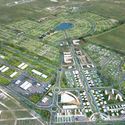
Anyone working as an urban planner or interested in urban issues has undoubtedly heard—extensively—about the "Smart Cities" movement. The premise is that there is nothing in cities that the use of data (especially "big data") or technology cannot solve. This has led to a series of claims about how we can address challenges as complex as housing, traffic, and inequality simply by creating more elaborate models based on big data or deploying new forms of technology.



https://www.archdaily.com/1128106/is-there-anything-smart-about-smart-citiesJoe Cortright
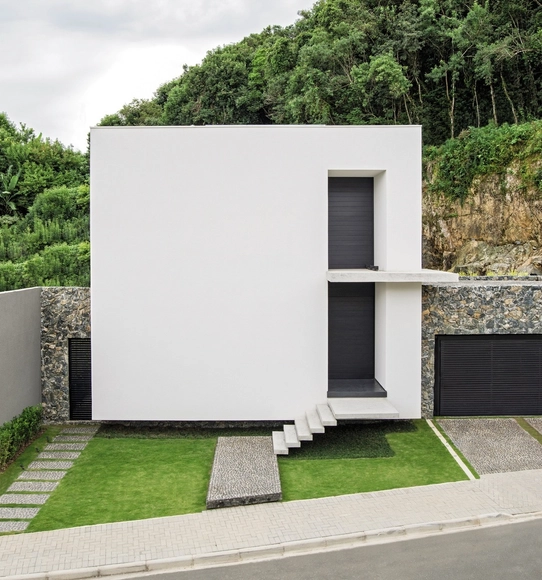
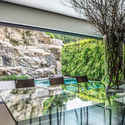
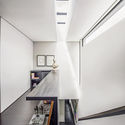
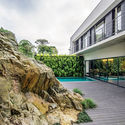
Solid House / Jayme Bernardo Arquitetura


-
Architects: Jayme Bernardo Arquitetura
- Area: 350 m²
- Year: 2013
-
Manufacturers: Eero Aarnio
https://www.archdaily.com/1091787/solid-house-jayme-bernardo-arquiteturaValeria Silva
More greenery, gathering spaces, and active mobility: what Paulistanos want during the pandemic

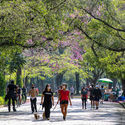
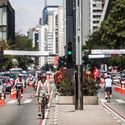
Urban resilience was put to the test as the pandemic swept quickly and drastically through cities. Limiting movement, contact, and access to public spaces was the most effective strategy for containing the virus. However, the city's infrastructure, compounded by a lack of emergency public policies, proved far from resilient. This vulnerability was exposed as a large portion of the population was forced to continue commuting long distances on public transit to work in essential services, and as the physical and mental health of residents suffered from a lack of access to safe spaces for physical activity—underscoring the city's precarious supply of public spaces.

https://www.archdaily.com/1128060/more-greenery-gathering-spaces-and-active-mobility-what-paulistanos-want-during-the-pandemicRomullo Baratto
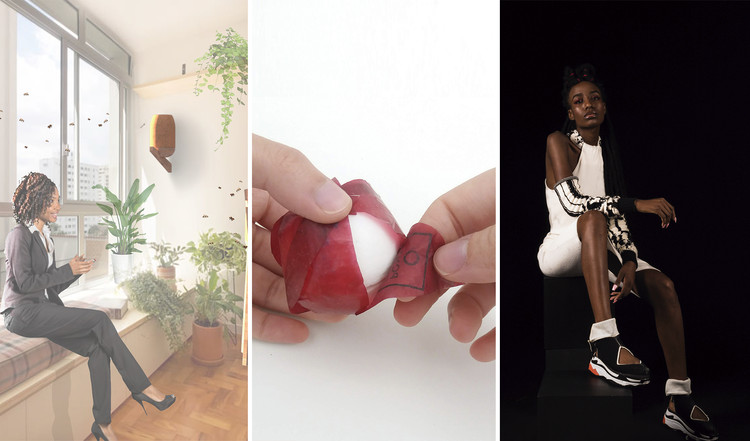
Meet the winners of the 3rd Tomie Ohtake Institute Leroy Merlin Design Award

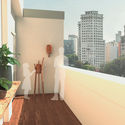
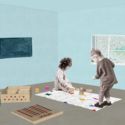
The winners of the 3rd Tomie Ohtake Institute Leroy Merlin Design Award have been announced. The award ceremony, which was originally scheduled to take place in person at the Tomie Ohtake Institute alongside the exhibition of the projects, was held virtually for invited guests due to the novel coronavirus pandemic.
A total of 15 projects were selected from 213 entries representing 20 Brazilian states and the Federal District.

https://www.archdaily.com/1128388/meet-the-winners-of-the-3rd-tomie-ohtake-institute-leroy-merlin-design-awardRomullo Baratto
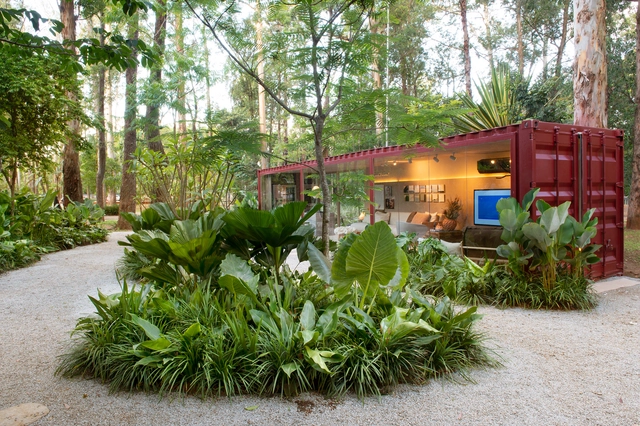
LG Connected Home / Suite Arquitetos



-
Architects: Suite Arquitetos
- Area: 30 m²
- Year: 2020
-
Manufacturers: GRAPHISOFT, Florense
https://www.archdaily.com/1090830/lg-connected-home-suite-arquitetosPilar Caballero
Can the pandemic scenario lead to walkable cities?

Two months and eleven days after the start of 2020, the World Health Organization (WHO) declared Covid-19 a pandemic. To contain the spreading threat, citizens and authorities had to devise collective strategies and alter their behavior. This battle between virus and humanity also called into question the very existence and preservation of one of humanity's most important creations: cities.
As the symbol of an environment defined by casual encounters among different people and diverse experiences, those governing urban areas were challenged to convince—and, in some cases, force—their populations to stay home as the primary measure to contain transmission.
https://www.archdaily.com/1128408/can-the-pandemic-scenario-lead-to-walkable-citiesLeticia Sabino e Louise Uchôa
Jeane Terra – Rubble, skins, residues

On March 8, 2021, Simone Cadinelli Arte Contemporânea will open the exhibition "Rubble, Skins, Residue" to the public, featuring new works by artist Jeane Terra. These pieces were created using various unique techniques and processes she has developed over the past few years—including during the months of social isolation—taking as a starting point the rubble of houses in Pontal de Atafona, a beach in the northern region of Rio de Janeiro state that is being swallowed by the sea. The exhibition will occupy the entire gallery. In addition to the "dry paintings"—or "paint skins," a process she created and has since patented—and the "dry monotypes," the show will bring together sculptures, photographs, an embroidery piece, and two installations: a wall excavation and a window display facing Rua Aníbal de Mendonça in Ipanema.
https://www.archdaily.com/1051737/jeane-terra-rubble-skins-residuesRene Submissions
Does the ideal of the compact city still make sense?
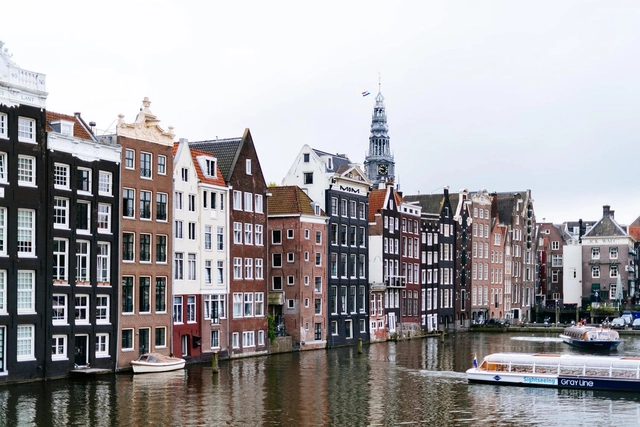
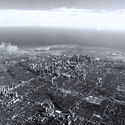
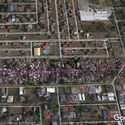
Anyone interested in urban policy will likely, at some point, come across the term “compact city.” This expression has become a staple of urban planning. Proposals associated with the concept favor denser development, with commerce and services close to residential areas, encouraging pedestrian, bicycle, and public transit mobility. Some European capitals, such as Copenhagen and Amsterdam, are often pointed to as examples of this model. Its counterpart is the sprawling city, where neighborhoods are predominantly residential, far from downtown, and require long commutes from home to work.

https://www.archdaily.com/1128546/does-the-ideal-of-the-compact-city-still-make-senseAndré Sette