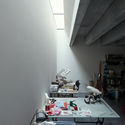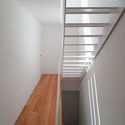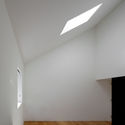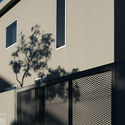

-
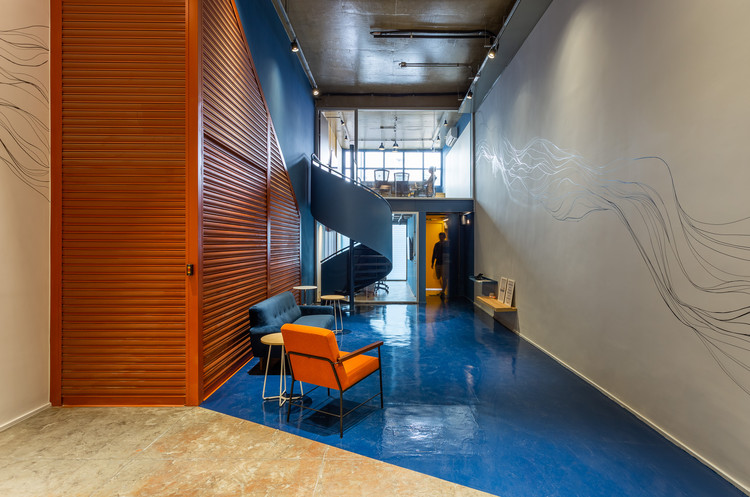
Architects: SuperLimão
- Area: 350 m²
- Year: 2020
-
Manufacturers: Dalle Piagge
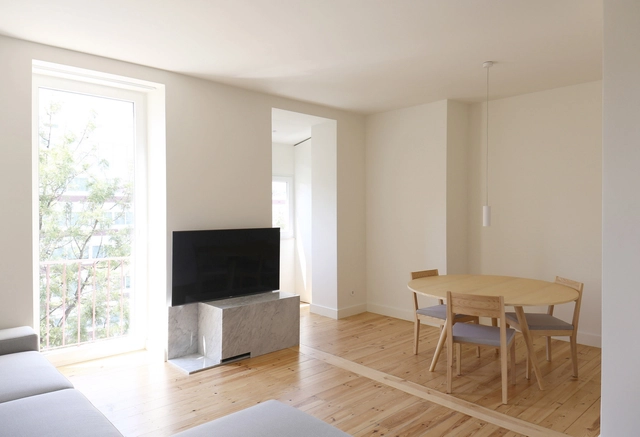

Through the Contemporary Culture and Reality Seminar course—then coordinated by Professor José Guilherme Pereira, together with Baque Cidade and the Carmen Portinho Feminist Collective—Escola da Cidade welcomed Mestra Joana Cavalcante, from Nação do Maracatu Encanto do Pina, for a discussion on what Maracatu is and how, in its local territories—with the city of Recife (PE) serving as an emblematic case—it resists as a social organization while exposing issues such as racism, sexism, real estate speculation, and socio-spatial segregation.


Last week, Paulo Mendes da Rocha announced the donation of his entire project archive to the Casa da Arquitectura, a Portuguese institution based in Matosinhos dedicated to preserving and exhibiting architectural collections. The news was published at the time by ArchDaily and caused a stir among Brazilian architects, educators, researchers, and institutions—especially the FAUUSP, which expressed regret over Rocha's decision.

Downtown São Paulo will receive a statue honoring Joaquim Pinto de Oliveira, an enslaved Black 18th-century architect known as Tebas. The announcement was made yesterday, September 10, by Mayor Bruno Covas at the São Paulo City Council.

What does the home of the future hold for us? And for whom will it become a reality? These questions served as the guiding principles for The Future of Living - Contrasts. With a keen eye on identifying the emerging movements that shape how we will live tomorrow, the research team at the Istituto Europeo di Design used the world during the COVID-19 pandemic as their primary backdrop. Drawing from this context, rather than simply discussing housing trends, the researchers address the challenges that must be resolved to make these trends a reality for everyone, rather than a mere set of forecasts that segregate rather than create opportunities.
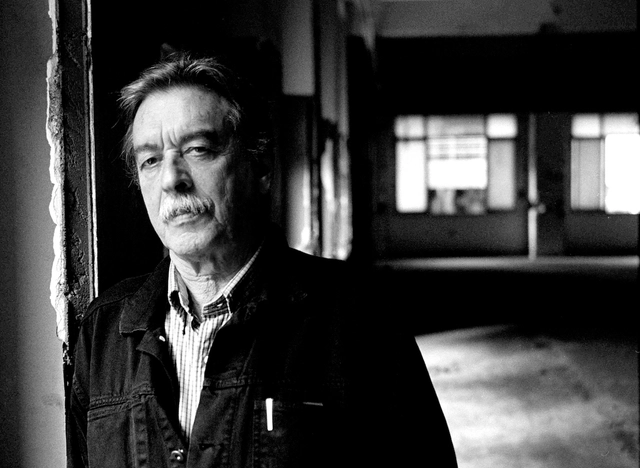
Following the donation of Paulo Mendes da Rocha's complete archive to the Casa da Arquitectura in Portugal, a major debate arose in Brazil, with many expressing regret over seeing the physical documentation of his intellectual and built work leave the country. Through an open letter released today, Nuno Sampaio, Executive Director of the Casa da Arquitectura, proposes institutional collaboration protocols with Brazilian entities.
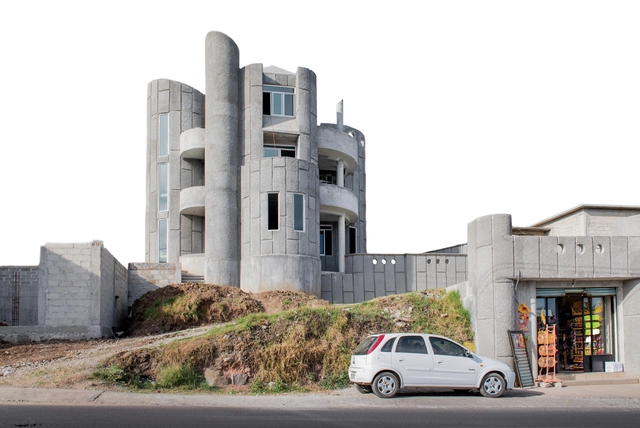
In Mexico, the practice of self-construction remains a divisive topic within the architectural community, with proponents both for and against a practice that is highly conventional and widespread throughout the country. However, though far from a consensus among construction professionals, autonomous building processes are an undeniable reality driven by economic, cultural, and social conditions—a phenomenon that knows no borders. With this in mind, over the last few years, architects have launched a series of initiatives aimed at developing and providing informative materials, support guides, and manuals for self-construction, addressing safety and well-being, and ultimately bringing to light a practice that is increasingly difficult to ignore.

The winners of the 2nd Tomie Ohtake Institute Leroy Merlin Design Award have been announced. Originally scheduled to take place in person at the Tomie Ohtake Institute alongside an exhibition of the projects, the awards were instead announced via video due to the novel coronavirus pandemic.
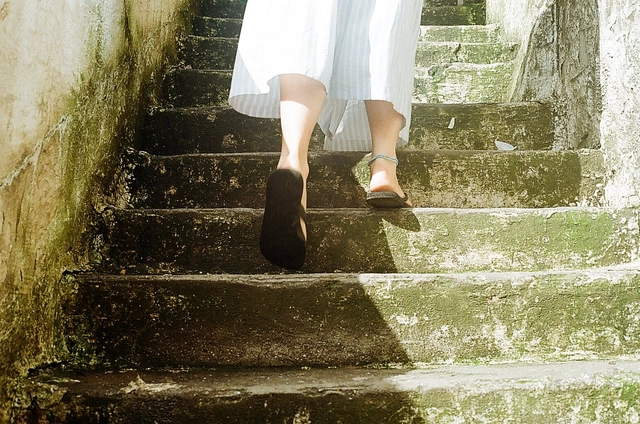
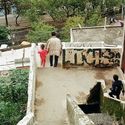
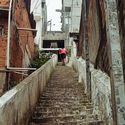
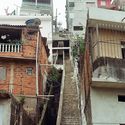
When considering the history of occupation in the city of São Paulo and the pursuit of a universal, democratic urban planning, understanding the role and movement of women in the urban context—particularly on the city's periphery—becomes essential. Here, we look at the Jardim Damasceno neighborhood and its spaces in motion—the stairways—to understand how these bodies express themselves in this context, their actions and transformations, and how gender is perceived by them.

The composition of interior spaces is essential to human well-being. During the Covid-19 pandemic, this topic gained even greater prominence, as the design of indoor environments—beyond being aesthetically pleasing—can also help prevent disease and directly influence how we feel.
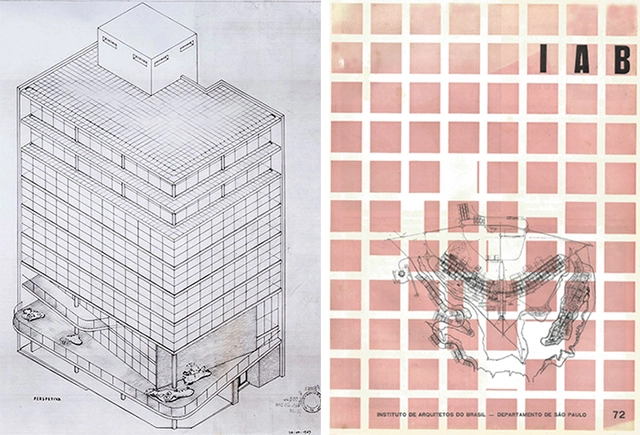
The donation of Paulo Mendes da Rocha's archive to Casa da Arquitectura, an institution based in Matosinhos, Portugal, has sparked intense debate among architects and academics since its announcement early last week. Both opposing and supportive opinions were widely shared on social media and news outlets, and an institutional collaboration agreement between FAUUSP and Casa da Arquitectura was even proposed.
In light of the debate surrounding the preservation of architecture and urbanism collections in Brazil, IABsp published an open letter calling for a national network of archives. Read the full letter below:

Launched last month, the Fortaleza Mais Verde program aims to create a network of micro-parks in the capital of Ceará and implement tree-lined bicycle corridors. Execution of the plan began in August.
"The purpose of the proposal is to preserve, secure, and progressively expand the green cover of the City of Fortaleza, making these areas usable for the population to enjoy," said the city's mayor, Roberto Cláudio. "We have several landscaping and urban planning initiatives underway. We expect to receive suggestions regarding this new pilot project. We want to ensure it is implemented and made irreversible," he added.


















.jpg?1600699528 "Binder. Image Cortesia de Instituto Tomie Ohtake")