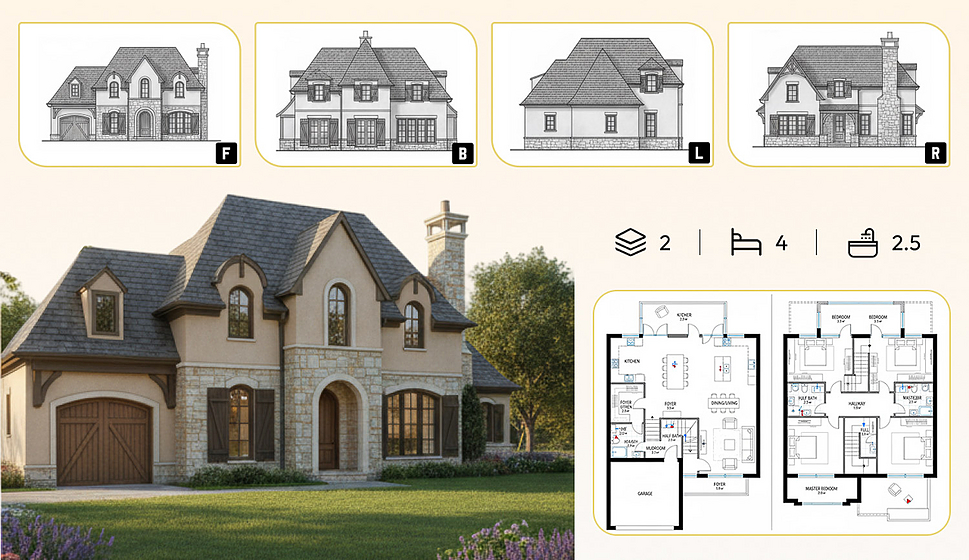
This guide covers a workflow that moves from project parameters to generated floor plans, 3D perspective views, exterior design exploration, and site context visualization, using AI tools in place of preliminary CAD and rendering work.
This guide covers a workflow that moves from project parameters to generated floor plans, 3D perspective views, exterior design exploration, and site context visualization, using AI tools in place of preliminary CAD and rendering work.
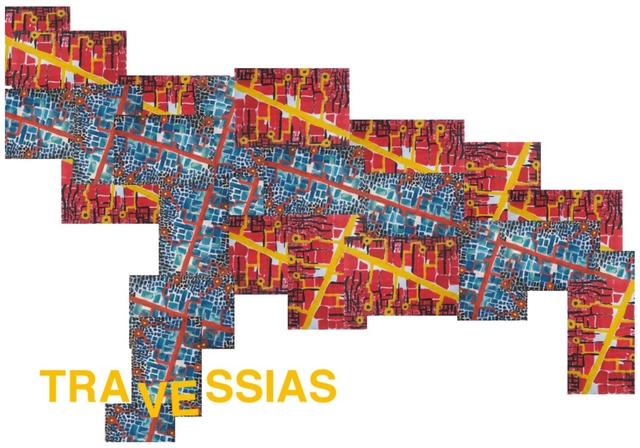
Today, the IABsp announced the winning team of the co-curatorship competition for the 13th International Architecture Biennale of São Paulo. Titled Travessias, the team comprises nine Brazilian members from various fields: Carolina Piai Vieira, Larissa Francez Zarpelon, Louise Lenate Ferreira da Silva, Luciene Gomes, Pedro Cardoso Smith, Pedro Vinícius Alves, Raíssa Albano de Oliveira, Thiago Sousa Silva, and Viviane de Andrade Sá.
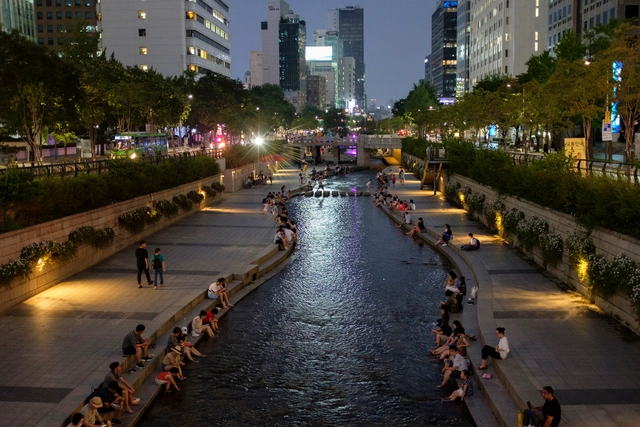
Throughout the 20th century, road construction was primarily based on the premise that more infrastructure eases traffic. However, evidence shows that instead of reducing congestion, building more roads actually increases traffic. When driving times are reduced, convenience increases. Consequently, alongside the appeal of private vehicles as status symbols of wealth and social standing, people tend to make more trips by car. A recent study by researchers at the University of Barcelona analyzed data from 545 European cities between 1985 and 2005. It confirmed that efforts to expand road capacity over those two decades led to an increase rather than a reduction in vehicle traffic, and failed to ease congestion.


The magazine bears the welcoming name of Engawa. It is welcoming because, as a transitional space, it suggests ideas like hospitality and invitation, or, conversely, projection and openness.
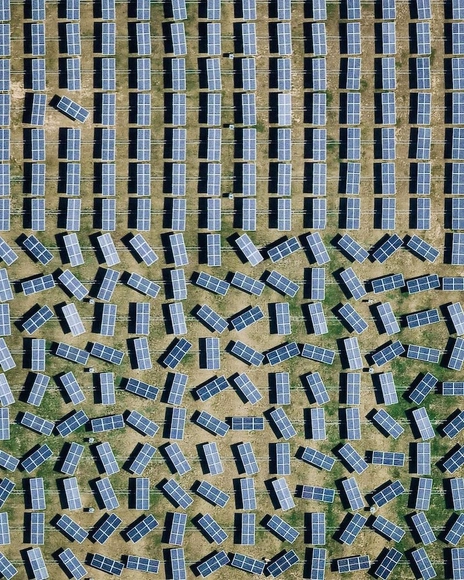
The global transition to a green economy could create 18 million jobs, with the potential to generate quality employment and livelihoods worldwide. But what about the people and communities whose livelihoods currently depend on fossil fuels and high-carbon sectors?
An estimated 6 million jobs in coal-fired power generation, oil extraction, and other sectors could disappear by 2030. Many of these new green job opportunities will require different skills than those needed for previous roles, or will be located in new areas.

At a time when urbanization has become planetary and humanity has become a geological force capable of profoundly altering Earth's thermodynamic cycles, it is urgent to reinvent the urban way of life and rehearse other forms of coexistence between humans, animals, and plants—between cities, forests, rivers, and mountains. Furthermore, it is urgent to design, with our feet on the ground and in collaboration with the peoples and sciences of the Earth, the conditions for future habitability.
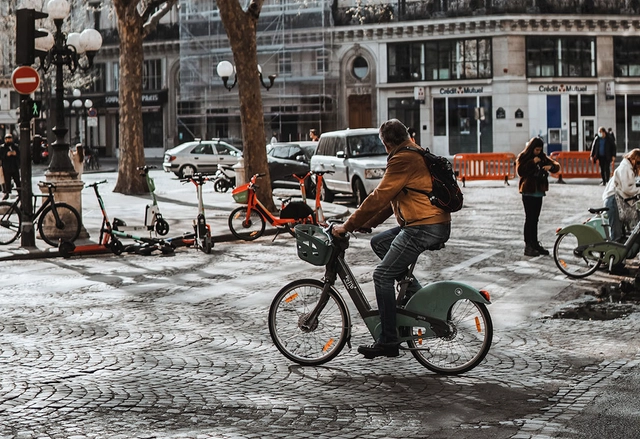
France is investing in initiatives to combat climate change, including shifting to more sustainable modes of transport. Owners of older cars can now receive a government subsidy of up to 2,500 euros to trade in their vehicles for electric bicycles.
“For the first time, it is recognized that the solution is not to make cars greener, but simply to reduce their number,” noted Olivier Schneider of the French Federation of Bicycle Users.

Applications are open until June 30 for the 4th Tomie Ohtake Institute Leroy Merlin Design Award, aimed at college students and recent graduates from all fields. The award seeks to recognize proposals that highlight and conceptualize the relationship between design and other disciplines, such as communication, architecture, biology, engineering, fashion, technology, economics, physics, education, mathematics, and chemistry, among others. The theme of this fourth edition is the verb to welcome.
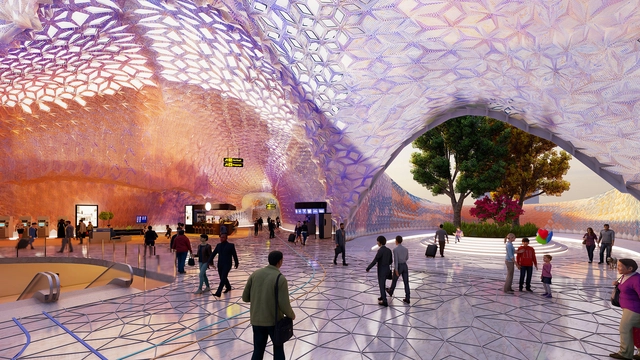
The roof of London's Euston Station serves as a virtual application for the integrated Metaplas system, a project developed by students at The Bartlett School of Architecture, UCL. As part of an investigation by Research Cluster 8 (RC8) of the MArch Architectural Design program, students developed a 3D-printed multi-material system using biodegradable and recyclable thermoplastics. By transforming a series of flat panels into complex three-dimensional forms, the students created a geometric pleated structural system capable of passively controlling interior lighting.
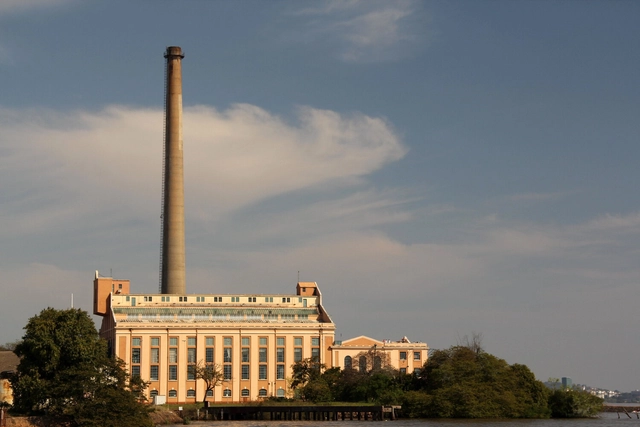
Porto Alegre now has an online guide aimed at preserving the history and memory of its architectural heritage, both historic and contemporary. Conceived by architects and urban planners Rodrigo Poltosi and Vlademir Roman, the Guia Arqpoa brings together texts, photographs, and information on 100 architectural, urban, landscape, historical, and cultural works in the city. The mapping is based on the buildings and public spaces featured in the print publication released in 2017, titled Guia de Arquitetura de Porto Alegre, and allows this initial list to be expanded through the collaboration of new contributors.
_05.jpg?1620330186&format=webp&width=640&height=580)

As longtime partners, Portobello and journalist and TV host Pedro Andrade have embarked on a new project together—this time collaborating on the Horizontes line. Inspired by Andrade's five favorite destinations, the line was launched this year as part of the 2021 Unlimited Experience collection. This partnership represents another innovative step for Portobello in engaging professionals from diverse fields in its creative process, which typically invites architects and furniture or surface designers.

To provide greater safety for those wishing to enjoy nature, Urbia has marked 40 circles on the lawn of Praça da Paz in Ibirapuera Park. The concessionaire, which manages the largest park in São Paulo, adopted this measure to encourage social distancing among visitors.
Measuring approximately 4 meters in diameter, the circles were marked using organic waste from the park's own vegetation management, making them entirely sustainable. This allows visitors to remain safe within their own social distancing zones. Additionally, masks must be worn at all times while inside the park.
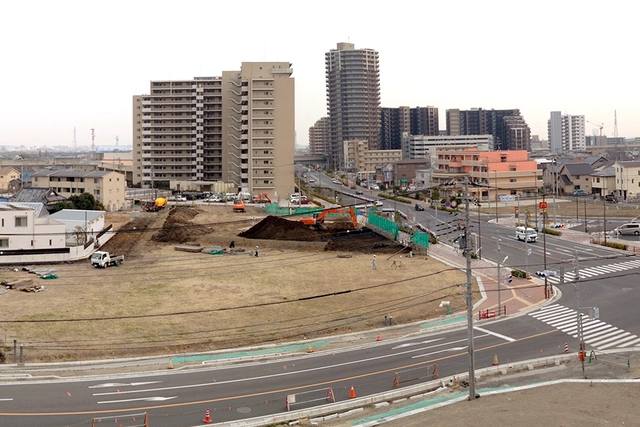
Once urbanization occurs, whether legally or illegally, and land is subdivided and populated, it becomes extremely difficult to retroactively reorganize its boundaries—especially property lines—and secure land for basic public needs.
This difficulty stems from two main factors. First, any land reorganization requires displacing existing users, which disrupts their social, cultural, and economic networks—their so-called "social capital"—and also affects the sense of equality and the fair distribution of rights. Second, the value of urban land rises with intensive use, particularly when supply is scarce amid high demand.

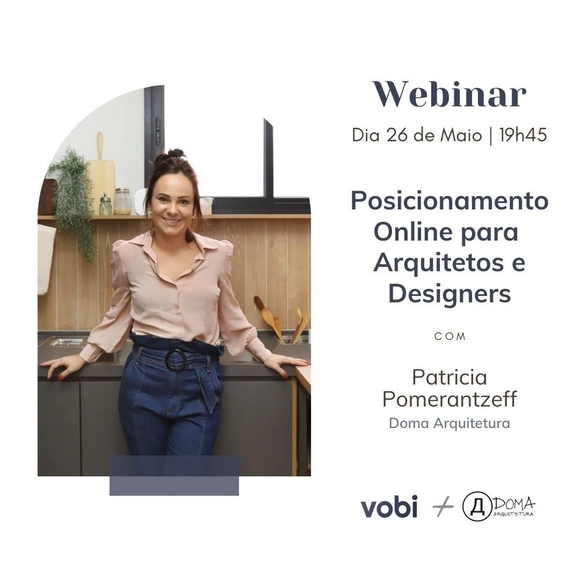
Free Webinar on Online Positioning for Architects and Designers with Patricia Pomerantzeff of Doma Arquitetura, in partnership with Vobi.
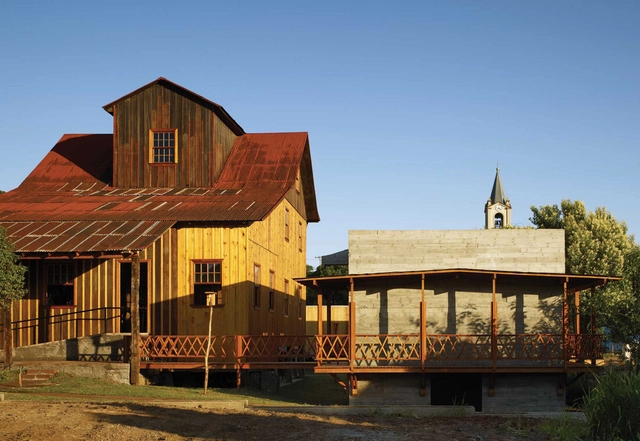
Marcelo Ferraz, founding partner—alongside Francisco Fanucci—of Brasil Arquitetura, an office that has garnered numerous national and international awards in recognition of projects that are deeply sensitive to their site, yet essentially contemporary, is this week's guest on Arquicast.

_05.jpg?1620330186)
.jpg?1620957681)
.jpg?1620957693)
.jpg?1620957624)