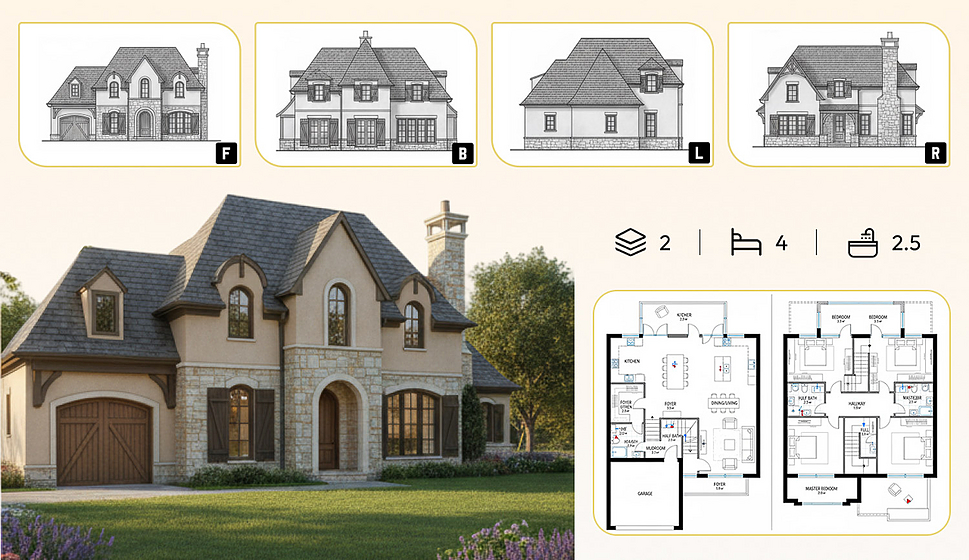
This guide covers a workflow that moves from project parameters to generated floor plans, 3D perspective views, exterior design exploration, and site context visualization, using AI tools in place of preliminary CAD and rendering work.
This guide covers a workflow that moves from project parameters to generated floor plans, 3D perspective views, exterior design exploration, and site context visualization, using AI tools in place of preliminary CAD and rendering work.
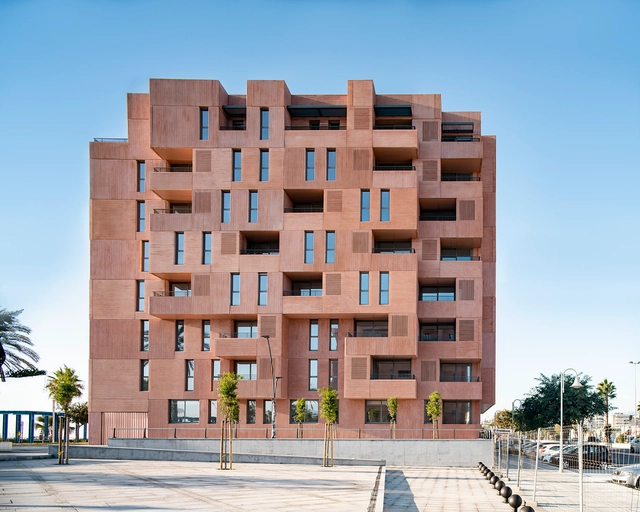
Known as building envelope surfaces that define and condition spaces, enclosures play a key role in architecture. In response to the need to ventilate, heat, and provide maximum comfort inside the home, enclosure systems have evolved in both composition and functionality. Along with closing and opening spaces, their primary function today is to act as a barrier between the interior and exterior, responding to climatic variations and providing thermal comfort to building occupants.
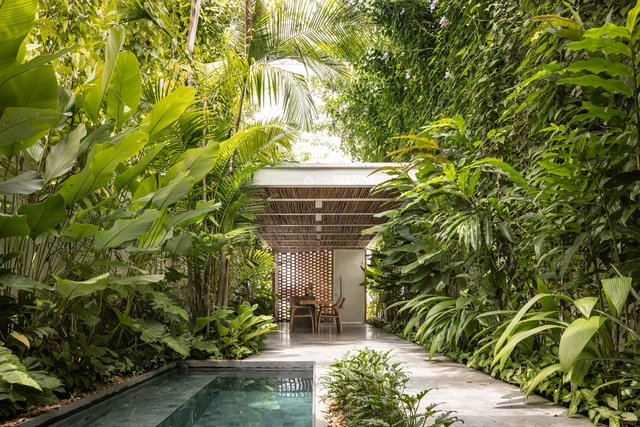
Creating a landscape that dialogues with architecture through natural elements that shape the space. Bringing together different textures, materials, and species. Harmonizing the rhythm of nature with that of construction. Many phrases could attempt to summarize landscape design, which, guided by its drawings, references, and concepts, is fundamental not only for enhancing the beauty of a place, but also its comfort and quality.
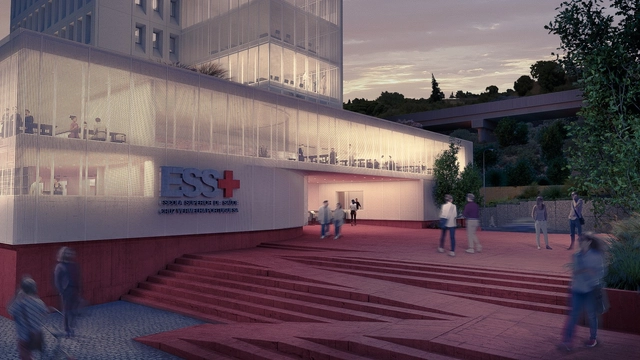
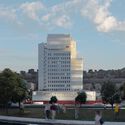
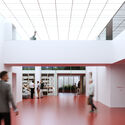
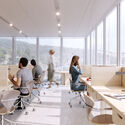
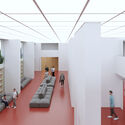
The firm Apparatus Architects, led by Brazilian architect Gabriella Gama and Portuguese architect Filipe Lourenço, was invited by the Portuguese Red Cross Health School (ESSCVP) to develop a rehabilitation and expansion project for the new school in the Alcântara Valley, Lisbon. Initially, the project consisted of creating a space for a vocational clinic, but it expanded in scope when the architects proposed renovating the entire tower.

Iris Barrel is a designer born in Queens, the only child of a Russian mother and an American father who owned a mirror company. She studied art at the University of Wisconsin and began her career at WWD, a benchmark publication in the fashion industry.
In 1948, alongside her husband, Carl Apfel, she founded a successful textile brand that was even featured in the White House decor during the administrations of nine US presidents. Although they sold the company in 1992, the couple continued working for the brand for another 13 years—until 2005. Iris Apfel was fully retired from the interior design industry when, at 84, she was invited by Harold Koda—curator of the Met’s Costume Institute—to exhibit her collection of clothing and accessories.
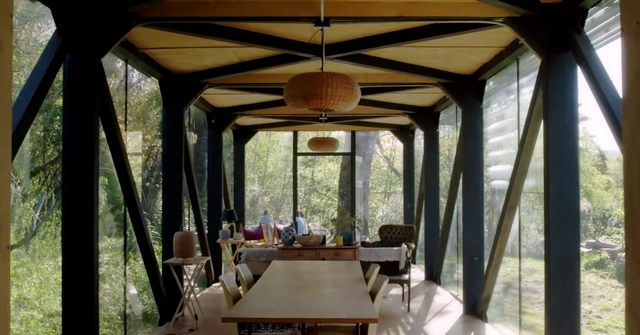
'Los Ríos Territorio Arquitectura' is a program that seeks to highlight the value of architecture in Chile's XIV Region, while bringing visibility to the work of the territory's architects through three short films featuring interviews with 15 professionals across 22 different locations.
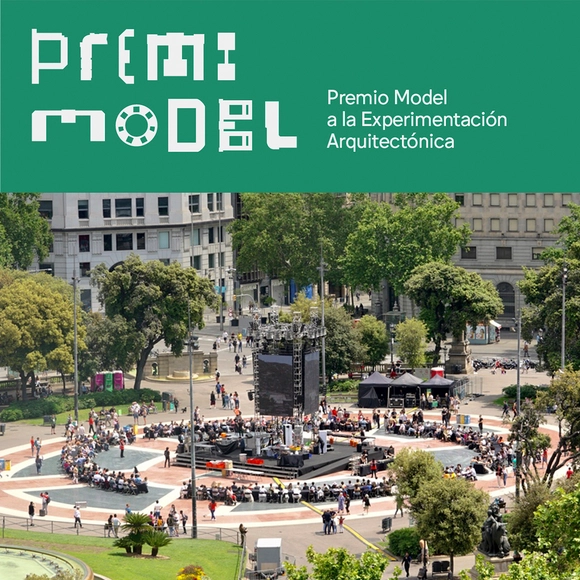
Model. Barcelona Architectures Festival (Model) is the latest experimental and visionary architecture festival on the global cultural scene. The project was founded by the Barcelona City Council and the Architects' Association of Catalonia (COAC) in 2022, and this year, it will be managed by the Mies van der Rohe Foundation.

Sin retórica (Without Rhetoric) compiles the findings of twenty years of research by the British architectural duo Alison & Peter Smithson, offering the reader a direct, unadorned perspective—"without rhetoric," in short—on their interests and obsessions: New Brutalism, British pop culture, the current state of architecture, the role of advertising and media in the field, their fascination with the work of Mies van der Rohe, the use of repetition, and Greek and Japanese architecture.
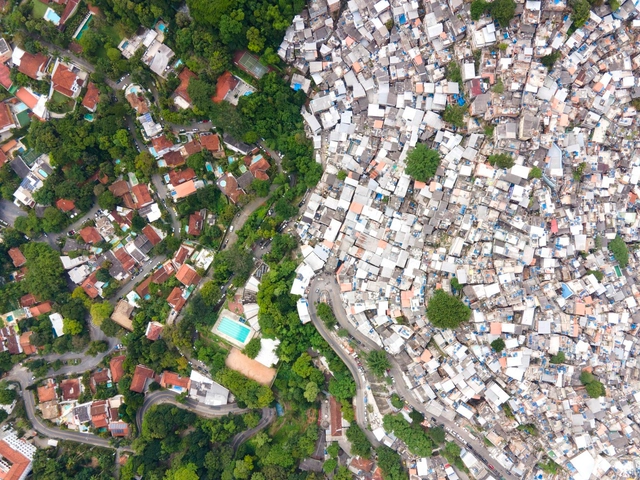
On October 10, 2023, more than 200,000 Brazilian architects and urban planners will choose their representatives for CAU Brasil and CAU/UF for the 2024–2026 term.
Activities related to the 2023 CAU Elections begin on January 1, starting with a campaign to update professional registration data, ensuring everyone can vote and run for office. The deadline to complete the update is May 31.
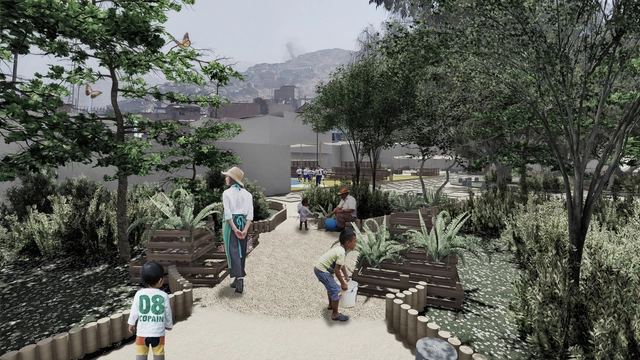
The "Public Spaces in the City of Hope" competition in José Carlos Mariátegui - San Juan de Lurigancho has announced its winners. Promoted by the CENCA Urban Development Institute in partnership with Ocupa tu Calle, the initiative is part of the project "Promoting sustainable, fair, and participatory social and environmental transformation processes on the hillsides of San Juan de Lurigancho, Lima, Peru," led by CENCA and supported by the German Ministry and the "City of Hope" institutional strategic proposal.

Neorealist Architecture: Aesthetics of Dwelling in Postwar Italy is the new book by David Escudero, published by Routledge and a recipient of a Graham Foundation grant. Illustrated with over 120 images—most of which are previously unpublished—the book explores the links between architecture, film, and the built environment in postwar Italy (1940s–50s) to reveal whether and how neorealism manifested in architecture.
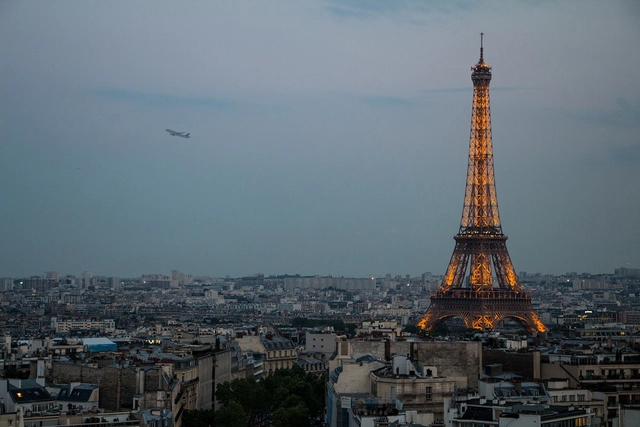
In April 2021, French lawmakers voted to ban short-haul domestic flights on routes that can be traveled by train in under two and a half hours. The measure aims to help reduce the country's carbon emissions.
Reducing emissions is one of the commitments made under the Paris Agreement to curb global climate change. Among the various measures countries must implement, the aviation sector stands out: air travel is estimated to account for 2.5% to 3% of global CO2 emissions.
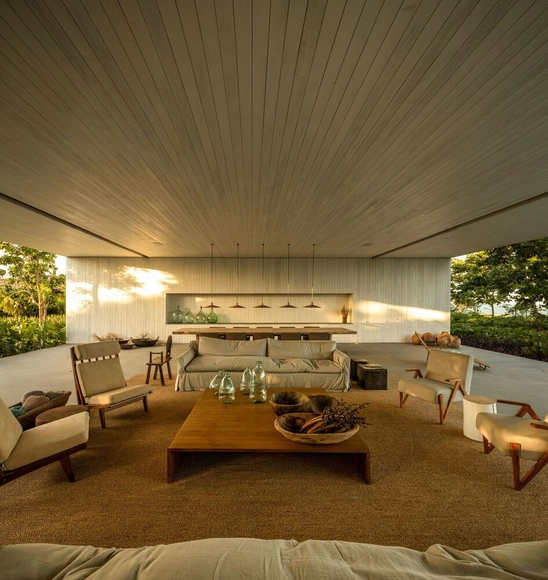
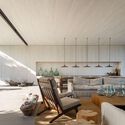
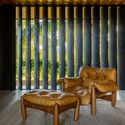
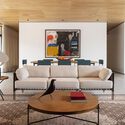
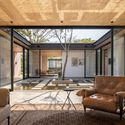
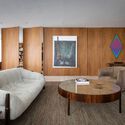
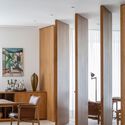
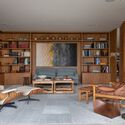
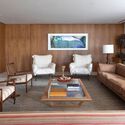
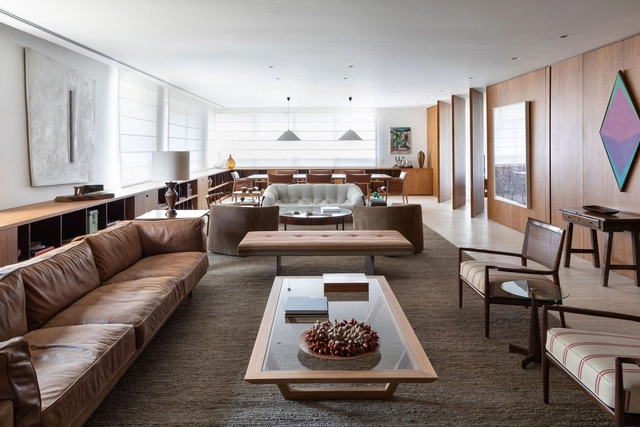
Furniture is essential to enhancing the quality of residential interiors. The choice of colors, textures, and materials applied to each design is crucial to a successful spatial composition. Whether through a curated selection of furniture or a standalone piece that takes center stage, each item helps shape the spaces and the circulation flow of a project.
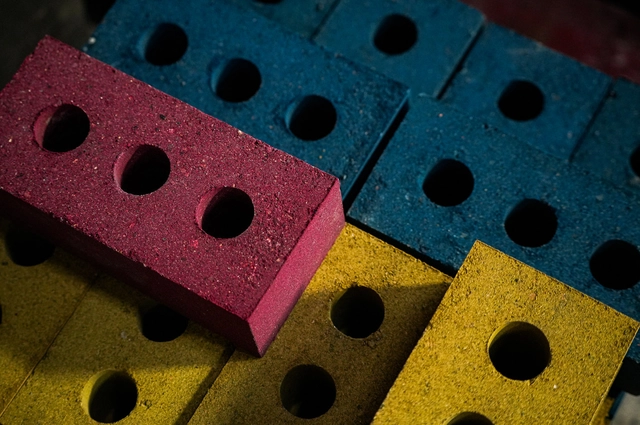
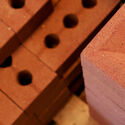
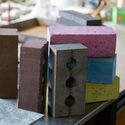
Scottish startup Kenoteq has launched the K-Briq – a more sustainable building brick that is unfired and made of 90% construction waste. Developed by engineering professor Gabriela Medero at Heriot-Watt University in Edinburgh, the K-Briq generates less than a tenth of the carbon emissions during manufacturing compared to a standard brick.

Why do we behave differently in a crowded restaurant than in a cathedral at sunset? Why do teenagers and older adults require different environments to feel at ease? It is because an invisible dialogue exists between our bodies and our surroundings. This shift in perspective is what the author defines as neuroarchitecture.

The Spanish Council of Architects (CSCAE) has announced a design competition for the comprehensive renovation of its headquarters, located at 12 Paseo de la Castellana in Madrid. Submissions are open until February 21 of this year. The competition will be held in two phases, with the goal of selecting a proposal that reflects the institution's identity while providing a friendly, environmentally sustainable office environment. The design should accommodate both institutional and office work alongside teleworking, utilizing warm and welcoming materials and textures.