With the aim of getting to know the architects, projects, and stories behind landmark Portuguese architecture, Sara Nunes, from the architectural film production company Building Pictures, launched the podcastNo País dos Arquitectos, where she speaks with key figures in contemporary Portuguese architecture.
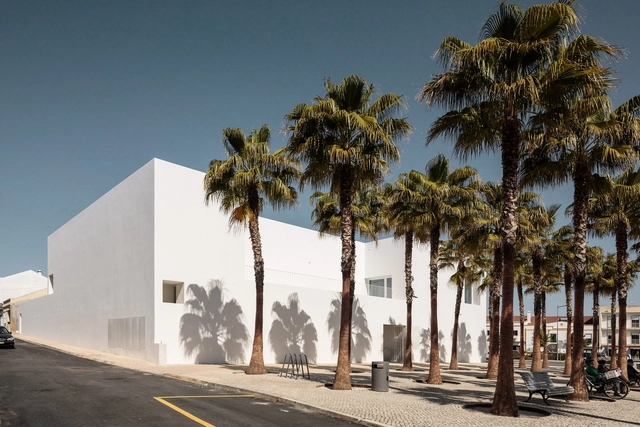
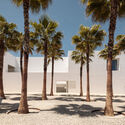
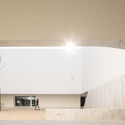
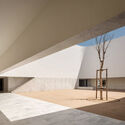
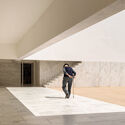
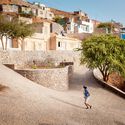
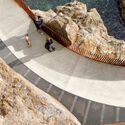
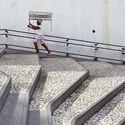
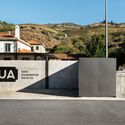
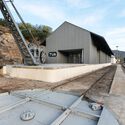
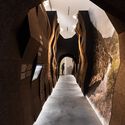
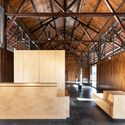
In this week's episode, Sara speaks with architects Pedro Domingos and Pedro Matos Gameiro about the design of the Grândola Municipal Library and Archives in southern Portugal. Revisit previous interviews from the podcast No País dos Arquitectos and read the transcript of the interview with Domingos and Gameiro below.
The Education and Training Commission (CEF) of CAU/RJ is conducting the survey Impacts of Remote Learning on the Training of Architects and Urban Planners. The goal is to analyze the impact of the COVID-19 pandemic on undergraduate education and professional training during the pandemic and its future ramifications, considering the implementation of remote classes and restrictions on curricular and extracurricular activities in architecture and urban planning schools across the state of Rio de Janeiro.
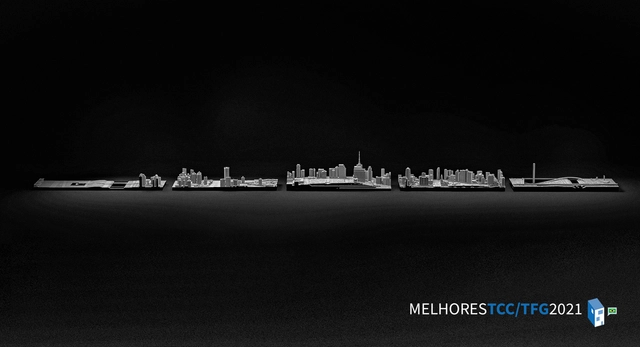
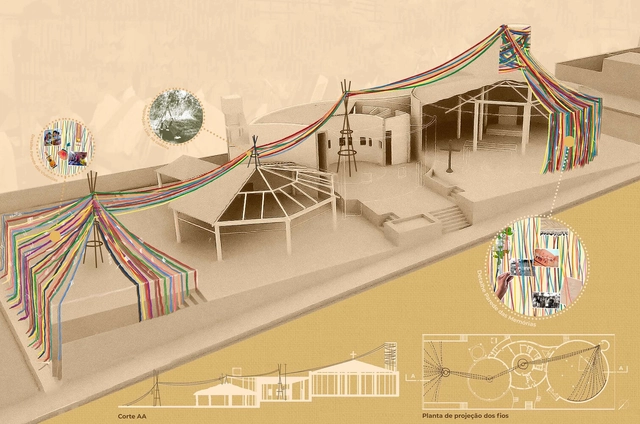
Photomontage based on the work "Invisible in the Visible: Five Essays for São Paulo." Image courtesy of Luiz Sakata.
Every year, we host a call for submissions for final graduation projects from our audience, open to all Portuguese-speaking countries. In doing so, we aim to select the projects we find most compelling, presenting inspiring visions and sparking debates in the fields of architecture and urbanism.
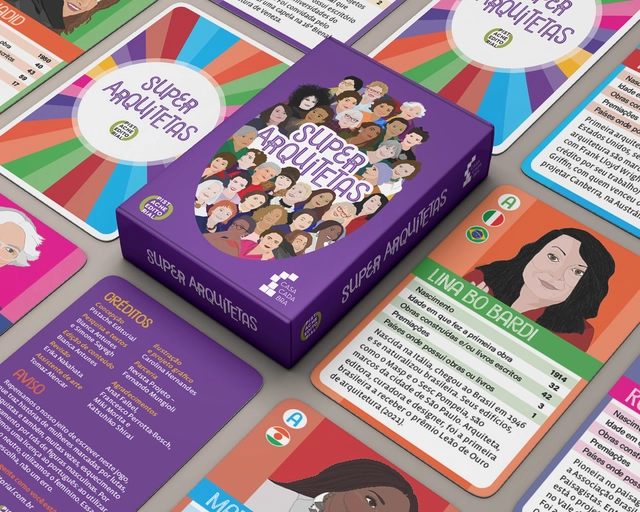
The incredible architectural drawings of Marion Mahony, the first registered female architect in Illinois (United States), were featured in many of Frank Lloyd Wright's projects—though he never credited her for them. Sophia Hayden, the first woman to graduate with an architecture degree from MIT, won the competition to design the Woman's Building, earning at least three times less than her male colleagues. Mayumi Watanabe was part of the first group of professors at UnB. Carmen Portinho, who was instrumental in introducing the concept of social housing to Brazil, fought for women's suffrage. Ruth Glass coined the term "gentrification." Rosa Kliass has more than 300 built projects. Zaha Hadid was the first woman to receive the Pritzker Prize (2004) and the RIBA Royal Gold Medal (2016).
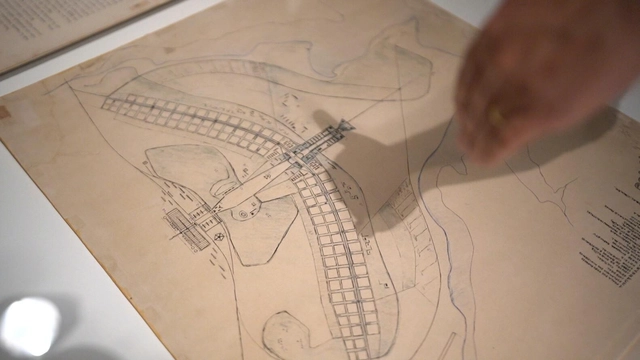
Lucio Costa's drawing for the Brasília Pilot Plan competition (1956-57), at the Casa da Arquitectura. Photo: courtesy of Casa da Arquitectura
Within the span of a year, Brazil saw two of its greatest architectural archives leave the country: that of Paulo Mendes da Rocha in September 2020, and that of Lucio Costa in October 2021. Both were donated to the Casa da Arquitectura in Portugal. Together, they total around 20,000 items. These announcements sparked a heated debate regarding the preservation of such documents, the role of the Portuguese institution, and what must be done to keep remaining archives in Brazil.
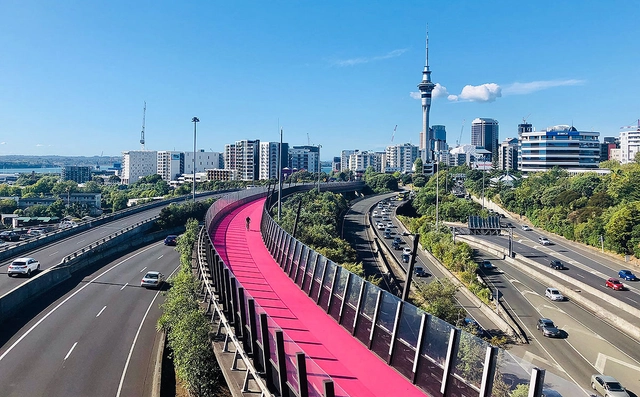
Before we are drivers or cyclists, we are all pedestrians. Designing safer ways to navigate on foot, while also offering opportunities for leisure and contemplation for passersby, means conceiving a fairer city that offers a better quality of life—one that respects all its citizens and prioritizes their well-being. Accordingly, we have gathered here several parks, crossings, and pedestrian bridges designed exclusively for non-motorized use.
Founded in 2004 by then-architecture students Carlos Maia, Débora Vieira Mendes, and Igor Macedo, Tetro Arquitetura boasts a portfolio that spans projects across much of Brazil, yet maintains a remarkably cohesive approach. In the view of some architectural critics, the formal and conceptual identity defining the firm's work is driven in part by the influence of the Brazilian modernist tradition. But is this actually the case? This and other questions are explored in this casual conversation with the unconventional trio from Minas Gerais.
The 4th Tomie Ohtake Institute Leroy Merlin Design Award, dedicated to university students and recent graduates, has announced the three winning projects of this edition. The goal of this fourth cycle, themed around the verb acolher (to welcome/to shelter), is to highlight proposals that explore the relationship between design and other fields, such as communication, architecture, biology, engineering, fashion, technology, economics, physics, education, mathematics, and chemistry. The winners will receive scholarships for design courses abroad.
Homeowners in Auckland, New Zealand's largest city, will begin paying a “climate tax.” With this revenue, the city council will invest in environmental solutions to improve residents' quality of life and help the city reduce greenhouse gas emissions.
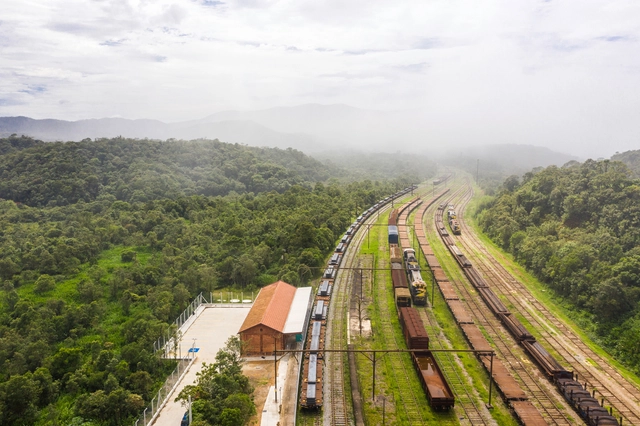
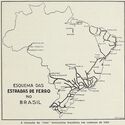
As one of the primary modes of transport in history, rail transportation has helped move people, raw materials, and products since the Industrial Revolution. Widely used throughout the world, railways had their first trial in Brazil during the 1850s in Rio de Janeiro, expanding across the territory until they were gradually phased out over time. Today, we face a major challenge in keeping their memory alive.
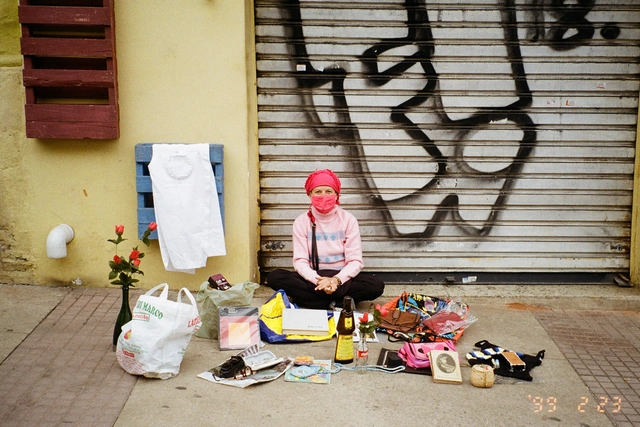
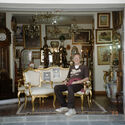
Dona Auxiliadora, treasure hunter of Praça Dom Orione. Image by the author
The exercise of observing a space, taking into account its historical, social, and sensory complexities, is an act that should be part of the daily life of those who practice architecture. This act qualifies actions that engage with that spatiality. Consequently, using architecture as a tool to understand the dynamics of the environments we frequent becomes essential.
With the goal of getting to know the architects, projects, and stories behind landmark Portuguese architecture, Sara Nunes, from the architectural film production company Building Pictures, launched the podcastNo País dos Arquitectos, where she speaks with leading names in contemporary Portuguese architecture.
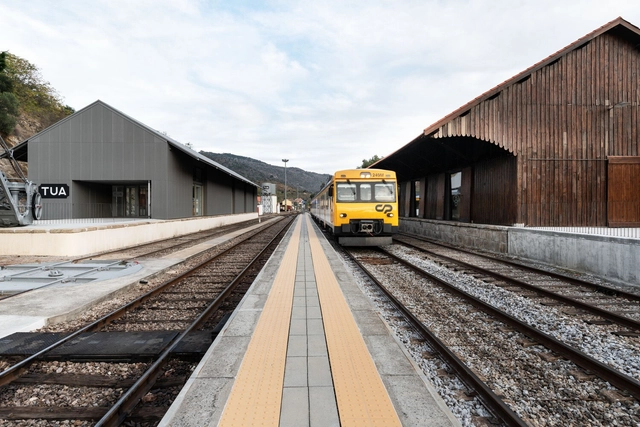
In this week's episode, Sara speaks with architects Susana Rosmaninho and Pedro Azevedo, from the studio Rosmaninho + Azevedo, about their project for the Tua Valley Interpretive Center, located in Carrazeda de Ansiães. Catch up on other interviews from the podcast No País dos Arquitectos and read the transcript of the interview below.
Vencedor | 167987. Image Cortesia de Prêmio {CURA}
The 6th {CURA} Award has announced the results of its competition for students and young architects. In this edition, participants were invited to propose temporary interventions in works by Lina Bo Bardi. The proposal could be sited in any city in Brazil, provided it was an intervention in a work by the architect.
Climate change, rising fuel prices, the financial crisis, the importance of physical activity, and traffic congestion in large urban centers are among the reasons driving people to rethink their daily habits and monthly expenses—with transportation representing a significant portion of these costs.
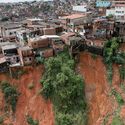
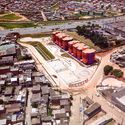
In Brazil, urban problems associated with urban growth and poverty, driven particularly by the informality of land occupation and the precariousness of infrastructure and urban services, have proved to be an insurmountable challenge for public authorities.
Despite past efforts, low-income housing access has largely been achieved through self-built housing and the relaxed enforcement of land subdivision, use, and occupation regulations.
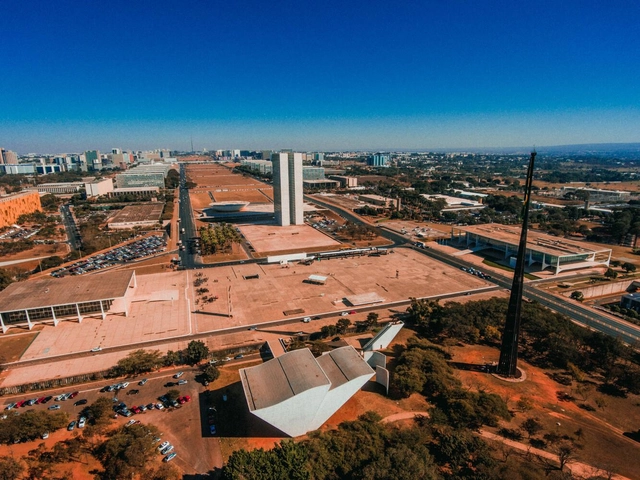
Arquicast invited architect Matheus Seco, a Rio de Janeiro native from Bloco Arquitetos, to discuss Brasília, their home for several years. The topic is particularly compelling: not only is the city's history intrinsically linked to the image of a nation, but it also offers a vast archive of exceptionally high-quality photographs, maps, floor plans, and other iconographic records.
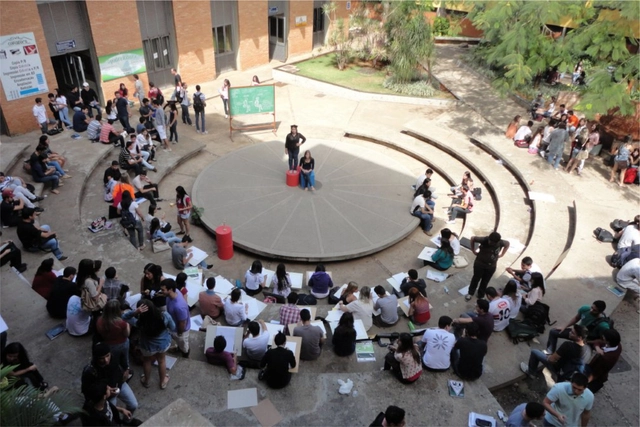
Architecture is one of the oldest professions in the world, with its origins, as we understand them today, dating back to the dawn of humanity. Historically, however, architectural education was initially passed down collectively through oral traditions and practical, hands-on learning from one generation to the next. With the rise of Fine Arts schools and universities, this training became institutionalized and evolved into the academic models we know today.
Another year draws to a close, and with it comes another list reviewing the most memorable moments of the last twelve months. This time, we analyze the photos that garnered the highest engagement (likes, comments, shares, and saves) on ArchDaily Brasil's Instagram.
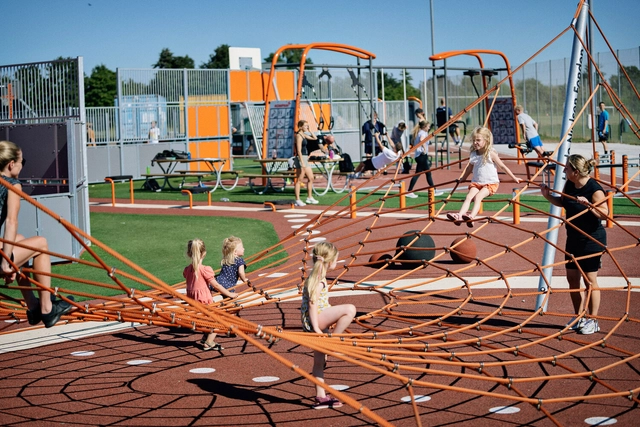
Play, as a human activity, is a multidimensional practice: it stems from biology, is socially transmitted, and is situated within the architectural realm. Within this interrelation, while play introduces dynamics and narratives that invite us to explore alternative ways of inhabiting the world, architectural projects provide the physical and sensory support needed to unlock these possibilities, with play structures serving as the medium connecting the two. Consequently, a defining relationship emerges between play, the built environment, and its evolution over time.
https://www.archdaily.com/1080015/architecture-and-play-structures-how-are-play-spaces-evolving-in-urban-environmentsEnrique Tovar
Mercado Urbano Tobalaba / Territoria. Image Cortesía de MUT
The Urban Land Institute (ULI), a nonprofit research and education organization dedicated to real estate and land use, announced on June 24 the ten winning projects of its 2025 ULI Americas Awards for Excellence. The awards recognize excellence in the architecture and design of urban projects, with a particular focus on their comprehensive execution, from planning to operation, including their social, environmental, and economic impact.
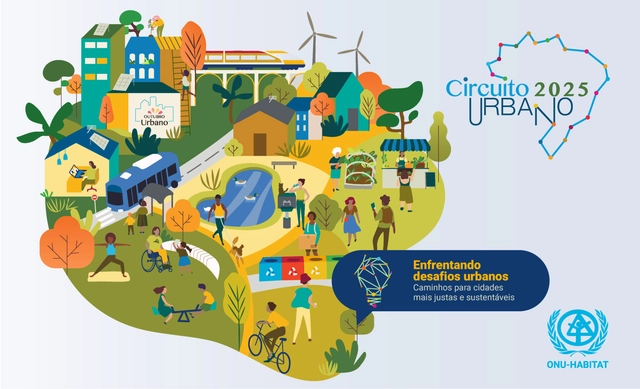
What are the main solutions applied in cities to address urban challenges and build more sustainable communities? Driven by this question, the United Nations Human Settlements Programme (UN-Habitat) is opening registrations this Wednesday (25) for the 2025 Urban Circuit. With institutional support from the Ministry of Cities, the initiative aims to support and give visibility to events discussing themes related to Urban October—a month dedicated to debating how to make cities more just, inclusive, and sustainable. The call for event proposals is open until July 18 and covers activities to be held between October 1 and 31, 2025.
This year, the Urban Circuit's theme will be "Facing urban challenges: pathways to just and sustainable cities." The initiative invites events that present experiences and best practices in addressing major urban crises, such as climate change, housing deficits, and the impacts of inequality. The goal is to strengthen initiatives that place people at the center of urban decision-making, in alignment with the commitments of the 2030 Agenda and the New Urban Agenda.
https://www.archdaily.com/1080004/un-habitat-opens-event-registration-for-the-2025-urban-circuitArchDaily Team
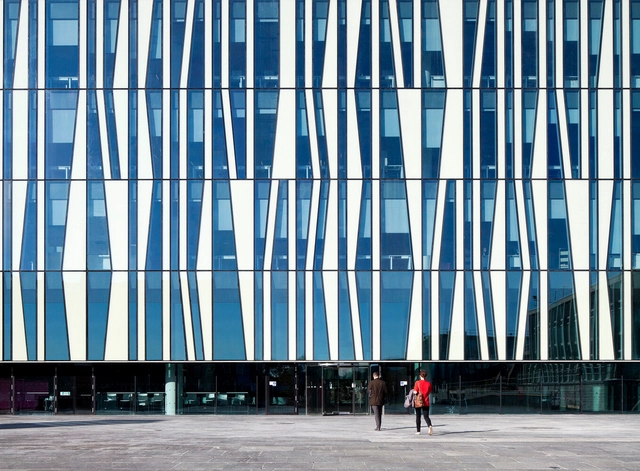
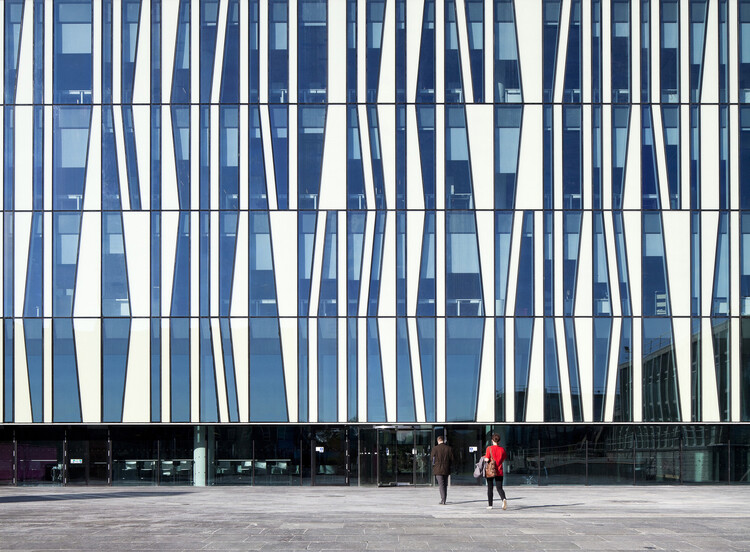
University of Aberdeen New Library / schmidt hammer lassen architects. Photo courtesy of Schmidt Hammer Lassen Architects
Contrast can be widely used in architecture as a tool to highlight what we want to showcase. Do we want to emphasize an entrance? Make the project stand out from its surroundings? Turn our architecture into a landmark in the urban—or rural—landscape? Do we need to create symbolism? Ensure legibility? How do we achieve this? How do we "shine a light" on something?
Whatever we want to highlight is amplified through comparison—by means of an exaggerated, antagonistic contrast. Intentionally, we can intensify the use of darkness to emphasize a single light source, framing a staircase in a dramatic and theatrical way. Or we can introduce solid, opaque walls to make a light, transparent entrance stand out.
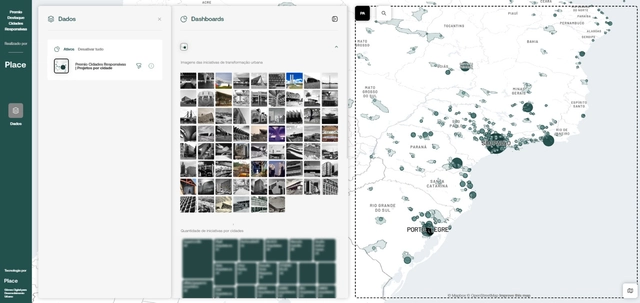
The Urban Initiatives Map, created by OSPA Place in partnership with the Responsive Cities Institute, is a free, collaborative mapping platform showcasing urban transformation projects driven by innovation, technology, and citizen participation. The initiative aims to identify, highlight, and give visibility to transformative urban experiences; inspire other cities with open innovation models; strengthen collaborative networks among public, private, academic, and civil society stakeholders; and share solutions that have a real impact on the population.
https://www.archdaily.com/1079997/map-of-urban-initiatives-applications-openArchDaily Team