Subscriber Access

History of Brazilian railway heritage

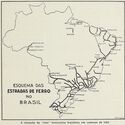
As one of the primary modes of transport in history, rail transportation has helped move people, raw materials, and products since the Industrial Revolution. Widely used throughout the world, railways had their first trial in Brazil during the 1850s in Rio de Janeiro, expanding across the territory until they were gradually phased out over time. Today, we face a major challenge in keeping their memory alive. 
History of Brazilian railway heritage - Image 2 of 7History of Brazilian railway heritage - Image 3 of 7History of Brazilian railway heritage - Image 4 of 7History of Brazilian railway heritage - Image 5 of 7History of Brazilian railway heritage - More Images+ 2

During the mid-20th century, driven by administrations like that of Juscelino Kubitschek, highway development took center stage in Brazil's territorial expansion. Investment in the construction of major highways, alongside incentives for the automotive industry, established road transport as Brazil's primary transit method, carrying both passengers and cargo. The Brazilian government's heavy reliance on highway infrastructure nearly crippled other modes of transport, such as rail. 

Content Loader

Image gallery

See allShow less
About this author
Cite: Martino, Giovana. "History of Brazilian railway heritage" [História do patrimônio ferroviário brasileiro ] 08 Jan 2022. ArchDaily. (Trans. Romullo Baratto) Accessed . <https://www.archdaily.com/1128270/history-of-brazilian-railway-heritage> ISSN 0719-8884
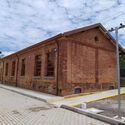
Restoration of the Campo Grande Railway Station in Vila de Paranapiacaba / Contemporanea Paulista. Image © Leo Giantomassi

巴西铁路遗产的历史

是否

You've started following your first account!

Did you know?

You'll now receive updates based on what you follow! Personalize your stream and start following your favorite authors, offices and users.