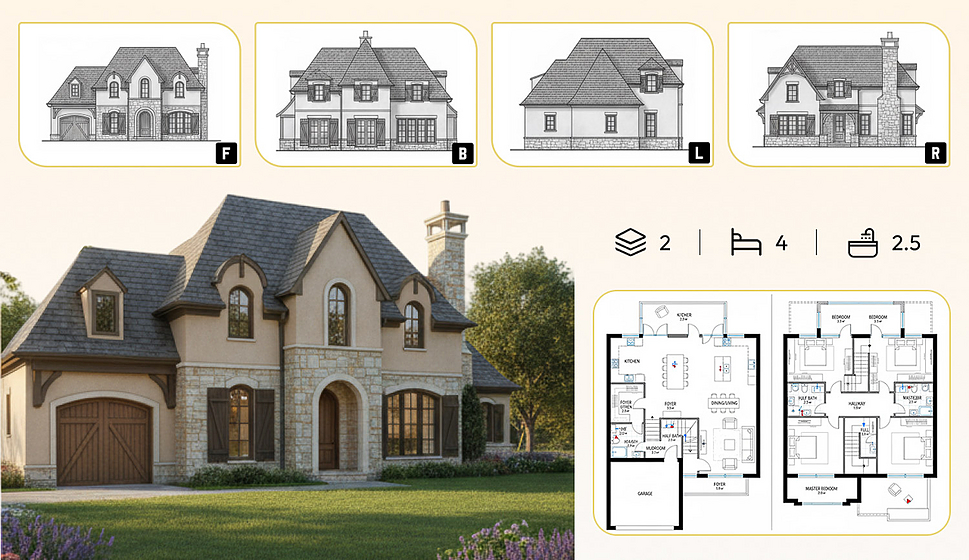
This guide covers a workflow that moves from project parameters to generated floor plans, 3D perspective views, exterior design exploration, and site context visualization, using AI tools in place of preliminary CAD and rendering work.
This guide covers a workflow that moves from project parameters to generated floor plans, 3D perspective views, exterior design exploration, and site context visualization, using AI tools in place of preliminary CAD and rendering work.
.jpg?1591226080&format=webp&width=640&height=580)

In a conversation for the third edition of Revista CLEA—an annual publication of the Latin American Coordinator of Architecture Students (CLEA)—Ecuadorian architect María Augusta Hermida explores the capacity to decolonize spaces and cities today.
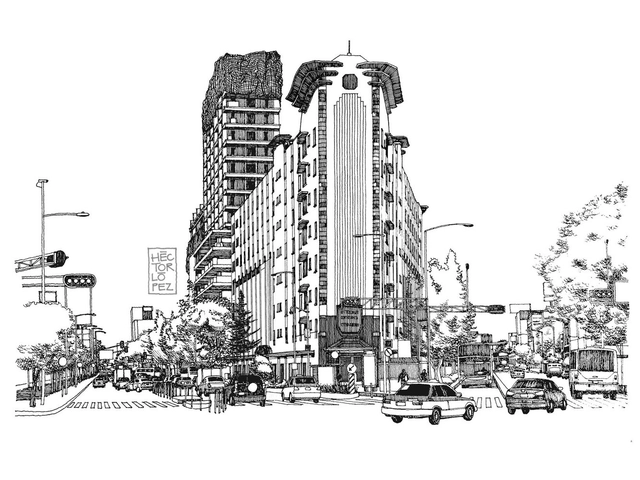
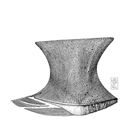
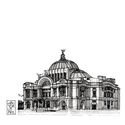
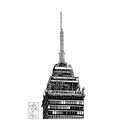
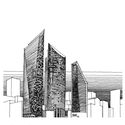
Croquis CDMX is an initiative led by Héctor López, founded eight years ago to foster and strengthen the connections between the eye, the brain, and the hand. The project seeks to portray life in Mexico City through freehand sketches. While architectural education is geared toward training professionals to design and construct buildings, Héctor—who studied at the Faculty of Architecture of the National Autonomous University of Mexico—views university education as “the axis of all elements: I already knew how to draw, and in school I became interested in construction, history, and theory. That was where drawing became disciplined. I would encourage students to draw, regardless of whether they think they can or not, because you discover things that you don't understand when drawing with software.”

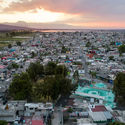
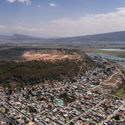
At the same rate that the real estate development industry aggressively intervened in the most favorable areas of the city valley—backed by state approvals and concessions, supported by massive banking resources, and employing top individual talent trained at public universities—popular settlement neighborhoods grew proportionally across complex topographies, receiving minimal institutional support, completely devoid of financial backing, and with negligible, residual, if not non-existent, technical assistance.
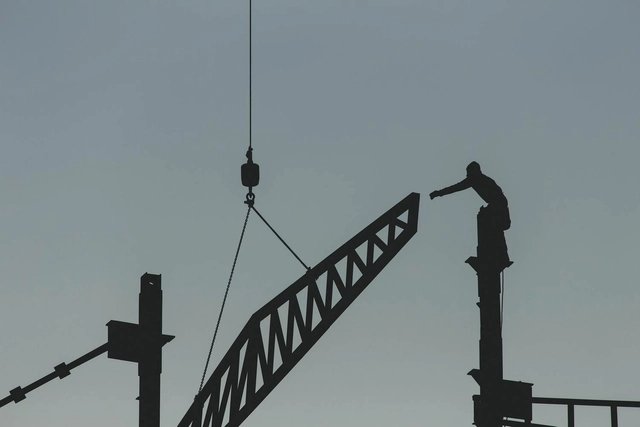
The Inter-American Development Bank (IDB) recently published a practical guide for sustainable buildings, public spaces, and construction sites in Brazil. Authored by Esperanza González-Mahecha, Livia Minoja, Lucas Rosse Caldas, and Clémentine Tribouillard, the publication aims to simplify access for public and private managers to practical information on how to incorporate sustainability elements into projects, whether buildings (such as housing or public facilities) or public spaces.
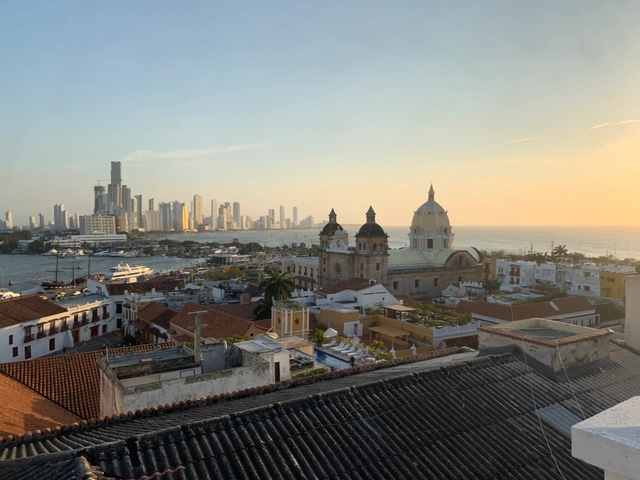
When we visit an urban destination—or perhaps a rural one as well—can we truly say we know it? A brief vacation in a tourist destination might give us an impression of what a place "is." However, this is a far cry from reality, as tourism has always manipulated the impression left on visitors, obscuring the actual lived experience of the place.
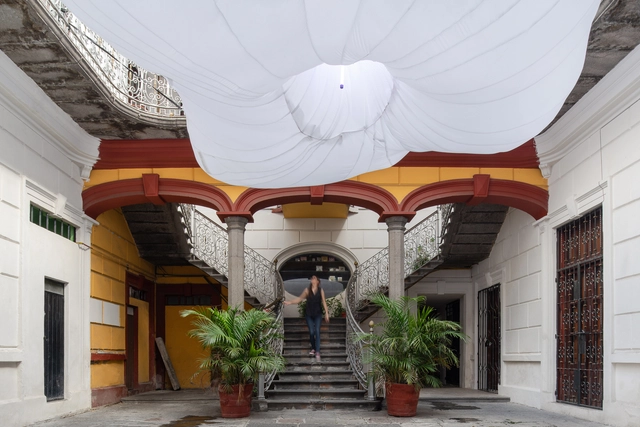
The city of Puebla, located in the central highlands of Mexico, is particularly well-known for its street layout and its predominantly Baroque architecture. A UNESCO World Heritage Site since 1987, it hosts a broad cultural dynamic centered on the preservation of built heritage and its appreciation from afar, as if it were a museum piece. Consequently, on our daily commutes, we notice the monumentality of its facades, while most often overlooking what lies behind the large wooden doors: what we have called “the heart of the Poblano home.”
The student collective Post_Arq from the Leopoldo Rother Architecture Museum at the Universidad Nacional de Colombia has shared with us an interview with Sebastián Serna Hosie, a Bogotá-based architect and member of Taller de (S) and Ciudad Isla. This is part of a series featuring seven Colombian architects, including prominent figures such as Santiago Pradilla, Lorenzo Castro, and Fernando de la Carrera, whose interviews will be released on their channel.
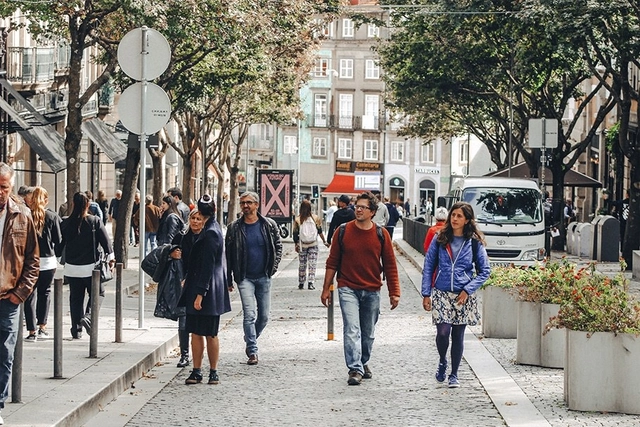
Street safety goes far beyond policing and lighting. While these factors may be important in certain contexts, community engagement and building social capital are key to making cities safer. “Feeling safe is crucial for people to embrace urban space,” says Jan Gehl.
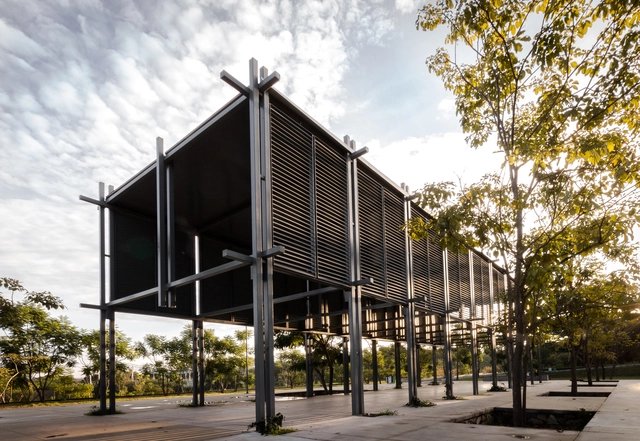
During October of this year, the Photography and Architectural Image Workshop took place, aiming to introduce students from the University Center of Art, Architecture, and Design (CUAAD) of the University of Guadalajara to photography. This approach ranged from the retrospective analysis of the image and shooting with digital or analog tools to an introduction to the basics of post-production. Through the perspectives of various guest speakers and practical exercises, students had the opportunity to develop the sensitivity to enter the world of photography. The workshop instructors were César Béjar, Misael Covarrubias, Rafael Palacios, Carlos Irigoyen, AVEH Estudio, Ernesto Gutiérrez, Joel Alavez, and Daniel Mendoza. Read on to see the results.

Lockdown and preventive isolation have exposed the obsolescence of models that fail to meet contemporary needs, whether in housing, public space, or rural areas. The Colombian Society of Architects took action, bringing together its regional representatives and professionals from other related fields to rethink social behavior within territories, cities, and housing.
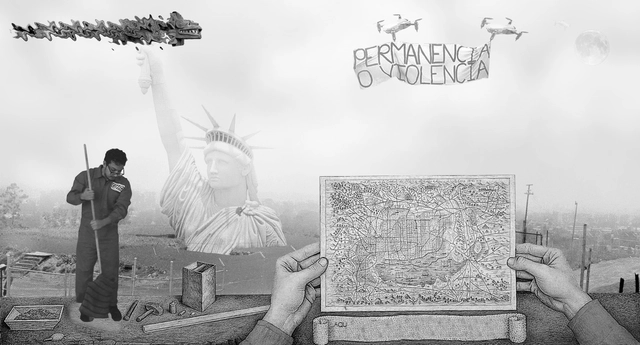
As part of an initiative by ArchDaily and the Abierto Mexicano de Diseño, a call for entries was launched this year, inviting architects, urban planners, landscape designers, industrial designers, graphic designers, floral designers, and any creative discipline that understands public space as a place for fostering collaborative encounters in cities. Published in September, the call sought unpublished or previously published projects in the form of written essays, research papers, visual essays, lectures, or other digital communication formats that offered a personal or collective reflection aligned with the theme 'Public Space.'

As part of the 2020 program, and inspired by MUTEK Montreal’s Edition 21—which aligned two network cities in a simultaneous edition and used virtual convergence to expand activities and connect global digital art communities—comes the joint MUTEK MX & MUTEK JP Edition 17+5, featuring a series of hybrid events.
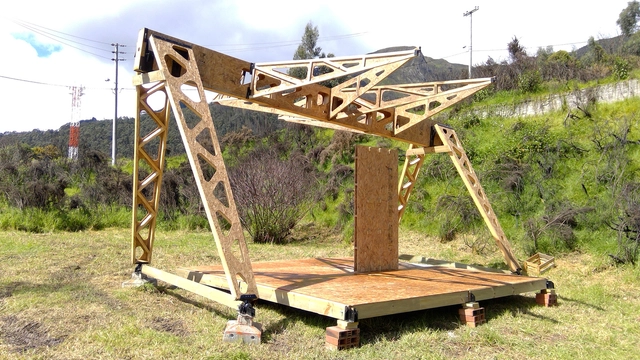
The Superintendency of Industry and Commerce has granted a utility patent for the invention "Multifunctional Self-Supporting Modular Roof System" to professors Camilo Ayala García and Christiaan Job Nieman Janssen, from the design department, and Diego Alejandro Velándia Rayo, from the architecture department, at the Faculty of Architecture and Design of the Universidad de los Andes.
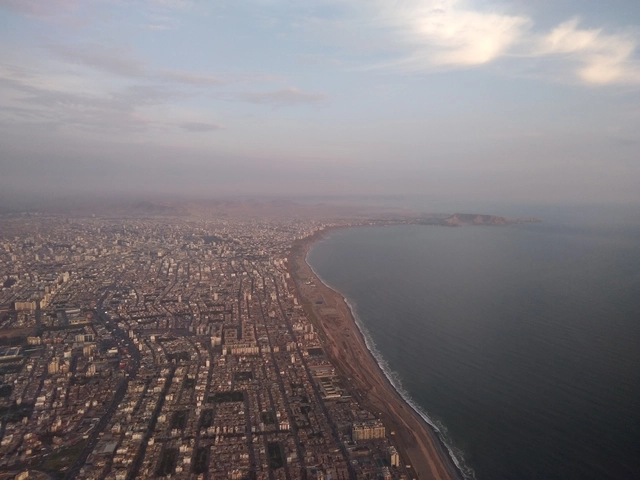
After the state of emergency, nothing will return to the way it was. At that point, public and private spaces will routinely be occupied in ways that prevent transmission of a still-active virus. However, just as this situation has forced us to recognize our deficient healthcare system, it has also revealed how inadequate the spaces we inhabit often are.

When reality demands complex and unprecedented answers from us, one of the most interesting methods to find them is biomimicry, which consists of asking nature questions in search of inspiration. In this light, it is worth asking: how does nature deal with emergency situations where an organism's behavior must be quickly modified?
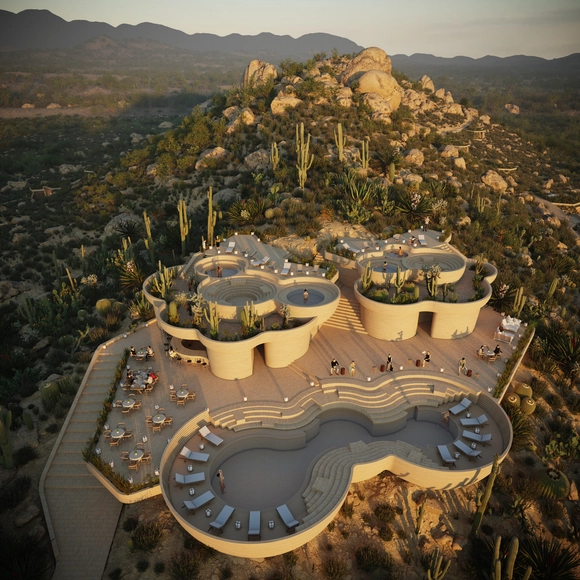
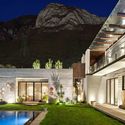
Rojkind Arquitectos + AmasA Estudio present a new project on a site named "Tres Cerritos" in Valle de Guadalupe, part of the wine route in the Francisco Zarco district of Ensenada, Baja California. The project arises from an understanding of nature's value and its historical use as a sanctuary and refuge, creating a hospitality concept that reconnects the visitor with the environment.
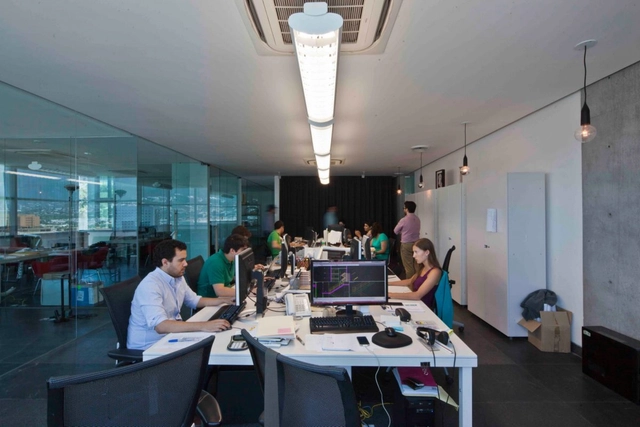
Mexico's National Social Distancing Campaign began on March 23, 2020. However, a couple of weeks prior—even in the face of the federal government's recommendation to continue normal activities—social media users were already opting to mirror the European model and self-isolate. Architecture firms immediately began closing their physical spaces to transition to remote work, though for others, the shift took several weeks. Yet, this period of social and physical (spatial) distancing is experienced differently in every household. Over the months of this pandemic, we have witnessed not only the inequities in access to basic needs in dense urban areas, but also the fragility of the social order itself. Whether at a macro or micro scale, all of these experiences occur within and are shaped by the built environment, positioning architecture as both an active participant and a critical arbiter in this equation.
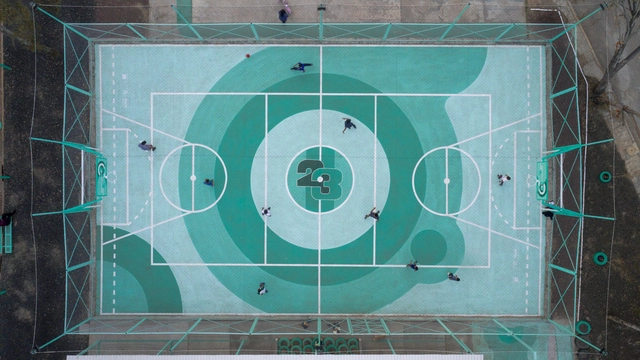
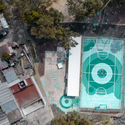
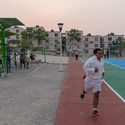
The “Xico-Parque Sur 23” project by the Mexican firm All Arquitectura grew out of the success of “Cancha La Doce,” which was developed in collaboration with love.fútbol and sponsored by the Pincus Family Foundation. Drawing on insights gained from previous projects on-site, the design and research process built upon an existing understanding of local needs and opportunities.
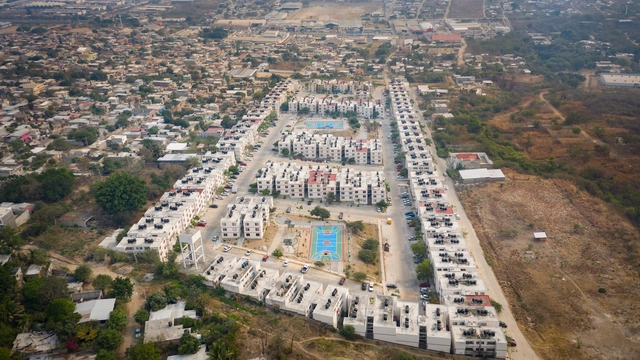
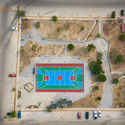
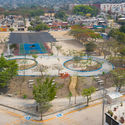
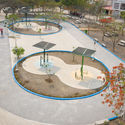
As part of an initiative by Infonavit to drive the recovery of three neighborhood parks in the city of Tuxtla Gutiérrez, Chiapas—“San Juan,” “Las Torres,” and “Canteras”—these housing developments lacked efficient infrastructure, resulting in a deteriorated urban image, high crime rates, and a complete lack of community ownership over public spaces. In response, T+E Arquitectos and Fracciona Arquitectura joined forces to transform these spaces, addressing the distinct requirements of each site.
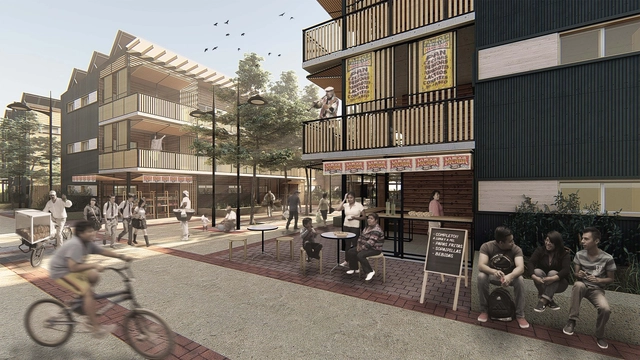
Designed and built by the team from Universidad Mayor, a sustainable social housing project featuring productive and commercial spaces was named the winner of Construye Solar 2019, the third edition of the Chilean competition organized by Ruta Solar.

The winners of the "Sustainable Urban Housing" National Ideas and Master Plan Competition have been announced. Promoted by the Municipality of Mendoza (Argentina) and organized by the provincial Association of Architects (CAMZA), the call invited professionals from across the country to reflect on **ways of inhabiting the contemporary city** through the development of ideas for a Master Plan and a preliminary architectural design for housing units. The sites considered in the competition—an urban sector of more than 13,000 square meters—are remnants of railroad lands that, over time, have transformed into urban voids, remaining as vacant areas within the consolidated fabric of the city.

Jointly developed by China Resources Land and Shanghai Land Group, with architectural design by KPF, the Lujiazui Riverfront Center is nearing completion. Located along the Huangpu River within Shanghai's Lujiazui waterfront district, the project spans a total gross floor area of 200,000 square meters. Eight small-scale, standalone commercial buildings run parallel to the shoreline, reshaping the waterfront skyline with staggered heights. Inside the cluster, a network of pedestrian paths and axes links the internal plazas and surrounding buildings, integrating with neighboring historic structures to establish a strong dialogue with the broader urban design.
Characterized by its low-density layout, the development features specialty retail, shared conference spaces, sunken plazas, and rooftop gardens. By connecting with nearby luxury hotels, art venues, and high-end residences—all within walking distance—it creates a 24-hour elite lifestyle hub, establishing Shanghai's first workplace that seamlessly integrates garden-style offices with the Lujiazui CBD. Additionally, the project features a generous 4.5-meter floor-to-floor height, yielding a clear height of 3 meters for standard floors and 3.5 meters for executive floors. In terms of floor plate design, the column-free interior spaces offer unobstructed, panoramic views of the Huangpu River.
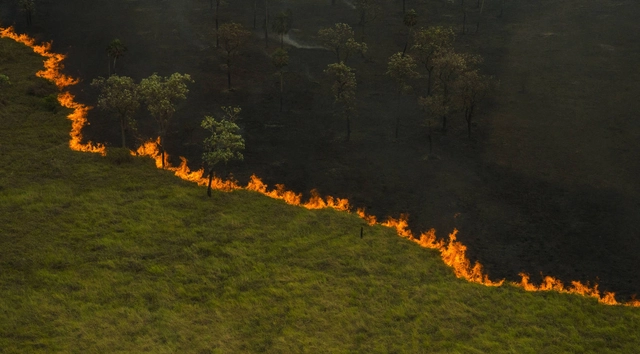
Podcasts are a relatively recent medium in Brazil, but they are on the rise and growing rapidly in popularity. A survey by the Deezer platform showed that podcast consumption in Brazil grew by 67% in 2019. Far from a passing fad, this format is being used for entertainment, information, and even as a pedagogical resource for educators.
Among the wide variety of topics available, many shows have fostered debates about the environment, especially regarding the Amazon—considered one of humanity's most valuable natural heritages and the largest natural reserve on the planet.
.jpg?1600432189 "© Shutterstock")



In its 6th edition, Open House Porto (OHP) welcomes the city of Maia, which joins Matosinhos, Porto, and Vila Nova de Gaia for the major annual architecture festival organized by Casa da Arquitectura – Portuguese Centre for Architecture. To inform and guide visitors, applications to recruit 400 volunteers are open until April 20.