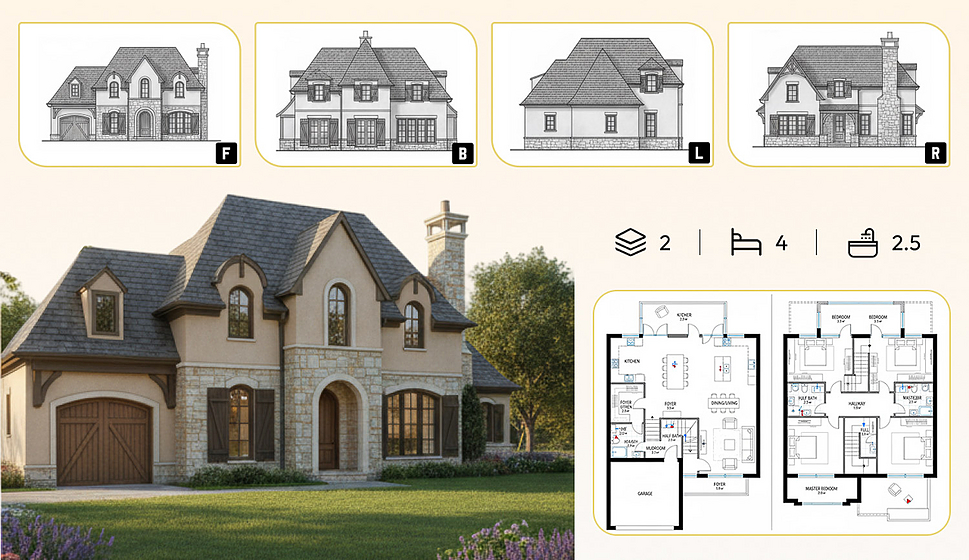
This guide covers a workflow that moves from project parameters to generated floor plans, 3D perspective views, exterior design exploration, and site context visualization, using AI tools in place of preliminary CAD and rendering work.
This guide covers a workflow that moves from project parameters to generated floor plans, 3D perspective views, exterior design exploration, and site context visualization, using AI tools in place of preliminary CAD and rendering work.
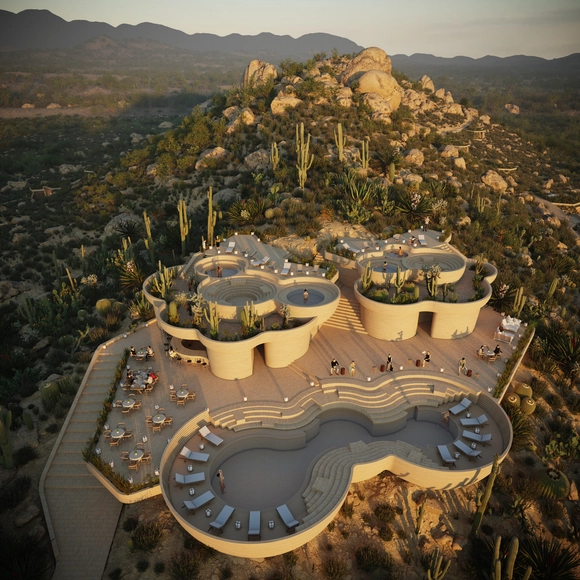
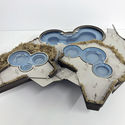
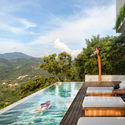
Rojkind Arquitectos + AmasA Estudio present a new project on a site named "Tres Cerritos" in Valle de Guadalupe, part of the wine route in the Francisco Zarco district of Ensenada, Baja California. The project arises from an understanding of nature's value and its historical use as a sanctuary and refuge, creating a hospitality concept that reconnects the visitor with the environment.
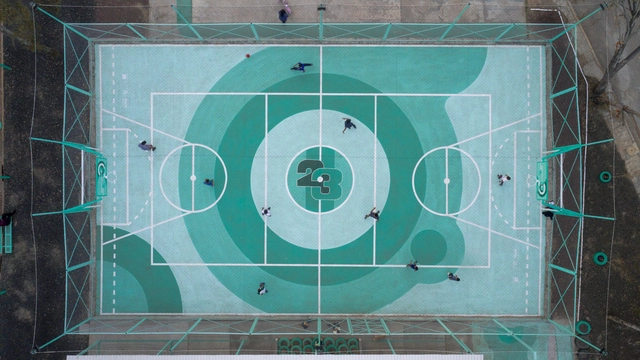
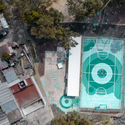
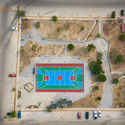
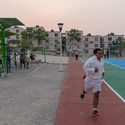
The “Xico-Parque Sur 23” project by the Mexican firm All Arquitectura grew out of the success of “Cancha La Doce,” which was developed in collaboration with love.fútbol and sponsored by the Pincus Family Foundation. Drawing on insights gained from previous projects on-site, the design and research process built upon an existing understanding of local needs and opportunities.
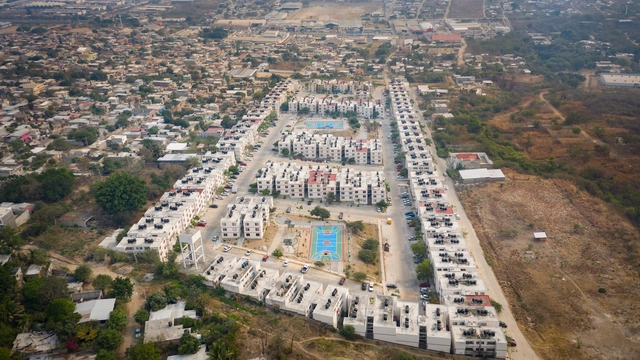
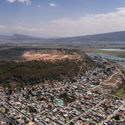
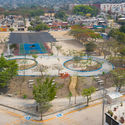
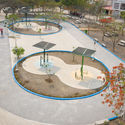
As part of an initiative by Infonavit to drive the recovery of three neighborhood parks in the city of Tuxtla Gutiérrez, Chiapas—“San Juan,” “Las Torres,” and “Canteras”—these housing developments lacked efficient infrastructure, resulting in a deteriorated urban image, high crime rates, and a complete lack of community ownership over public spaces. In response, T+E Arquitectos and Fracciona Arquitectura joined forces to transform these spaces, addressing the distinct requirements of each site.
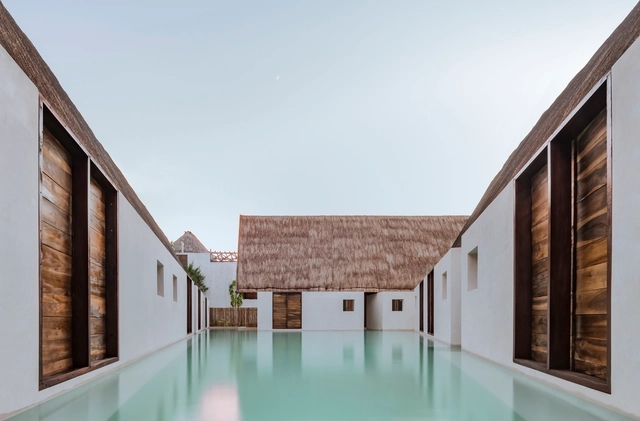
One of the most important factors in design is the site's specific climate. This can pose a challenge in extreme weather, where insulating materials are required to adapt to changing conditions. However, in the case of Mexico and its privileged climate, this factor works to the architects' advantage, allowing them to create microclimates and spaces that blur the transition between indoors and outdoors.
In the daily routine of our conventional workday, we are influenced by many distractions that affect productivity, which have already become routine. However, now that we no longer lose time commuting and are restricted to activities we can do at home, we manage our time with more holistic priorities.
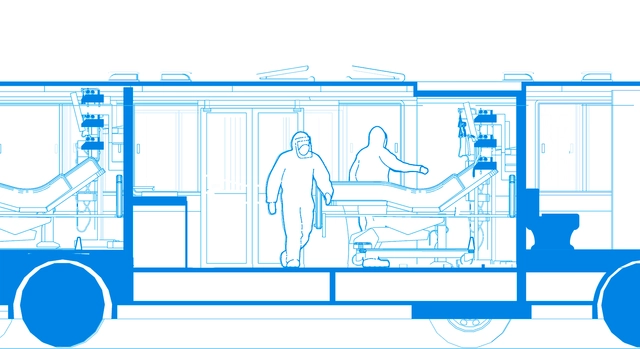
The Bogotá-based firm 57Uno focuses its practice on sustainability and has now channeled its creativity toward resilience and adaptability through Arquitectura en Tránsito (Architecture in Transit). This proposal aims to address the health emergency caused by COVID-19 by repurposing decommissioned buses from one of the primary contributors to poor air quality in the Colombian capital.

This article is part of a collaboration with the website coolhuntermx. It was originally published on February 2, 2020, under the title "Un parque moderno para Guadalajara" and written by David Lozano Díaz.
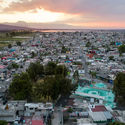
In 1971, architect Fernando González Gortázar, at 29 years of age, was commissioned to build González Gallo Park. This commission served a dual purpose: to commemorate the late former governor José de Jesús González Gallo and to provide a substantial new public space for the developing neighborhoods in eastern Guadalajara.
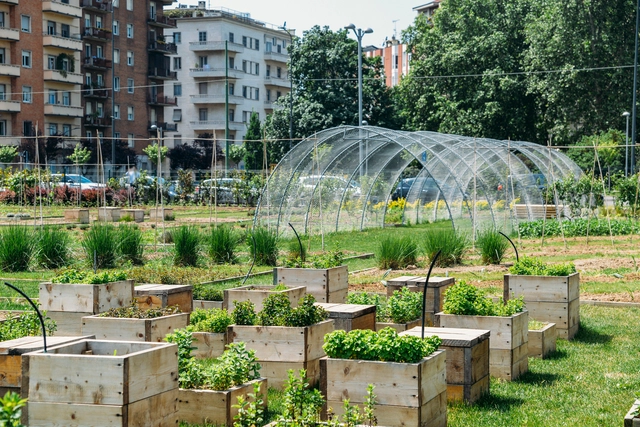
Earlier this month, the Observatory of Innovations for Sustainable Cities was launched. The project aims to gather information, proposals, and concrete examples of municipal initiatives and public policies that help improve people's quality of life and strengthen the environment. The initiative is a partnership between the Ministry of Science, Technology, and Innovations (MCTI), the United Nations Environment Programme (UNEP), and the Center for Strategic Studies and Management (CGEE).
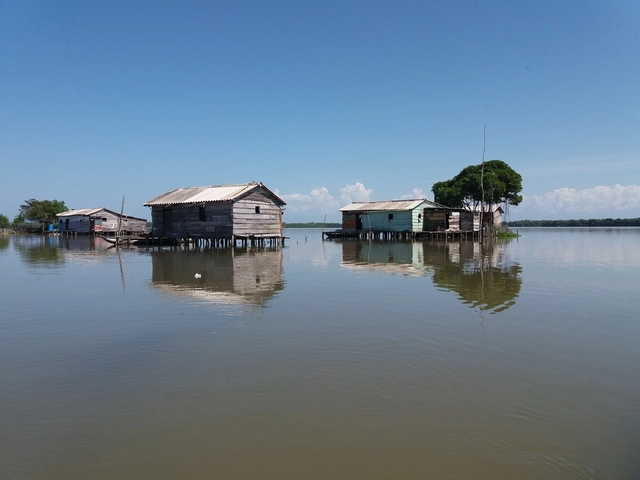
Stilt settlements have existed throughout the world wherever populations sustain their lives through constant interaction with water. In Colombia, the settlements of the Ciénaga Grande de Santa Marta, in the department of Magdalena, are a local benchmark that has endured since pre-Hispanic times. Today, these are informal dwellings, unrecognized in the official land registry. The Pontificia Universidad Javeriana and AGRA have shared their research, compiled in a book that supports the documented formalization of these dwellings using architectural representation standards, specifically by identifying the typologies of Nueva Venecia.
"La Ciudad como Texto" (The City as Text) was the theme of the Arqfilmfest panel discussion, where designer Carola Ureta detailed her project focusing on public space and its transformations: facades, historical figures, and walls serving as a canvas to immortalize the social sentiment following Chile's October 2019 social uprising.
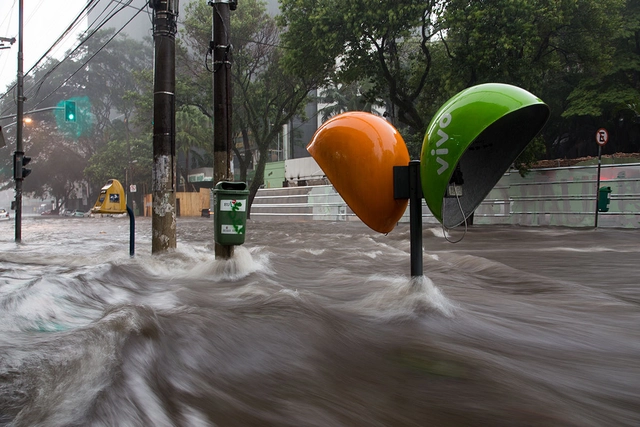
Recent floods in Belo Horizonte and other cities in Minas Gerais have alarmed residents. Videos showing the force of the torrents dragging cars and toppling structures shocked the entire country. This state of emergency was not confined to Minas Gerais. Much of the Southeast faced heavy rains, causing widespread disruption. In Espírito Santo, for instance, more than 5,000 people were forced to leave their homes, while São Paulo was placed on high alert for flooding. Meanwhile, in Rio de Janeiro, an algae bloom in water sources led to the opposite extreme: a water crisis triggered by the poor quality of the water reaching people's taps.
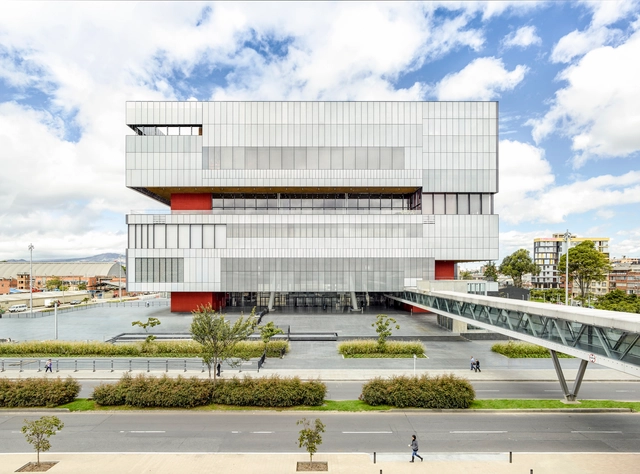
The third generation of the Bogotá-based firm Bermudez Arquitectos spoke with ArchDaily during the quarantine, discussing various aspects of their practice, their contributions to academia, and the challenges of working in a studio with a family legacy. Read the transcript of the Instagram Live below.
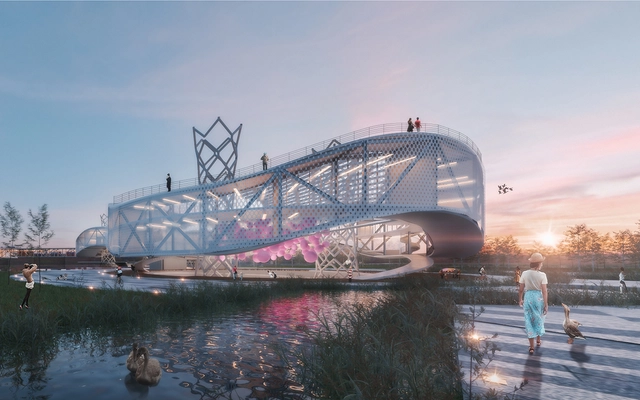
Since 2008, the National Chamber of the Iron and Steel Industry CANACERO has joined forces with the Latin American Steel Association ALACERO through initiatives such as the ALACERO Steel Design Competition for Architecture Students and the CANACERO National Steel Award for Architecture Students, aiming to encourage the use of steel in construction among architecture students in Latin America.

Our jury of experts—meaning you, our readers—have nominated their favorite projects from among nearly 1,000 built works in Latin America and Spain: today, the day has come to meet the finalists of ODA2020!
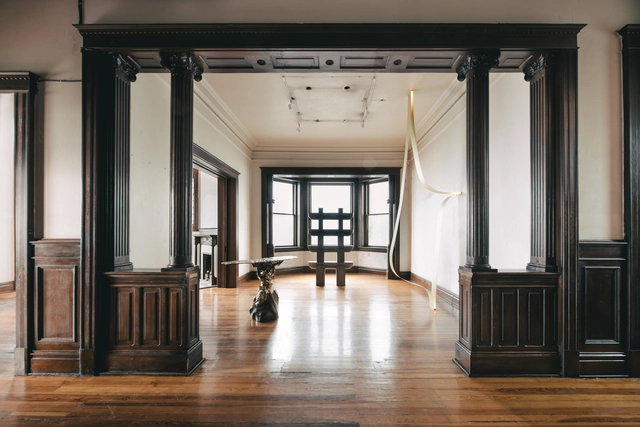
As part of the cultural programming of the Mexico City-based art gallery, MASA presents the exhibition Recover / Uncover, a space featuring unique and limited-edition pieces by designers and artists whose work seeks to challenge labels. In doing so, MASA celebrates contradiction as a reflection of an ongoing process of self-definition and evolution over time, presenting objects as tools for life and contemplation.

In early October, a new space opened in Mexico City under the name Design House at Público Coworking, showcasing a series of interventions that integrate disciplines such as design, architecture, and interior design. Over the past ten years, Design House has presented cutting-edge concepts from more than one hundred participating firms across various venues, collaborating with showrooms on the Design Route (Ruta del Diseño) that provide the pieces and accessories featured in the diverse installations.
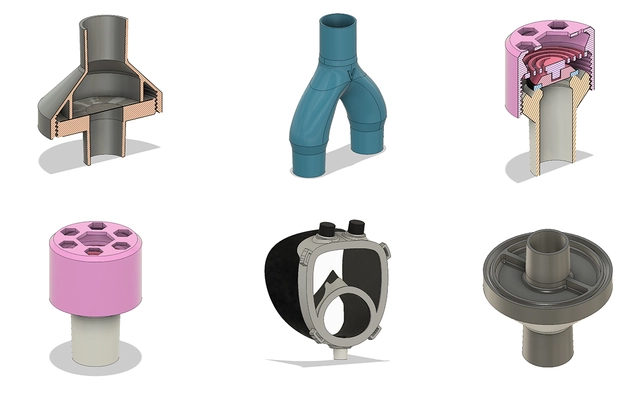
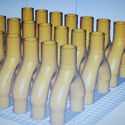
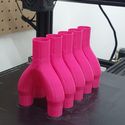
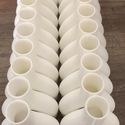
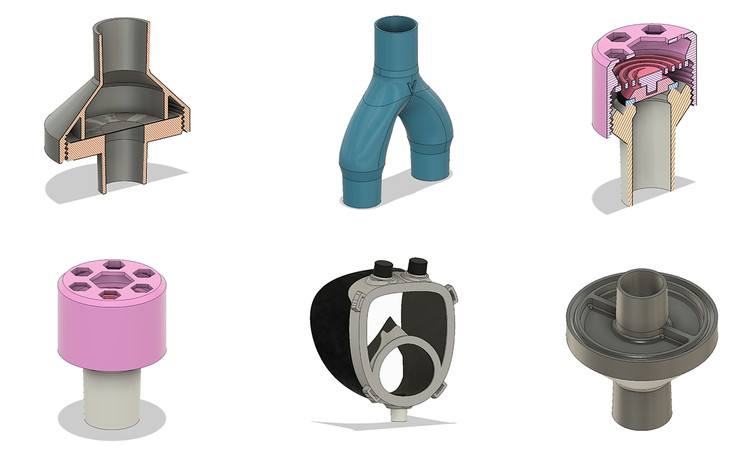
As part of an initiative by Makers México, a group of nearly 300 creative professionals from various fields continues to come together to address the COVID-19 pandemic. Architects such as Juan Carlos Baumgartner and Michel Rojkind, along with designer Ariel Rojo, have joined this effort to contribute in various ways, creating 3D-printed parts to be donated to hospitals across the country. Currently, they are working on a splitter—which allows two patients to be connected to a single ventilator in the event of a shortage—protective masks for doctors and patients, as well as other components to complement their operation.

The government-mandated lockdowns in response to the COVID-19 pandemic—and, in some cases, the fear of going outside—have recently underscored the value of domestic space, transforming it into the stage for the most evident and characteristic human actions and reactions within a capitalist and patriarchal system.
.jpg?1602156477)
In mid-August, images of a new urban-architectural proposal for downtown Santiago began circulating in the media and on social networks: the preliminary design led by architect Gonzalo Mardones for the MAC Contemporary Art Museum in Parque Forestal.
Despite the potential benefits it aims to deliver, does it capitalize on the opportunity presented by intervening in this area? Does it meet citizens' expectations? Does it foster discussion about its management? Are there other viable alternatives?
Gonzalo Mardones writes to us regarding this.
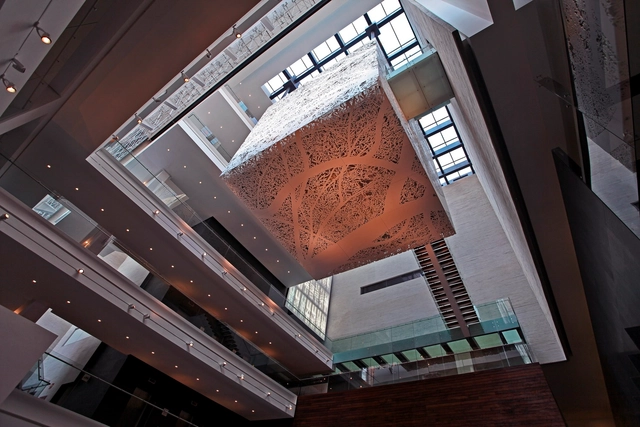
This October 2020, the Memory and Tolerance Museum by Arditti + RDT Architects in the heart of Mexico City marks the tenth anniversary of its founding—a space designed to raise awareness and showcase the terrible consequences of hatred and indifference. Over these ten years, the museum has welcomed 5,000,000 visitors, hosted more than 4,000 free workshops and courses benefiting 470,000 people, generated 1,500,000 scholarships for vulnerable students, and spearheaded countless initiatives that have successfully fostered a culture of peace and tolerance. It has become a national and international benchmark in matters of historical memory and Human Rights—a voice that gives visibility to diverse causes, a bridge for conflict resolution, and an ally to various sectors, including schools, civil associations, institutions, and socially responsible corporations. Above all, it serves the individuals who wish to transform their environment through knowledge, introspection, reflection, and social action.
The student collective Post_Arq from the Leopoldo Rother Architecture Museum at the Universidad Nacional de Colombia has shared this interview with Leonardo Álvarez Yepes. This is part of a series featuring seven Colombian architects, including leading figures such as Sebastían Serna, Santiago Pradilla, Lorenzo Castro, and Fernando de la Carrera, among others, whose interviews will be released on their channel.
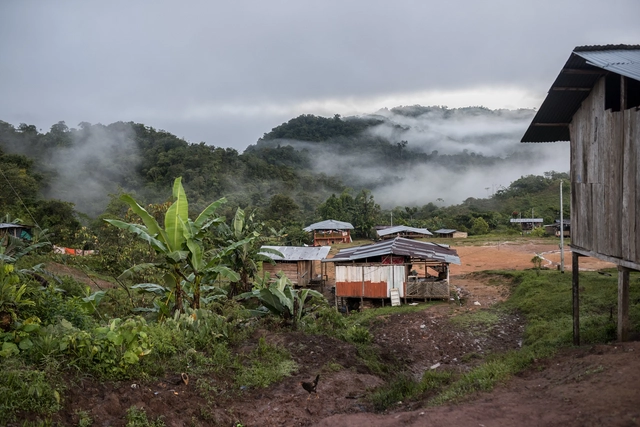
Architectural firms have been deeply questioning the future projections reshaped by lockdown and the new dynamics of how the city and territory are experienced. On this occasion, ruta4 taller from Pereira, Colombia, presents their perspective on how the profession is practiced in the country and their shift toward a more participatory practice for the benefit of local communities. The Pereira-based architecture studio has built exemplary collaborative projects, such as the taller de Urbanautas and the Casa Ensamble Chacarrá, demonstrating through experience that empathetic architecture is a highly viable approach.
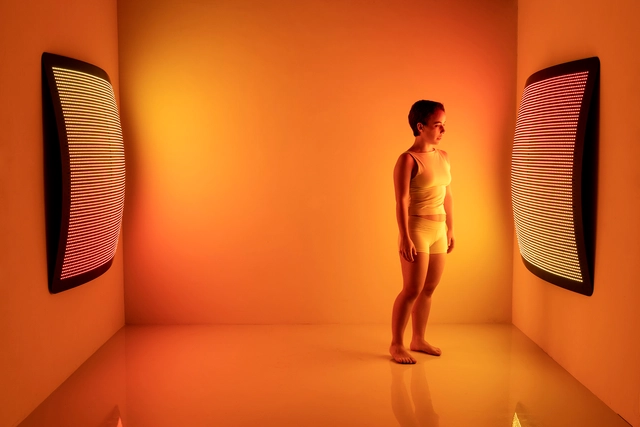
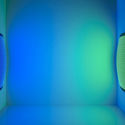
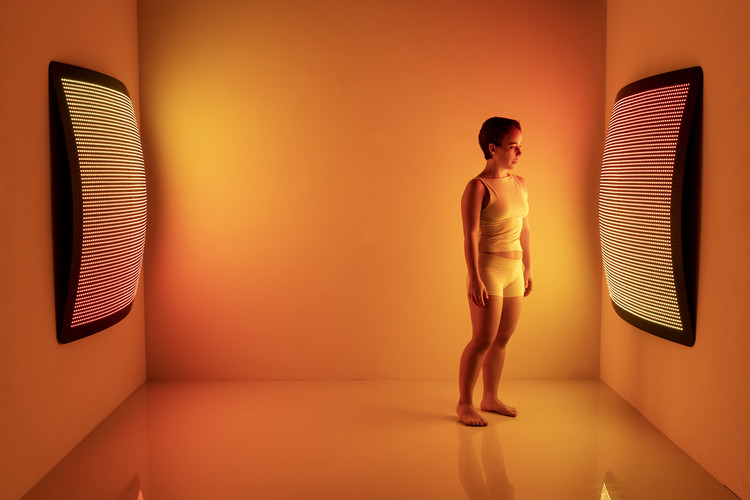
Seeking to design an immersive indoor environmental experience, design studio Aqua Creations created Manta Ray lighting. In this light installation, responsive RGB LED technology mixes red, green, and blue to produce over 16 million different hues. Programmed with a customizable color spectrum, the system is dimmable from 0.1% to 100% brightness and can even load images and videos directly onto its internal memory. This allows users to infuse expressive spaces with dynamic color and movement, or conversely, cultivate a warm, focused atmosphere for private, intimate settings.
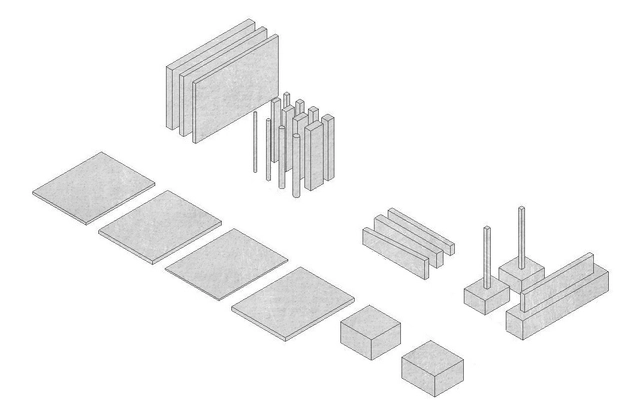
How does BIM incorporate materials like concrete?
BIM, the acronym for Building Information Modeling, utilizes information-rich 3D models to create the built environment and extract the data necessary for the documentation and construction of architectural projects. This is achieved by modeling various components—such as doors, windows, columns, and walls—which together make up an architectural project. Materials, however, are not 3D components in BIM; instead, they are part of the composition of these components. In this article, we will look at how materials behave in BIM, using the products offered by Melón Hormigones as an example.
Any 3D component created in Revit can have a Material parameter. Whether configured in the project or within the specific family, this material contains a series of default, customizable, and modifiable settings to provide technical and graphic data, as well as physical properties, to the 3D component.

We invite you to participate in the 2020 Building of the Year award. In its twelfth edition, we ask you to recognize the projects making the greatest impact on the built environment. By nominating and voting, you are part of an independent and unbiased network that has consistently helped us celebrate architecture of all scales, purposes, and conditions, from countries large and small. There are only a few days left to nominate your favorite project, filtering 1,000 projects down to just 15.
Remember, registered users can nominate their favorite project once a day. Nominations close on Monday, March 23, 2020, at 11:59 PM (GMT-3). Thank you once again for helping us continue to democratize architecture.