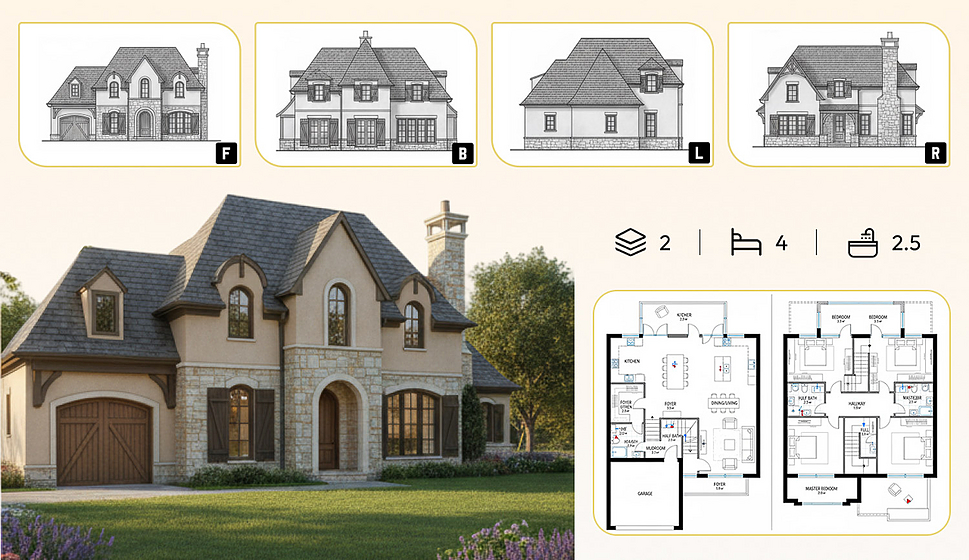
This guide covers a workflow that moves from project parameters to generated floor plans, 3D perspective views, exterior design exploration, and site context visualization, using AI tools in place of preliminary CAD and rendering work.
This guide covers a workflow that moves from project parameters to generated floor plans, 3D perspective views, exterior design exploration, and site context visualization, using AI tools in place of preliminary CAD and rendering work.
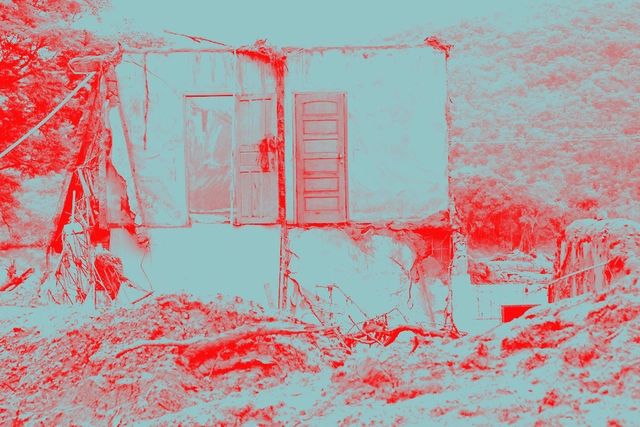
Economic and urban processes are known to drive major modifications in the urban structure. In light of the events of January 25, 2019, with the collapse of the Brumadinho dam, it is clear that environmental negligence by major mining corporations also has the power to produce profound consequences and alter the ways in which people inhabit and utilize the territory.
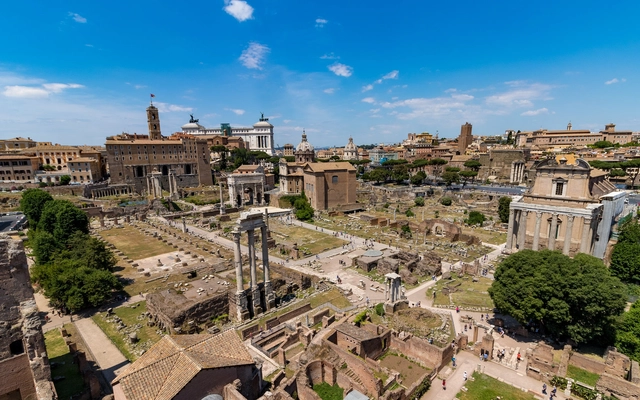
Metropolis is a word derived from the Greek metropolis, a combination of meter (mother or womb) and polis (city). Thus, the metropolis is the mother city, the most important within a context where several interconnected cities depend on one another to fully function. In most cases, metropolises feature conurbations of multiple urban clusters.
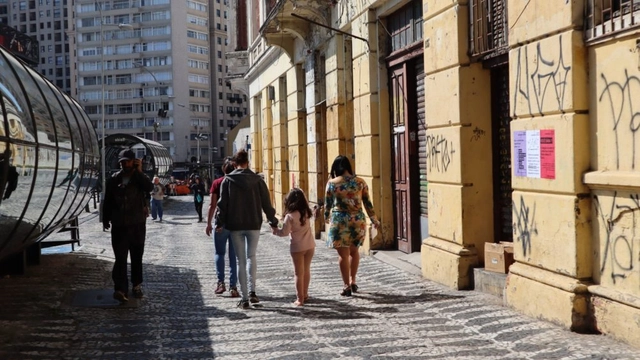
Have you already crossed the street out of fear today? As a woman, what is your greatest fear when walking down the street? How would you feel safer? With the goal of reflecting on how we can plan more egalitarian cities for everyone, the firm amb ateliê, in partnership with architects Fernanda Linero and Beatriz Teixeira, launched this initiative across various neighborhoods in Curitiba. The project ci.da.de; substantivo feminino (city; feminine noun) is part of the 3rd Biennial Architecture Exhibition for Curitiba.
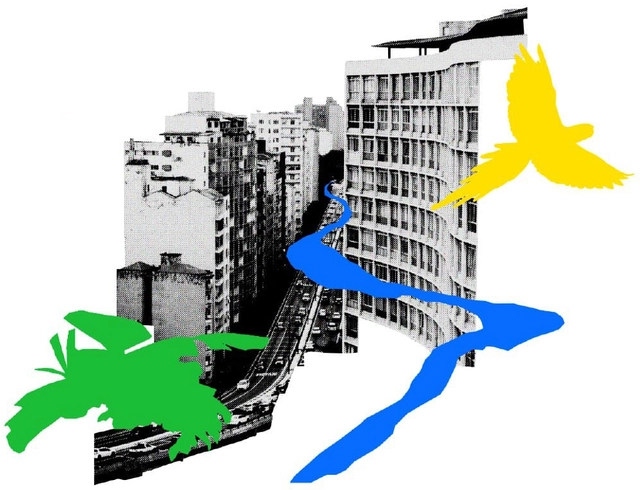
In May of this year, *The Guardian* recommended in its style guide that journalists and contributors heighten their language when discussing climate change or global warming. Now, the British newspaper announced, it is a climate crisis, emergency, or climate breakdown.

The Government of the State of São Paulo has established the Nossa Casa housing program, which aims to stimulate private investment in social interest housing geared toward low-income populations. The program came into effect through Decree No. 64,388 of August 14 of this year.
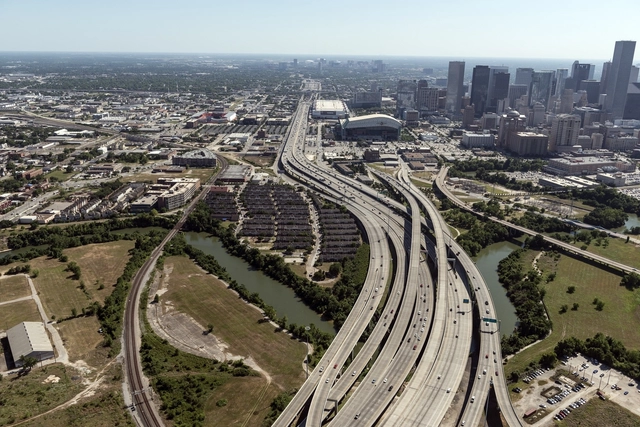
While conventional American urbanism is known to drive excessive sprawl, it is worth remembering that, ultimately, the true extent of a city's horizontal expansion lies far beyond the reach of urban planning controls.

The School of Architecture and Urbanism of the Federal University of Juiz de Fora (UFJF) has announced the results of the national competition for its new headquarters building. The winning team consists of architects Bruno Eduardo Nakaguma Gondo, Carlos Eduardo Murgel Miller, Eduardo Saguas Miller, and Felipe Fuchs, from São Paulo.
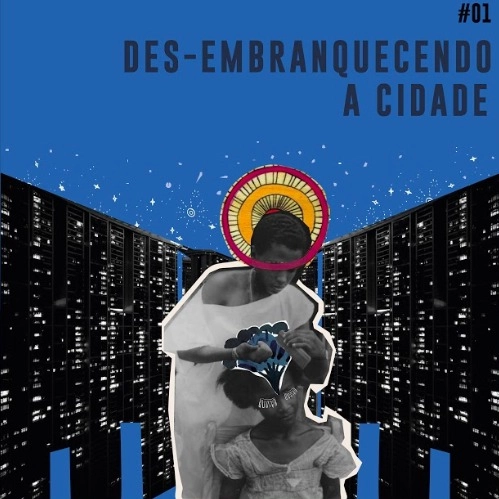
The “De-whitening the City” Podcast is a space invented from the desire of five Black women residing in Salvador, São Paulo, Rio de Janeiro, and Belo Horizonte to circumvent geographic distance in order to foster and celebrate connection. Emmily Leandro, Gabriela Gaia, Luciana Mayrink, Malu de Barros, and Natalia Alves make up the Terra Preta collective, giving shape and voice to this exercise in creating a shared virtual territory—both a political and aesthetic commitment—now made public for the first time.

The Association of Sabesp Engineers (AESabesp) has launched a competition to select the best architectural designs for the future São Paulo Water Museum. The goal is to find the best architectural concepts and alternatives for the restoration and expansion of the former water and sewage department building—currently known as the França Pinto Reservation Center—and the implementation of the cultural venue.
.jpg?1568988710&format=webp&width=640&height=580)
Marked by the intersection and mutual reinforcement of curatorial design and institutional action, the 34th Bienal de São Paulo emphasizes the poetics of “relation” and adopts an innovative operational structure. This framework involves exhibitions and events hosted at the Bienal Pavilion starting in February 2020, in collaboration with a network of more than 20 institutions across São Paulo. Once the Pavilion is fully occupied by the exhibition starting in September 2020, these partner institutions will host, within their own spaces, exhibitions integrated into the 34th Bienal.
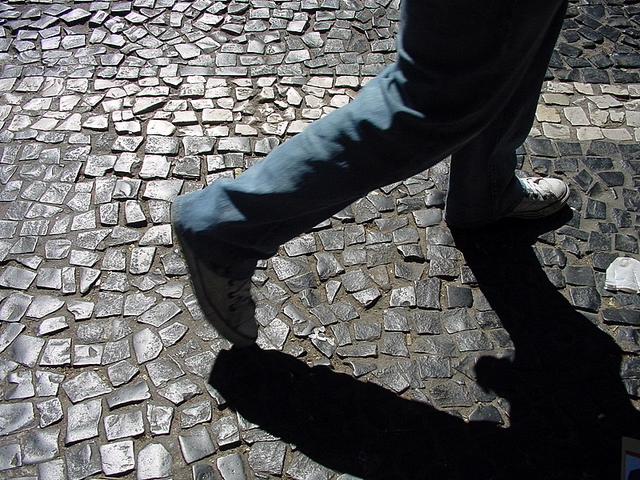
Walking is the simplest, most lightweight, economical, and low-impact way to travel in urban areas, especially for trips under two kilometers. More people walking means a better quality of life for residents and their cities, resulting in reduced government spending on public health. These concepts are universally accepted by urban planners and other contemporary thinkers.

From revitalizing degraded green spaces to hosting collaborative games, events, and workshops, there are numerous volunteer initiatives capable of transforming a city's landscape and the lives of its residents.
In addition to serving as vital forms of social participation, community collectives and volunteer-driven initiatives facilitate dialogue between public authorities and local communities. This collaboration yields numerous benefits, particularly in reshaping how we interact with our cities.

A seven-story residential building collapsed this morning in Fortaleza, Ceará. Located in the upscale neighborhood of Dionísio Torres, the building was over 40 years old and was undergoing renovations. A video recorded yesterday by a resident shows the precarious state of the structure's support columns, with exposed and corroded rebar.

Trains are not the primary mode of transportation in South American countries, whether for cargo or passengers. The rail networks across the continent are poorly connected and, even domestically, are largely outdated or in disrepair. Nevertheless, from an era when transportation relied primarily on rail, beautiful railway stations remain, still serving cargo and passenger trains today.
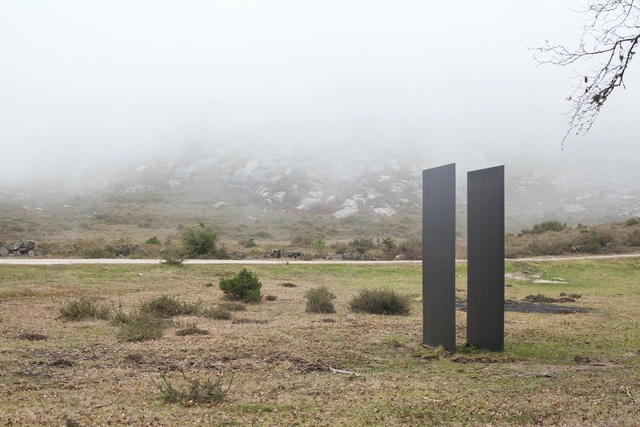
The Alto Minho region in northern Portugal had its landscape transformed by a series of site-specific artistic interventions that were part of the DESENCAMINHARTE program. The initiative aimed to promote artistic creation in the region through a collaborative network designed to foster recognition of its local identity.
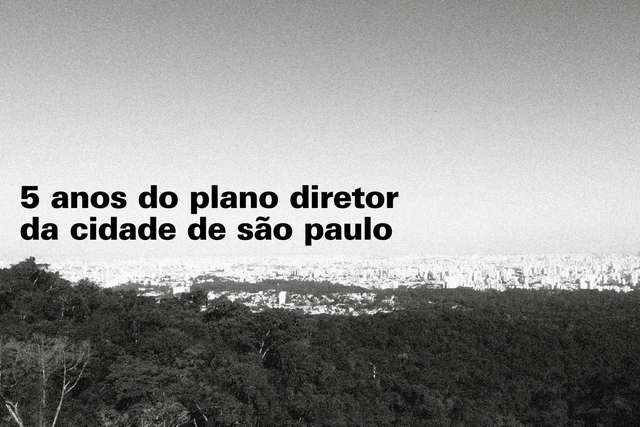
Five years ago, São Paulo approved its Master Plan, a social pact to transform the city by 2029. While a significant portion of the planned actions have been carried out or are currently underway, just as many remain on paper. Assessing this period is essential to achieving the ultimate goal of this entire process: improving the quality of life for its residents, especially those who need it most.
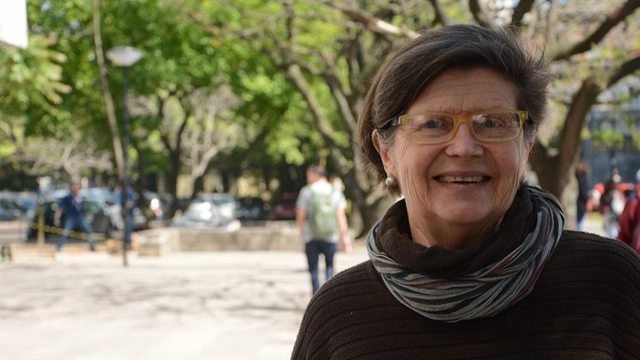
On Wednesday evening, October 9, the late Briane Panitz Bicca—an architect and urban planner from Rio Grande do Sul widely recognized as a leading figure in the preservation of Brazilian historical and cultural heritage—was honored during the opening ceremony of the 21st Brazilian Congress of Architects (CBA).

The formal configuration of open space systems in Brazilian cities—whether qualified or not—derives a significant contribution from private developments, since public urban planning and design have historically been the exception.

The streets of Los Angeles will serve as a testing ground for a new asphalt compound made from recycled plastic. Developed by TechniSoil Industrial, the material incorporates plastic waste that would typically be discarded, mixing it with recycled asphalt reclaimed directly from the streets.

The governor of Espírito Santo, Renato Casagrande, signed a decree this week mandating the installation of solar energy harvesting systems in new state buildings. The law also applies to facilities constructed with state funds transferred to municipalities through agreements, accords, or covenants.
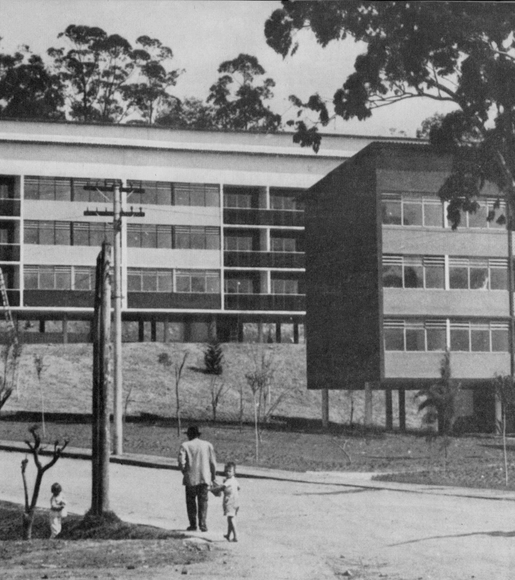
After studying civil engineering at the Escola de Minas de Ouro Preto, Carlos Frederico Ferreira returned to his native city of Rio de Janeiro and enrolled in the Escola Nacional de Belas Artes, graduating in architecture in 1935. In 1939, he was hired by the IAPI as an engineer-architect and soon rose to the position of head of the institute's Engineering Department. By 1943, having overseen the partial completion of the first major housing development, the Conjunto Residencial Operário in Realengo, he was able to begin expanding the model to other locations. The designs for Vila Guiomar in Santo André and Piratininga in Osasco, as well as the apartment building and IAPI Regional Office headquarters in Recife—all designed by him—demonstrate how, through his position, he sought to shape the direction of the institute's future developments.
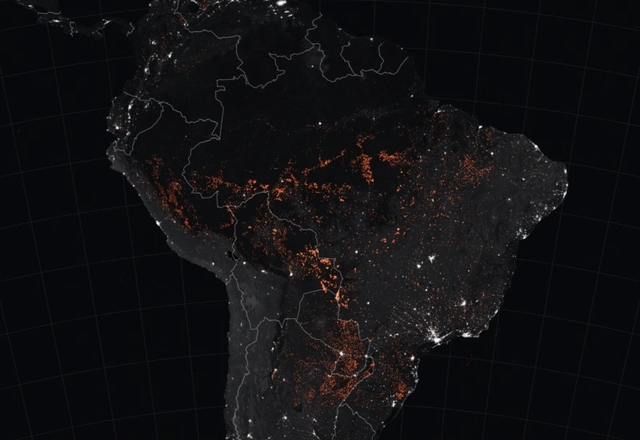
Over the past week, thousands of active fires in the Brazilian Amazon captured global attention in the press and on social media, where the hashtag #PrayForAmazonia was mentioned more than 150,000 times in a single day. But what can satellite data tell us about what is actually happening in Brazil's forests?
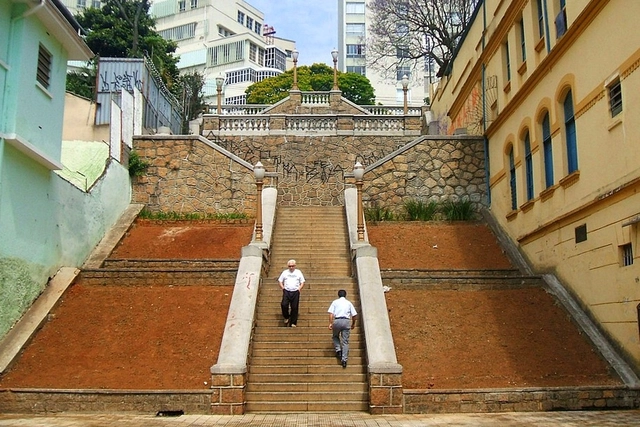
There is no doubt that preserving historical, artistic, and architectural heritage is a fundamental goal for building a just city. It is the right of all citizens, both present and future generations, to know and enjoy our collective memory and culture. However, for this to actually happen, both a discerning eye and a comprehensive vision of the city are essential.
.jpg?1567697293&format=webp&width=640&height=580)
Cities that absorb rainwater and allow it to follow its natural course. It should be simple, yet we chose to channel our waterways, preventing nature from doing its part: absorbing and purifying. For Chinese architect Kongjian Yu, this is the key to solving one of the greatest challenges facing contemporary major urban centers: flooding.
.jpg?1568988664 "Ximena Garrido-Lecca - Insurgencias Botánicas: Phaseolus Lunatus, 2017 | Installation view / Dimensions variable / Photo: Ramiro Chavez")
.jpg?1568988535 "Deana Lawson - Mama Goma, 2014 | 35 x 45 in (99 x 114.3 cm) / Courtesy of the artist")
.jpg?1568988594 "Clara Ianni - Free Form, 2013 | video (b&w, sound), 7’14’’ / Courtesy of the artist")
.jpg?1568988648 "Ximena Garrido-Lecca - Insurgencias Botánicas: Phaseolus Lunatus, 2017 | Installation view / Dimensions variable / Photo: Ramiro Chavez")
.jpg?1568988710)