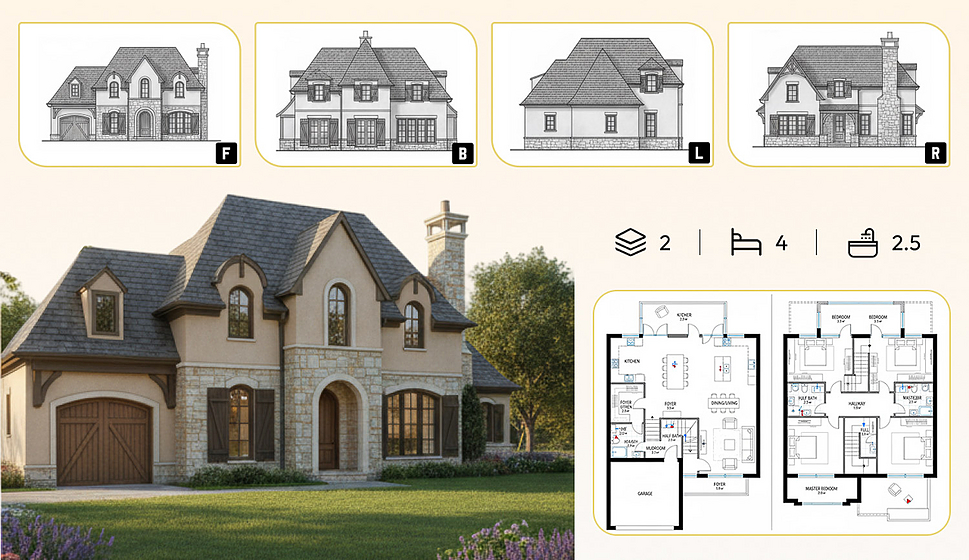
This guide covers a workflow that moves from project parameters to generated floor plans, 3D perspective views, exterior design exploration, and site context visualization, using AI tools in place of preliminary CAD and rendering work.
This guide covers a workflow that moves from project parameters to generated floor plans, 3D perspective views, exterior design exploration, and site context visualization, using AI tools in place of preliminary CAD and rendering work.
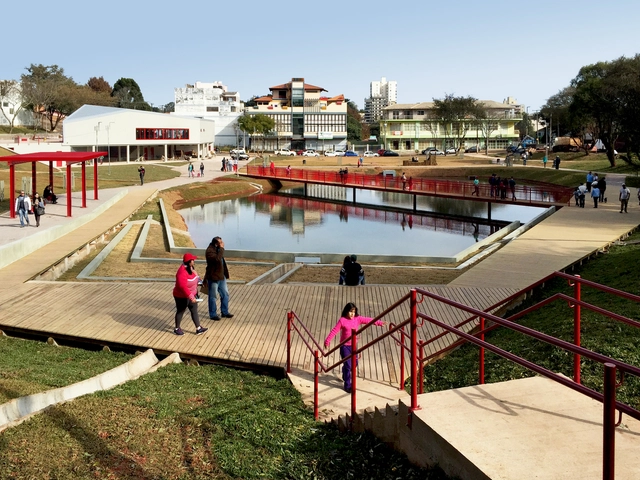
Developed by the Semeia Institute and the United Nations Office for Project Services (UNOPS), Parques para Todas e Todos is a tool to inspire the creation of more diverse spaces by incorporating a gender perspective into the planning and management of urban parks. It offers guidelines, suggestions, and ideas to begin designing parks that address everyone's needs.
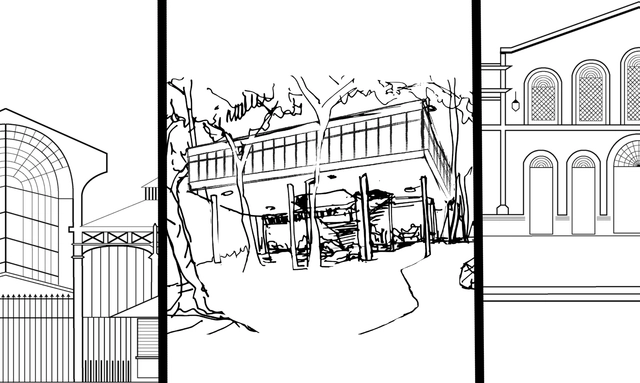
Pé na Estrada is an outreach project of the School of Architecture and Urbanism at the University of Brasília, active since 2011 as an extracurricular activity. Its primary goal is to organize and promote study trips across Brazilian cities. However, due to the COVID-19 pandemic, the project had to adapt to social distancing, launching new heritage education initiatives and encouraging alternative ways of experiencing spaces studied in the classroom to expand the knowledge and creative vocabulary of both students and the community.
.jpg?1592513258)
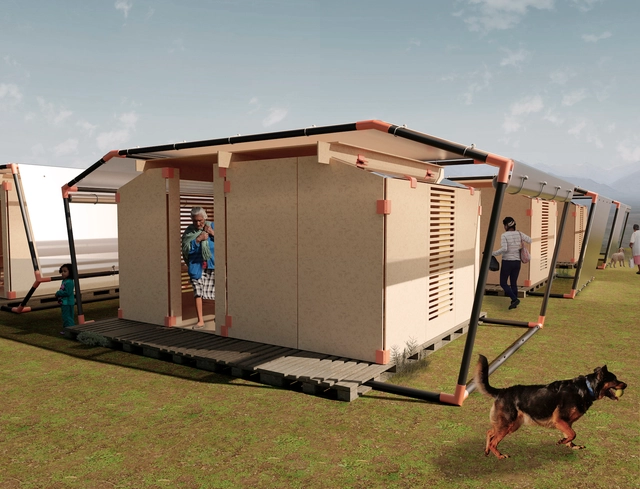
The postgraduate program at Escola da Cidade — Geography, City, and Architecture — welcomed David Barragán for a series of lectures. During his visit, we interviewed the partner of Al Borde, an award-winning practice recognized by the 100+ Best Architecture Firms 2019, Panorama Iberoamericano de Obras, XI BIAU Asunción, and Best Feature Documentary at the 5th CINETEKTON, among others.

Originally written as a final paper for the elective course Traditional Dwellings (Moradias Tradicionais) at Escola da Cidade in 2017, this essay addresses the little-known presence of large-scale pre-Columbian structures in the heart of the Amazon Rainforest.
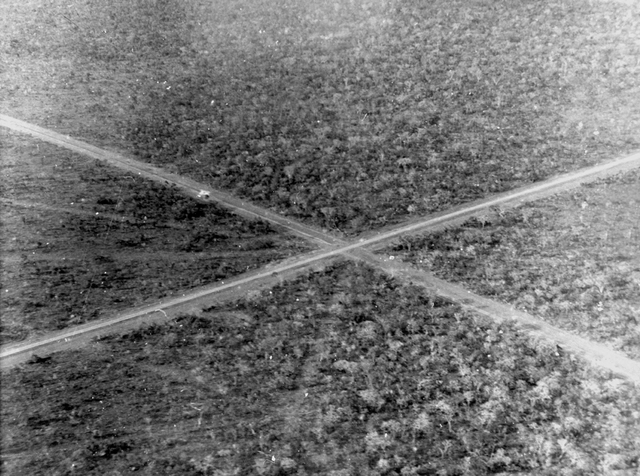
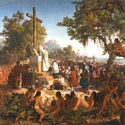
Over the last 40 years, hundreds of massive geometric formations carved into the ground—known as geoglyphs—have been discovered in the state of Acre. These structures show that the Amazon was inhabited thousands of years ago and that its vegetation was managed, debunking the notion of the region as an untouched, pristine wilderness.

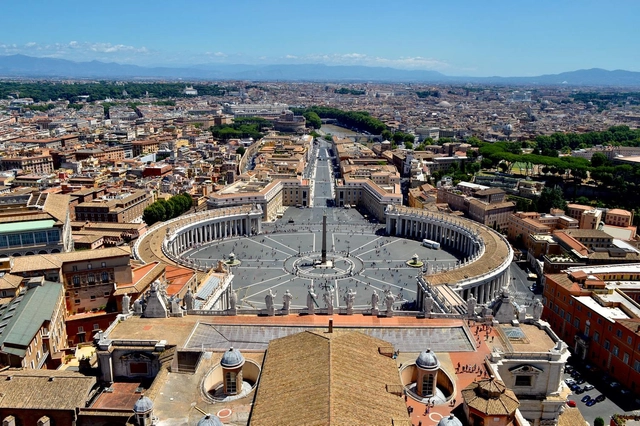
On June 18, the fifth anniversary of the publication of Laudato Si’ – Pope Francis’s encyclical calling for global unity in combating climate change – the Vatican published new guidelines containing more than 200 recommendations for environmental protection.
The document, titled “Journeying Towards Care for Our Common Home: Five Years After Laudato Si’,” suggests practical measures to curb global warming and issues stark warnings about the dangers of environmental degradation. It calls on the world to decarbonize the energy and economic sectors, making renewable energy accessible to all, and advocates for fossil fuel subsidy reform and CO2 emission taxation.
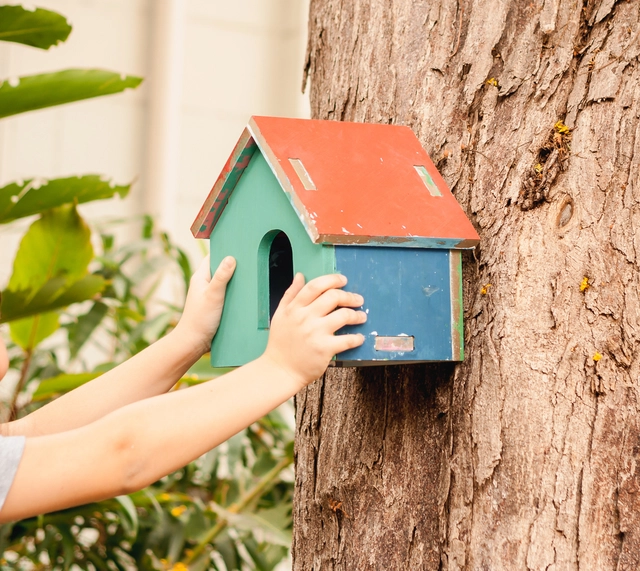
Architecture is a discipline deeply connected to the perception and construction of space, and could be introduced in early childhood education. With this in mind, the architects at Studio dLux proposed the Bird House project, a workshop for elementary school children designed to introduce the design and construction processes of a birdhouse.

Prete-Indígena is a directory designed to map and promote Black and Indigenous people working in the fields of design, architecture, and web development, created by Fabiano Procópio and Gabriel Biselli. It arises from the question of where Black professionals are active, not only in research but also in the practice of these fields.

The appearance and long-term maintenance of a work of architecture or interior design are heavily dictated by its materiality and the products used. If the selection of materials and products is not precise, the project can be compromised both aesthetically and functionally.
This is why specification is essential to achieving the desired result, and the professionals responsible for this stage must have a broad knowledge of the materials and products available in their region. But is material specification done similarly across all architecture firms? Do the initial and final stages of the project receive the same attention? How close is the relationship between architects and materials, really?
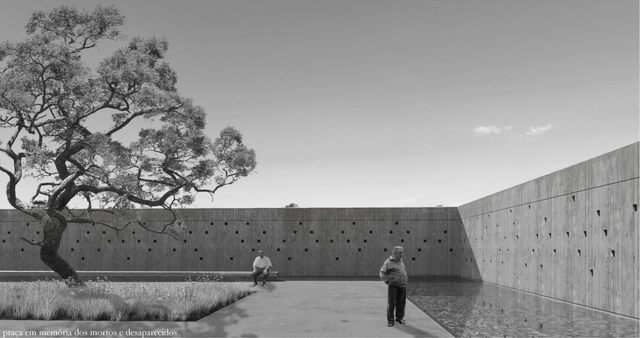
The 4th {CURA} Award continues the practice of hosting ideas competitions on themes aligned with current discussions on architecture, the city, and society, focusing on contemporary Brazil. The institutionalization of authoritarian and denialist discourse has become a real threat. For this reason, the competition's theme—a Museum of Democracy—brings forward a necessary discussion on how we treat memory and our history.

A faucet is a mechanical valve used to regulate (release or block) the flow of a fluid (usually water) from plumbing. While turning on a faucet seems almost mundane today, we rarely think about the vast knowledge and technology required to provide water at any given moment with a simple movement of the hand. Yet, between intake, treatment, and distribution to a kitchen or bathroom, water travels a complex path.
_11.44.10.jpg?1595963269&format=webp&width=640&height=580)
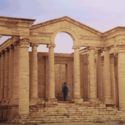
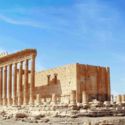
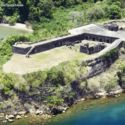
Despite UNESCO's recognition of specific world heritage sites, some are in constant danger of disappearing due to natural phenomena like earthquakes and human factors such as urbanization. By definition, these landmarks are significant to human history, embodying characteristics that reflect the core values of various civilizations. However, many have never been experienced firsthand by a large portion of the global population.

The way you experience the city, the urban infrastructure provided in the areas you frequent, and even the job opportunities that come your way are all, to some extent, shaped by the color of your skin. These themes unfold across multiple layers to discuss racial segregation in the urban environment in the seminar "The City and Racial Subjection," organized in 2018 by the Laboratory of Race and Urban Space Studies (Labraça) at FAUUSP.
As it celebrates its 60th anniversary, Brasília has an opportunity to draw inspiration from the anti-racist and anti-colonial movements worldwide that have challenged the monumentality of official history, confronting the memorialization of colonialism within its own urban landscape. Rather than celebratory events that reiterate official narratives, marking the city as a *bandeirante* milestone of national modernity, we should pause—a pause moreover imposed by the pandemic—to reflect on how certain memories are eternalized while others are erased, and thus trace new memorial cartographies onto the urban fabric of the capital.

Twenty-first-century urbanism will be marked by an increase in both the number and scale of global megacities—urban agglomerations with over 10 million inhabitants, according to the UN—alongside a geographical shift. By 2100, African metropolises such as Lagos (Nigeria) and Kinshasa (Democratic Republic of the Congo) are projected to exceed 80 million residents. The rise of these new, larger metropolises, especially in Africa and Asia, compounded by the urgent need to address the ongoing climate crisis, demands immediate changes in the discourse surrounding urban mobility.

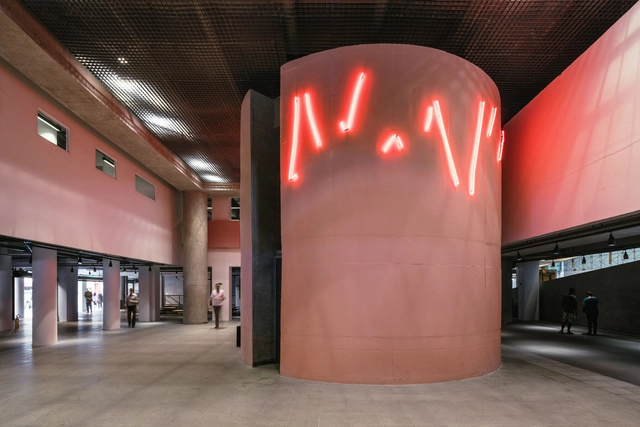
Sesc São Paulo has made a series of catalogs, educational materials, and booklets produced for the institution's exhibitions available for free on its website. Fittingly, several of these themes intersect with thinking on architecture and the city.
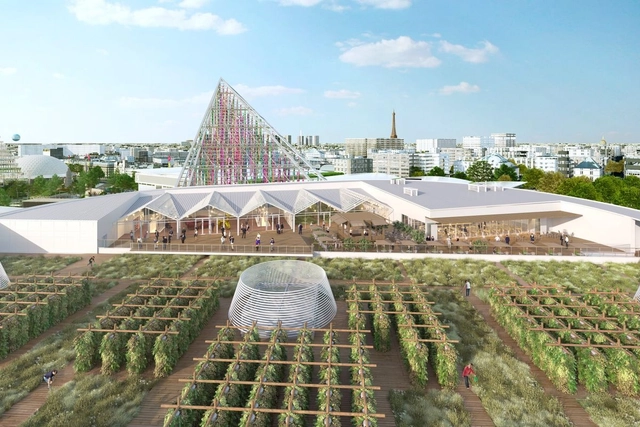
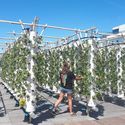
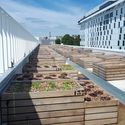
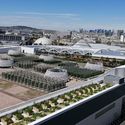
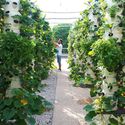
While modern metropolises have verticalized our way of life, creative solutions are continually emerging to reclaim and redefine urban space. Rooftops are already widely used for events and leisure, and now, growing plants and crops on them is becoming increasingly common. In Paris, a massive 14,000 m² urban farm has just opened on a building's rooftop. Although cultivation does not yet cover the entire area, once fully completed, it will be considered the largest in Europe and, perhaps, the world.

São Paulo, Sociedade Anônima is a film with a complex and profound approach to São Paulo, crafted with a sensitive and distinct 1960s perspective by those who lived through a moment of urban and socioeconomic renewal in the metropolis. Capturing this unique social transformation, the film became a cinematic landmark of the era, tracing an intense relationship between character and urban space. It contains multiple layers of interpretation that dissect the meaning of the modern, the urban, the scenographic, and the architectural, using these concepts as tools to express a historical period lived and experienced by its population, capturing the transformations of both the city and its society.
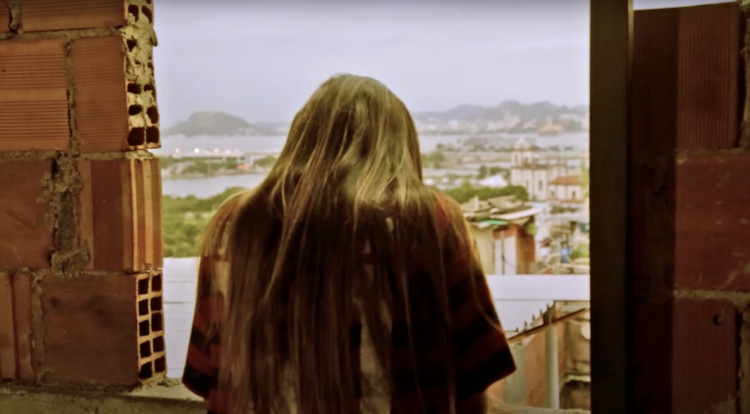
Dia a dia is a three-part mid-length film miniseries developed by the Urban Policy Commission (CPU) of CAU/RJ. Each episode is dedicated to one of the three pillars proposed within the theme of the right to the city—sanitation, mobility, and housing—through the perspectives and daily lives of three women living in completely different areas of Rio de Janeiro: Realengo, Barra da Tijuca, and the Santo Amaro community (Catete). The first episode, which premiered on August 21 and addresses housing, is available online.

Many factors influence people's well-being, but few have power as great as the quality of sleep. Adults spend, on average, a third of their day (and their life) sleeping. In the case of young children, this proportion is even higher. According to a study published by the WHO in 2019, babies (4 to 11 months) should sleep between 12 and 16 hours/day; and children up to 4 years old should sleep between 10 and 13 hours/day.
Quality sleep acts directly on the child's brain development, especially during his first and second childhood (from birth to 12 years old). During the rest period, the body releases the hormones necessary for growth and learning, and this is directly related to physical, motor, emotional, and cognitive development. It is also known that the environment where one sleeps interferes with the quality of that sleep, and some important aspects must be considered when designing sleeping spaces for children and babies.

Architecture is one of the most beautiful professions—there is an undeniable romance in building the spaces where human beings dwell. It is also one of the oldest: if considered as an activity that organizes space, some form of architectural thinking can be identified dating back at least hundreds of thousands of years. Its beauty, however, is partially eclipsed by widespread frustration within the professional field in Brazil. A general lack of awareness regarding its importance to society, difficulty securing contracts, fierce competition, scarce opportunities in public projects, low-paying jobs, and a willingness to work without fees all contribute to the precarious state of architecture and urban planning.

Downtown São Paulo will receive a statue honoring Joaquim Pinto de Oliveira, an enslaved Black 18th-century architect known as Tebas. The announcement was made yesterday, September 10, by Mayor Bruno Covas at the São Paulo City Council.
The winners of the 2nd Tomie Ohtake Institute Leroy Merlin Design Award have been announced. Originally scheduled to take place in person at the Tomie Ohtake Institute alongside an exhibition of the projects, the awards were instead announced via video due to the novel coronavirus pandemic.

Launched last month, the Fortaleza Mais Verde program aims to create a network of micro-parks in the capital of Ceará and implement tree-lined bicycle corridors. Execution of the plan began in August.
"The purpose of the proposal is to preserve, secure, and progressively expand the green cover of the City of Fortaleza, making these areas usable for the population to enjoy," said the city's mayor, Roberto Cláudio. "We have several landscaping and urban planning initiatives underway. We expect to receive suggestions regarding this new pilot project. We want to ensure it is implemented and made irreversible," he added.
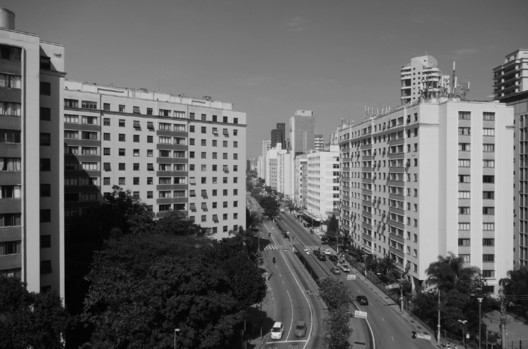
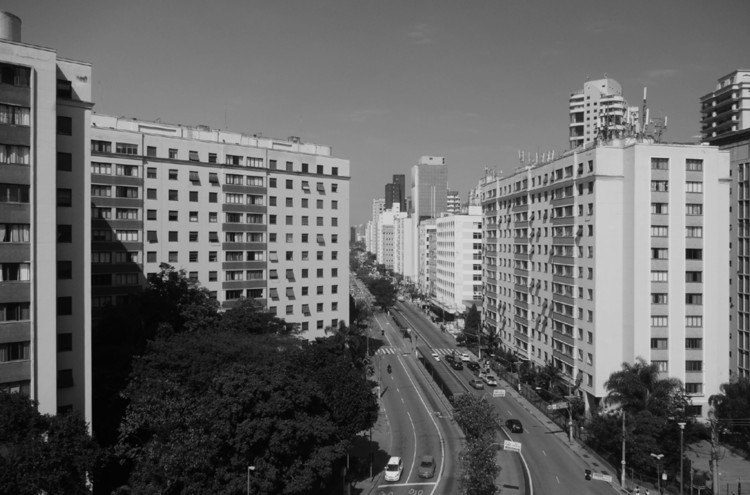
Located at the intersection of Nove de Julho and São Gabriel (formerly Flora) avenues and Groelândia Street, between the neighborhoods of Jardim América and Itaim-Bibi, this complex, with its three twelve-story buildings, became a prominent landmark on one of the most important corridors connecting downtown São Paulo to the city's southern zone.



.jpg?1592513258)





_11.44.10.jpg?1595963269)




.jpg?1600699528 "Binder. Image Cortesia de Instituto Tomie Ohtake")