How to visualize architectural concepts in SketchUp using D5 Lite for faster design exploration.
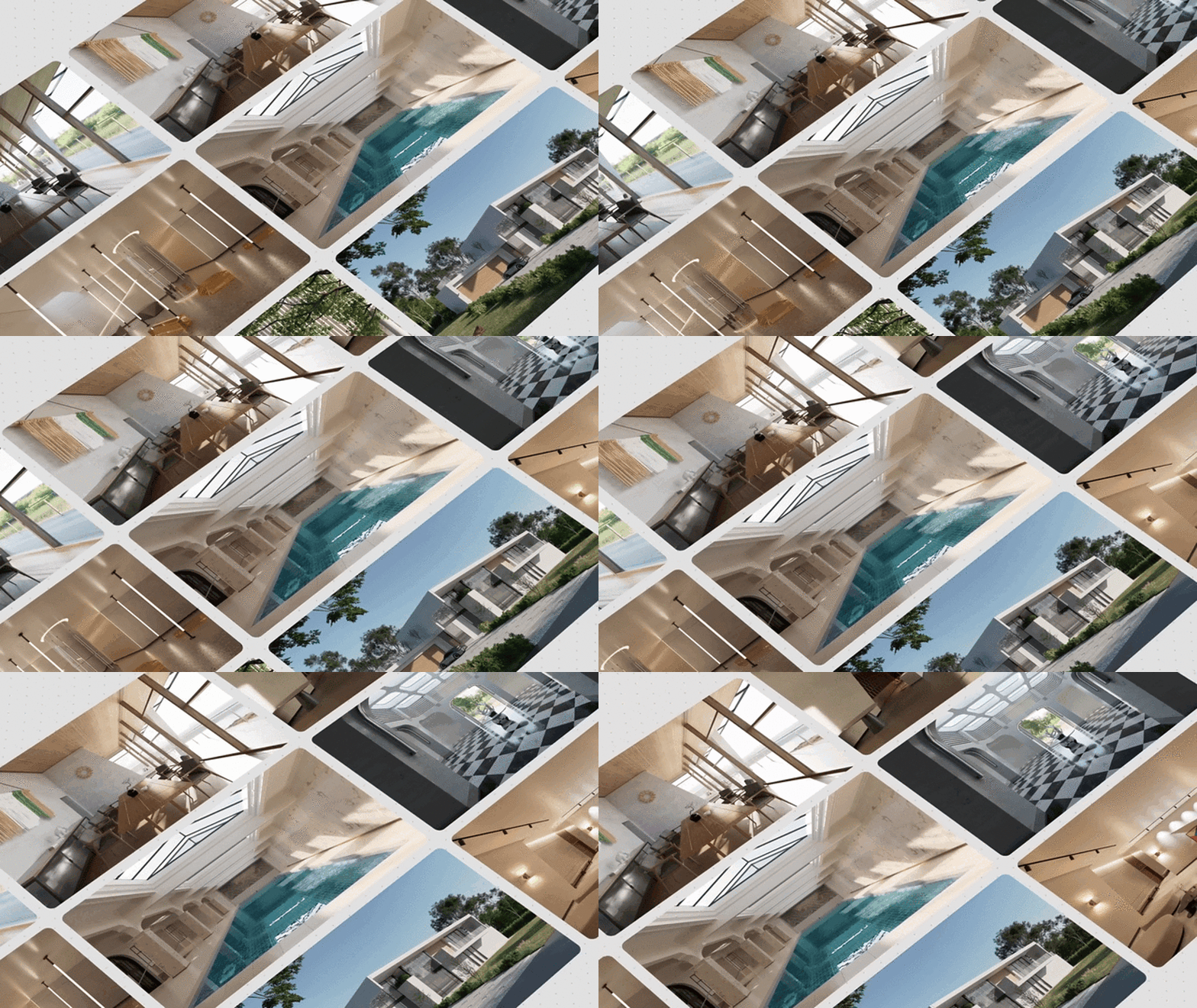
How to visualize architectural concepts in SketchUp using D5 Lite for faster design exploration.

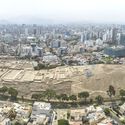
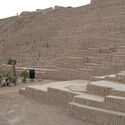
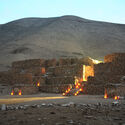
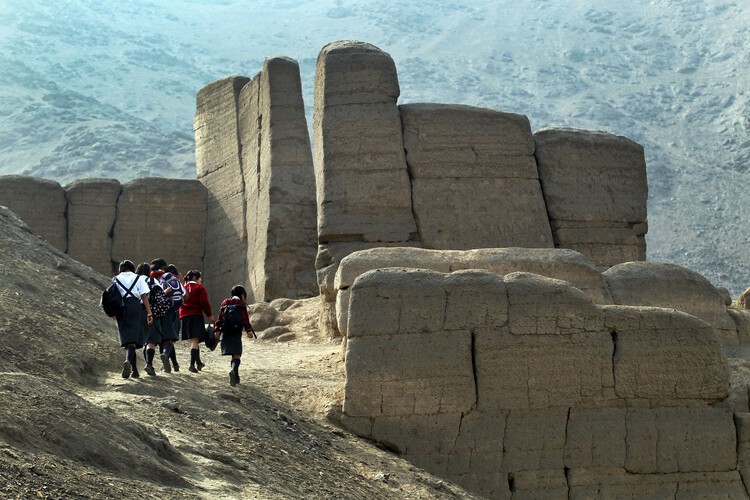
A campaign led by Red Lima Milenaria is seeking UNESCO recognition for pre-colonial sites in the Peruvian capital. Today, more than 600 archaeological sites remain in Lima, a metropolis of 11 million people. The citizens' campaign seeks to improve conservation conditions and public awareness of the sites that resisted European colonization by promoting the nomination of a selection of structures for inscription on UNESCO's World Heritage List. The public campaign was recently launched to gather citizen support and establish partnerships with organizations working in heritage and related fields, in order to prepare the framework for a formal nomination to be submitted by the Peruvian state. The initiative coincides with reconstruction movements in the continent responding to socioeconomic inequality and structural historical injustices, raising questions about the very definition of heritage.

This article is part of "Thresholds", a special edition printed newspaper by Cobe Notes x ArchDaily.
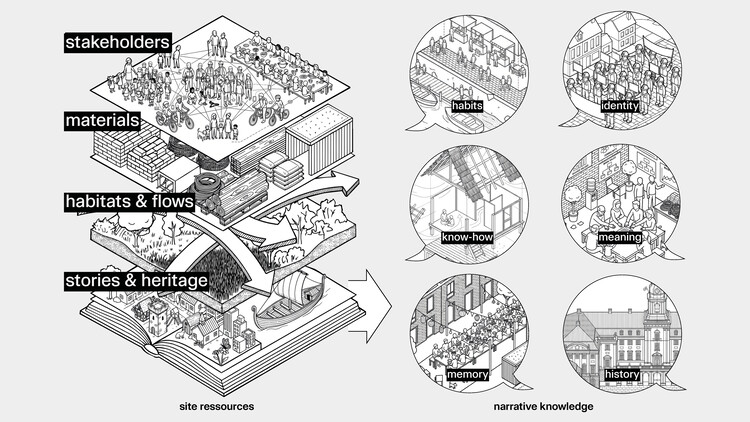
There are two unique things about being human that made us survive the early years and spread over the whole planet: sweating and storytelling. Sweating helps cool down the body when running long distances. Stories help us collaborate in big numbers and share knowledge across groups and generations. As architects, we still rely on the same tools to make visions become reality.
As professor of stories Angus Fletcher points out in his book Primal Intelligence, there is a common misconception about the role of stories: when our "rational" brain has developed an idea that we fail to explain to a wider group, we pack it into a story, and suddenly everybody understands. Fletcher argues that it actually works the other way around: ideas come from stories, our brain works in stories, and stories form reality. Architects have a derogatory term for turning that process the wrong side up: "post-rationalisation", for example when diagrams are made to explain a design that is already decided.
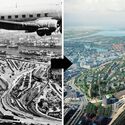
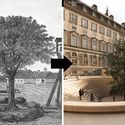
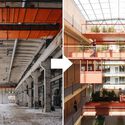

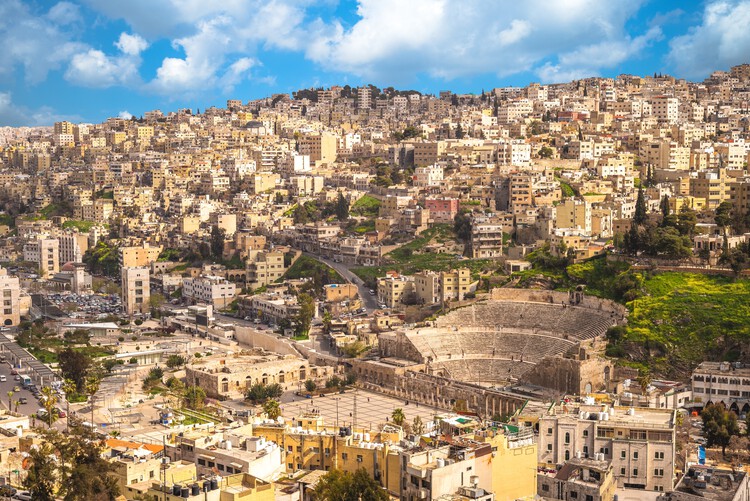
Built across several hills, Amman has grown at a pace few Middle Eastern capitals have matched. The city has received successive waves of migration — Circassians in the late 19th century, Palestinian refugees in 1948 and 1967, the Iraqi population after 1990, and Syrians since 2011 — each reshaping its density and social profile. Locally quarried limestone, extracted from quarries across Jordan and required by law for façades since the 1970s, has become the city's only common visual denominator. Behind this material uniformity, however, lies a continuous dialogue between vernacular tradition and international ambition.

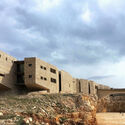
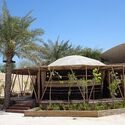
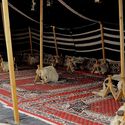
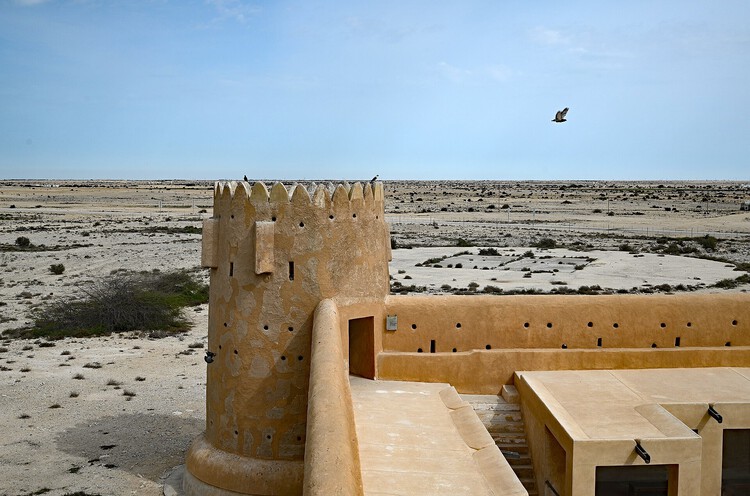
For many communities across the Gulf, leaving home once formed part of inhabiting it. Families moved between desert pastures, coastal settlements, wells, fishing grounds, and pearling ports according to season and livelihood, returning repeatedly to places already known through use. In Qatar, historical accounts describe autumn and winter movement through al-barr, the desert, followed by a return toward coastal settlements as the summer pearling season began. The National Museum of Qatar represents this history through a yearly calendar of movement between desert and sea.
Home could extend between several places occupied at different points in the year. It extended across a larger geography of places that were left and returned to through the year. Many contemporary Gulf developments now attempt to bring contrasting climatic and spatial conditions into the same permanent urban system.
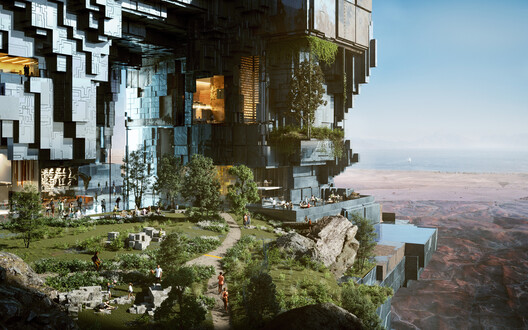
There is no shortage of ways to imagine what the world will look like after a climate catastrophe. Genres of movies and novels have been built around the question of what happens when contemporary safeguards fail, from dystopian fiction and post-apocalyptic literature to disaster films, graphic novels, and video games. Burning forests, submerged cities, abandoned infrastructure, resource scarcity, and mass displacement are a familiar visual and narrative vocabulary. We have become remarkably fluent in imagining the consequences of a world that fails to respond to climate change.

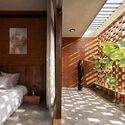
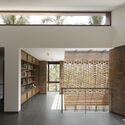
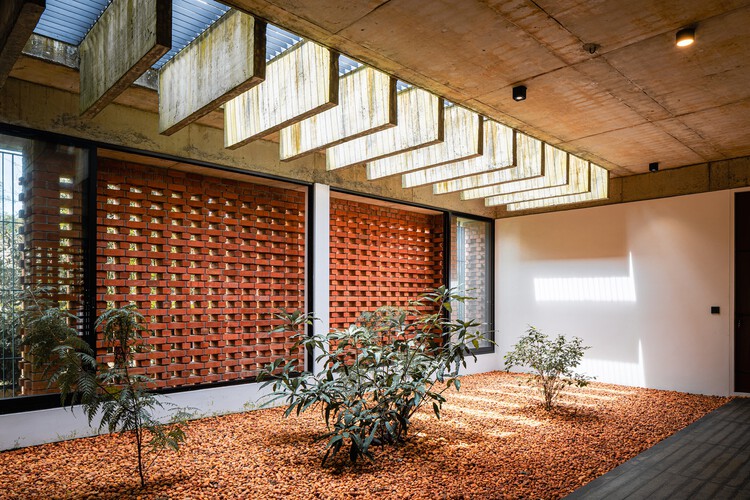
A brick façade does more than define the façade of a house. When designed as a porous screen, it becomes an intermediary between inside and outside, shaping the atmosphere and environmental conditions of the spaces behind it. Across contemporary Indian residential architecture, brick jali — a perforated or lattice brick screen — has been reinterpreted with a contemporary sensibility, drawing on vernacular architectural elements.

Wood and coastal architecture have always gone together. It's one of the defining materials of coastal structures. But creating that aesthetic in an environment where weather is a constant part of life demands more from the wood you choose.
Rain isn't unique to coastal areas. What makes the coast different is the combination and frequency of exposure. Humidity, ocean winds, salt-laden air, direct sun, and frequent storms repeatedly take wood from wet to dry and back again. In many coastal regions, these aren't occasional weather events. They are simply part of the climate. That makes two characteristics especially important when selecting wood for coastal construction: durability and dimensional stability.
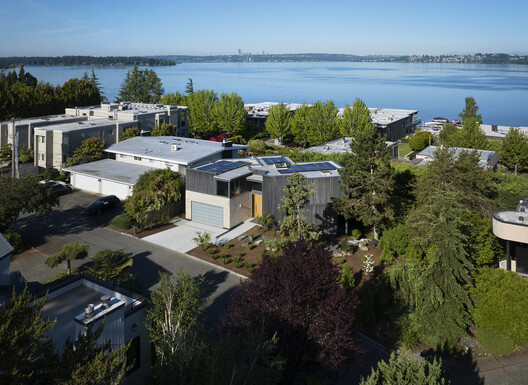

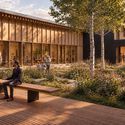
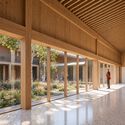
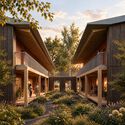
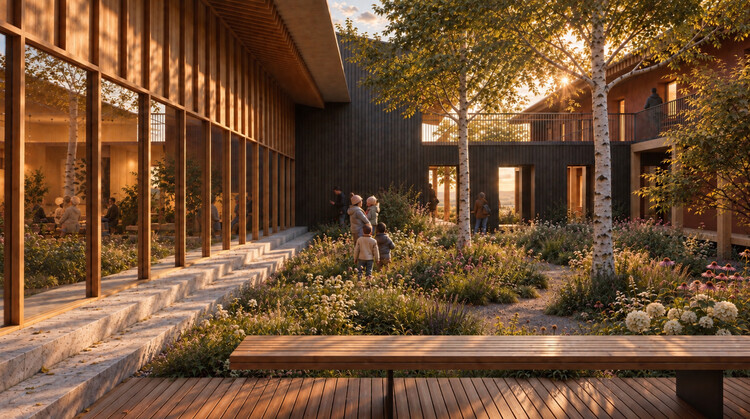
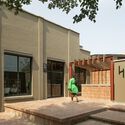
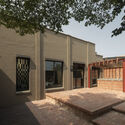
Office for Future is converting a former school in Stavyshche, Ukraine, into housing for 42 families displaced by the war. Developed for the Charity Foundation Housing for IDP, the project, titled "Dvir – The Shared Courtyard," reuses the approximately 1,900-square-meter building to create 42 apartments and 200 square meters of shared indoor spaces. The intervention combines the existing structure with new timber elements, an energy retrofit, and the transformation of the former asphalt courtyard into a permeable green space.

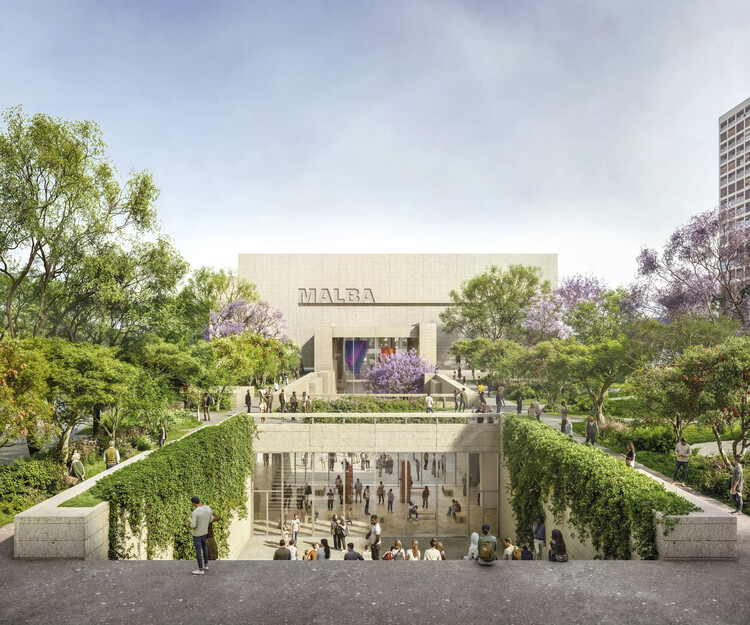
Amid the celebrations marking the 25th anniversary of the Buenos Aires Museum of Latin American Art (MALBA), the institution confirmed the museum's expansion beneath Plaza Perú, which will double its exhibition space. The architects selected for the project are New York- and Mexico City-based Taller Frida Escobedo, who presented the project at the anniversary gala. The studio has previous experience with cultural architecture and is also currently developing the Centre Pompidou renovation project led by Moreau Kusunoki, as well as a new wing of the Met Museum in New York. The MALBA expansion includes new temporary exhibition halls, a new auditorium, multipurpose spaces, an outdoor plaza-courtyard, workshops, storage areas, and offices, and is scheduled to open in late 2029 or early 2030.

Some urban experiences are etched into our memory through a shift in pace. The postmodern city has often been described as an experience lived at the rhythm of motorized mobility, in contrast to the stroll, the promenade, or even the processions that preceded it. In a fast-paced urban culture, walkability is championed in urban planning not only as a factor of safety and social cohesion, but also as a path to a more sensory way of life. This selection of unbuilt projects submitted by ArchDaily readers showcases design examples that prioritize the experience of the environment through a pedestrian pace. Beyond respecting walking as a mobility choice, these conceptual proposals link the act of walking with contemplation of one's surroundings, respect for what already exists, and connection with other people.

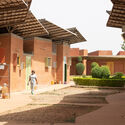
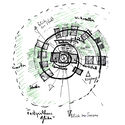
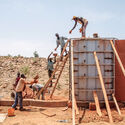
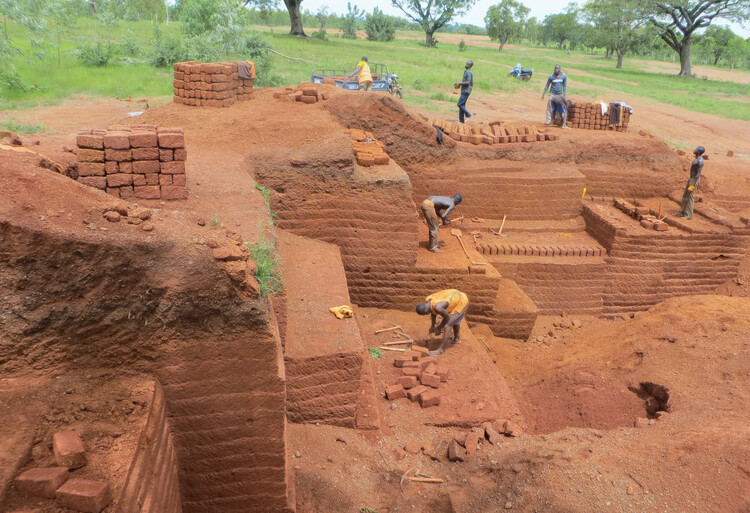
"After all, time is a key ingredient of my profession," states Francis Kéré in his book Francis Kéré: Building Stories. Architecture is constantly evolving and transforming over time. Bricks, doors, windows, walls, stairs, and other elements become the protagonists of a process that begins with a sketch and eventually takes shape as a built work.
Considering that architecture begins when its inhabitants start to make a space their own, Francis Kéré develops his projects progressively, continuing to work on the design even during the construction phase. As his architecture grows over time, integrates with its surroundings, adapts to the needs of its users, and responds to change in flexible and experimental ways, it seeks to become part of the lives of those who inhabit it.
A fire has severely damaged La Querola d'Ordino, a residential development in Ordino, Andorra, designed by Jean Nouvel in collaboration with Ribas & Ribas Arquitectes and Jordi Sala. The fire began during the early hours of September 22 and spread across the seven-building complex before being brought under control on September 23. Firefighters from Andorra and neighboring France were involved in the response, with authorities reporting no injuries. The cause of the fire has not yet been established.

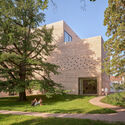
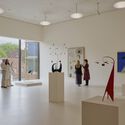
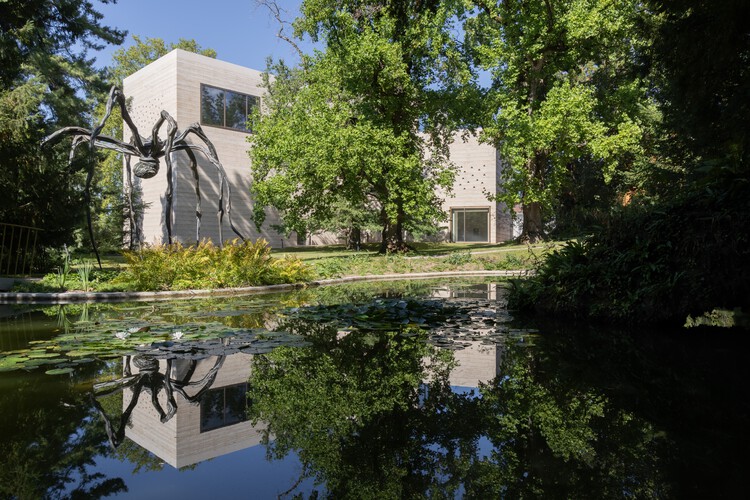
The Fondation Beyeler in Riehen, Switzerland, is expanding its museum ensemble with three new buildings by Swiss architect Peter Zumthor, an enlarged and restored park, and the adaptive reuse of several historic structures. The expansion extends the existing museum designed by Renzo Piano, adding exhibition, education, cultural, and public spaces while opening a previously private section of the surrounding landscape to visitors. The expanded ensemble will begin welcoming visitors on September 26, 2026, during a preview phase running through January 14, 2027, before fully opening on January 15. Zumthor's additions comprise the Wyss Museum, the Ammann Pavilion, and the Erlen Torhaus, positioned within the existing landscape and differentiated through their programmes, forms, and material treatments.

This week began with the United Nations' commemoration of the International Day of Peace, an invitation to ask what conditions are needed to cultivate nonviolence, social stability, and respect for human dignity. Against a backdrop of growing individual isolation, authoritarianism, and a multidimensional material crisis, we've gathered articles in which architecture mediates between conflict and coexistence through the construction of spaces for encounter and memory. Other news this week highlights a disciplinary tool that brings those two concepts together: the transformation of what we have already built to bring it up to date with our needs and aspirations, while another group of high-profile, large-scale projects opens in the Global North. On our radar, we also take a look at new projects in Dubai, Oxford, Portland and Paris, from major international firms.

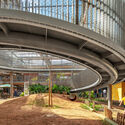
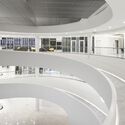
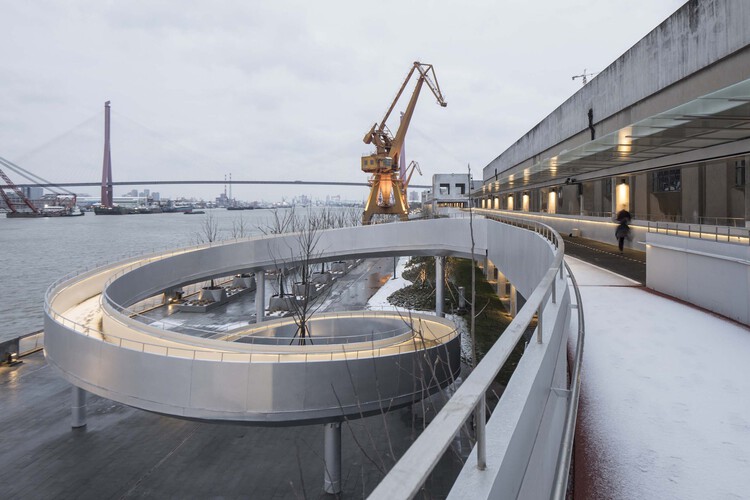
In most architectural projects, vertical circulation is expressed as a purely functional element, tucked away behind fire-rated doors or an elevator core. However, sometimes architects also use spirals when trying to resolve site elevation changes. Given the right scale, these elements allow for a more artistic formal expression that serves both utilitarian and aesthetic purposes without relying on mechanical lifts or stairwells. Structural systems like cantilevered steel trusses and reinforced concrete decks allow these spiral elements to extend outward as sheltered entry canopies or wind around open central atriums. Functionally, these circulation paths may be expressed in several ways: as stairs like the Itamaraty Palace in Brasilia, or as ramps, which can offer the possibility to reduce mobility barriers for visitors. In both cases, the spiral can provide smooth transitions across varied floor levels while maintaining an unobstructed line-of-sight throughout the program.

Seamless surfaces and minimal joints have become a defining signature of contemporary architecture, prized for the clean lines, and uniformity they bring to a building's envelope. Yet in façade engineering, this pursuit is rarely just about appearance. Regardless of the material used, increasing panel dimensions can influence durability, material recyclability, performance against external factors, and other considerations such as impact resistance and long-term maintenance. By combining ease of installation and transportation efficiency with design flexibility, monomaterial façade systems use large-format panels while addressing practical challenges related to flatness, thermal movement, and structural support. Yet, what other material-related considerations behind large-format panels can make a difference in building envelope construction today?

The 9th Oslo Architecture Triennale unfolds in a setting that already embodies many of the questions it raises. Sofienberg Church, a 19th-century Gothic brick building now being converted from a place of worship into a cultural center, serves as the main venue for an edition organized around a central question: "What if Nature Comes First?" From September 17 to October 1, 2026, seminars, debates, workshops, and exhibitions examine what this shift in priorities could mean for architecture, from the way resources are used to how buildings relate to their surrounding ecosystems.

Unlike buildings, which are anchored to foundations and respond to climate from a fixed position, yachts are designed for constant movement and change. Interiors sway with the vessel, light changes by the minute, humidity is a permanent design condition, and every kilogram influences performance. Designing for the sea therefore requires architects, naval architects, engineers, and interior designers to solve questions that rarely exist on land: how can space remain calm while everything around it is in motion?

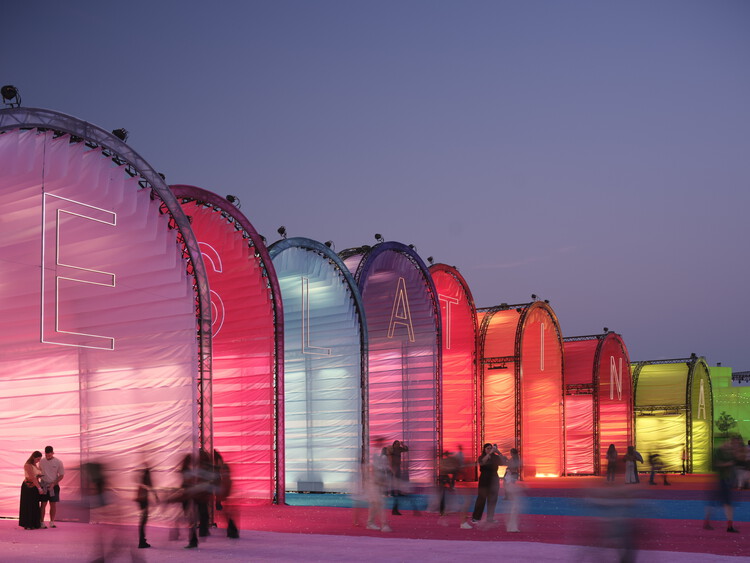
Following the opening weekend of Shakira's Madrid residency, Macondo Park has officially opened at the Iberdrola Music venue in Villaverde, Madrid. Designed by Bjarke Ingels Group (BIG) in collaboration with Komodo and Vampire, the 185,000-square-meter temporary destination surrounds the venue designed by BIG for Shakira's concerts, extending the venue with a series of cultural and public spaces inspired by the fictional town of Macondo from Gabriel García Márquez's One Hundred Years of Solitude. The park will host daily cultural programming alongside the concerts throughout the singer's 12-show residency, which continues through October 11, before its temporary structures and landscape elements are dismantled and removed from the site.

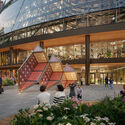
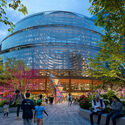
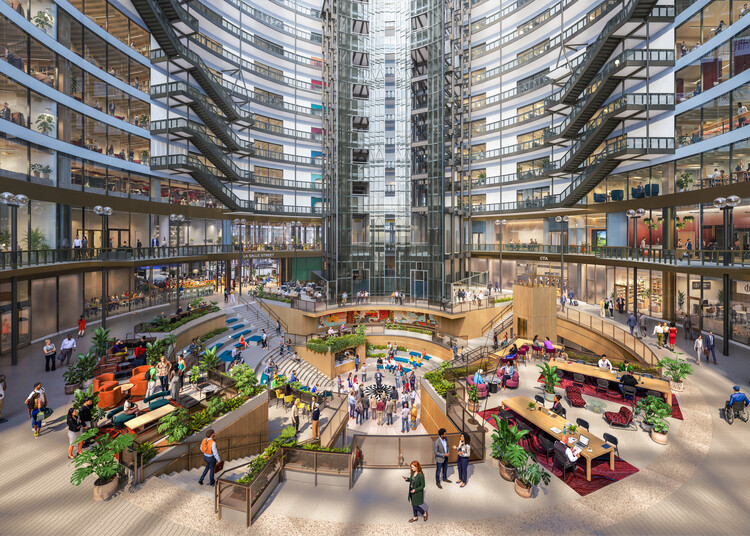
On September 16, 2026, Google announced the redevelopment of Chicago's Thompson Center as a space for work, culture, and community. The James R. Thompson Center is a postmodern architectural landmark designed by Helmut Jahn and completed in 1985. Commissioned by Illinois Governor James R. Thompson, the building reinterprets the classical state capitol by turning the traditional dome-and-public-plaza concept inside out. Occupying an entire city block in Chicago's Loop, it features a multicolored, curved glass atrium and a sloping, transparent corner entry. Controversial from day one, it has been criticized for poor climate control, high maintenance costs, and structural and leak issues. To restore it rather than demolish it, the company collaborated with Architecture Plus Information (A+I) to design a project that would integrate the building into the urban life of Chicago's Loop.

Despite being among architecture's oldest structural forms, domes continue to offer possibilities for creating large, column-free spaces and working with circular or free-form geometries beyond conventional rectangular building types. Their evolution has been closely tied to changes in materials, construction methods, and design tools. Today, digital platforms are adding another layer to this process, allowing some of the decisions traditionally developed later in a project to be explored much earlier.

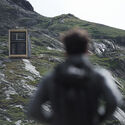
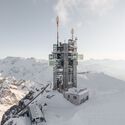
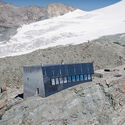
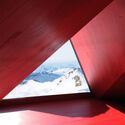
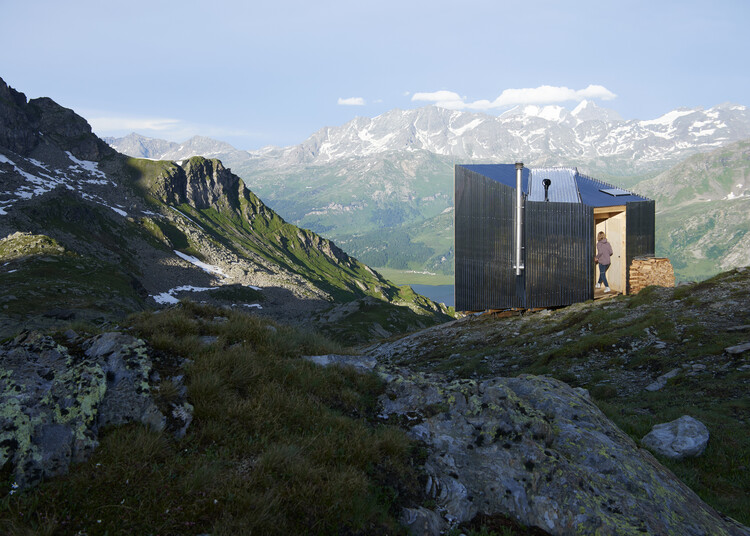
There is no harder place to build than a high mountain, and none where a building feels more provisional. From the Andes to the Himalaya to the Alps, high-altitude construction strips architecture back to its most elementary transactions. The rock reads as permanence itself, yet a structure set near the limit of habitation exists in negotiation with almost everything around it: with wind that arrives without obstruction, with a ground too steep and too frozen to excavate, and with everything it needs arriving from far below. What can be carried up, what can be assembled by few hands, and what can sustain itself are some of the terms of the problem.
Those constraints have produced a remarkably consistent building culture across otherwise unrelated ranges. The refuge, the hut, the bivouac, and the observatory belong to a shared typology in which shelter is inseparable from logistics, and where lightness, prefabrication, and self-sufficiency were structural necessities long before they became virtues.

As architectural projects grow more complex and requirements evolve, the ability to iterate quickly is increasingly important to the design process. For Bellway, one of the UK's largest homebuilders, faster design iteration and visualization have become key to meeting these demands. It is not just a way to present finished designs, but also a tool for testing ideas, communicating options, and making decisions earlier in the development process.

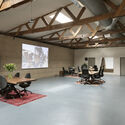
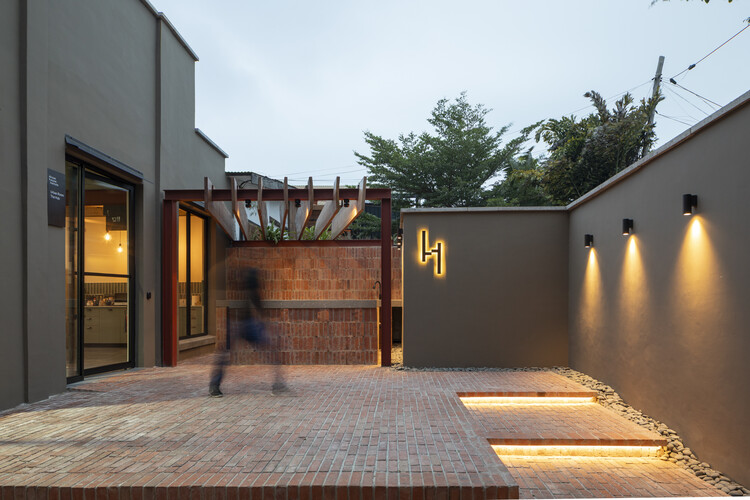
The African Futures Institute (AFI) has completed its new headquarters in Accra, Ghana, transforming a former tile warehouse in the city's Osu neighbourhood into a centre for architectural education, research, exhibitions, and public programmes. The project retains the existing industrial structure while introducing spaces for teaching, workshops, performances, screenings, and gatherings. Its completion gives the Institute a permanent base in Accra after several years of operating through programmes, partnerships, and temporary spaces across Africa and beyond.