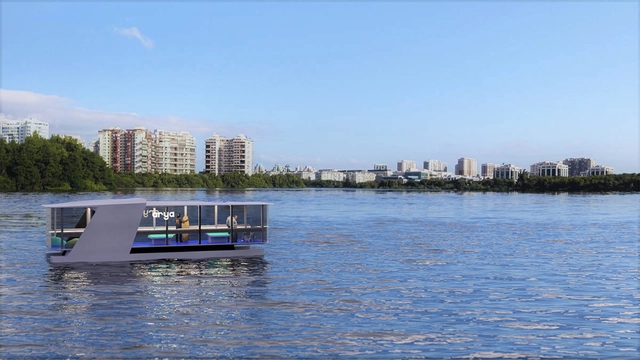
An eco-friendly autonomous vessel will begin transporting passengers through the waterways of Rio de Janeiro in December 2022. The new urban mobility project is the result of a partnership between travel platform Hotel Urbano – Hurb and TideWise, a Latin American autonomous boat company.
The new partnership will explore several of the city's water routes to connect tourist attractions and major hubs, such as Sugarloaf Mountain and downtown Rio, as well as the Península in Barra da Tijuca and the Jardim Oceânico subway station.
https://www.archdaily.com/1132086/autonomous-boats-will-transport-passengers-in-rio-de-janeiroArchDaily Team
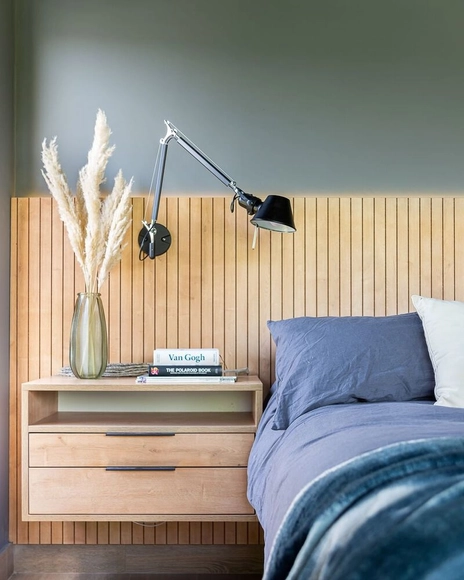
Tablero Vesto Roble Rústico con técnica de ranurado, conseguida mediante router. Posteriormente se maquillan las ranuras para disimular el sustrato MDP del tablero. Diseño de Vardeco. Image Cortesía de Arauco
There are various ways to accentuate and breathe life into a space, from adding furniture or a decorative piece to painting a wall a bold color. Yet, when it comes to elevating an interior simply, quickly, and with added texture, depth, and warmth, a grooved wood-look finish emerges as a compelling, cutting-edge solution. Indeed, it has established itself as a major trend in contemporary furniture and interior wall design, even taking center stage at the renowned Salone del Mobile Milano 2022.
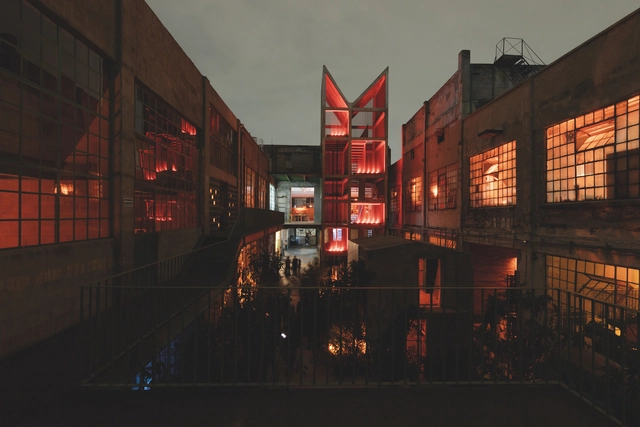
On September 23, LIGA celebrated 10 years of supporting and empowering young Latin American architects with a dinner held at its main space in Mexico City. LIGA is housed within a former textile factory (La Laguna) that originally opened in the first decade of the 19th century. Now transformed into a collaborative multi-use space designed by the architecture firm PRODUCTORA, the venue hosts independent Mexican initiatives ranging from a coffee shop and an architecture studio to a ceramics workshop.
https://www.archdaily.com/1131921/sombra-creates-a-light-installation-to-celebrate-10-years-of-liga-in-mexico-cityArchDaily Team
While the construction industry has been advancing for years in emerging fields like nanotechnology and 3D printing, it remains one of the most lagging in terms of technology adoption. Many innovations never progress past the experimental stage, and while there is a constant push to reverse this trend, we are simultaneously faced with a troubling fact: the construction industry is one of the world's largest producers of pollutants and waste.
A new title from Edições Sesc SP, Oswaldo Corrêa Gonçalves arquiteto cidadão, highlights the main contributions of the engineer, architect, and urban planner across the various fields in which he worked. Born in Santos in 1917, he designed residential projects, sports facilities, schools, and institutional buildings, including the first Sesc/Senac units. Organized by architects Gino Caldatto Barbosa and Ruy Eduardo Debs Franco, the book also highlights his role in founding the School of Architecture and Urbanism at the University of São Paulo (FAU-USP), FAU Santos, and the Institute of Architects of Brazil in São Paulo (IAB-SP).
No País dos Arquitectos is a podcast created by Sara Nunes, who is also behind the architectural film production company Building Pictures. The podcast aims to profile the professionals, projects, and stories behind leading contemporary Portuguese architecture. With just over 10 million inhabitants, Portugal is a fascinating country when it comes to this professional field, and its architectural output far exceeds what its population or territorial scale might suggest.
In this episode, Sara talks with Sofia Couto and Sérgio Antunes of Aurora Arquitectos, curators of the Open House Lisboa 2022, which is themed "The Rebellion of the Invisible.” Listen to the full interview and read an excerpt of the conversation below:
The Mayor of Paris, Anne Hidalgo, has championed her plan to transform Paris into a "15-minute city." Photo by Pascal Weiland via Unsplash
History shows that when struck by crises and disasters, cities generally recover and emerge stronger and more resilient than before. The Great Chicago Fire famously gave rise to skyscrapers. Contagious disease outbreaks contributed to public health policies and modern sanitation practices. The devastation of World War II catalyzed unprecedented investments in housing and infrastructure.
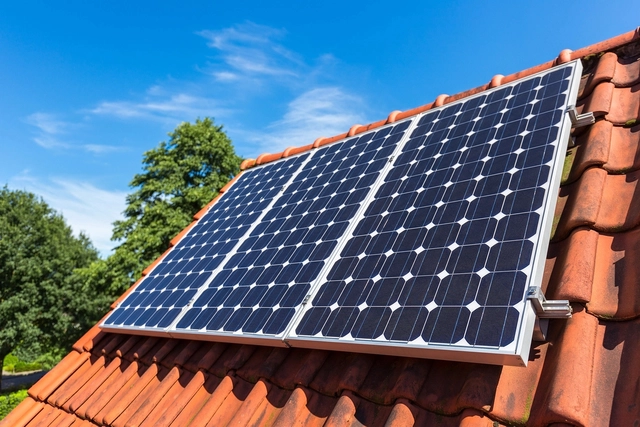
In January of this year, a legal framework for distributed micro- and minigeneration of energy was established under Law 14,300/2022. The text ensured that the sector's previous rules would be maintained until 2045 for existing solar installations and new customers within a 12-month window. Now, with only three months left in the year, the topic is back in the spotlight, as the deadline to secure benefits like exemptions from certain tariff components is fast approaching.
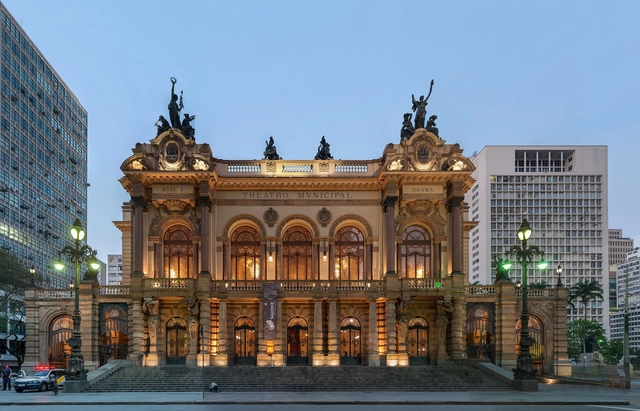
Theatro Municipal de São Paulo. Photo: By Wilfredor, CC0, via Wikimedia Commons
The centennial celebrations of the Modern Art Week have already begun. Over the past week, articles and press coverage on the subject have filled various media outlets. After all, one hundred years ago, a group of artists gathered in pursuit of an art that looked to the future and stood against the past, proposing a new way of exploring Brazilian identity in music, poetry, painting, and dance. To understand how the event shaped new directions in Brazilian culture and remains relevant today, we have compiled a guide to several spaces that celebrate the Week of '22!
A recent study revealed that, since 2014, marine heatwaves have become “the new normal.” The climate crisis is no longer a concern for the distant future. Extreme events are increasingly common; one only has to follow the news. While it may seem that public officials are being caught off guard, scientists have long warned of the need to focus on sustainable development.
Good examples are still few and far between, but they do exist. At COP26, a comprehensive guide featuring proven strategies to achieve urban cooling was launched.
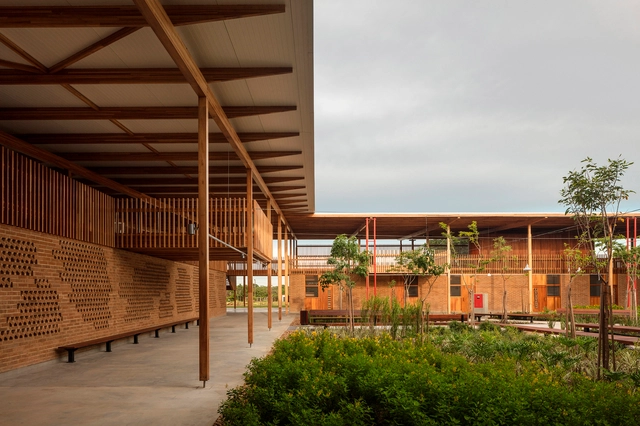
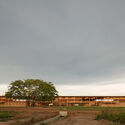
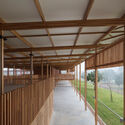
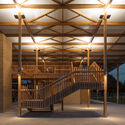
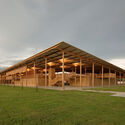
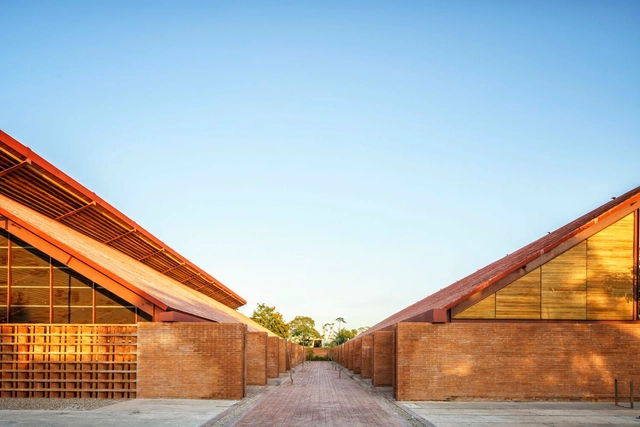
The award-winning Children Village project in Canuanã was developed by architecture firms Aleph Zero and Rosenbaum between 2016 and 2017. Located at a rural school that has been operating for nearly 40 years in Formoso do Araguaia, Tocantins, the complex serves approximately 842 boarding students. The architects were commissioned to redesign the accommodation—which consists of two identical villages, one for girls and one for boys, each designed for 270 students—and to devise an architectural solution to reorganize the students' living spaces within the school grounds.
https://www.archdaily.com/1132055/childrens-dwellings-in-canuana-an-encounter-between-vernacular-architecture-and-industrial-technologiesAlexandre Kok, Caio França, Gabriela Rudge, Lara Girardi, Lia Soares, Maria Clara Calixto, Marina Liesegang, Marina Saboya, Pedro Trama, Tamara Silberfeld e Valentina Kacelnik
Imagem: Jessely Cardoso/Prefeitura de São Paulo. Image Cortesia de Caos Planejado
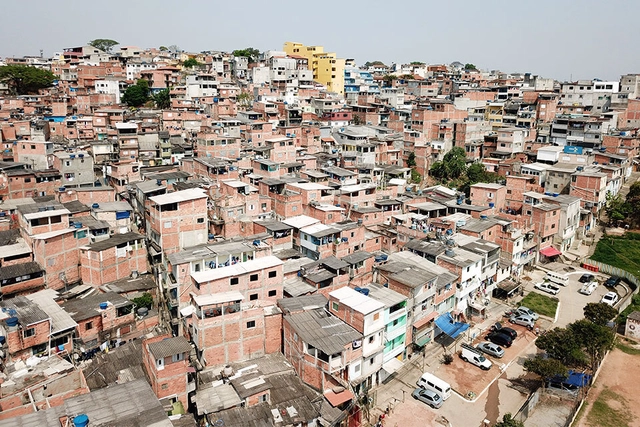
As one of the most prominent economic topics on the agenda in several countries before the onset of the coronavirus pandemic in early 2020, legislation restricting the supply of new real estate in municipalities has negative impacts on both local growth and the population, whose options for housing, job access, and mobility are severely affected. Adopted by most Brazilian cities, zoning regulations—which establish criteria for land use, the size of developments that can be built in specific locations, and environmental preservation zones—also drive up property prices, as housing supply fails to keep pace with demand.
https://www.archdaily.com/1132042/zoning-restrictions-push-the-population-to-peripheral-areasSomos Cidade
The FIFA World Cup is one of the world's largest events, bringing together fans of all nationalities. Having previously been hosted across various continents, this year's tournament will take place in Qatar, a country on the Arabian Peninsula with a population of about 2.7 million people, the majority of whom are Muslim. Alongside the host nation, 31 other countries will compete for the title of world champion.
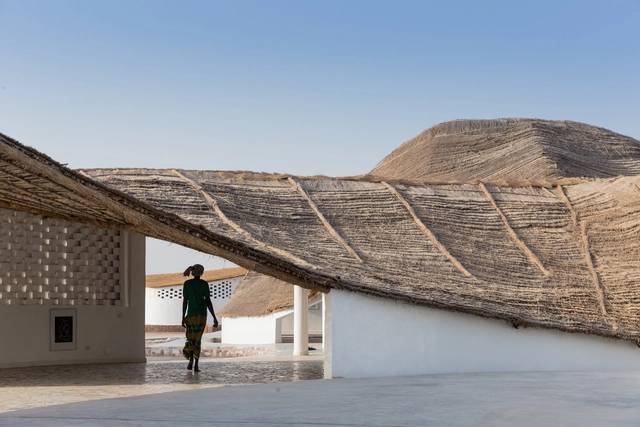
Beyond its status as a sporting event, the World Cup is also an opportunity to observe, learn about, and experience other cultures—especially for the host country. Divided into eight different groups, the first to play, from Groups A and B, will be Qatar, Ecuador, England, Iran, Senegal, the Netherlands, the United States, and Wales. Below, explore some examples of architecture from these countries.
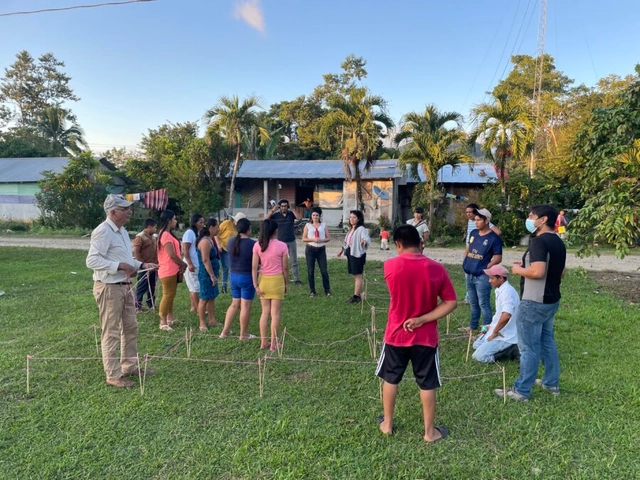
A few days ago, I had the opportunity to speak with Emilio Hernández from the Centro de Imaginación Oaxaca, one of the participants inCocina CoLaboratorio. Our conversation touched upon topics such as collective participation, the social management of habitat, altruism, racism, and many other social issues. During our chat, we addressed the nuances, highlights, and shadows surrounding welfare dependency and “aid” to communities, as well as how counterproductive and violent it can be to act from a position of privilege and top-down hierarchy.
https://www.archdaily.com/1132044/cocina-colaboratorio-social-habitat-management-in-chiapasValeria Rubio García
No País dos Arquitectos is a podcast created by Sara Nunes, who also runs the architectural film production company Building Pictures. The podcast aims to introduce the professionals, projects, and stories behind benchmark contemporary Portuguese architecture. With just over 10 million inhabitants, Portugal is a highly intriguing country within this professional field, and its architectural output far outstrips its population and territorial scale.
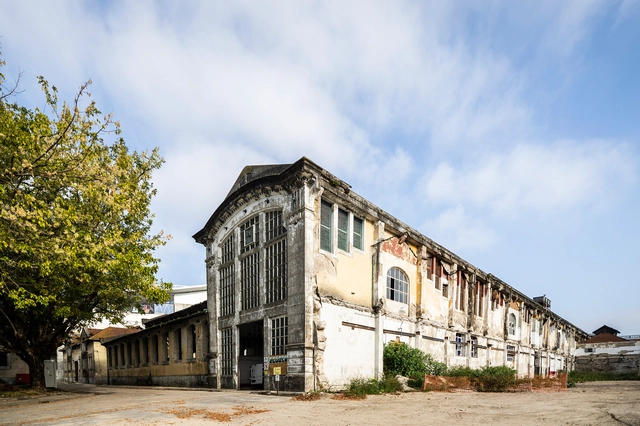
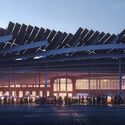
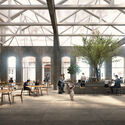
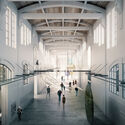
In this episode of the fourth season, Sara talks with architect Diogo Brito from the firm OODA about the conversion project of the former Campanhã Industrial Slaughterhouse in Porto, co-designed with Kengo Kuma.
To celebrate its tenth edition, Open House will open the doors of more than 160 spaces and buildings of great architectural, cultural, and heritage value in the Autonomous City of Buenos Aires on October 1 and 2, 2022. As it does every year, this architecture and urbanism festival will offer the public the opportunity to rediscover the city's architecture and urban design, as well as its people, stories, and anecdotes, through free activities, visits, gatherings, and tours.
Founded in 2013 in São Paulo, this young transdisciplinary practice focuses on architecture, urbanism, and fine arts. Influenced by visual arts, music, theater, and everyday urban life, the firm translates these lived experiences into projects across diverse scales, briefs, and contexts.
Named after a term with multiple meanings in Portuguese—in architecture, *vão* represents the void or span between structural elements, a space to be occupied and activated by social, political, artistic, and various other interactions—the firm was founded by Anna Juni, Enk te Winkel, and Gustavo Delonero. Throughout its nearly ten-year history, it has maintained a small team, alongside occasional collaborations with friends and colleagues on specific projects.
The call for entries for the European Award for Architectural Heritage Intervention (AHI), aimed at professionals and associations linked to architectural heritage, is open until March 17, 2023. Its primary objective is to recognize high-quality interventions in built heritage across all its dimensions. In doing so, the award aims to contribute to their dissemination and establish itself as a catalyst and observatory for the new challenges that contemporary architectural globalization poses to the conservation and intervention of built heritage.
In collaboration with the publisher gestalten, we have recently published our first book: The ArchDaily Guide to Good Architecture. This milestone was an opportunity to look back at the more than 40,000 projects curated over the last 15 years, drawing out their contributions to answer an ambitious question: What is good architecture?
We wanted you—our dear readers—to also confront this question through an open call for opinions. After reading through a vast number of responses from construction professionals, students, and architecture enthusiasts alike, it was surprising to find a widespread consensus: above all, good architecture does not forget why and for whom it exists. Read some of the key responses below.
During the International Union of Architects (UIA) 2020 International Forum, “Affordable Housing Activation: Removing Barriers,” the Higher Council of Spanish Architects’ Colleges (CSCAE) developed the first dynamic atlas on access to housing. The platform aggregates over 4,000 economic, urban, and development indicators into a single interface, making them easy to analyze and interpret. The data is sourced from major international organizations, including the World Bank, the Inter-American Development Bank, the International Monetary Fund, and the World Health Organization.
The National Historical and Artistic Heritage Institute (Iphan) has launched the 35th edition of the Rodrigo Melo Franco de Andrade Award. The award recognizes outstanding national initiatives in the preservation and promotion of Brazilian Cultural Heritage. This year's theme is the Socioeconomic Sustainability of Cultural Heritage, and submissions are open until July 11.
https://www.archdaily.com/1132271/iphan-opens-applications-for-the-2022-rodrigo-melo-franco-de-andrade-awardArchDaily Team
Keeping the memory of Brazilian architecture alive in a country that undervalues the profession and has systematically dismantled cultural promotion and preservation institutions can be a thankless task. Yet, this is precisely the challenge taken on by the firm aflalo/gasperini arquitetos, which has just launched a digital archive to celebrate its 60-year history.
The Mexican project Casa de Música, designed by Colectivo C733, and the Bío Bío Regional Theater in Chile, by architects Smiljan Radic, Gabriela Medrano, and Eduardo Castillo, have been jointly awarded the Grand Prize at the Pan-American Architecture Biennial of Quito BAQ 2022.
I remember clearly when I began to question the types of images and architecture we consumed and debated at university, contrasting them with the actual built environment of the city I live in (CDMX). This is a type of architecture that seeks to delineate certain biased, curated aesthetic principles, disseminated through academia, digital platforms, magazines, books, and real estate developers, among others.