Bogotá is well-known for its diverse public markets, which not only host the sale of meat, grains, fruits, and vegetables, but also serve as spatial representations of Colombian culture.
These traditional establishments have grown alongside the city's population, undergoing significant spatial transformations over time. For locals, they remain the essential place for grocery shopping, while for tourists, they are major attractions offering a sensory exploration of Colombia's diverse flavors, aromas, and textures.
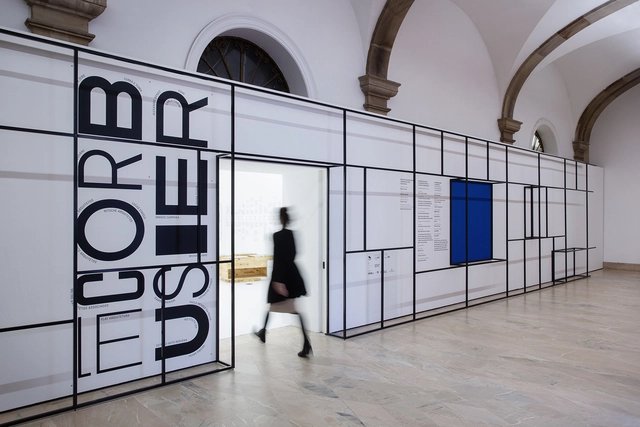
Opened last Saturday (16) at the Museu da Casa Brasileira in São Paulo, the exhibition “Experimenting Le Corbusier – Contemporary interpretations of modernism”—curated by Pierre Colnet and Hadrien Lelong of design publisher Cremme, with exhibition design by the São Paulo-based office MNMA Studio—seeks to foster a reflection on the implications of the Franco-Swiss architect's work for the architectural, urban, ideological, and social development of Brazilian modernism.
Featuring 20 guest artists—architects, designers, and visual artists—who developed various works and research based on the canons of the architect's work, the exhibition seeks to operate through the “transdisciplinarity of art,” as noted by Mariana Schmidt, the partner-architect responsible for the exhibition design.
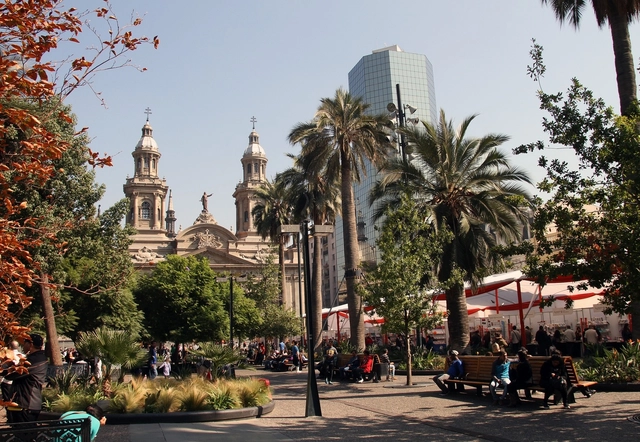
The impact of the Santiago Metro's new lines, recognition for a new metropolitan park in the capital, and the final design for the Barón Pier in Valparaíso. Indeed, a week dedicated to major metropolitan projects is the focus of this edition of La ciudad chilena en la prensa, the ArchDaily column where we cover what is happening in Chile's major cities.
Videos
Escala 1:5. Documental nueva Sala Beckett. Image Cortesía de Architecture Player
The Catalan architecture firm Flores & Prats Architects presents the launch of the documentary series ESCALA 1:5, which explores the design process of the international drama center at the new Sala Beckett in Barcelona. Produced by the independent production company 15-L, the documentary consists of five 10-minute episodes directed by Patricia Tamayo and Albert Badia.
Following its premiere on December 14, 2017, at the Girona Cinema in Barcelona before an enthusiastic crowd of about 200 spectators, the episodes are now available on demand on The Architecture Player channel on Vimeo.
https://www.archdaily.com/1114041/scale-1-5-the-new-documentary-on-the-sala-beckett-designed-by-flores-and-prats-architectsJavier García Librero
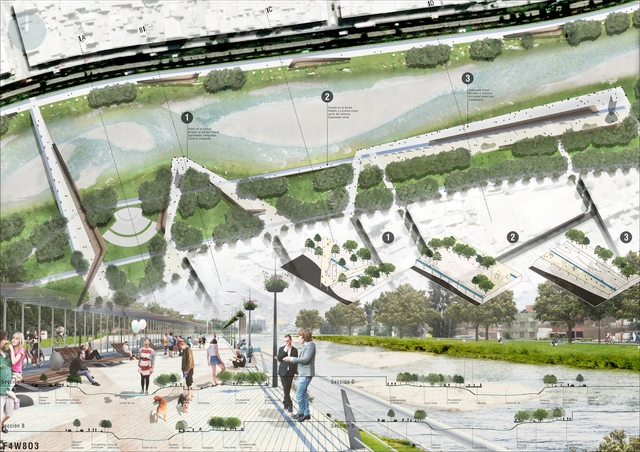
The city of Lima and the Rímac River seem to be at odds, despite the river crossing (and nourishing) the city from east to west. This is why we highlight the word “friendship” as an added value for addressing this issue: a way of understanding this relationship with the solidity and integration it deserves. This is the premise of the project presented here, which we have retrieved from our archives to bring to light. As summer begins and the El Niño phenomenon approaches, bringing inevitable rising water levels to the Rímac, it is impossible not to recall the mudslides (huaycos) that caused disaster a year ago. Little to nothing has been done to address this disconnect between the city and the river; thus, let us take a fresh look.
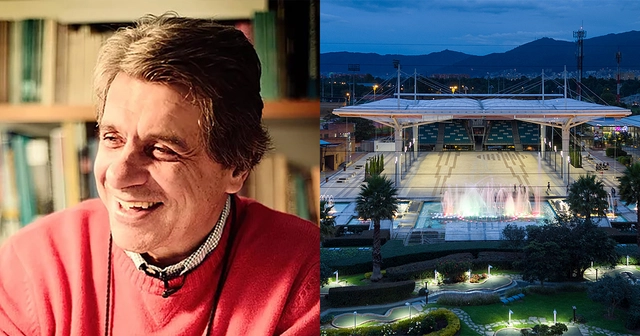
Colombian architect Konrad Brunner passed away this Tuesday, September 25, in Bogotá. Grandson of the historic urban planner Karl Brunner, Konrad was born on November 17, 1950, in the Colombian capital and graduated from the Universidad de los Andes in 1974.
Brunner founded his own architecture firm in 1978, a practice noted for projects such as the Plaza de Jubileo at Compensar, the master plan for the Ciudadela El Recreo (alongside Germán Samper and Gustavo Perry), the Arroyoviejo and El Vigía residential buildings, and the Casa Vélez. Additionally, the architect balanced his private practice with teaching at the Universidad de los Andes starting in the 1980s.
The president of the Venice Biennale, Paolo Baratta, and directors Yvonne Farrell and Shelley McNamara presented, via videoconference, the official curatorial proposal of the Artistic Direction for the 16th International Architecture Exhibition of the Venice Biennale.
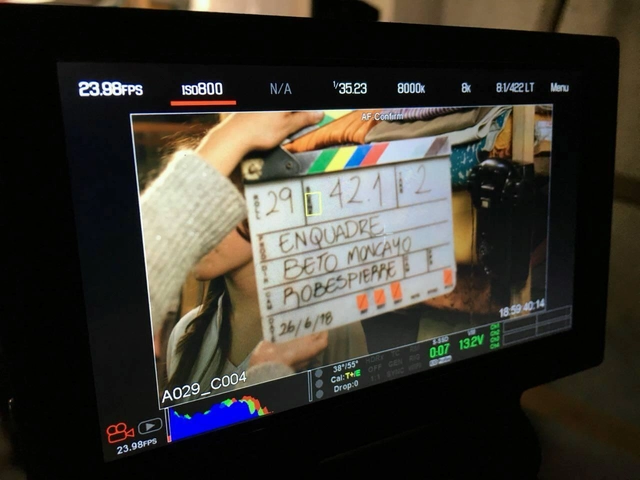
Filming of the movie 'De topos y sapos' by Colombian architect and filmmaker Alberto Moncayo. Image via 'De topos y sapos' Fan Page
What began as an audiovisual production for an architectural project—Vive Bambú—turned into a lifelong passion. This is the story of Colombian architect and professor Alberto Moncayo, who shared details of his latest film project with the newspaper El Espectador.
"Architecture earns me a living, but I live for cinema," comments Moncayo, while working on the filming of "De topos y sapos," inspired by the historic Banco de la República heist of 1977. In this event, two brothers dug a tunnel to the vault of the bank branch in the city of Pasto, stealing 82 million Colombian pesos at the time (equivalent to USD 38.2 million today).
The controversial "sun tax," a measure implemented several years ago by the Spanish government, has been eliminated thanks to the new Royal Decree-Law 15/2018 on energy transition. Approved by the Council of Ministers, this measure comes at a time when Spain remains far from meeting the targets set by the European Union in this area.
Among other measures, the Royal Decree establishes the right to self-consume electricity free of charge; recognizes the right to shared self-consumption (multiple users sharing a single installation); simplifies administrative procedures; limits electricity bill prices; and introduces measures to promote electric vehicles.
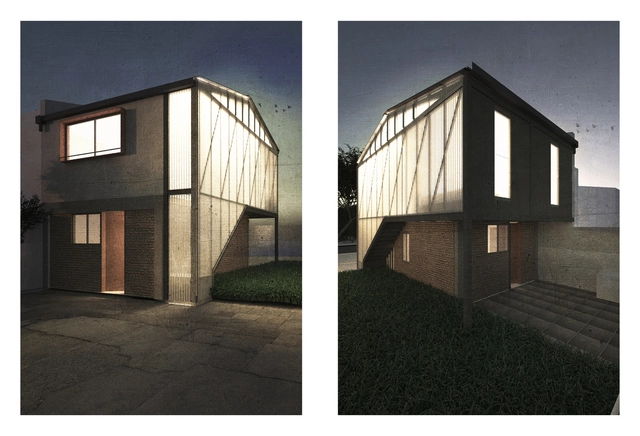
Casa Huechuraba. Image Cortesía de Encargos Comunes
The Chilean firm TALLER25 has launched the first edition of the des_VINCULADOS workshop in Santiago. This project-based academic initiative addresses an emerging theme in Chilean practice: middle-class architecture. To this end, students were assigned a specific design intervention—extension, renovation, or new construction—and a budget estimated by the original clients: five middle-class families living in Santiago's inner ring and periphery.
"Currently, projects built for the vast majority of the country's population tend to be the result of architectural practice treated as a mere commercial service, rather than an opportunity to contribute to the discipline, improve the users' quality of life, or build a more equitable context," explain Fabiola González, Yair Estay, and Jessica Torres, the organizers of the workshop, which is part of the Encargos Comunes academic research project.
In partnership with the Department of Architecture of the Faculty of Architecture and Urbanism at the University of Chile, and with ArchDaily as a media partner, the first edition of the workshop involved 43 students from across Santiago. They developed the following proposals after a series of sessions that included a panel discussion and five thematic sessions: practice, regulations, budget and construction, and market.
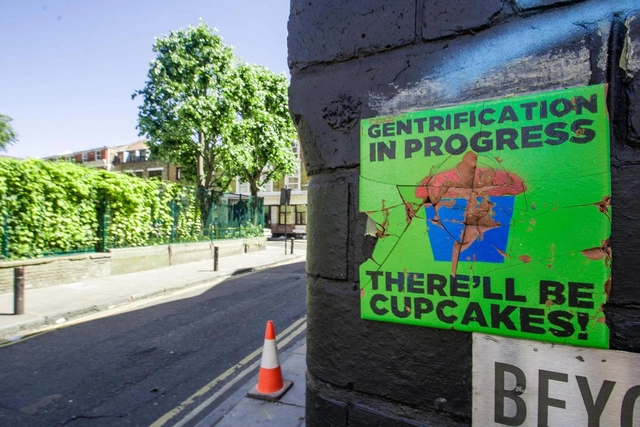
Gentrification is not only a timely topic, but a widespread concern. Today, it might make more sense to speak of touristification, or perhaps the phenomenon itself has evolved. Nevertheless, the term gentrification can broadly encompass all these concepts related to the displacement of a neighborhood's "original" inhabitants, who are replaced by residents with higher purchasing power or by vacation rentals.
This is an issue that interests people from all walks of life, not just professionals in urban planning or architecture. It draws the attention of citizens who, like myself, set out to find explanations or try to gather clues about what the future may hold under this trend.
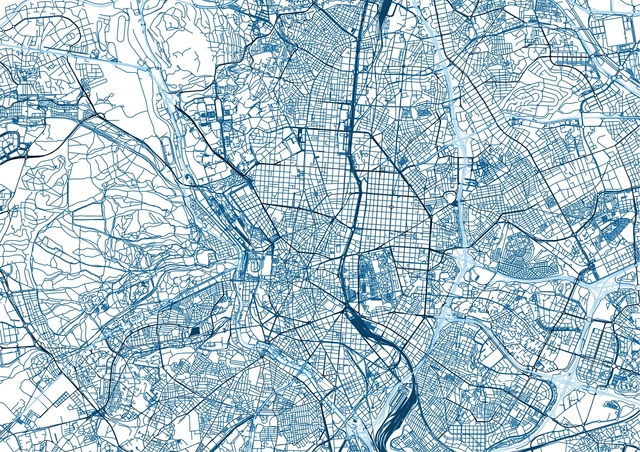
From my perspective as an engineer—but above all as a Madrid resident—I decided to research the data published by the City Council on the city's commercial premises to see if it was possible to draw any conclusions on the matter. The purpose of this study was purely exploratory, conducted without any external commission. I had no preconceived hypothesis or goal beyond identifying certain neighborhoods as gentrified; the analysis simply grew from there, keeping all possibilities open.
https://www.archdaily.com/1114102/how-gentrified-is-your-neighborhood-luis-nadal-explores-the-case-of-madridLuis Nadal
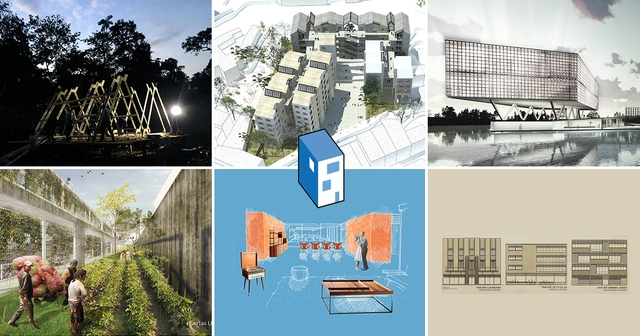
In September, we launched the third edition of our open call in Colombia, inviting architects to submit their graduation thesis projects (as final degree projects are known there). In this edition, the call received 94 submissions from more than 10 cities and 22 universities across the country, representing a 34% increase in proposals compared to 2017.
Following a thorough evaluation, six graduation theses were selected as winners by our editorial jury (Fabián Dejtiar, Mónica Arellano, José Tomás Franco and Nicolás Valencia). Built works, historical research, and master plans make up our selection: from a rural residential prototype to a comprehensive study of the Edificio de Renta (rental building), a popular residential format in Bogotá between the 1940s and 1970s.
Additionally, for the first time we included a high-level external jury tasked with selecting the Grand Winner2018. The jury comprised Lina Toro (Madrid), Carlos Cano (OPUS, Medellín), and Jorge Noreña (Ruta 4, Pereira). "While architecture requires rigor, dedication, and communication skills, it also demands strengthening connections with urbanism and landscape, as well as with professions that make transformative ideas viable," Cano commented during the jury's evaluation.
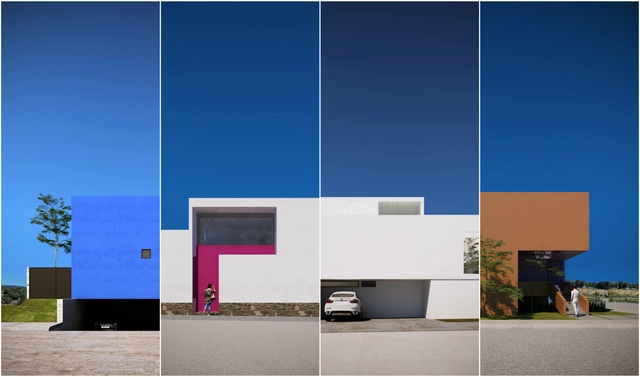
The "Single-Family Home" Architectural Design Workshop, organized by the architecture firm Cota Paredes Arquitectos, concluded its fourth edition, inviting recent graduates and final-semester architecture students to develop a single-family housing project over four weeks, either in person or online.
The project involved designing a home for a small family within a gated community in Zapopan, Jalisco, Mexico. The proposal also had to comply with the building regulations of the "Los Robles" development, incorporating essential guidelines to achieve a single-family home design based on the concepts of introspective architecture.
https://www.archdaily.com/1114093/results-of-the-fifth-single-family-home-architectural-design-workshop-by-cota-paredes-arquitectosArchDaily Team
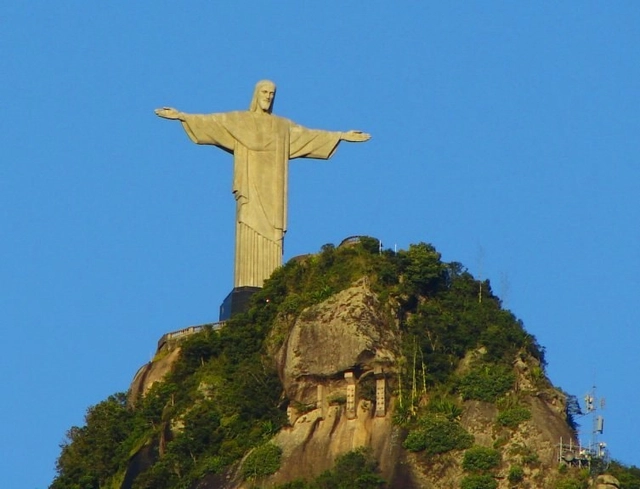
This week, Congress approved the creation of 231 positions for the office of the federal interventor in Rio de Janeiro and the Extraordinary Ministry of Public Security — to fund these new roles, positions will be eliminated at the National Institute of Historic and Artistic Heritage (Iphan).
Of the newly created positions, all of which are appointed roles, 67 will be allocated to the office of the interventor, General Walter Braga Netto, and 164 will be chosen by the Extraordinary Minister of Public Security, Raul Jungmann.
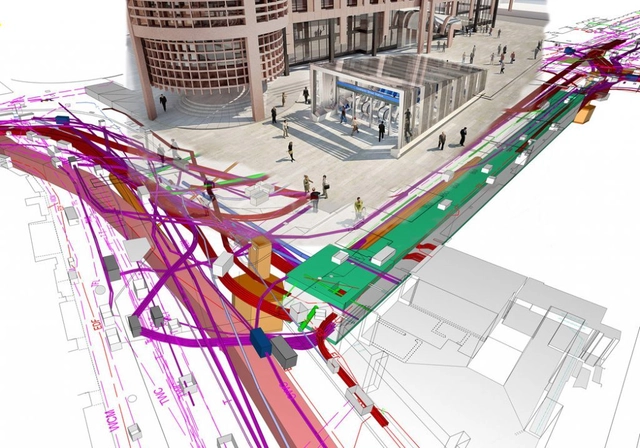
Architecture and urban planning is a field that constantly evolves in tandem with technological advancements. This is true for heavy machinery used in construction, building materials, and design tools alike. Today, this evolution is closely tied to BIM technology.
BIM stands for Building Information Modeling. It is a workflow that gathers, through digital tools, all information regarding the construction of a building.
Like any other discipline or science, urban planning is dedicated to the empirical study of planning and organizing cities and territories. It faces not only the challenges of designing agile mobility, planning accessible residential fabric, allocating land for economic activities, and efficiently managing environmental and energy impacts, but also the ultimate goal of making the resulting cities as livable as possible.
Named after Arturo Soria, Arturo is an algorithm trained by citizens and designed to determine which urban variables make our cities more livable. Much like Arturo Soria himself—whose commitment to livability was evident in projects like the Ciudad Lineal—the algorithm aims to turn livability into a measurable parameter, into objective data. To achieve this, it relies on the input of thousands of citizens to build an accurate picture of what makes a city livable.
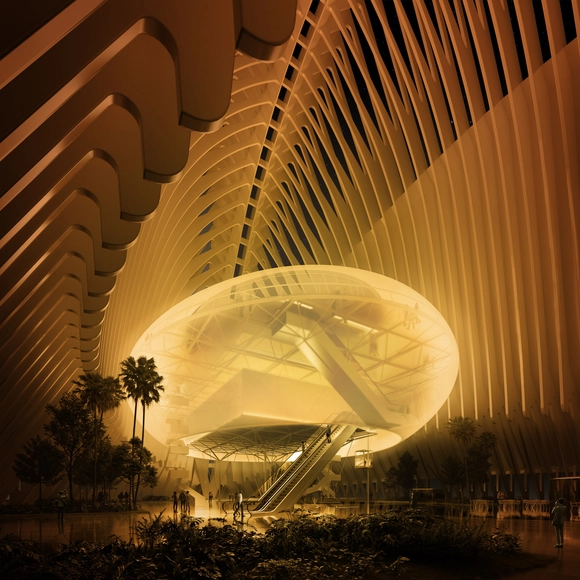
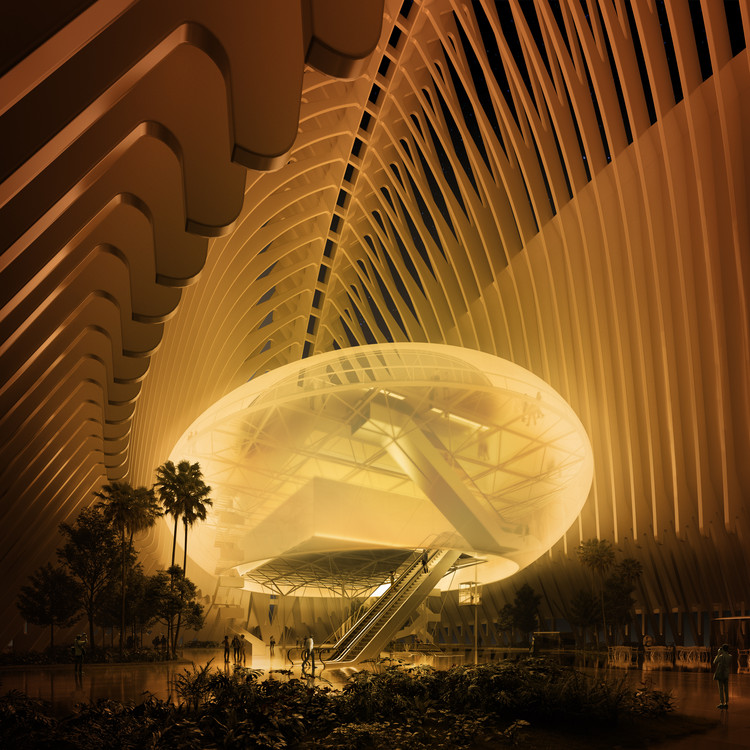
A few days ago, the “la Caixa” Banking Foundation presented the design for CaixaForum Valencia, a project led by Enric Ruiz-Geli and his studio Cloud 9. The foundation's ninth cultural venue in Spain will be located inside the Ágora in the City of Arts and Sciences, designed by Santiago Calatrava.
CaixaForum Valencia will have an area of 6,500 square meters, housing two exhibition halls, a 300-seat auditorium, two multipurpose classrooms, a bar-restaurant, a bookstore, and a family and educational space called CaixaForum Familia, as well as reception areas, offices, storage, and technical zones.
On this occasion, we present the proposal by MIAS Architects, a firm led by Josep Miàs and one of the nine offices invited by the foundation to participate in the competition. “The new CaixaForum [must] actively engage with the Ágora building, establishing a relationship that is not only volumetric but also perceptual,” the architects explain.
On July 17, the Council of the Arq. Marcelo Zambrano Scholarship selected architect Nuria Benítez Gómez as this year's winner: “The Arq. Marcelo Zambrano Scholarship is an initiative through which CEMEX reaffirms its commitment to Mexican architecture, promoting the professionalization of the construction industry by training highly talented young architects,” stated Juan Romero, President of CEMEX Mexico. “I recognize the important work of the Scholarship Council in choosing the winner during this year's deliberations, which, as in every year, has been highly enriching and now even more challenging due to the high level of competition and quality of work among the applicants.”
RDP House and El Carrizal House. Daniel Moreno + Sebastián Calero. Image
Architect Rafael Pina Lupiáñez, writing for the ARKRIT Collective, reflects on the single-family house as an experimental manifesto of the modern architect—a space where the designer's theories, trends, and concerns materialize through a close, collaborative relationship with the client. By comparing two houses built in Quito, Ecuador, by architects Daniel Moreno and Sebastián Calero, this article illustrates how housing can serve as the perfect stage to unify design experience, client participation, environmental awareness, the reuse of waste materials, and other contemporary ethical approaches.
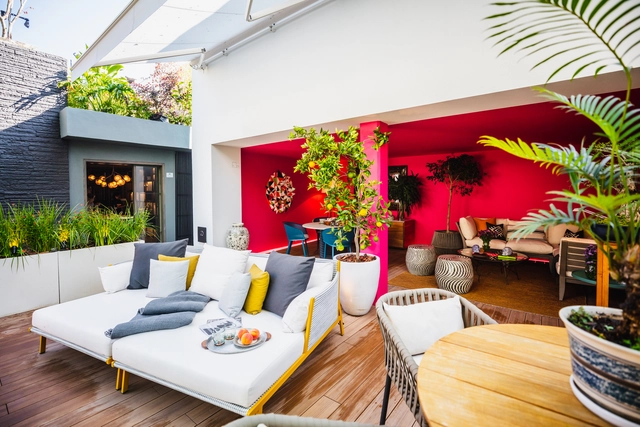
On Thursday, October 11, a new space named Design House opened in Mexico City, showcasing a series of interventions that blend design, architecture, and interior design. Over the past nine years, the event has presented cutting-edge proposals from 100 participating firms across various venues. This is done in collaboration with showrooms along the Ruta del Diño (Design Route), which provide the furniture and accessories featured in the various spaces.
For this year's edition, Design House features 24 renowned architecture and interior design firms. Guided by their unique visions, they have transformed different spaces, drawing inspiration from prominent personalities across various social spheres in Mexico.
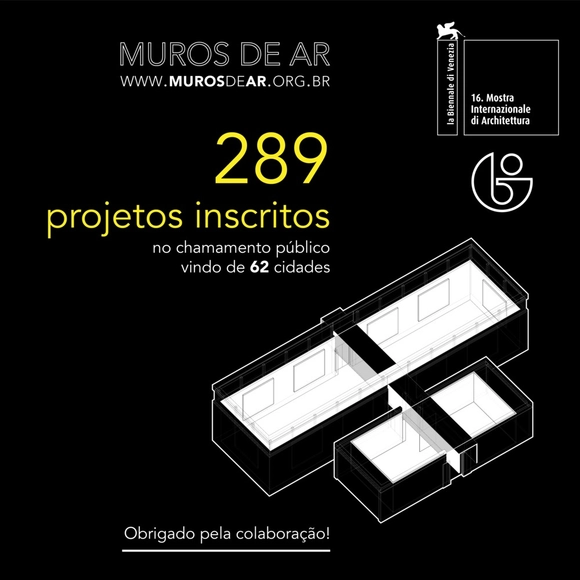
The open call for projects for the Brazilian Pavilion at the 16th International Architecture Exhibition of the Venice Biennale closed on Friday, January 19, at 11:00 p.m., after being open to the public for one month.
The initiative aimed to find projects across Brazil that demonstrate architecture as a tool to mediate conflicts, negotiate transitions between the public and private realms, and articulate connections between distinct urban fabrics.
Artista: AkaCorleone. Ano: 2014. Foto de Target . Image Cortesia de Undergdogs
Over the past five years, Lisbon has attracted significant international attention, driving major changes in the Portuguese capital's urban life. From foreign technology investment to the promotion of cultural initiatives, these transformations are both positive and negative—a complex issue currently debated through the lens of gentrification, echoing developments in other global cities such as Berlin, Portland, and San Francisco.
On the cultural front, the city boasts an impressive diversity of initiatives, ranging from the opening of major, world-class museums—such as MAAT and Coches—to a rich culture of urban graffiti murals. This scene is supported by initiatives like the Underdogs cultural platform, which has worked with artists from around the world since 2013 to bring these paintings to the city's walls.
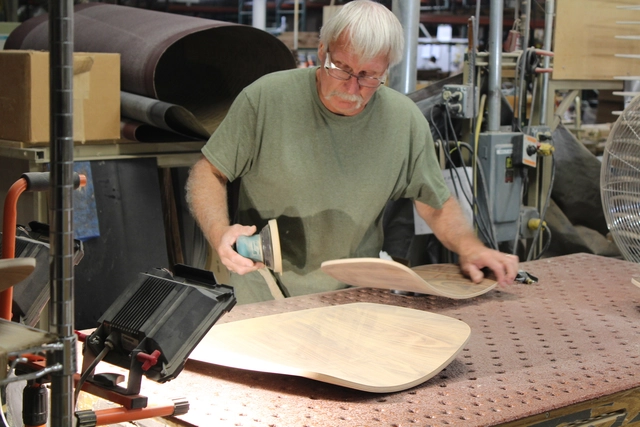
What is the manufacturing process of a chair like?
Our partners at Herman Miller opened the doors of their factories and offices in Michigan, United States, to show us the complex yet efficient design and manufacturing process of their various furniture pieces and products. During a three-day tour, we saw that their production involves a high level of detail and craftsmanship, where the experience and skill of their workers are essential.
Imagen exterior Casa Vallet. Image Cortesía de Servicio Histórico COAM
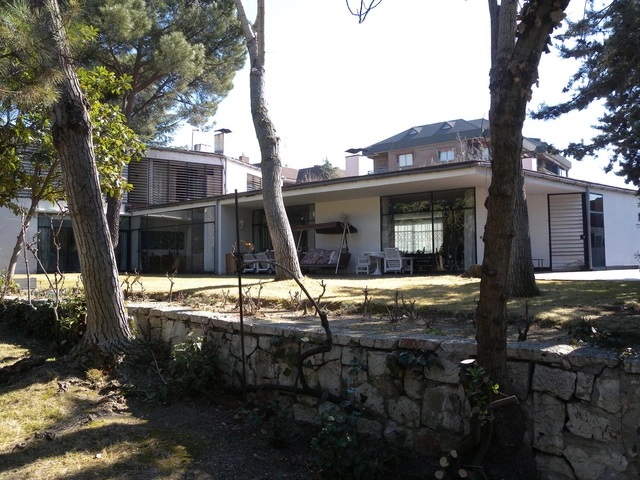
The tragic end in early 2017 of the Guzmán House, designed by architect Alejandro de la Sota, seems poised to repeat itself—this time with the Vallet de Goytisolo House, one of three works built in the capital by José Antonio Coderch (1913-1984), a prominent 20th-century Spanish architect, and his partner Manuel Valls.
According to the newspaper El Mundo, the General Directorate of Cultural Heritage of the Community of Madrid has issued a report rejecting the designation of this example of modern residential architecture—located at 5 Belisana Street in Madrid's Ciudad Lineal district—as a heritage site.
https://www.archdaily.com/1113962/coderchs-vallet-house-remains-at-risk-of-demolition-due-to-a-lack-of-heritage-protectionJavier García Librero

.jpg?1520005213&format=webp&width=640&height=580)
.jpg?1520005166 "© Mexico Pavilion")
.jpg?1520005196 "© Mexico Pavilion")
.jpg?1520005136 "© Mexico Pavilion")
.jpg?1520005151 "© Mexico Pavilion")
.jpg?1520005213)





_(2).jpg?1527044734&format=webp&width=640&height=580)




.jpg?1521471569&format=webp&width=640&height=580)
.jpg?1521471591 "Artista: AkaCorleone. Ano: 2015. Foto de André Santos. Image Cortesia de Undergdogs")
.jpg?1521471603 "Artista: AkaCorleone. Ano: 2016. Foto de José Pando Lucas. Image Cortesia de Undergdogs")
.jpg?1521472289 "Artista: Shepard Fairey. Ano: 2017. Foto de Jon Furlong. Image Cortesia de Undergdogs")
.jpg?1521472210 "Artista: Shepard Fairey. Ano: 2017. Foto de Jon Furlong. Image Cortesia de Undergdogs")
.jpg?1521471569)