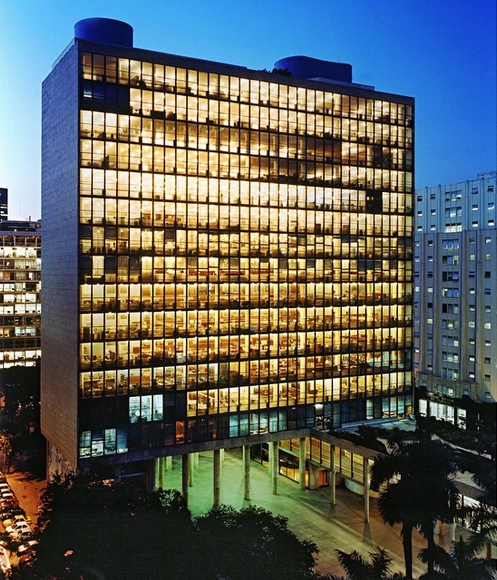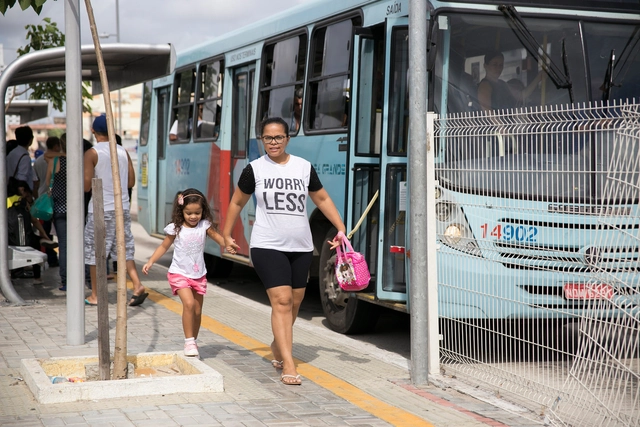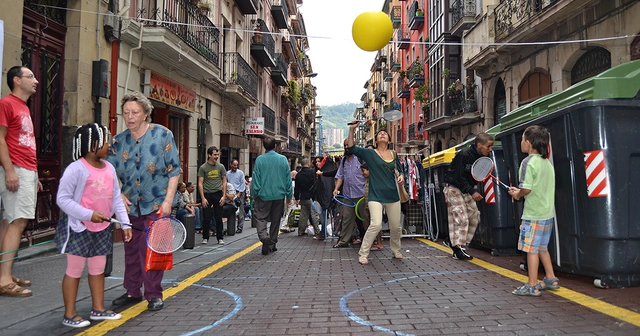

Since ancient Greece, public space has been the primary setting for gathering and socialization in cities and towns, supporting a wide range of activities as well as political debate and collective empowerment. It is a common good from which to foster equality, respect, and solidarity as the foundation of a fairer society. One of the primary characteristics of public space is its capacity to adapt and open itself up to new challenges and uses.
However, in recent years, licensing the commercial use of public spaces has become a growing source of revenue for municipal governments. The regulation and legal restriction of how our plazas and other spaces are used, enforced through municipal ordinances and codes, represents one of the primary dimensions of the privatization of public space. Privatization is understood here as the process of establishing conditions that restrict free access to a common good. The overexploitation of public space for corporate profit promotes a consumerist urban model that is detrimental to the citizenry.









._Via_Arquivo_Arq.jpg?1540388028 "Conjunto Nacional / David Libeskind. Image © Revista Acrópole n° 238 (CC BY-NC-ND 4.0). Via Arquivo Arq")