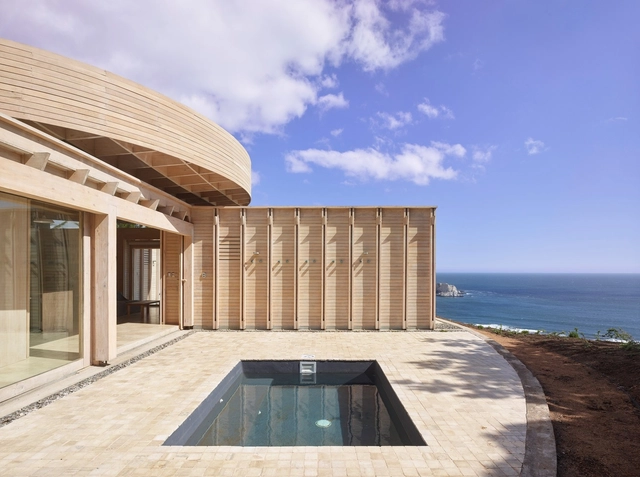
In the following interview, we delve into his inspirations and ways of incorporating these new technologies, while also discussing his projections for the future of timber in Chile.
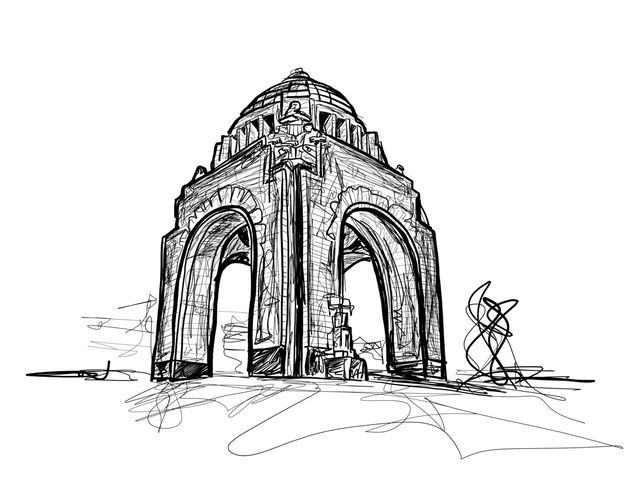
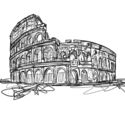
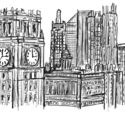
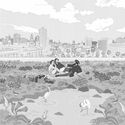
"Traveling Without Leaving Home" is a project by artist and designer Jorge Cejudo, also known as “Cejas.” Over the course of seven months, he shared a pandemic-born series of over 200 drawings on his Instagram account @soyelcejas, reconnecting with his followers after the emergency lockdown by inviting them to join him in imagining journeys through various cities around the world.
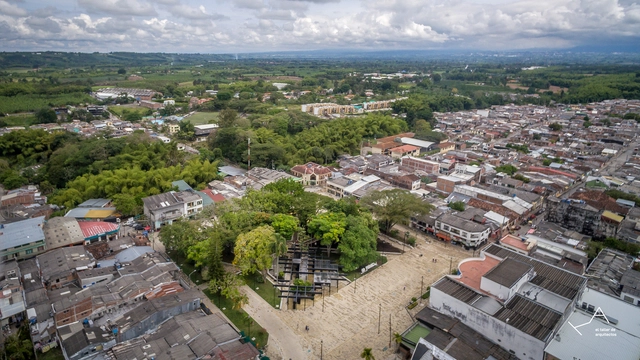
This article is a contribution from the Medellín-based firm El Taller de Arquitectos, who share their experience in structuring their practice by understanding and approaching architecture competitions as commissioned projects. Read on to explore their insights.
https://www.archdaily.com/1123680/el-taller-de-arquitectos-how-to-approach-architecture-competitions-as-commissions-in-colombiaEl Taller de Arquitectos
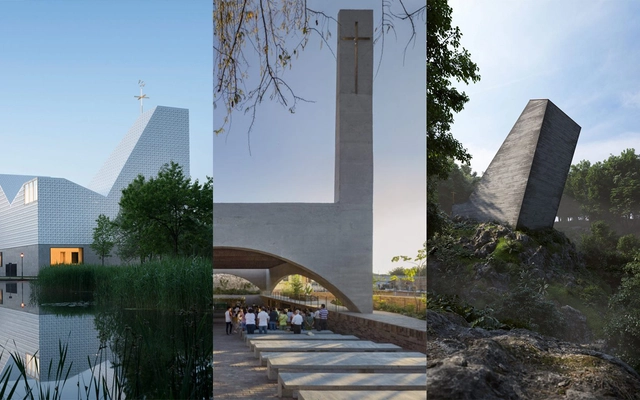
For the seventh time, the Frate Sole Foundation has launched the 2020 edition of the International Sacred Architecture Award, open to all professionals who have designed a church over the last decade (since October 4, 2010) within Christian denominations.
Social housing is one of the most compelling topics for our readers, representing a systemic challenge across most of Latin America. In Colombia, this challenge is even greater when it comes to rural social housing (known as VISR in Spanish), as inadequate infrastructure hinders dignified coverage throughout the country.
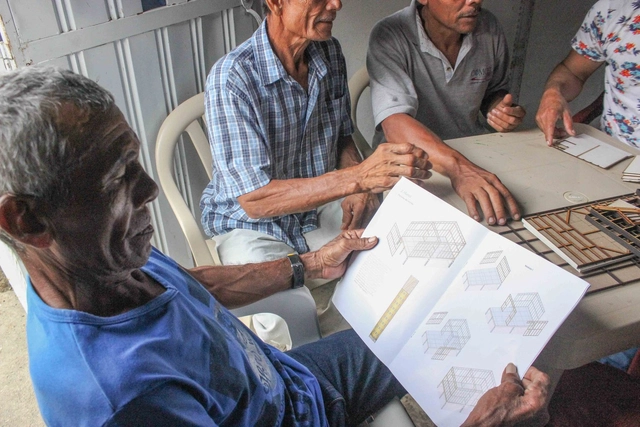
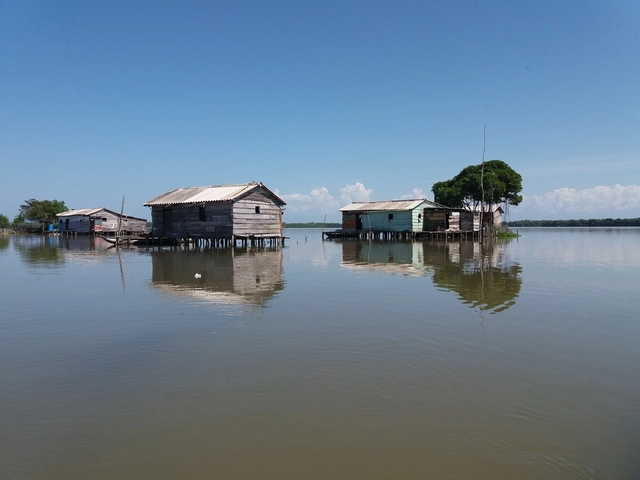
Stilt settlements have existed throughout the world wherever populations sustain their lives through constant interaction with water. In Colombia, the settlements of the Ciénaga Grande de Santa Marta, in the department of Magdalena, are a local benchmark that has endured since pre-Hispanic times. Today, these are informal dwellings, unrecognized in the official land registry. The Pontificia Universidad Javeriana and AGRA have shared their research, compiled in a book that supports the documented formalization of these dwellings using architectural representation standards, specifically by identifying the typologies of Nueva Venecia.
"Las Tres Esperanzas [The Three Hopes] are three constructive actions that make up the educational space where not only children and adolescents were and are shaped, but where we also formed ourselves as architects." These engaging opening words already reveal a journey which, as the result of a sequence, demonstrates that the threads of events are too complex to weave and understand from a single point of view.
For this reason, the sequence of diverse perspectives organized in this new book presented by Al Borde is so significant. It highlights not only a process—and a series of parallel events—but the singularity of a construction. It stands as testament to both the complexity, timeline, and unforeseen events, and the collaborative efforts, learning, and lessons that come with creating a work of architecture.
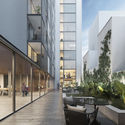
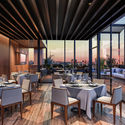
The architecture firm Hauser (Buenos Aires, Argentina), alongside architects Carlos Ferrater and Lucia Ferrater from OAB - Office for Architecture in Barcelona, has presented its project for Montevideo, titled "Alma Duc." The mixed-use building, located in the heart of the Uruguayan capital, will integrate various programs—housing, retail spaces, and a restaurant—seeking to address the consolidation and densification of the area. The project is already under construction and will represent Carlos Ferrater's first built work in South America.
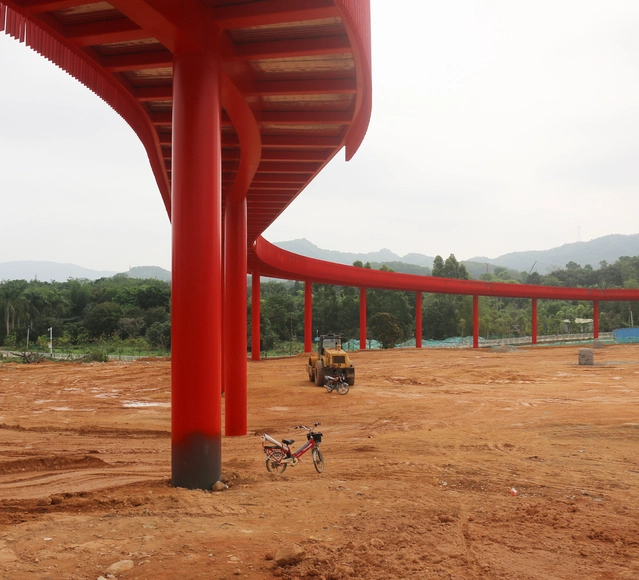
Avance Red Bridge Par, colaboración con con LOLA y L+CC. Image Cortesía de Taller Architects
Following the conversation ArchDaily hosted on Instagram Live during the quarantine with Pablo Forero, one of the founders of Taller Architects (formerly Taller 301), we present this interview, in which he discusses the principles and approaches of this young practice based in Bogotá and Amsterdam.
The following article proposes rethinking architecture in social housing in Colombia. Natalia Carrero Rojas and Pablo González delve into the subject as educators and through their practice 57Uno, where they constantly balance high-quality housing with real estate viability.
https://www.archdaily.com/1123726/57uno-strategies-for-the-design-of-sustainable-social-housing-in-colombiaNatalia Carrero Rojas y Pablo González
Students from the Barcelona School of Architecture are organizing a live-streamed architecture lecture series, featuring both local and international guests, to reflect on quarantine, confinement, freedom, repression, and viruses.
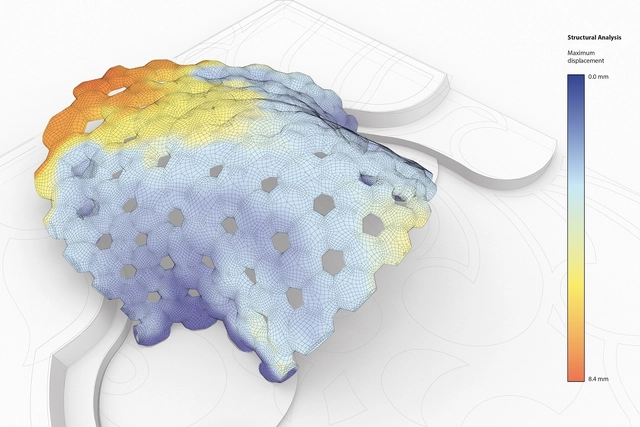
Structural analysis. Image Courtesy of Oliver Krieg
When we think of architectural visualization, sketches, drawings, and 3D renderings usually come to mind. This association is natural, as "visualization" is typically equated with imagining a project before it is built—whether to validate aesthetic and functional decisions or to communicate concepts to clients unfamiliar with technical drawings. However, beyond superficial elements like materials, layouts, textures, and colors, architects must also address highly technical, invisible factors that directly impact a building's performance.
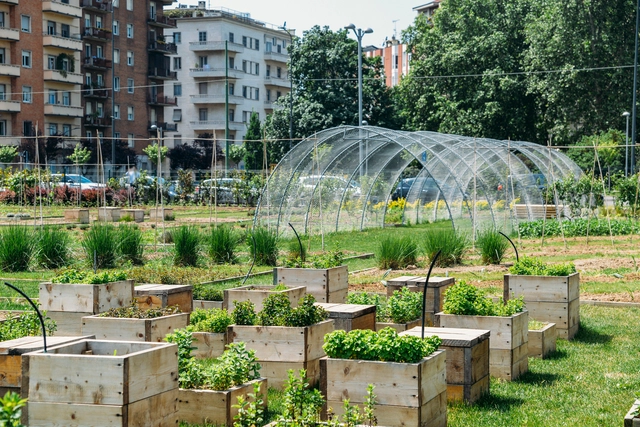
We may still have a long way to go when it comes to addressing the diversity of flora and fauna in urban habitats, yet it is incredible how fast, easy—and even fun—the architecture that makes this possible can be.
In practice, how are we promoting spaces for animals and plants in our cities?
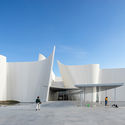
The state of Puebla is located in the central highlands of Mexico, bordering the states of Tlaxcala, Hidalgo, Veracruz, Oaxaca, Guerrero, Morelos, and the State of Mexico. Covering an area of 34,251 km², it is one of the country's most densely populated states. Its capital is Puebla de Zaragoza, and it is one of the leading landlocked states for tourism, featuring 9 "Pueblos Mágicos" (Magical Towns) and 3 UNESCO World Heritage Sites.
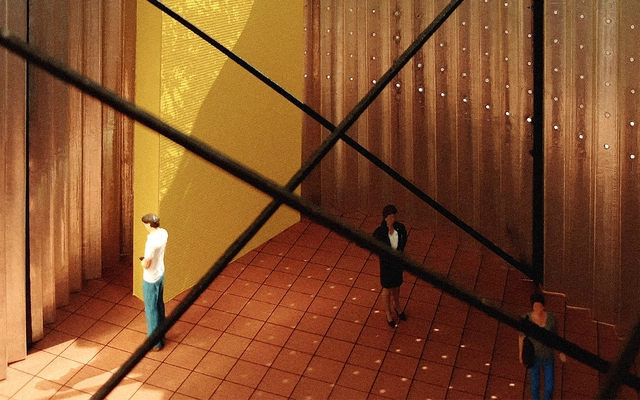
The Eco Pavilion 2020 marks the tenth edition of this competition, which, since 2010, has served as a space for architectural reflection through temporary construction inside the courtyard of the Museo Experimental el Eco. This year's edition was structured around Mathias Goeritz's "snake" concept, under an approach proposed by architect Javier Senosiain.
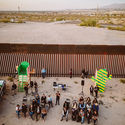
Located on the Mexican border as the southern gateway to the United States, Ciudad Juárez encompasses a territory that blends multiculturalism, migration, and resilience. Together, these elements form a phenomenon of hybrid roots that, over decades, has shaped “border culture.”
Earlier this month, the Observatory of Innovations for Sustainable Cities was launched. The project aims to gather information, proposals, and concrete examples of municipal initiatives and public policies that help improve people's quality of life and strengthen the environment. The initiative is a partnership between the Ministry of Science, Technology, and Innovations (MCTI), the United Nations Environment Programme (UNEP), and the Center for Strategic Studies and Management (CGEE).
The winners of the 'Proyectar a Conciencia' 3.0 competition have been announced. Organized by STO, the call for entries invited students and guiding architects from across Chile to research and reflect on potential ways to retrofit existing buildings to reduce energy consumption and meet contemporary environmental goals—particularly in relation to COP25.
Climate Care – A Curriculum for Urban Practice was a 10-day public program curated by Gilly Karjevsky and Rosario Talevi for the Floating University in Berlin. Climate Care explored the correlations between the environment, urban practices, and education, constructively addressing not only environmental climate challenges but also scrutinizing the complex social, political, and economic climates that surround us today.
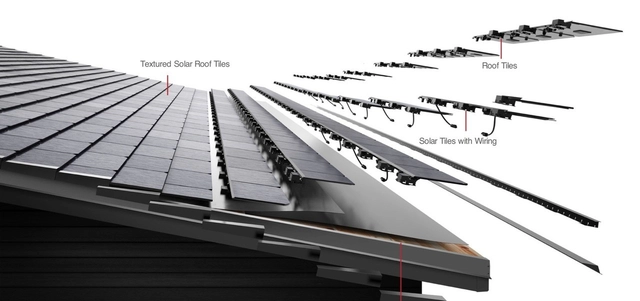
Solar tiles work on the same principle as the photovoltaic panels widely used in architecture. The main difference lies in their installation: while photovoltaic panels are mounted on top of an existing roof, solar tiles are integrated into the roof structure from the very beginning, replacing conventional roof tiles.
These tiles are composed of photovoltaic cells. When they absorb sunlight, they generate an electric field that provides electricity to the building's interior. Each tile is connected by cables to a power distribution board.
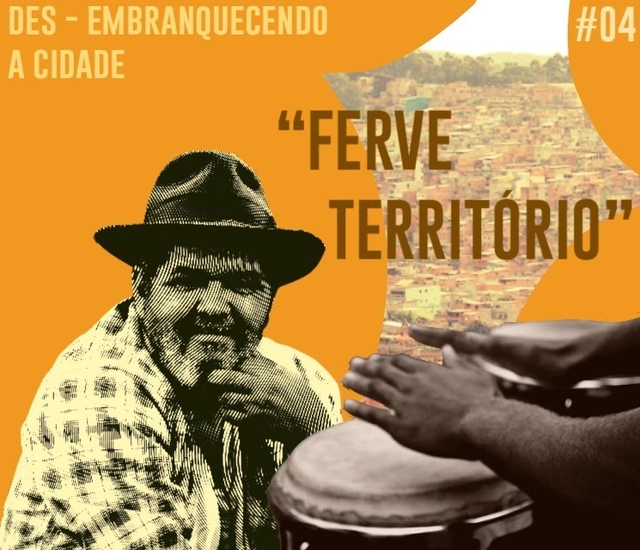
The Terra Preta Cidade collective is a space created from the desire of five Black women living in Salvador, São Paulo, Rio de Janeiro, and Belo Horizonte to bypass geographical distance in order to promote and celebrate coming together. Emmily Leandro, Gabriela Gaia, Luciana Mayrink, Malu de Barros, and Natalia Alves give shape and voice to this exercise of creating a shared virtual territory—which is as much a political statement as an aesthetic one—through the podcast Des-embranquecendo a Cidade, which reaches its fourth episode with the theme: "Boiling Territory — Permanent Steadfastness."
https://www.archdaily.com/1123679/de-whitening-the-city-number-4-territory-boils-permanent-steadfastnessTerra Preta Cidade
Italy has approved a program providing a bonus of up to 500 euros (approximately R$ 3,100) to help residents of cities with more than 50,000 inhabitants buy a bicycle. The measure is part of a decree-law approved on May 13 by the Council of Ministers to boost the country's economic recovery amid the novel coronavirus pandemic. Additionally, the initiative encourages the use of non-polluting vehicles.
Carlos Figueroa, under license CC BY-SA 4.0. ImageHeadquarters of the Ministry of Cultures, Arts, and Heritage of Chile in Valparaíso.
In the context of the global health emergency caused by the COVID-19 pandemic, Chile's Ministry of Cultures, Arts, and Heritage has launched a public survey for freelancers, workers, and representatives of the cultural and artistic sectors to assess the status of their organizations, centers, and agents across the country.