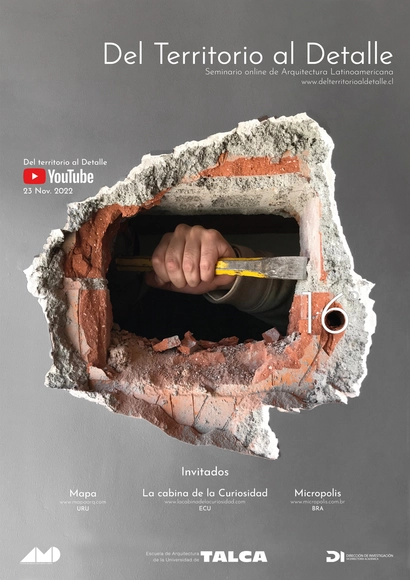
The 16th edition of the international architecture seminar "From Territory to Detail" serves as a space for dialogue and reflection, bringing together students, academics, and professionals in the field alongside renowned Latin American architects. These practitioners share a common approach: balancing teaching with professional work across diverse areas, ranging from editorial projects to artistic experimentation.
The 2nd CIRCULAR Architecture Conference in La Nucia (Alicante) will take place on November 9. This second edition focuses on people, adopting a more humanistic approach that transcends the field of architecture to reflect on its implications for sports and gastronomy as pillars of a healthy lifestyle.
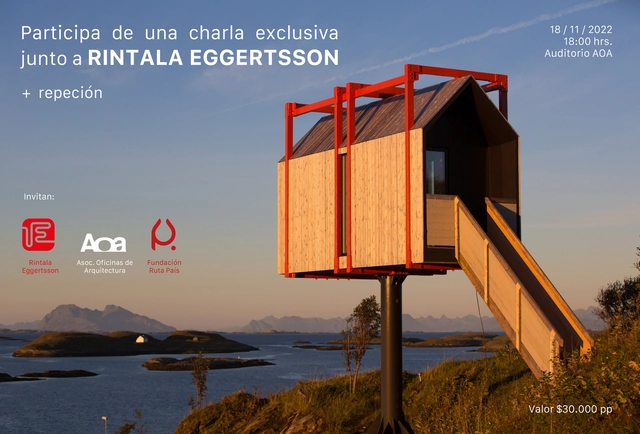
Photography: Kathrine Sørgård - Editing: Fundación Ruta País
The renowned architecture firm Rintala Eggertsson will present the most notable projects of their career, as well as their ongoing work in the town of Chimbarongo, Chile.
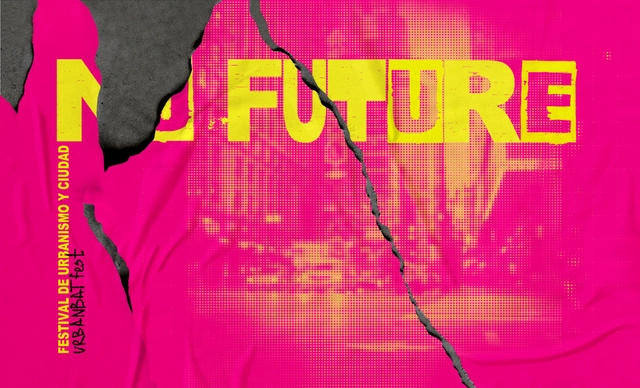
URBANBATfest is a festival that functions as a laboratory—or a laboratory that evolves into a festival. It is a research process focused on urban transformations and an environment for learning, experimentation, and collective creation designed to drive urban innovation.
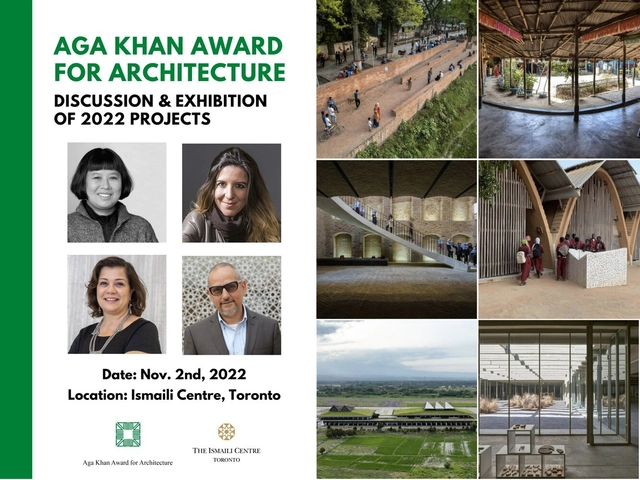
Panelists for the Aga Khan Award for Architecture discussion, and photos of the winning projects.
The Aga Khan Award for Architecture was established by His Highness the Aga Khan in 1977 and is one of the most prestigious architectural prizes in the world. Since its launch 45 years ago, 121 projects have received the award and nearly 10,000 building projects have been documented. The Award not only rewards architects, but also identifies municipalities, builders, clients, master artisans and engineers who have played important roles in the project.
DOCEXDOCE began in 2017 as a unique competition for architecture students and young professionals. Using an exciting and experimental format, DOCEXDOCE encourages participants to propose solutions for a given contemporary problem.
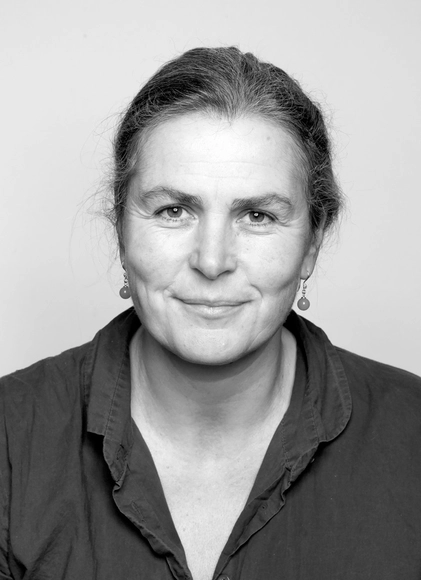
Join The University of Texas at Austin School of Architecture for a lecture with Beate Hølmebakk, Institute of Architecture at the Oslo School of Architecture and Design, on Monday, November 9 at 12:30 p.m. at Goldsmith Hall (GOL 3.120). A recording will be available on the Texas Architecture YouTube channel following the live event.
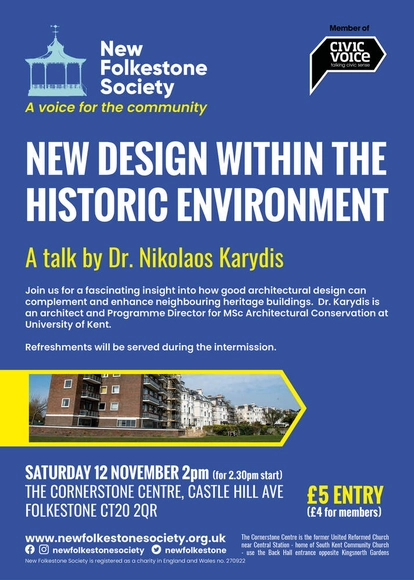
A talk by Dr. Nikolaos Karydis, Programme Director for MSc Architectural Conservation at the Kent School of Architecture and Planning, part of the University of Kent.
The 4th Art, City, and Urbanities Meeting proposes a dialogue with the concepts of "borders" and "confluences" to foster reflection on the current urgencies and emergencies of art within urban space and the context of the geopolitical dynamics involving Brazil's North and Northeast regions. In doing so, we ask: what can we learn about urban contexts when we bring such diverse regions together? We know that, despite their diversity, cities face similar challenges. Political, economic, and environmental divisions increasingly reinforce separations, privileges, and dynamics of marginalization. Such conditions delineate and reinforce borders beyond the geographical, affecting the quality of life for humans and more-than-humans, as well as prospects for a collective future.
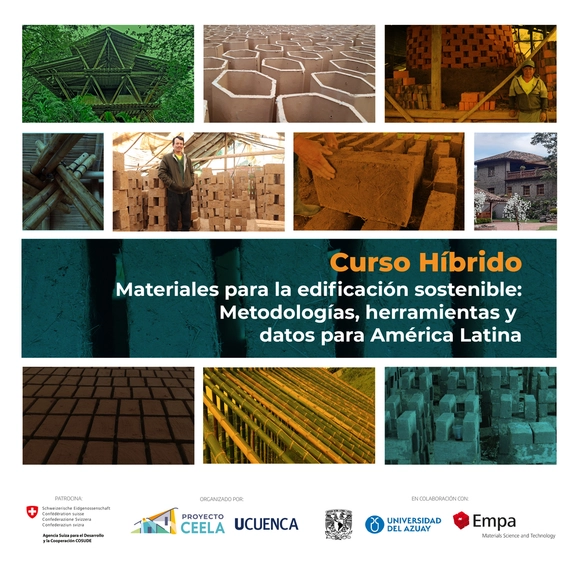
This course is designed for participants to discuss and analyze the sustainability of building materials through a practical, interdisciplinary approach that combines social and environmental analysis. We focus on the production processes of local building materials that utilize both traditional and contemporary techniques.
A course shaped by journeys. The city is a space for constructing knowledge, and walking serves as the tool for a critical analysis of its conditions of existence. Cultural heritage is, above all, how we live, socialize, navigate, and think over time; it is about how we engage with what exists and what we produce for the future. Through four routes across different neighborhoods in São Paulo, the classes seek to deepen the analysis of the city through the lens of cultural heritage and explore the development of routes as a tool for inquiry. Cultural references, urban heritage, daily uses, the obsolete, politics, and the fetishization of cultural heritage will be the guiding themes of the activities.
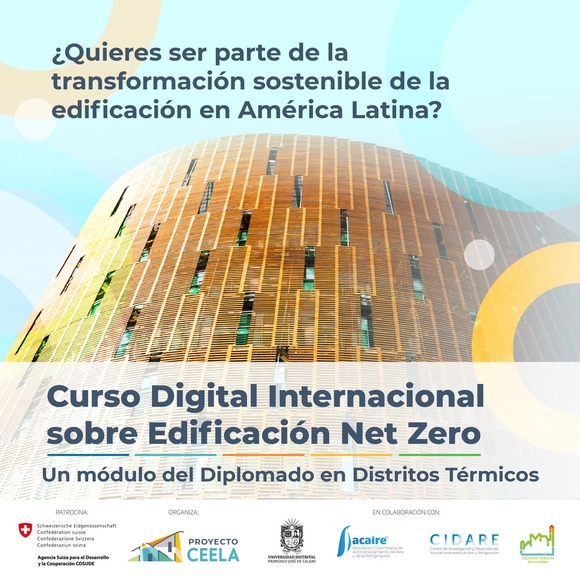
The Net-Zero Building International Digital Course (CDI) is aimed at architecture and engineering professionals throughout Latin America. It is free of charge and, thanks to its asynchronous digital format, offers significant flexibility to participants.
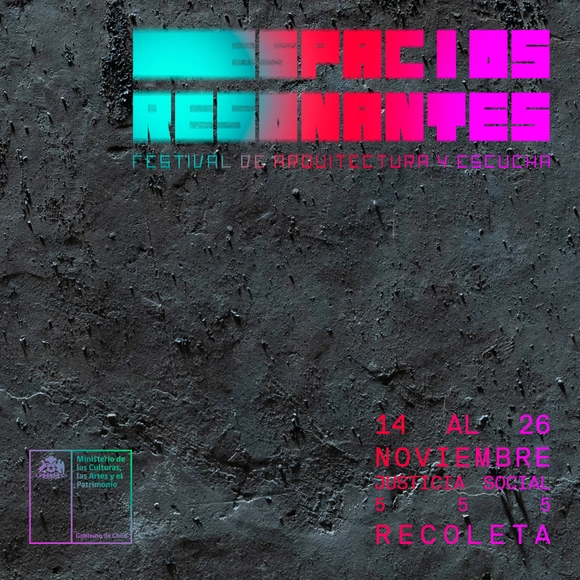
Aiming to explore and transform abandoned architectural spaces through sound experimentation, the first edition of the "Resonant Spaces" (Espacios Resonantes) Architecture and Listening Festival will take place from Monday, November 14, to Saturday, November 26, featuring a variety of activities across the districts of Recoleta and Santiago.
THE MUNICIPALITY OF DOBRICH is pleased to invite all professionals, with a positive approach towards and interest in urban planning and design, to participate in an open and anonymous competition. Our desire is to challenge participants to put their ideas on paper, to unleash their imagination and to present their concept for the renovation and development of the central part of Dobrich.